
Dried Shrimp
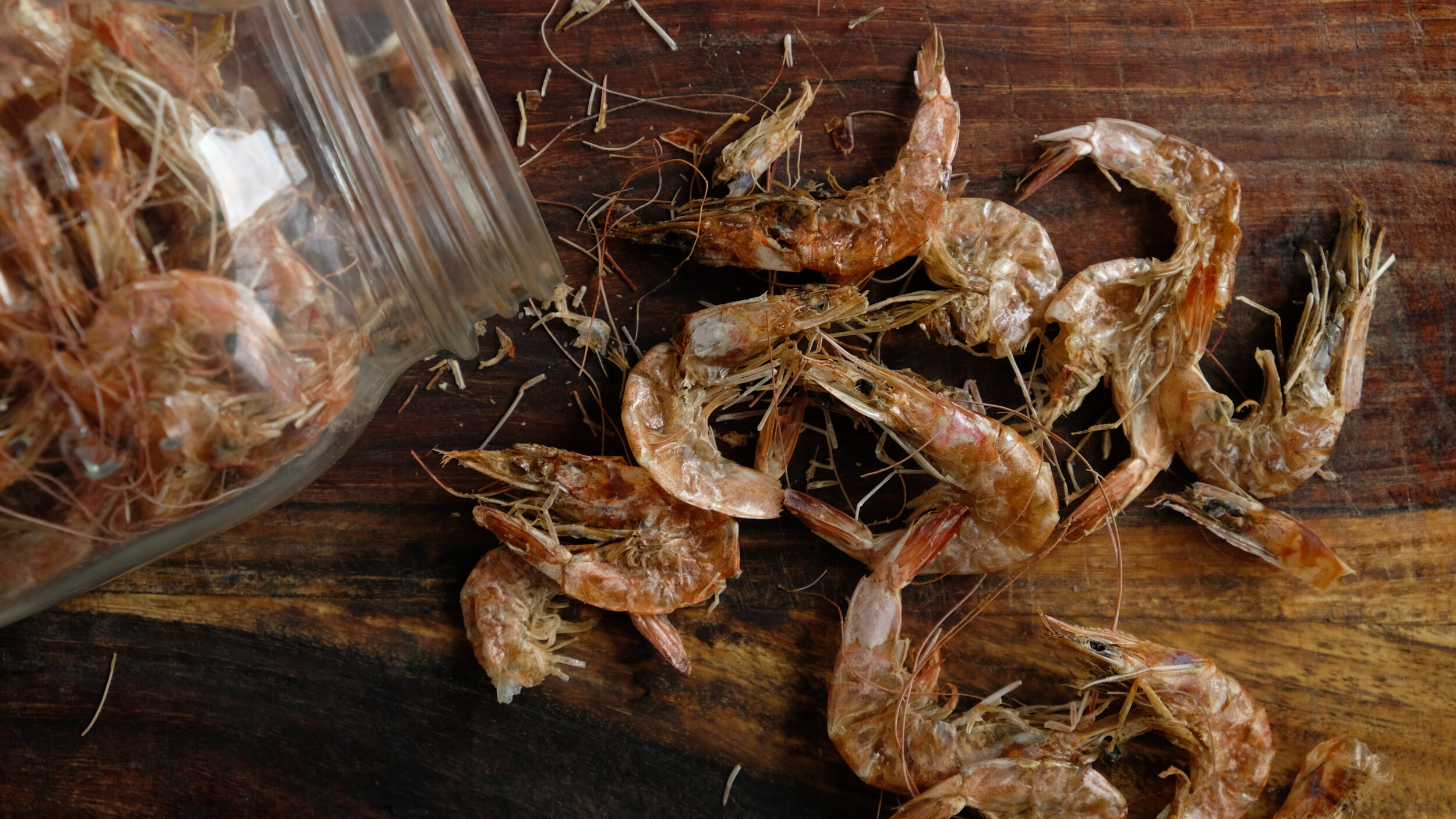
When I was growing up, my parent’s pantry and refrigerator looked pretty different from my friends. We had all the American staples- mayo, mustard, ketchup, hot sauce and A1 steak sauce- but there were some additions (that I never gave a second thought to) that childhood friends would ask questions about.
Jars of ‘mam ca’ (fermented fish), pickled lotus, salt cured eggs, and tiny dried shrimp were mixed in with the Heinz and Miracle Whip.
The dried shrimp in particular was an ingredient that saw a lot of use, and even when I moved into my first apartment in college, it found a place next to the dill pickles and cheap beer. Sometimes, I'd just muddle a few small shrimp up with soy sauce and hot peppers to eat over rice. It was a rudimentary dish that reminded me of home and also fit my broke lifestyle.
These days, the fridge is full of fermented and pickled veggies, fruit preserves, wild game charcuterie and Eastern European dairy products. But there’s still a bottle of ketchup and Duke’s mayonnaise on the door shelf- right next to the dried shrimp.
This ubiquitous ingredient is used in a lot of Vietnamese dishes, especially seafood based soups. It’s somewhere between anchovies and parmesan- salty and full of umami, but with a distinct oceany flavor. It’s great for any dish that needs a mild, seafoody complexity.
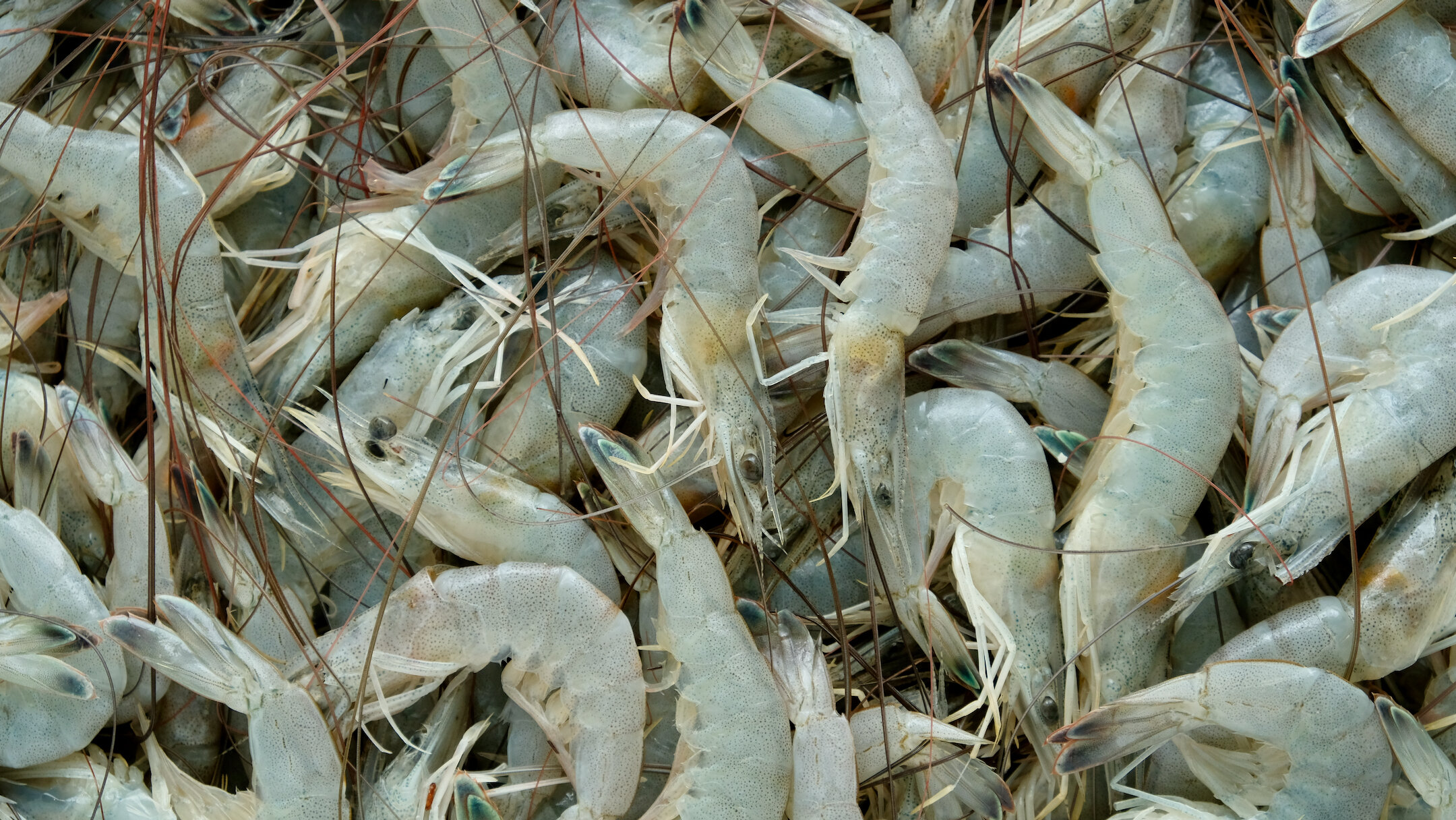
Even though dried shrimp has been a staple for me my whole life, I’d never thought to catch and dry my own. Historically, we live too far north for shrimping- generally, they’re caught in waters from North Carolina southward. But in recent years, they’ve been making their way up the Chesapeake Bay, and in numbers that have surprised just about everyone who sees it. So when my buddy invited me to go out shrimping with him, I said yes, expecting to yield a few pounds. We came back with 60 pounds, of all sizes. We sorted them out, and I kept the smallest ones for drying.
The method here is simple: brine, then dry the shrimp. The smaller the shrimp the better.
Dried Shrimp
Prep Time: 10 minutes active, 10 hours inactive
Ingredients:
Small shrimp, shell on (head on)
1 cup salt
1 gallon water
Method
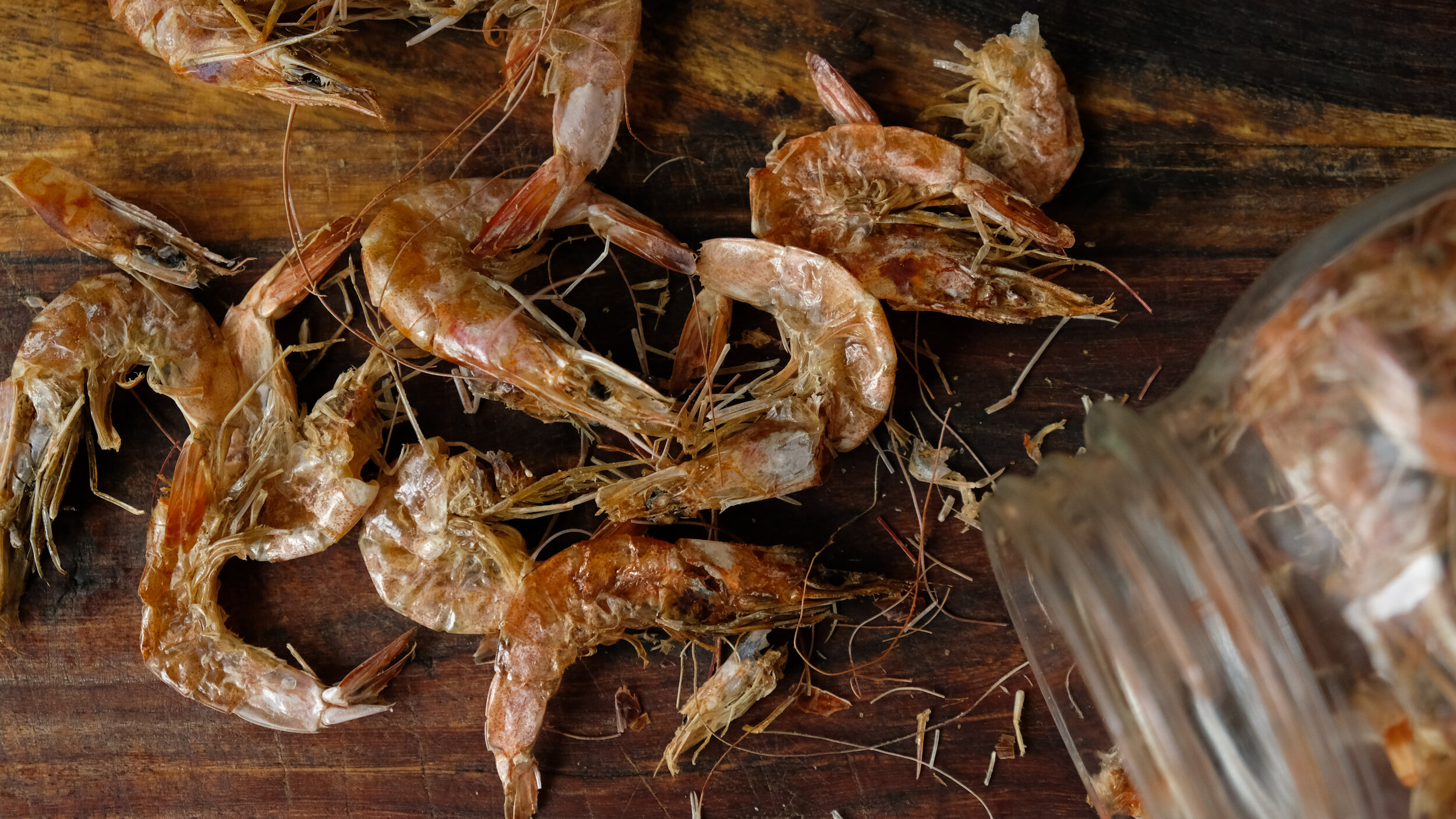
Dissolve the salt into the water and refrigerate until cold. Add the shrimp and allow to brine overnight. Drain the next day and shake off excess water. Spread shrimp out evenly on dehydrator trays and dehydrate at 145F for 2 hours, then decrease temperature to 120-125 for 8+ hours. You can’t really over dry them- they are done when they snap in half easily. Allow to cool to room temperature and store in an airtight container or refrigerate.
The shrimp we used are a little bigger than the dried ones we usually buy. For most of our recipes we’ll pulse them in a blender or food processor to break them up into smaller pieces.

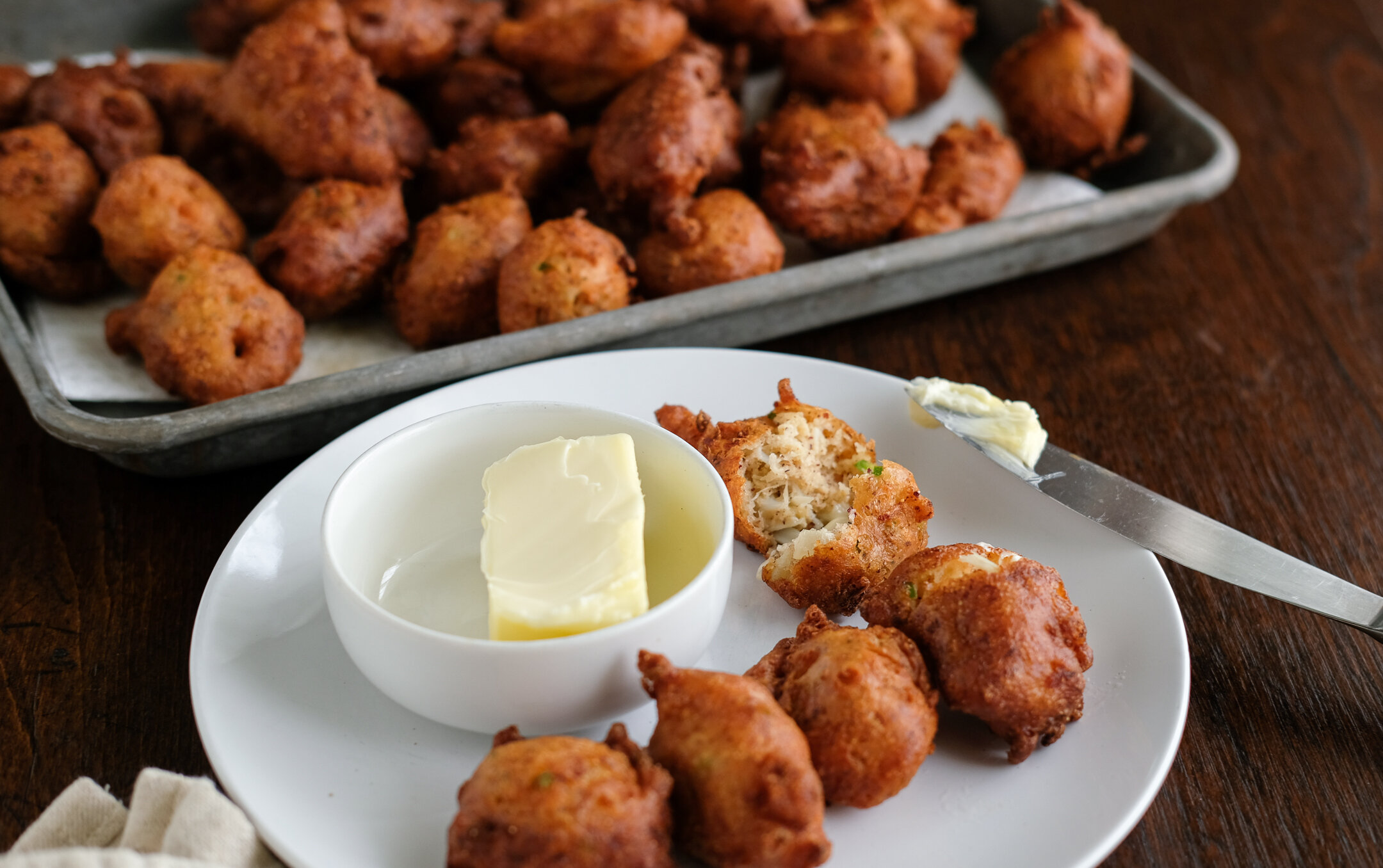
Bluefish cakes are a perfectly tasty way to preserve some bluefish in a near-fresh quality.
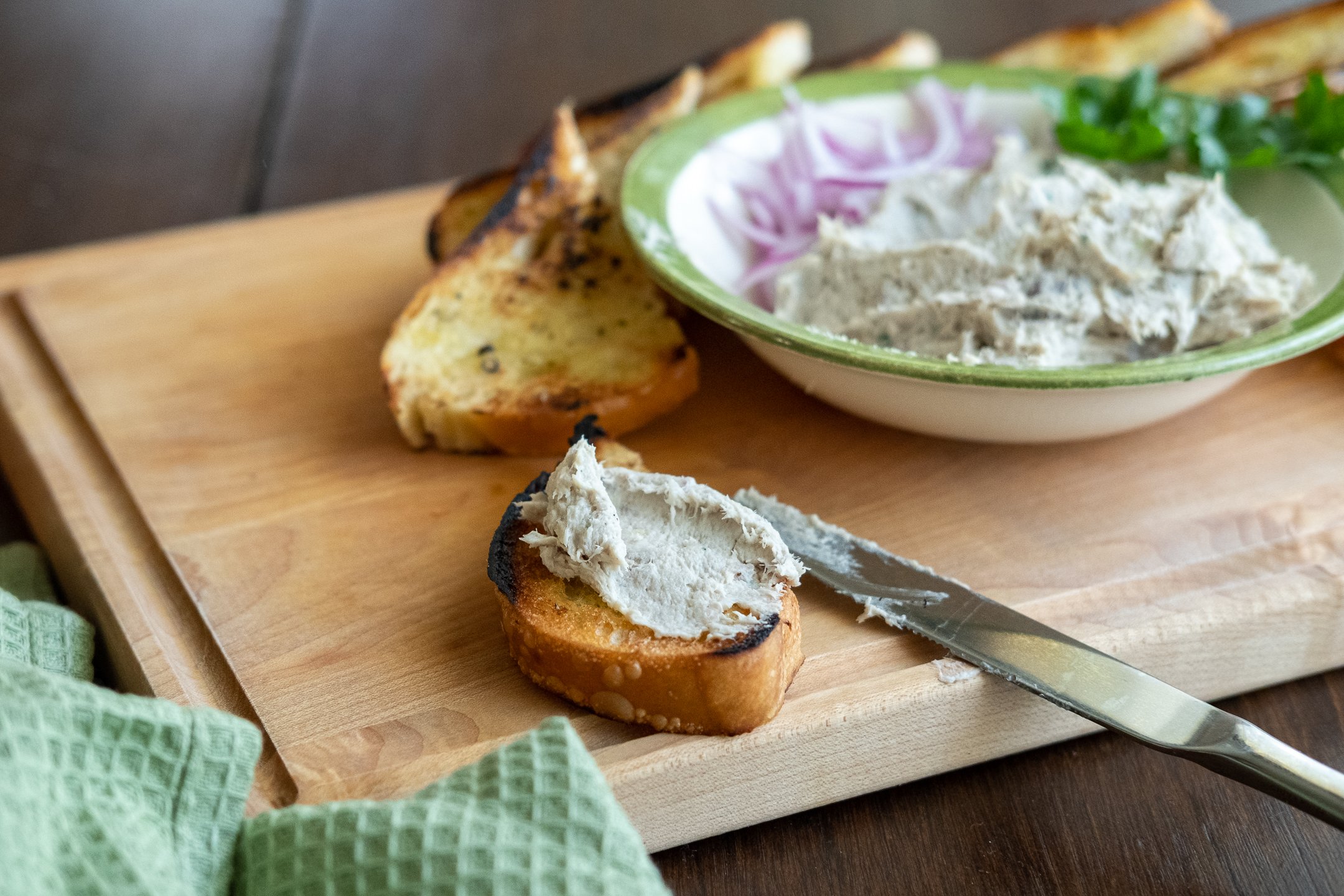
Got more bluefish than you know what to do with? This classic preparation is what you’re looking for.

Crispy wok-fried Chesapeake Bay soft shells coated in a sticky, spicy, gingery sauce are a perfect storm of hyper-regional ingredients and imported techniques. This is what food is all about: blending cultures, time and places.

These wraps are great finger food, perfect for summer cookouts or a dinner on the patio overlooking the garden.

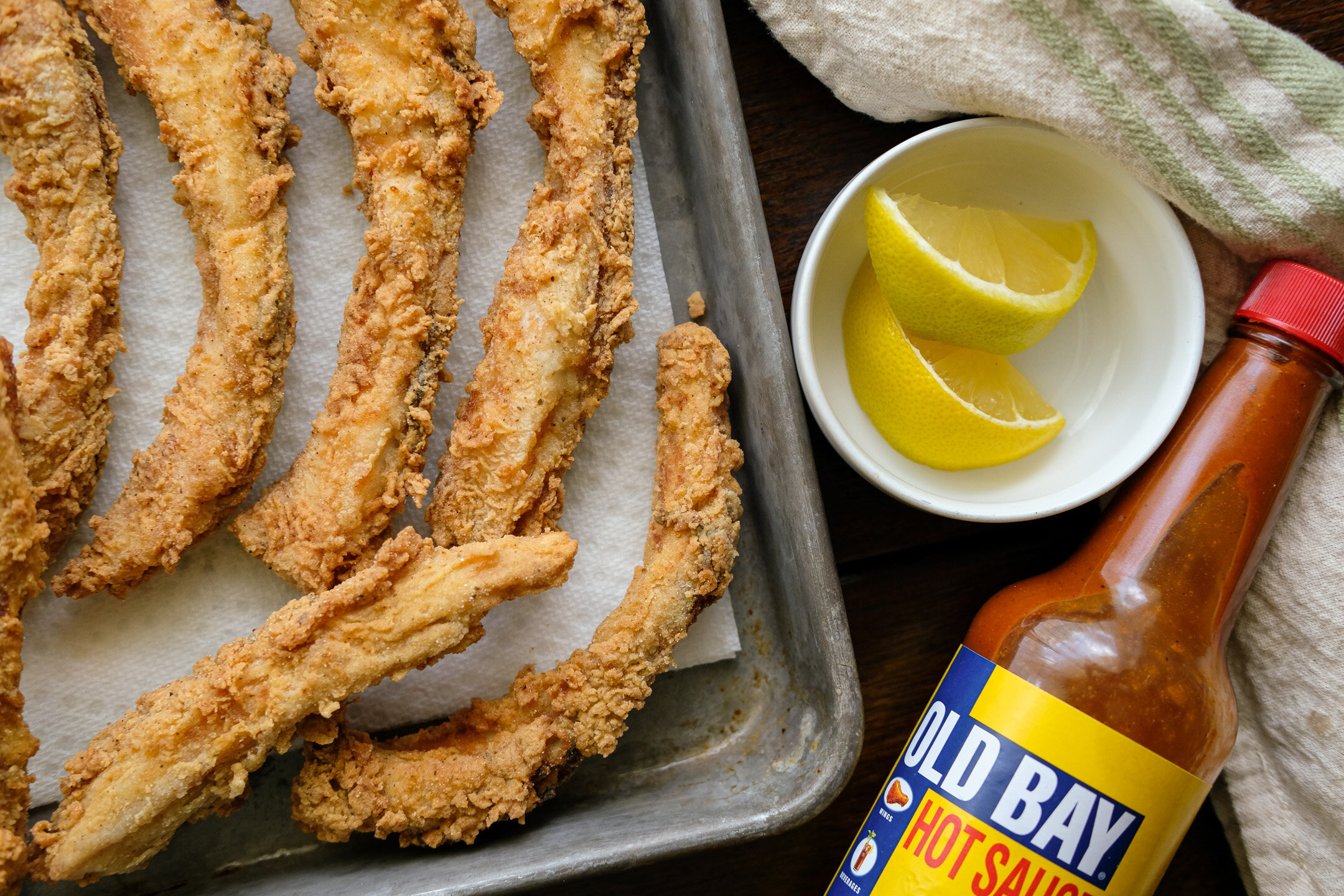
If you’re from the camp that thinks the only good thing to do with bluefish or mackerel is smoking it and making dip, this might change your mind.
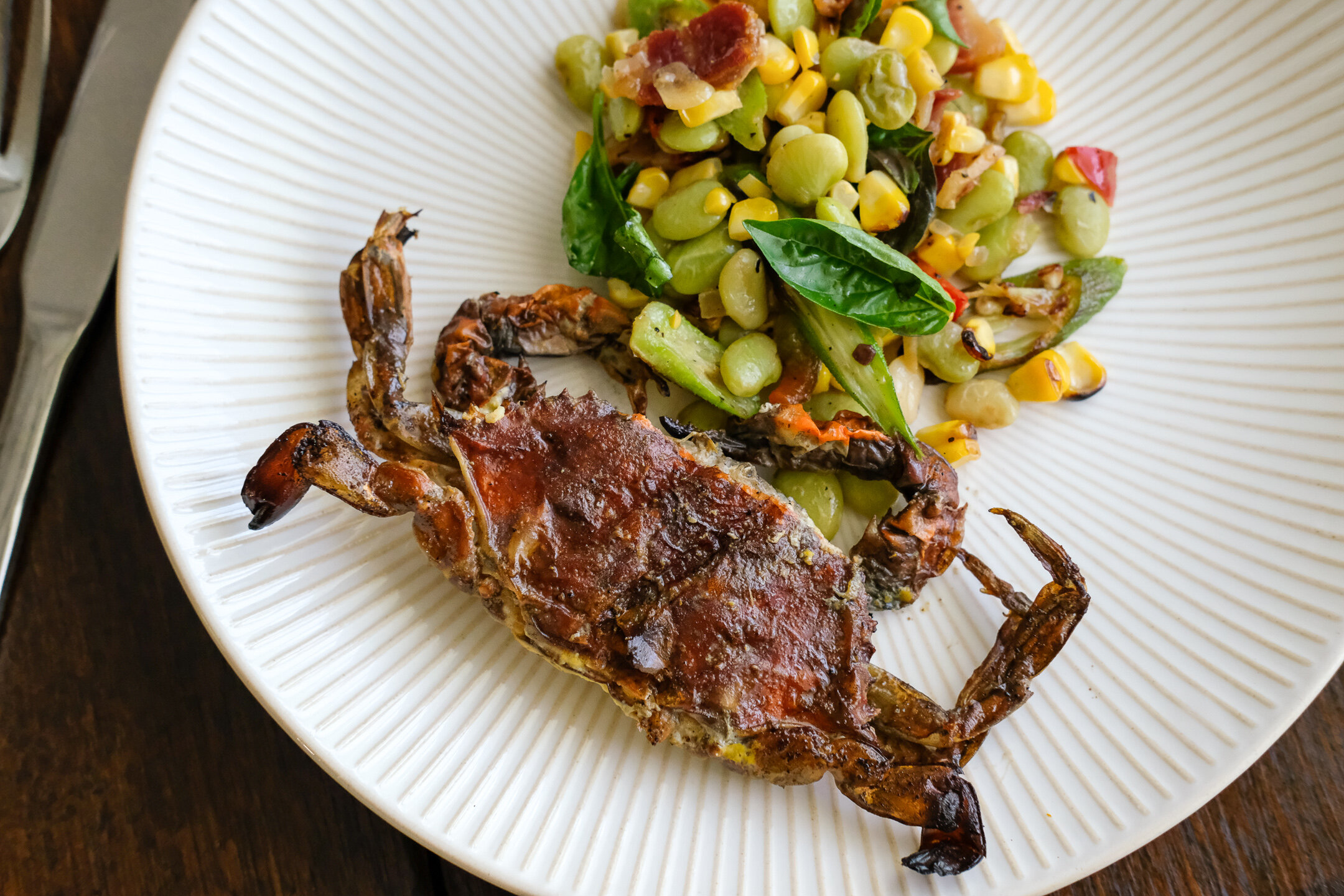
The method for grilling softshell crabs is simple: high heat to get the shells crispy, seasoning & some fat. You can use any fat you want, but the butter added a bit of welcome richness, I highly recommend it. As for seasoning, salt and pepper if you want to keep it minimalist. Old Bay if you know what's up.
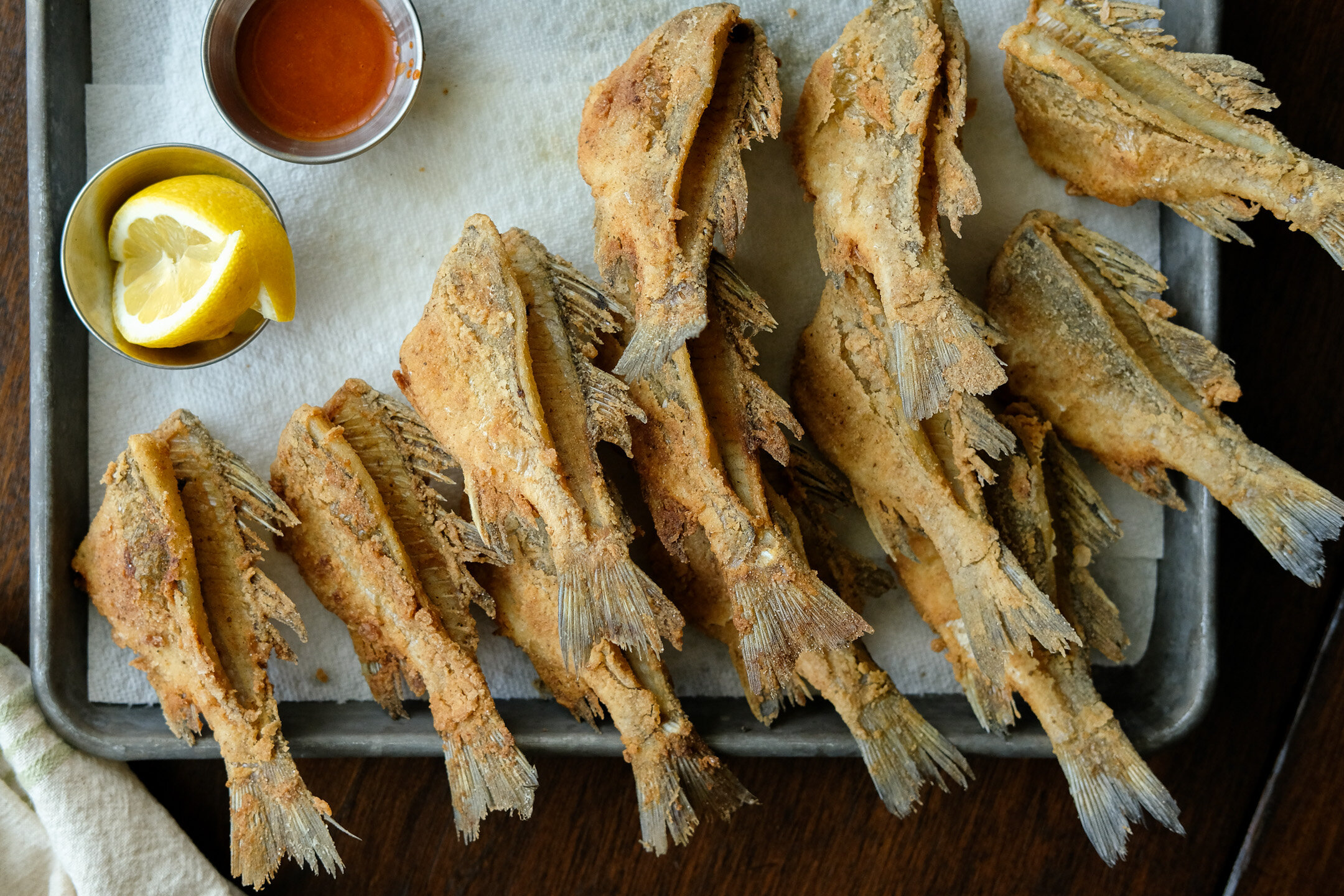
White perch are a lot of fun to fish for and some of the best table fare there is. They're abundant and aggressive, and once you find them, you can pile them up.
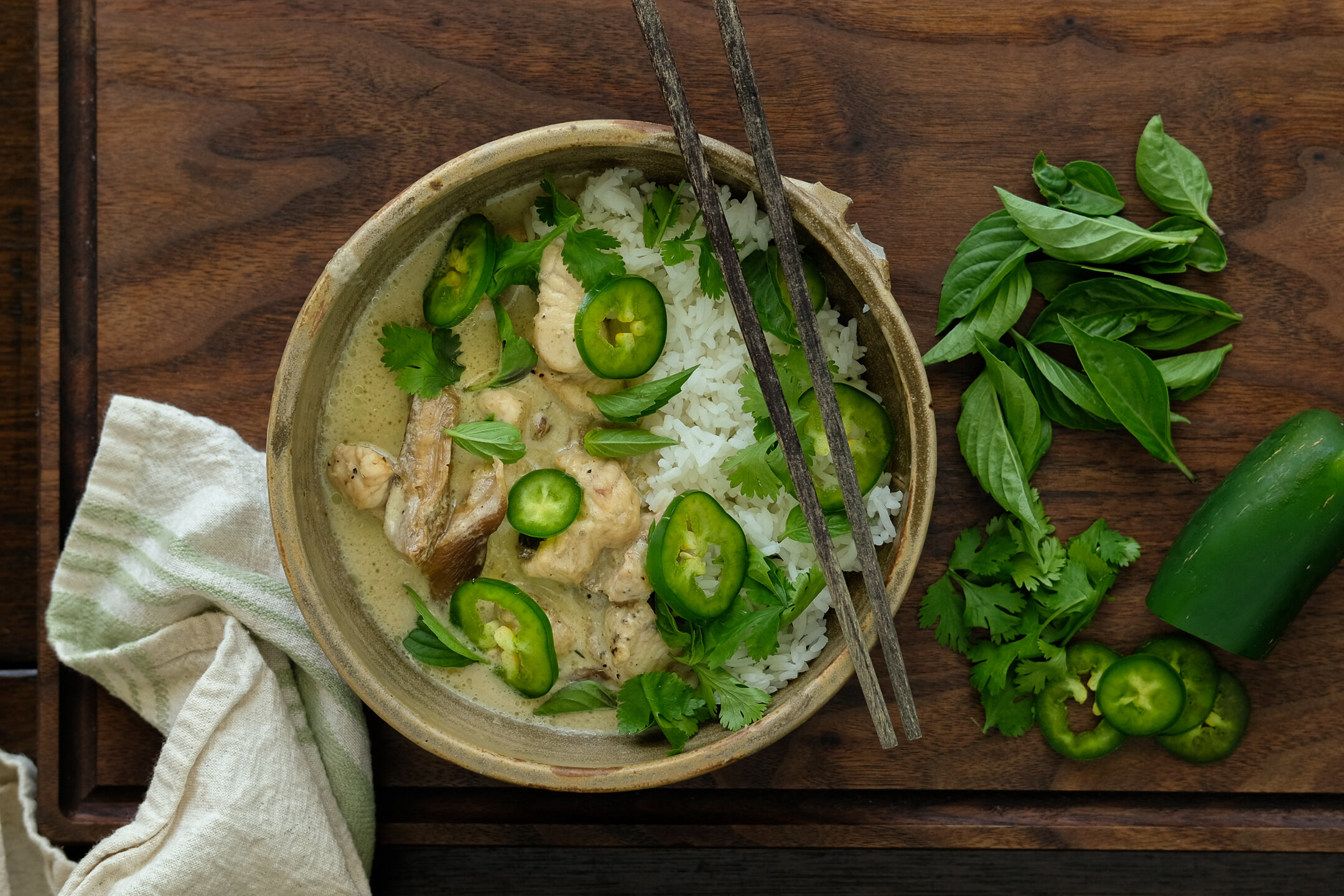
This green curry recipe has become a recurring dish after long and hot days on the water. It’s spicy, creamy without being too heavy, and refreshing yet comforting.

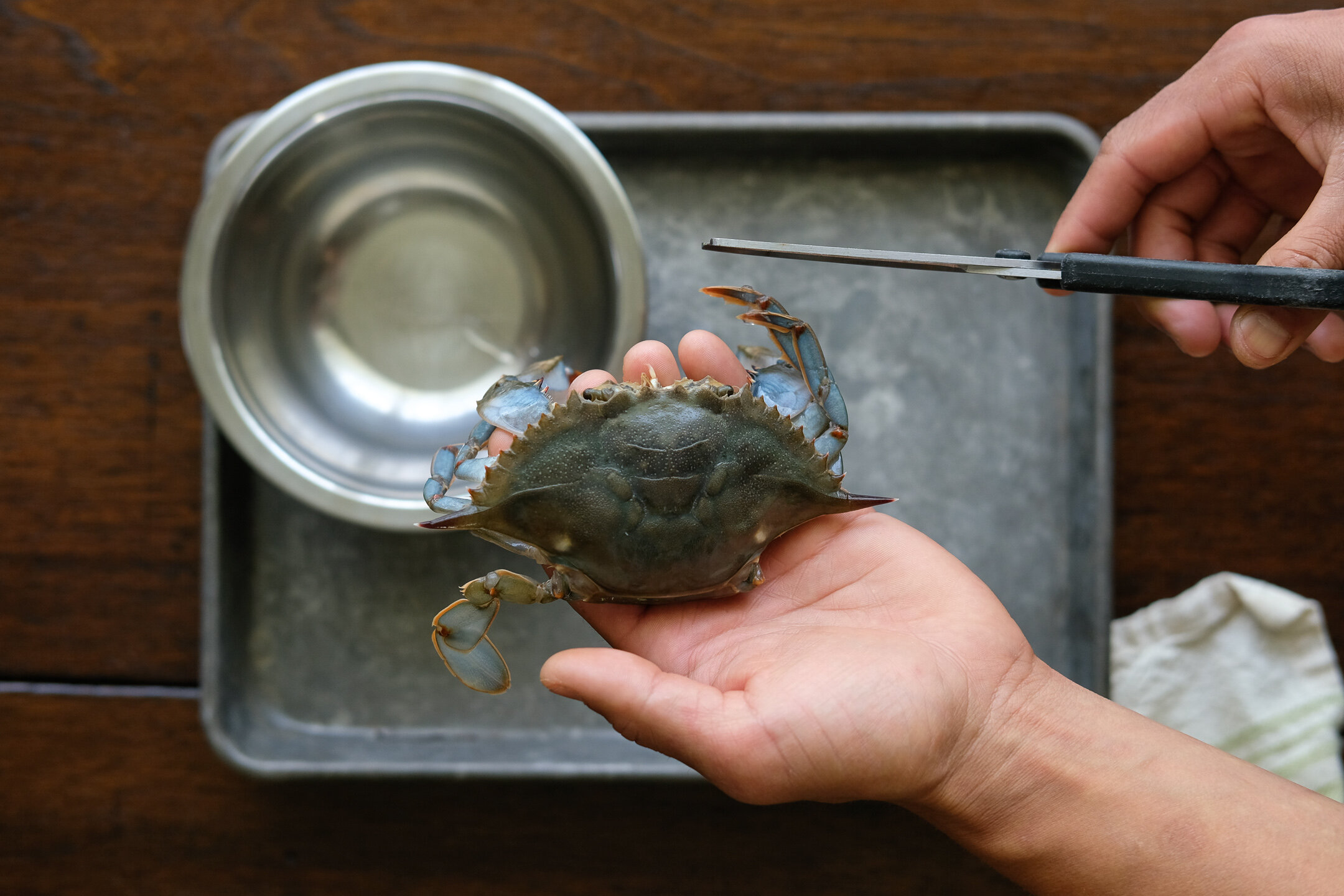
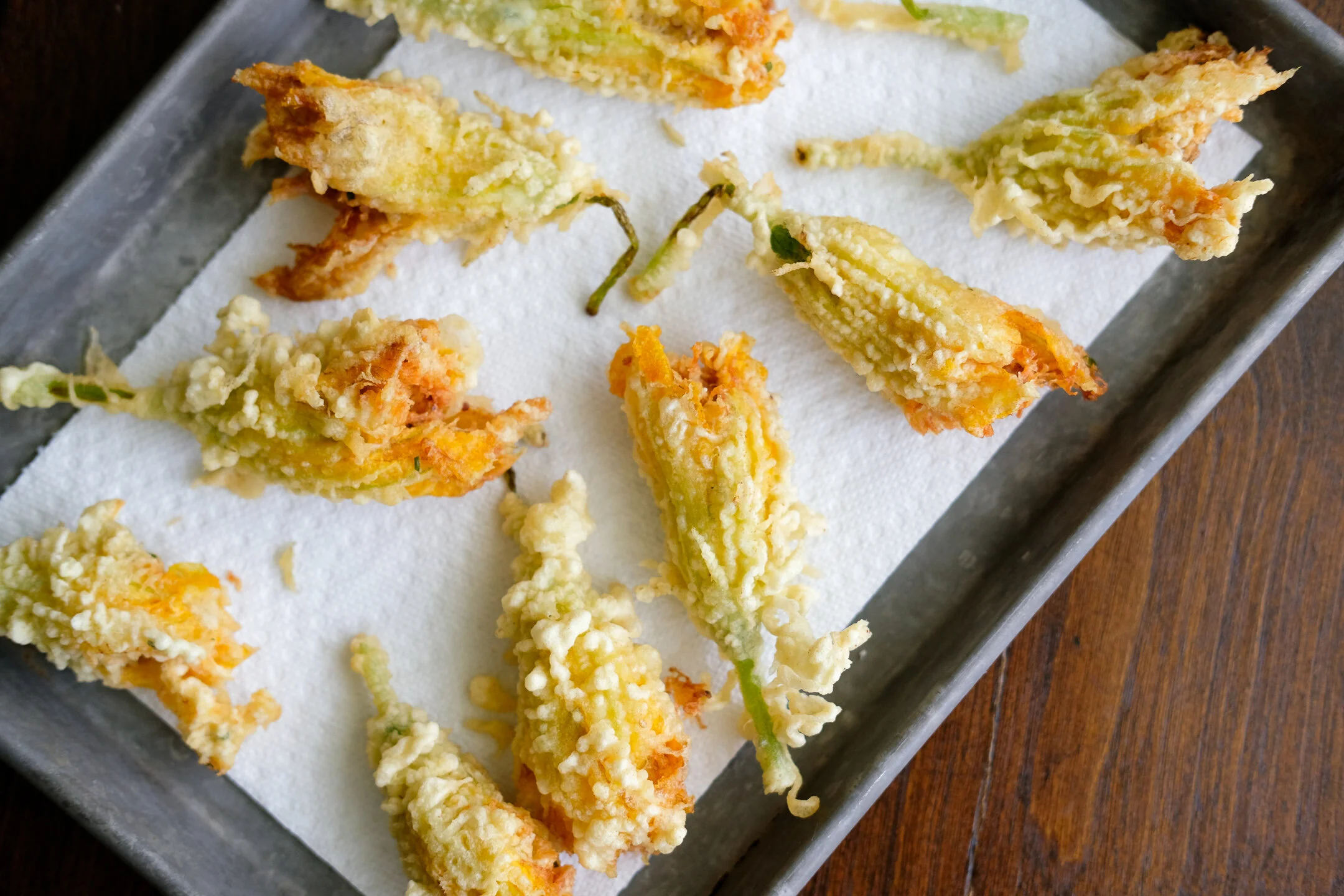
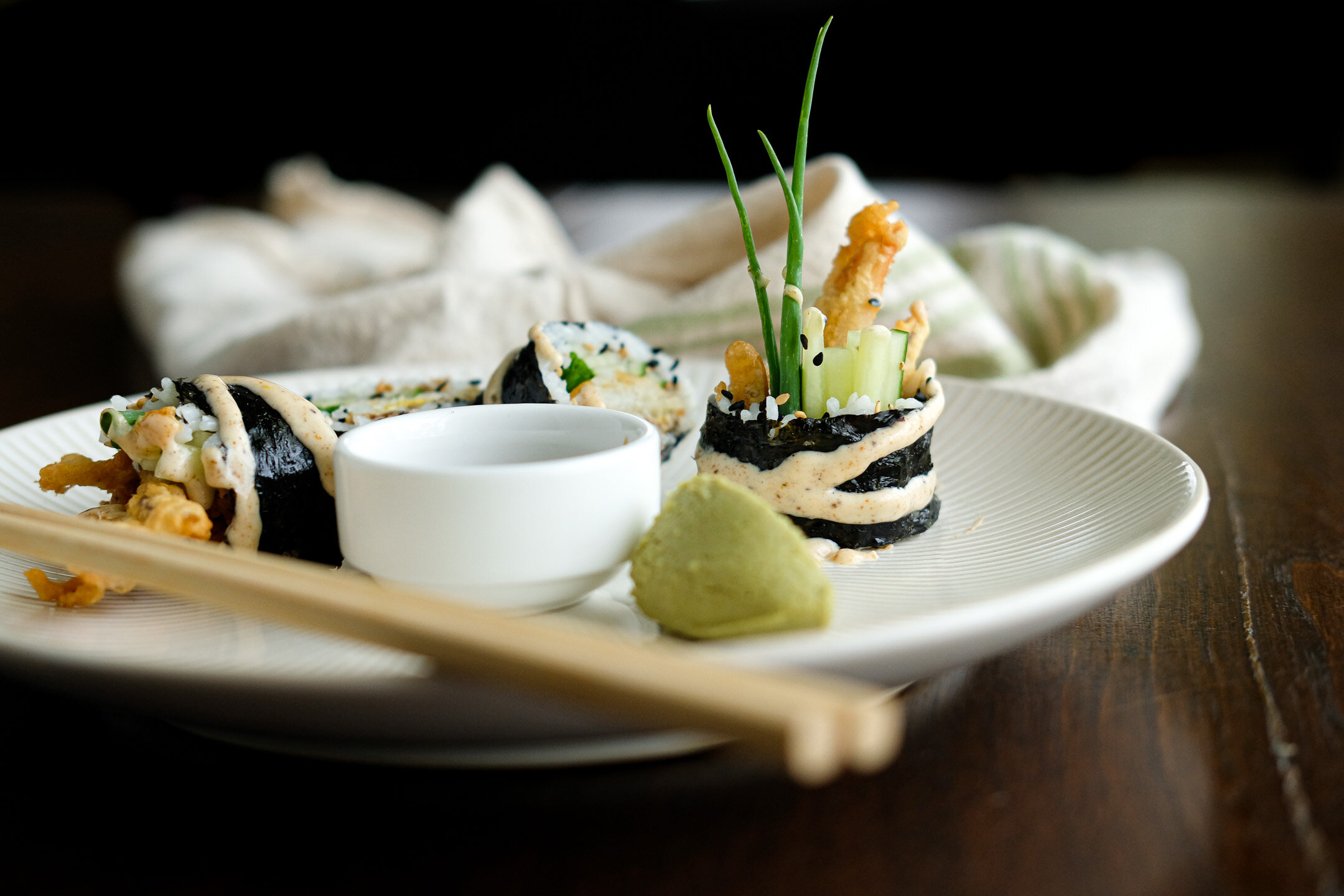
Tempura fried and rolled with cucumber, avocado, and old bay mayo, these soft shell crab rolls were light, with a filling crunch, and the most satisfying thing I’ve eaten this June.

Soft shell crabs might be nature’s most perfect food. Fried up, with a slice of ripe tomato and crispy bacon, it’s the essence of summertime on the Chesapeake.
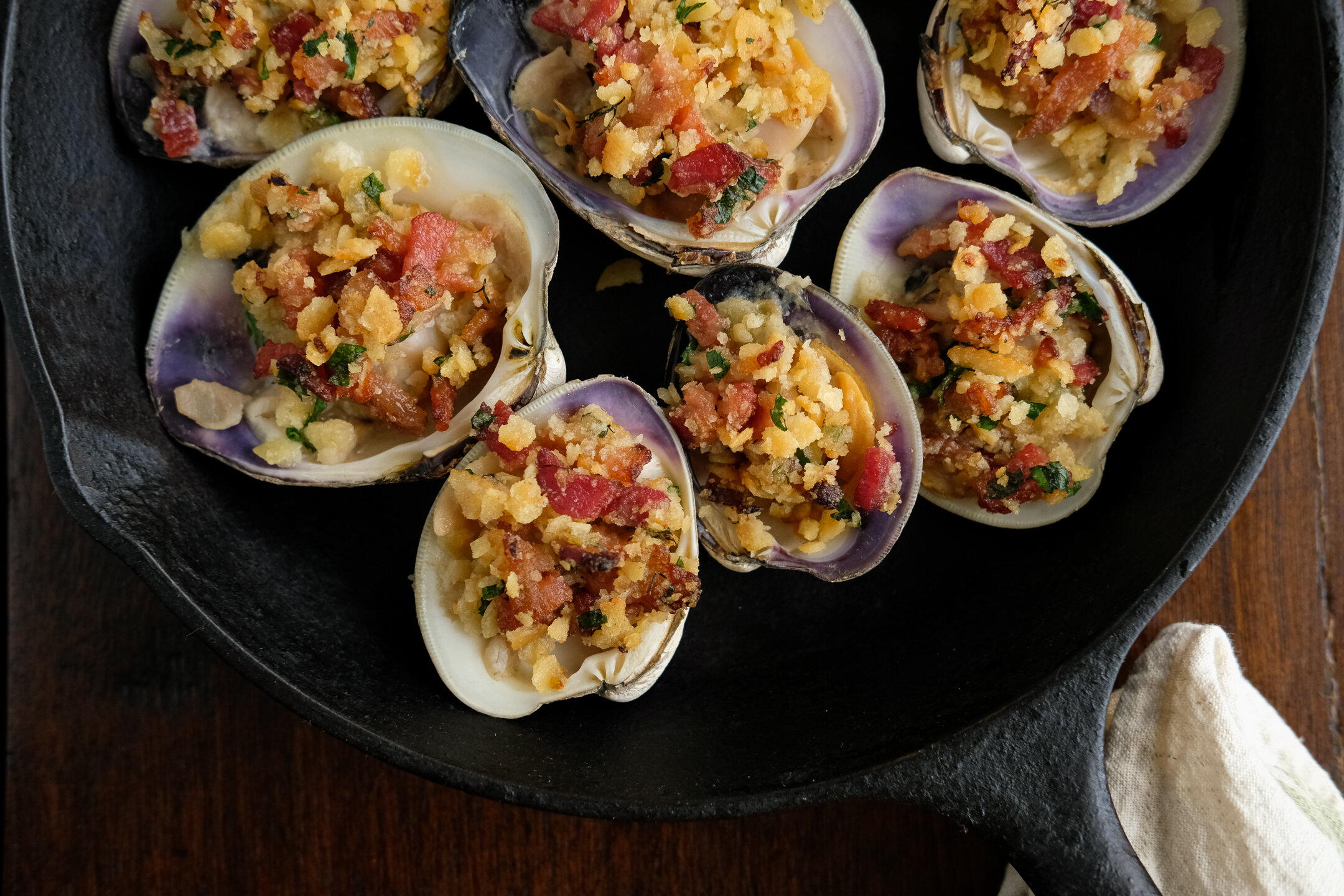

This recipe riffs on the classic clams oreganata, but with the twist of country-style Virginia ham.
Somewhere between anchovies and parmesan- salty and full of umami, but with a distinct oceany flavor. Use them in everything.
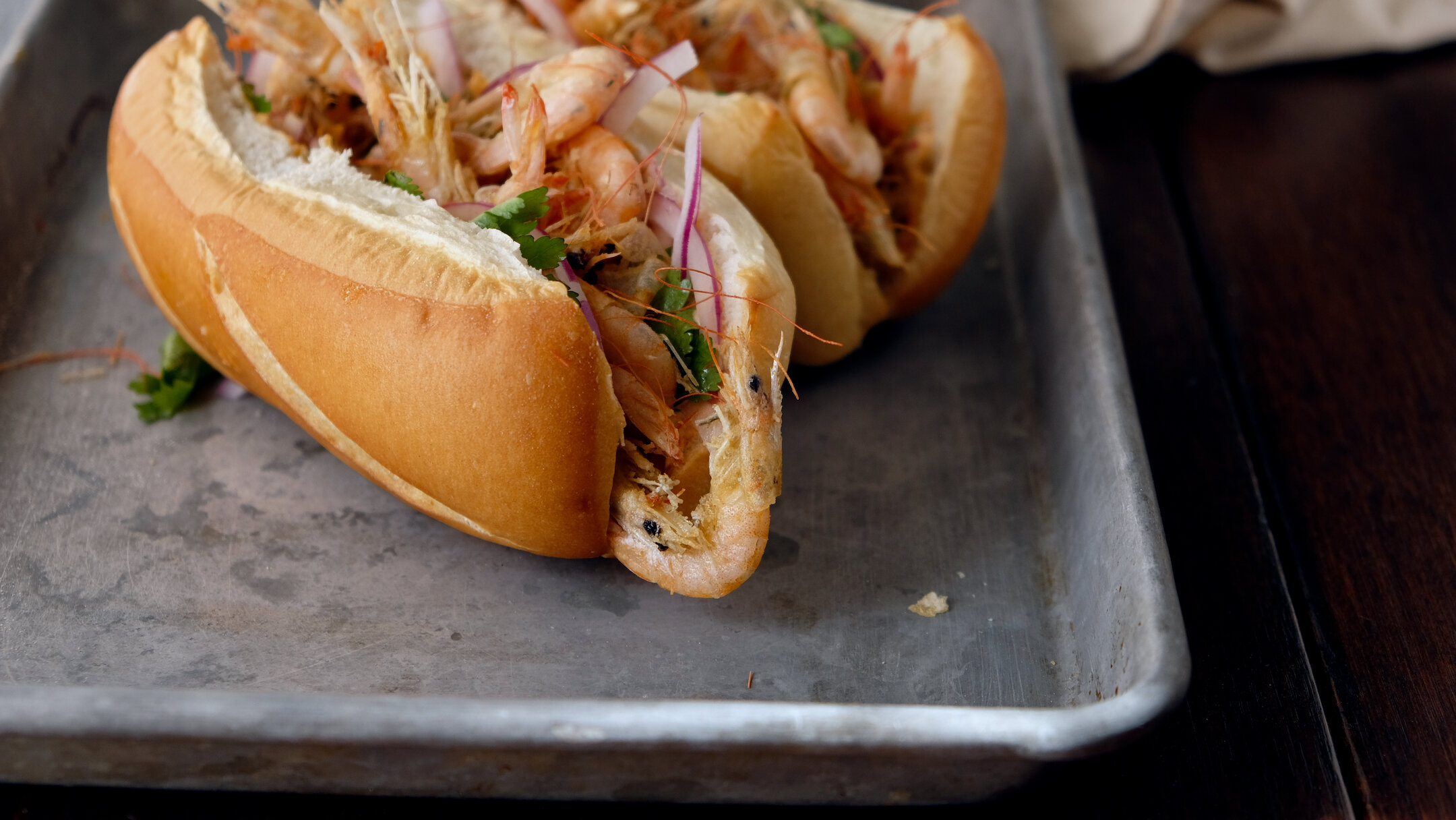
If you’ve never eaten shell-on shrimp, it's kind of like a softshell blue crab. And if you haven't had softshell crab, well, you're missing out.
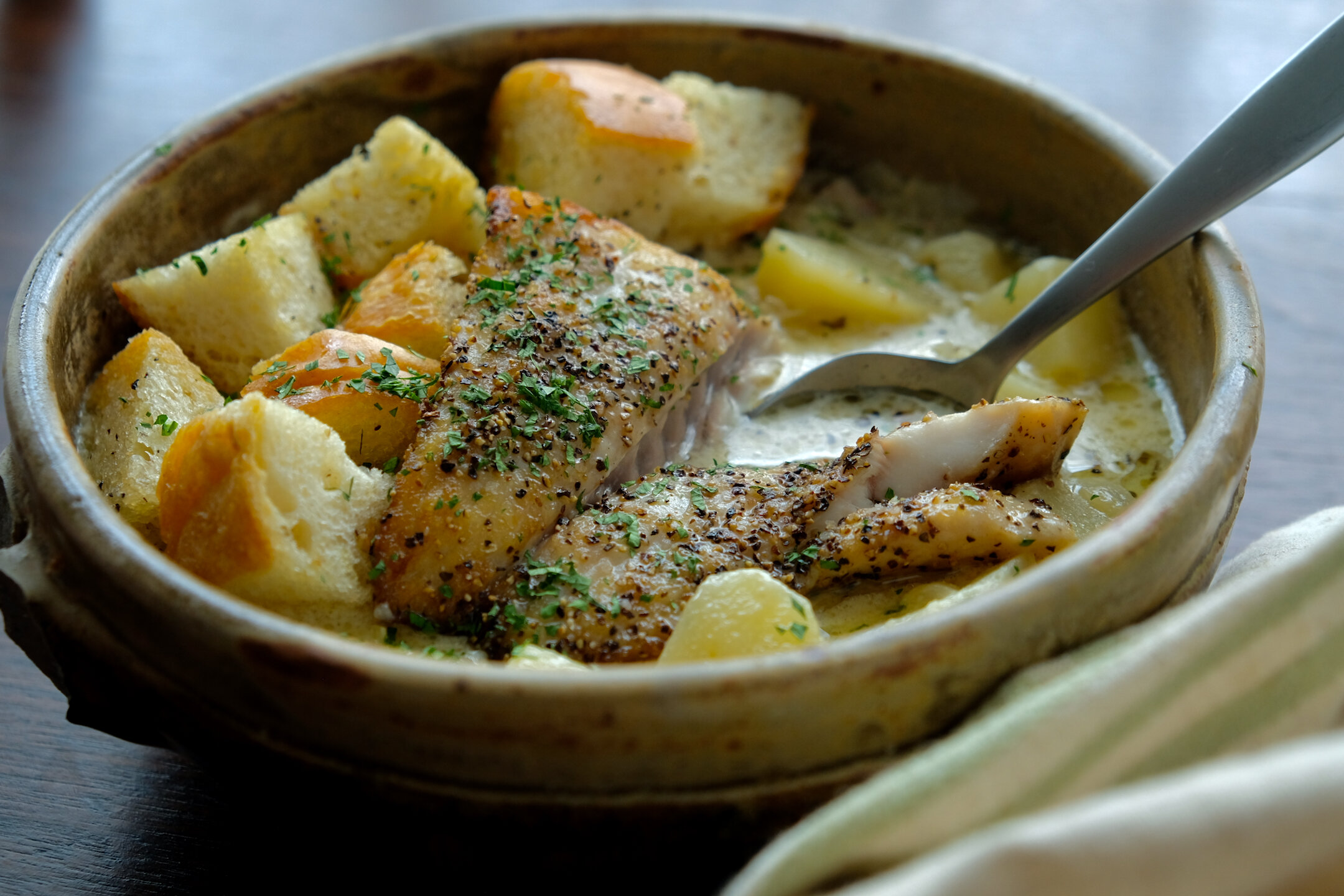
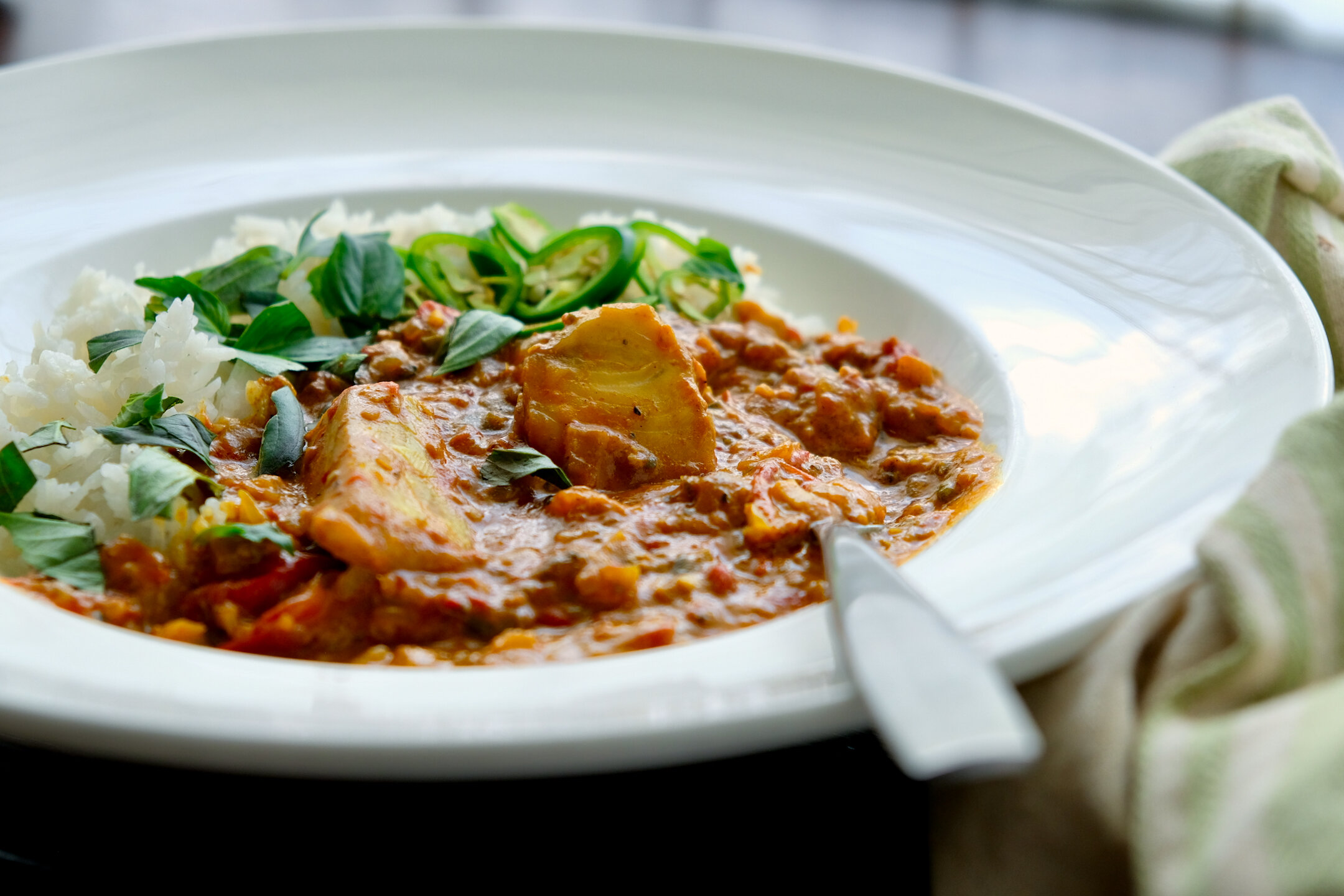
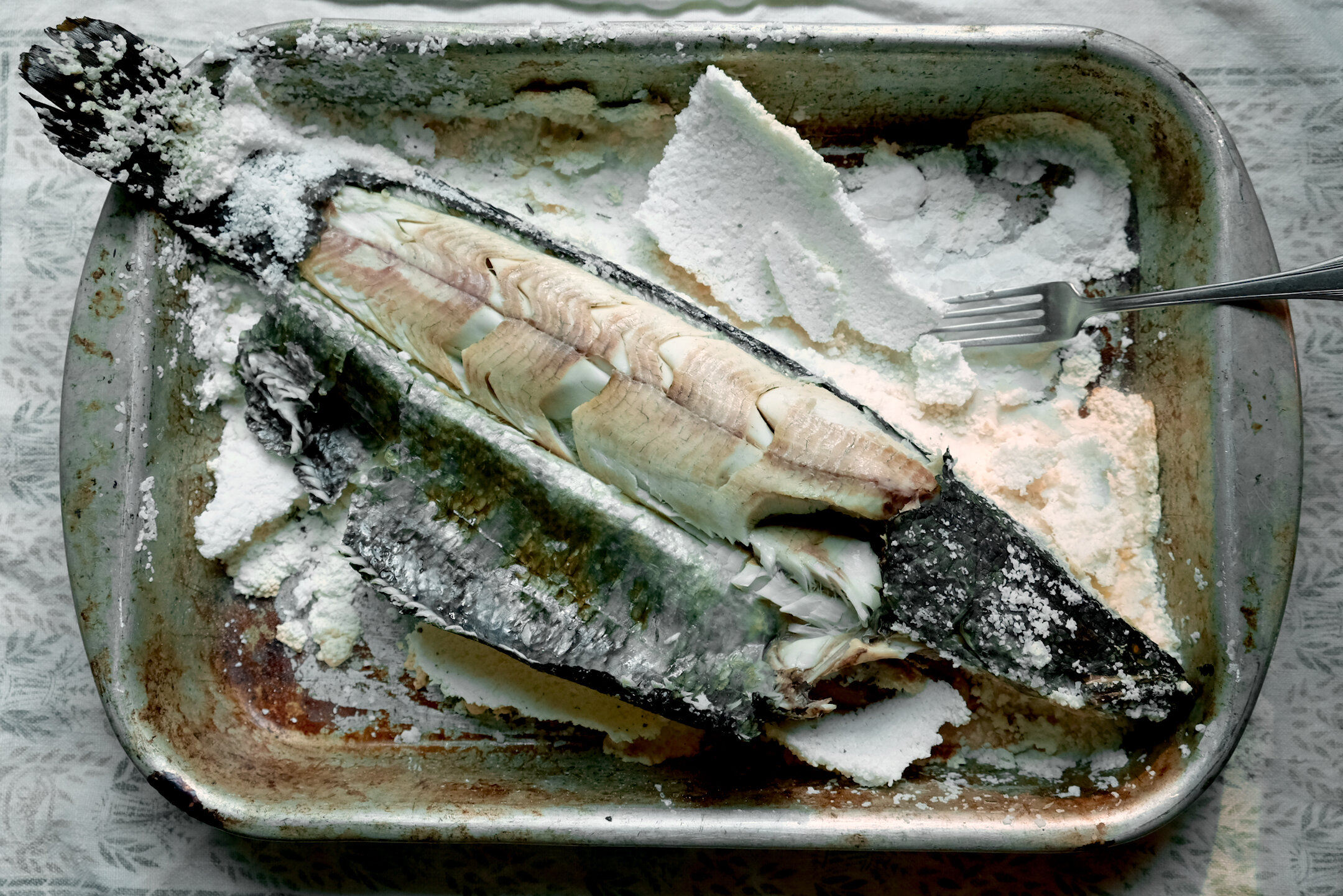
The fact that salt crusted fish comes out more evenly cooked and with better moisture retention is almost second to the drama of the presentation.
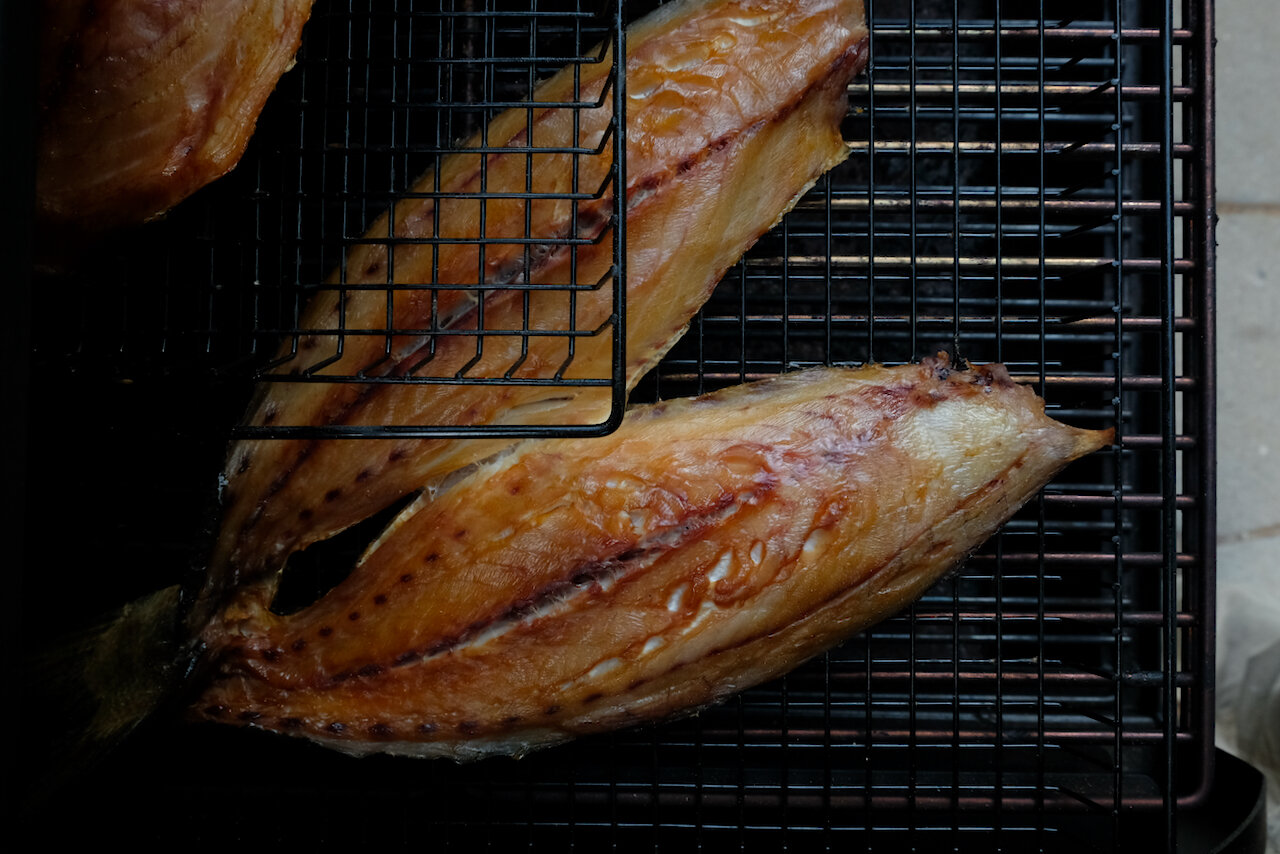
For all the bluefish you can’t eat fresh- a great addition to dips, flaked into hash and omelets, and anywhere else a salty and smoky touch of flavor is needed.
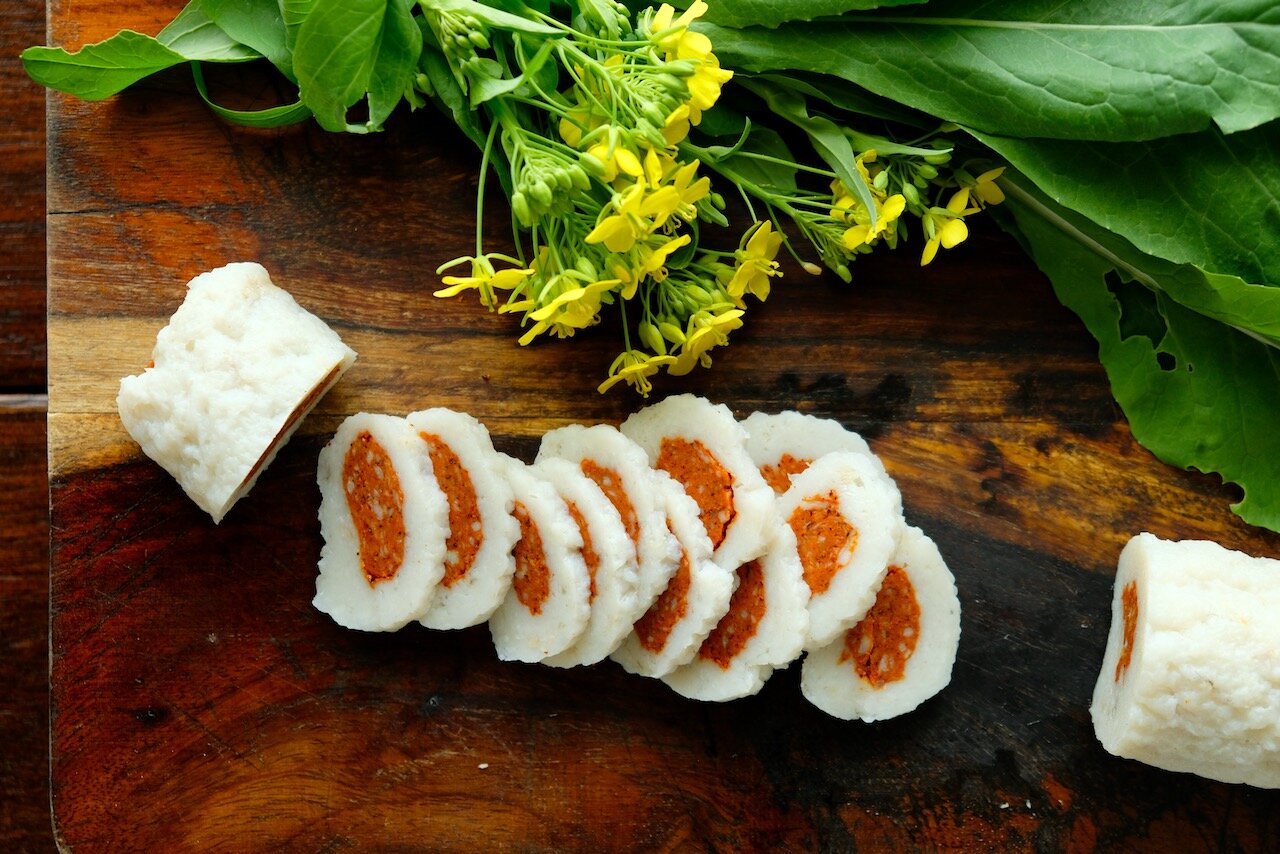
Kamaboko- you might not have heard of it, but I guarantee you’ve tried it. These are as good, if not better, than the kamaboko you can buy in asian grocery stores.
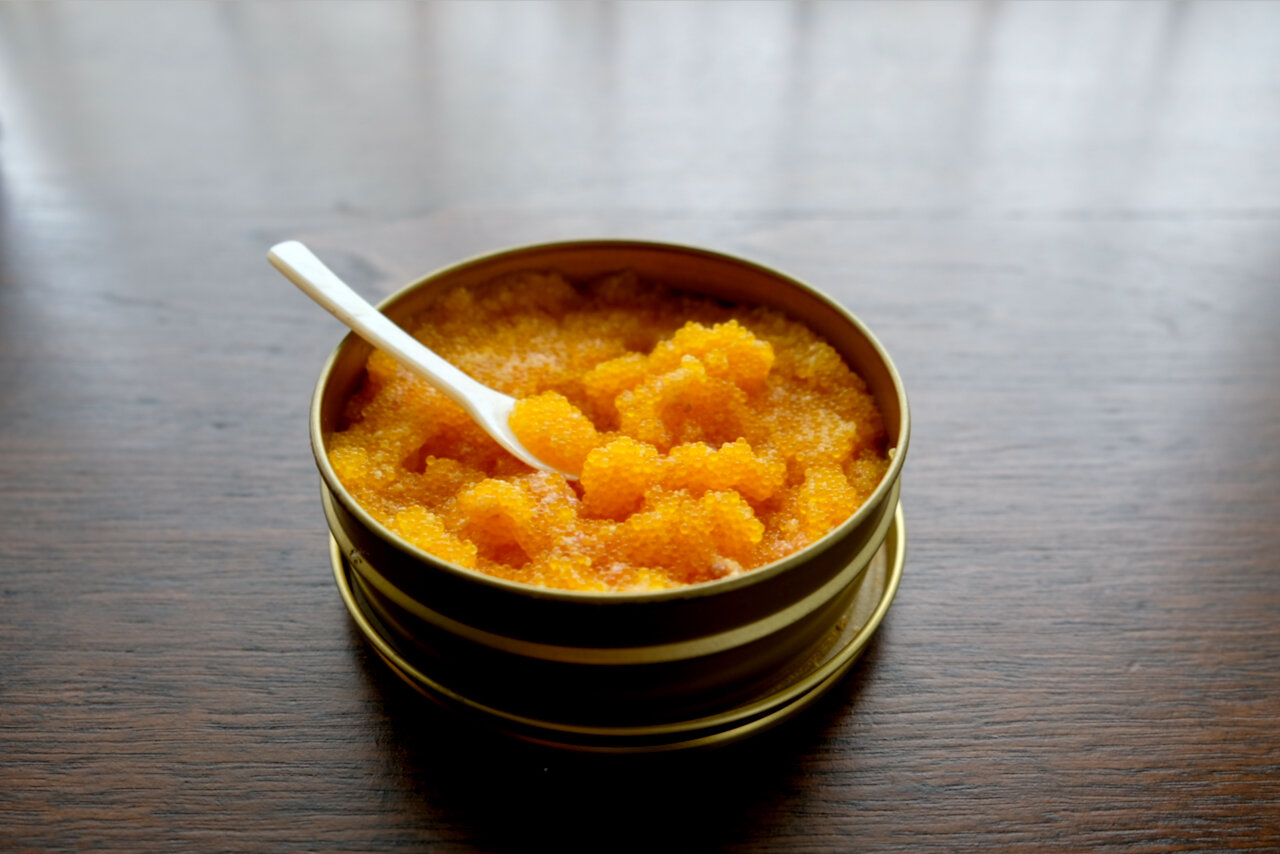
The fine texture, color and richness of snakehead roe is exceptional. Flavor-wise, it is mildly briny and not fishy at all, with an eggy richness that you only find in good fish roe.
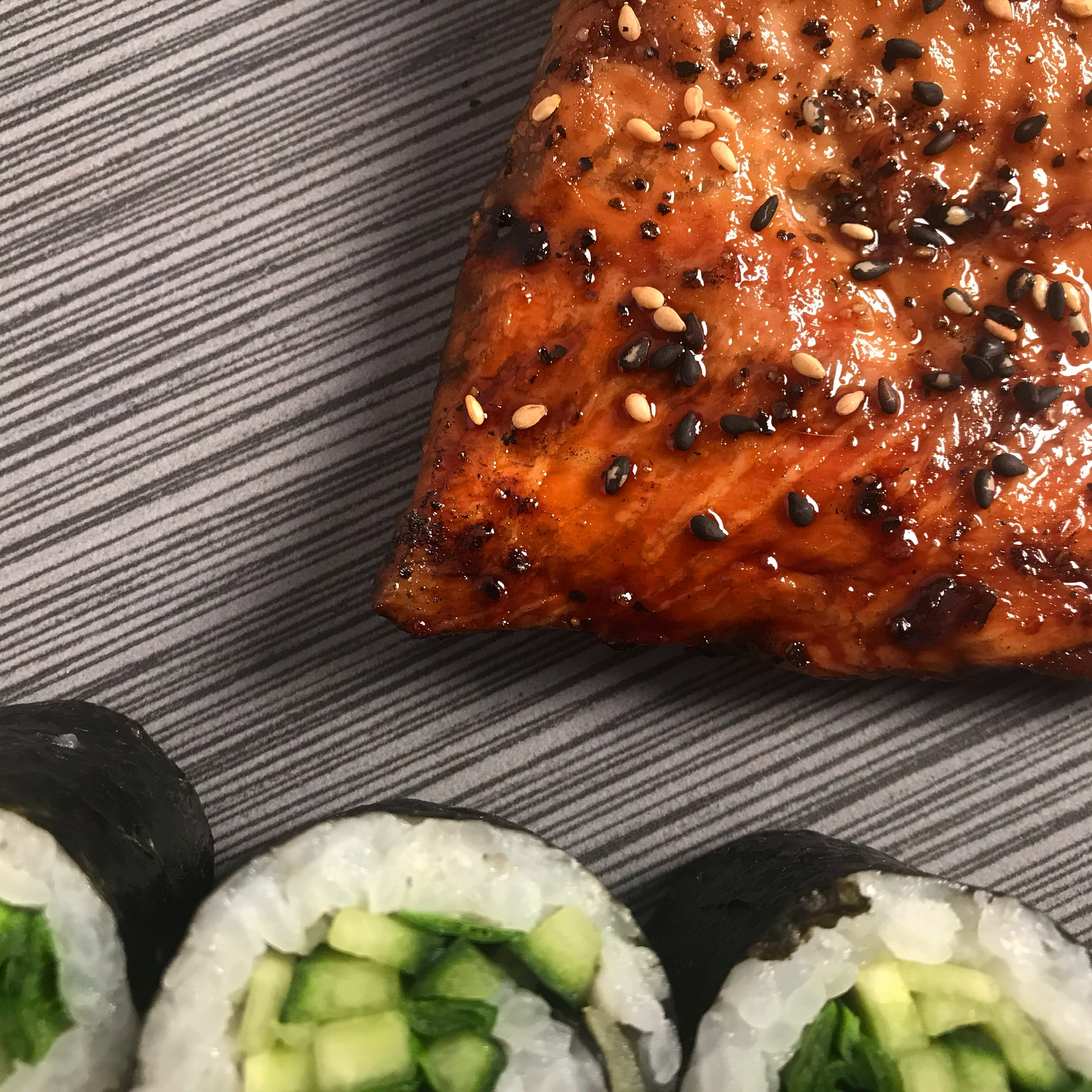
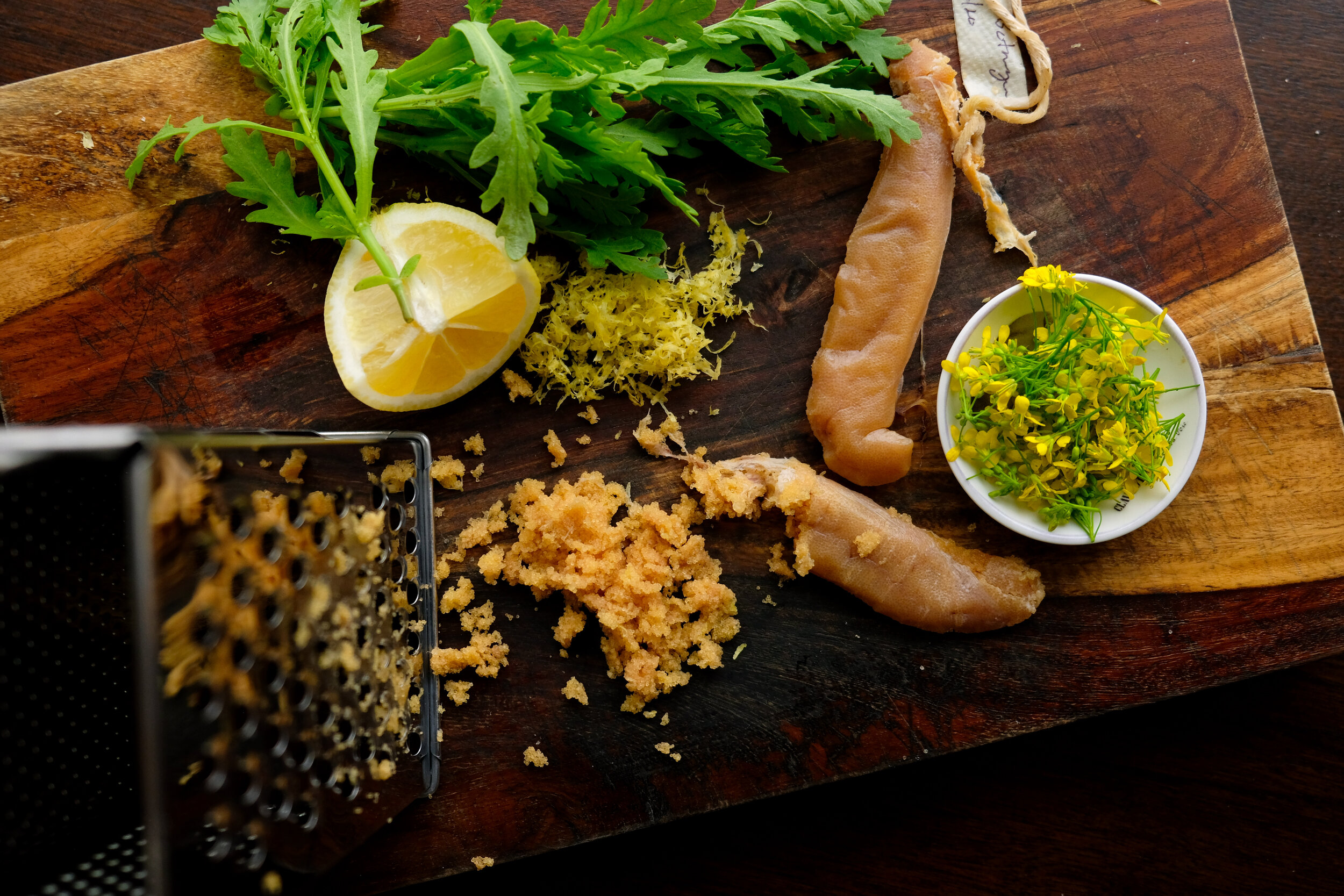
Bottarga, essentially, is a salt cured roe sac. The result is something similar to parmesan cheese, but with an eggy-briny flavor.
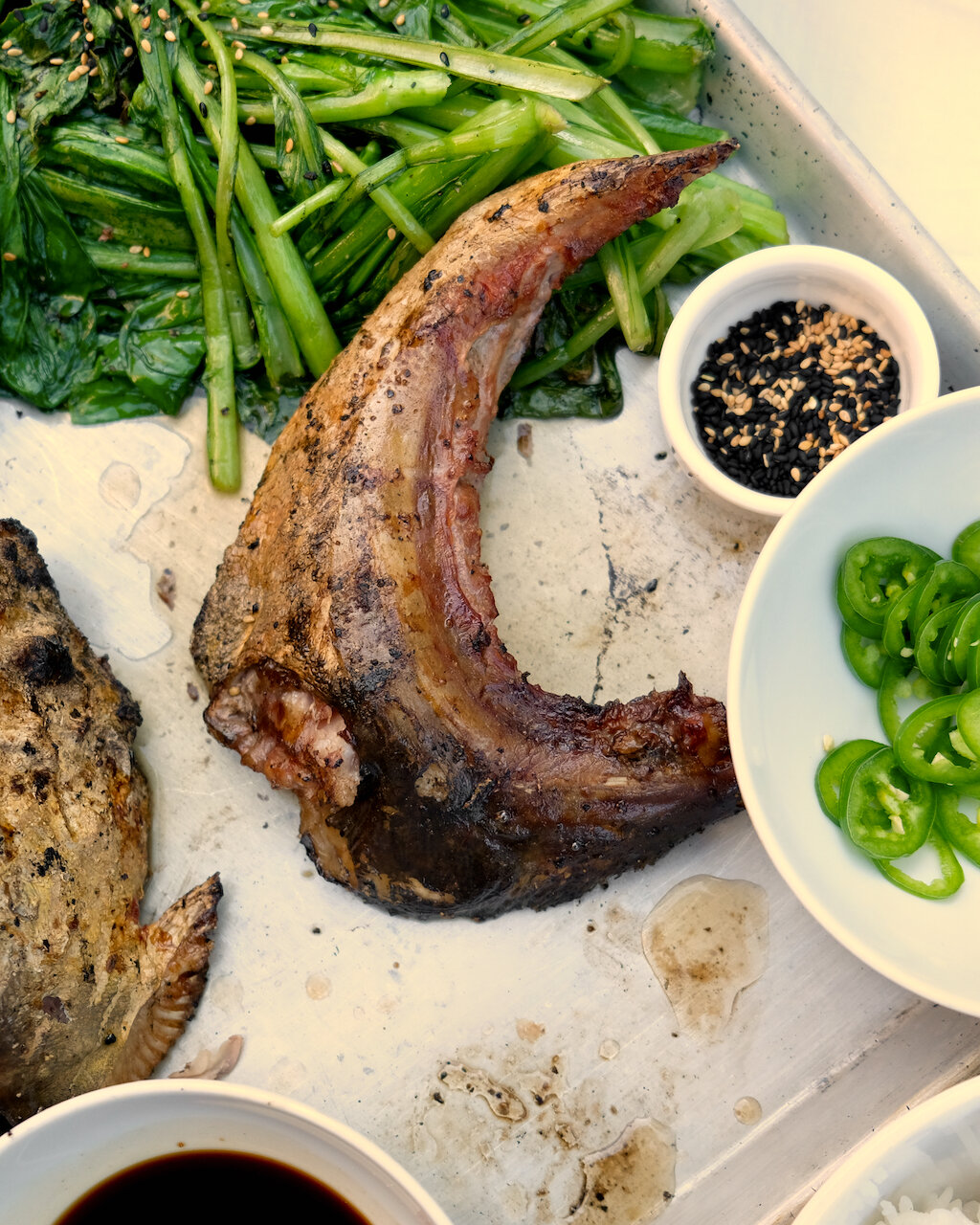
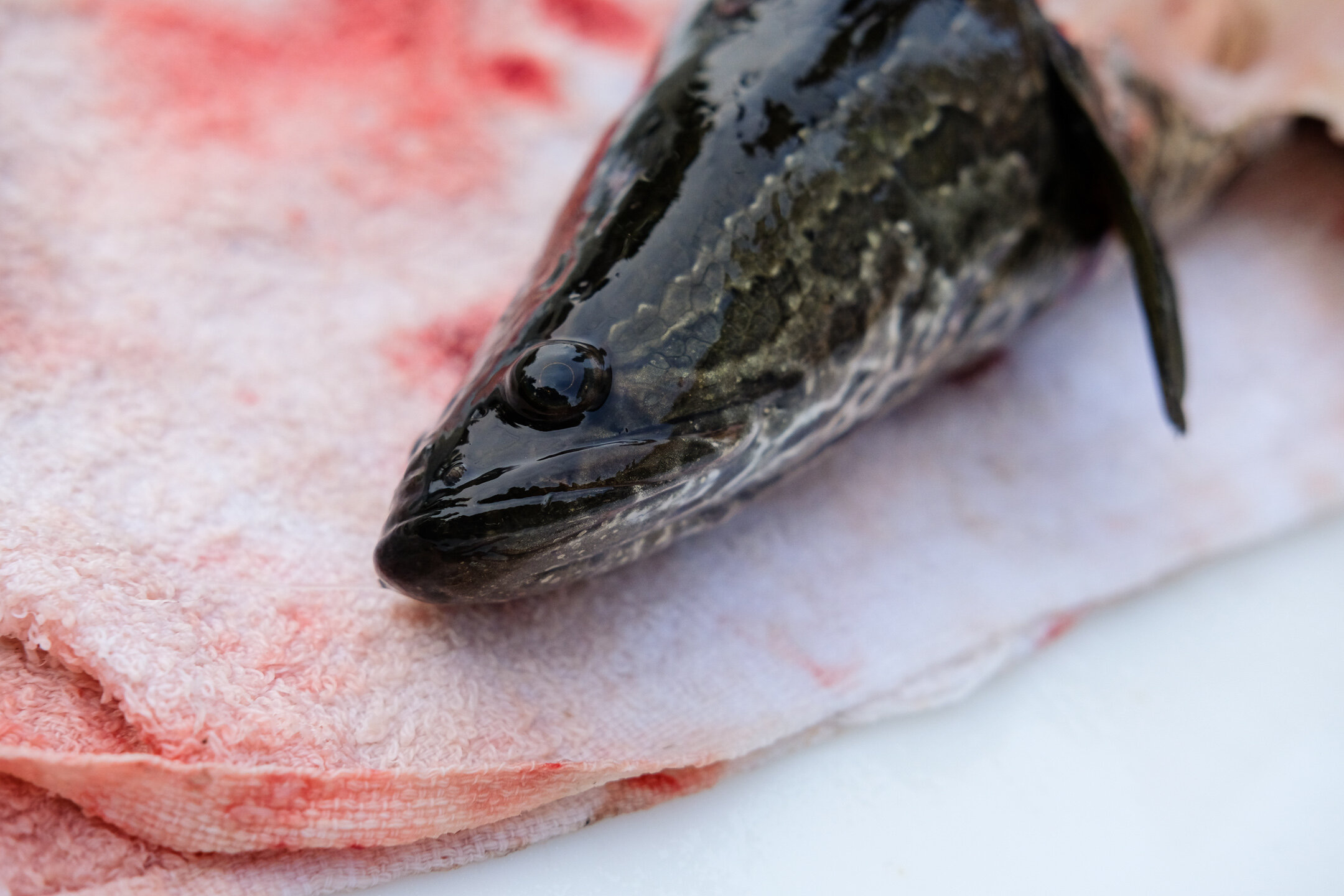
Handling and preparing the tastiest ‘trash fish’ in the bay