
Bottarga
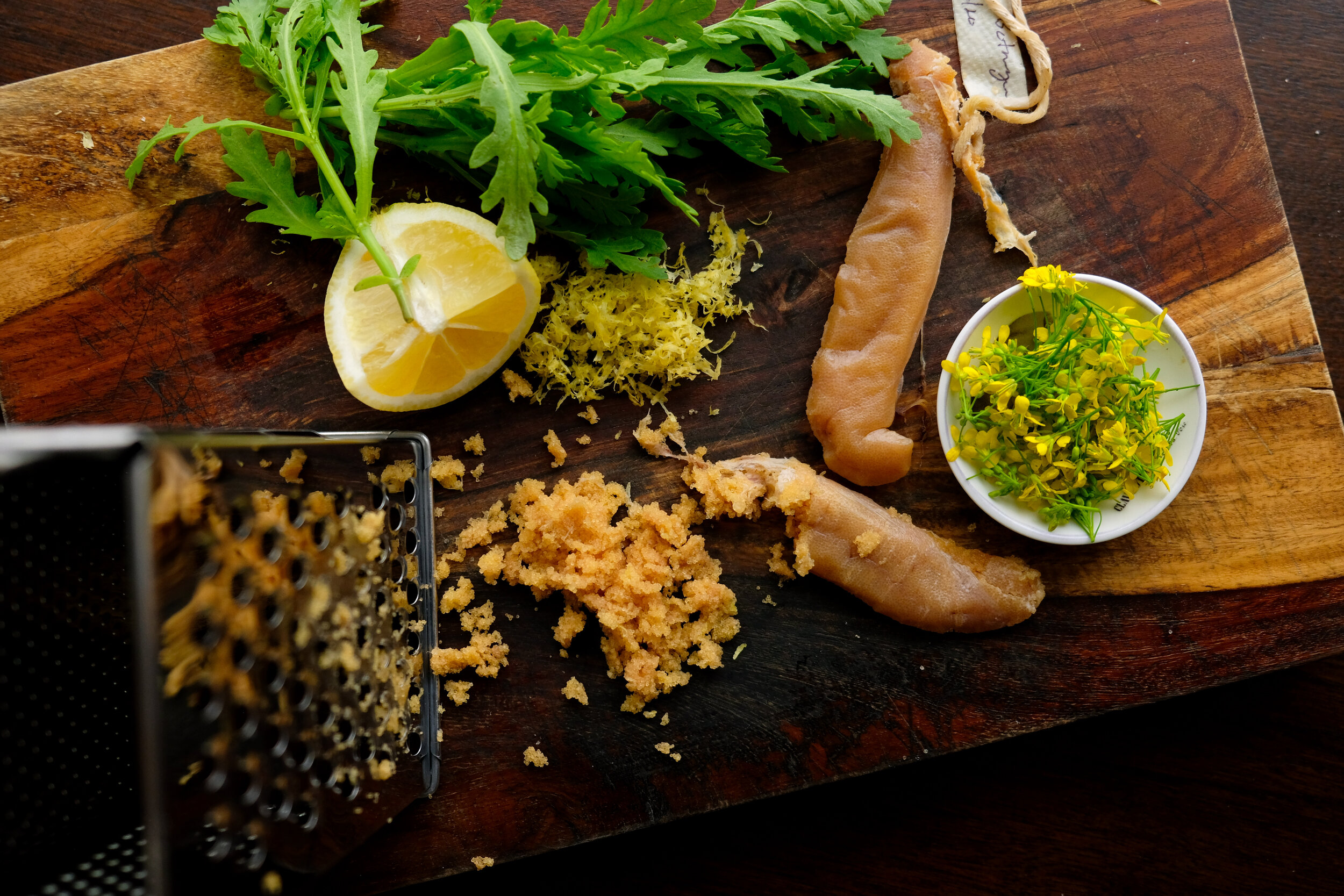
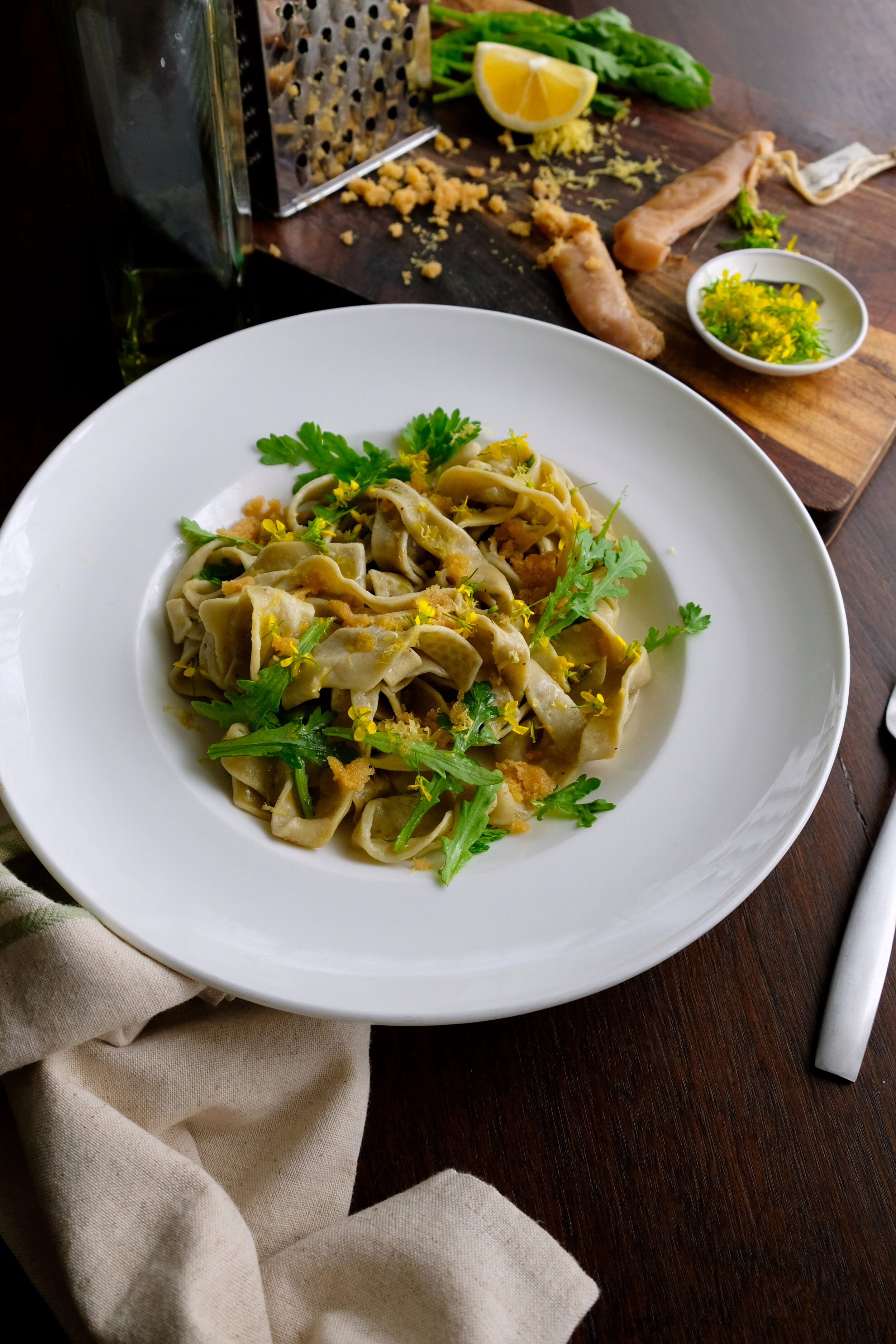
Bottarga, essentially, is a salt cured roe sac. The roe is salted heavily, which draws out the moisture, and then it is hung to age for a period of time. The result is something similar to parmesan cheese, but with an eggy-briny flavor. It's a perfect compliment to light pasta dishes with herbs and citrus.
We made this bottarga with shad roe, but we have also made it with cobia and snakehead. Generally speaking, we like to eat fish roe fresh- either fried, or brined into caviar, but sometimes we have more than we can eat fresh, or the roe doesn't lend itself well to caviar or cooking. Cobia is a good example of that: the roe sac can be huge, 5-6 pounds, and the eggs are tiny, seemingly impossible to separate from the membrane. Transforming the roe sac into a long lasting, umami rich ingredient is a great way to make the most of the animal.
The method is pretty straight forward- salt, more salt, and some hanging time.
Bottarga
Prep time: 30 minutes active, 1 week inactive
Method:
Remove the roe sac from the fish, avoiding tearing or puncturing the delicate membrane.
Rinse in ice cold water to remove blood and any other debris. Pat dry.
In a non-reactive container, put down a 1” layer of salt. Place the roe on the salt, and cover with more salt.
Cover and place in a cool, dark place, like a pantry or cabinet away from heat sources. Do not refrigerate. After a day, remove from salt. Discard any wet salt and repeat the process with fresh salt. Repeat this process until the salt is no longer saturated, 2-3 days for smaller roe, up to a week with larger sacs.
Once the roe sac is mostly dry and the salt is no longer saturated after sitting overnight, use a brush or dry towel and remove salt that is stuck to the roe.
Tie a loop with butcher twine on the sac to facilitate hanging. Rub it with oil and hang for 4+ days in a cure chamber (~52F/70% humidity). You can also hang it in your refrigerator, but the results are not quite as good and will vary depending on the temperature and humidity of your fridge. Check the bottarga often as it is hanging. It’ll take around a week, give or take, depending on the size of the roe you use and how humid the environment you’re hanging it in is. You don't want it to dry too much and become overly crumbly. It's done when it feels dense but not entirely dry. It should have some give to it like a semi-firm cheese.
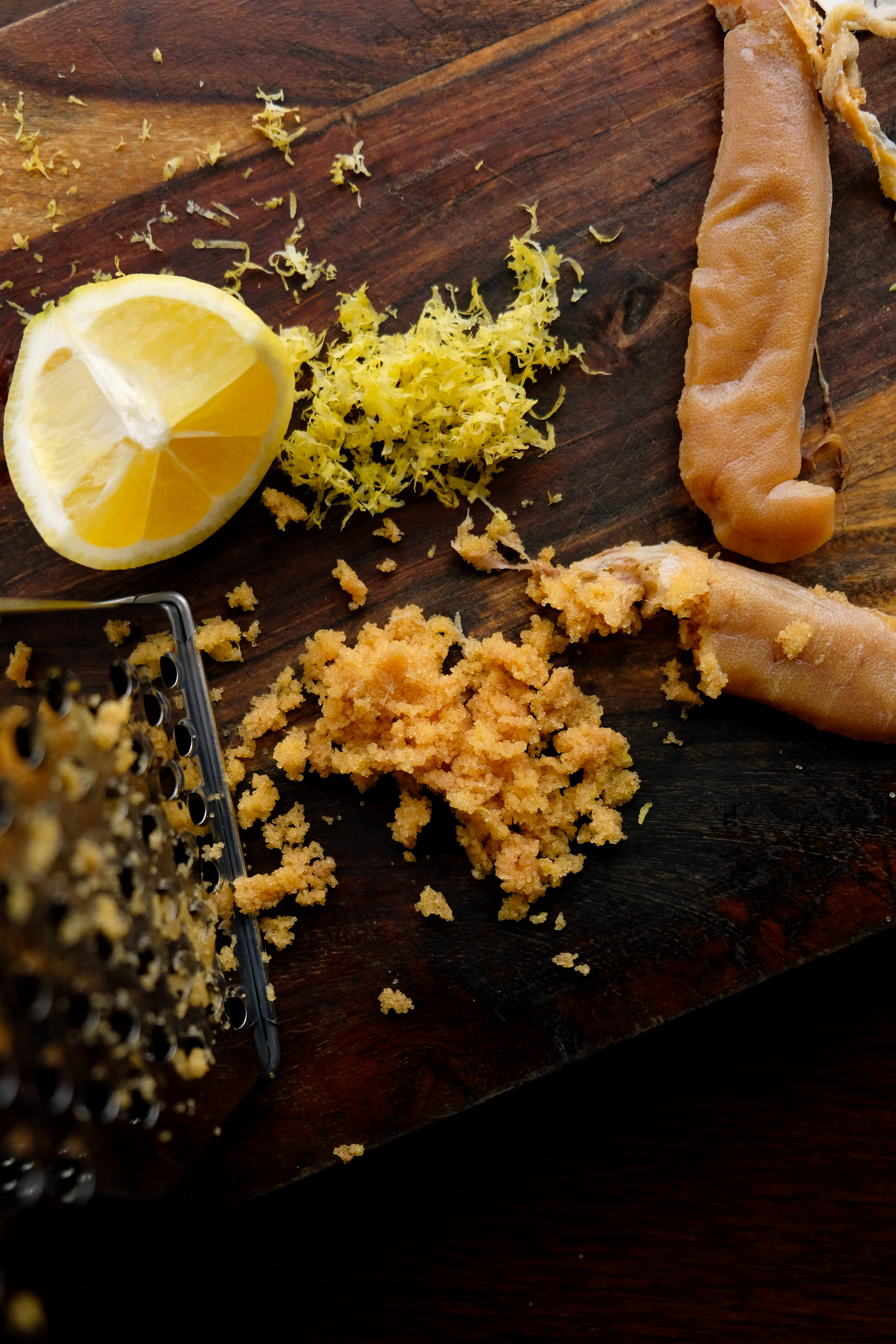
Store wrapped in refrigerator or seal and freeze for long term storage. To use, slice, grate, or zest like you would parmesan cheese.

Bluefish cakes are a perfectly tasty way to preserve some bluefish in a near-fresh quality.
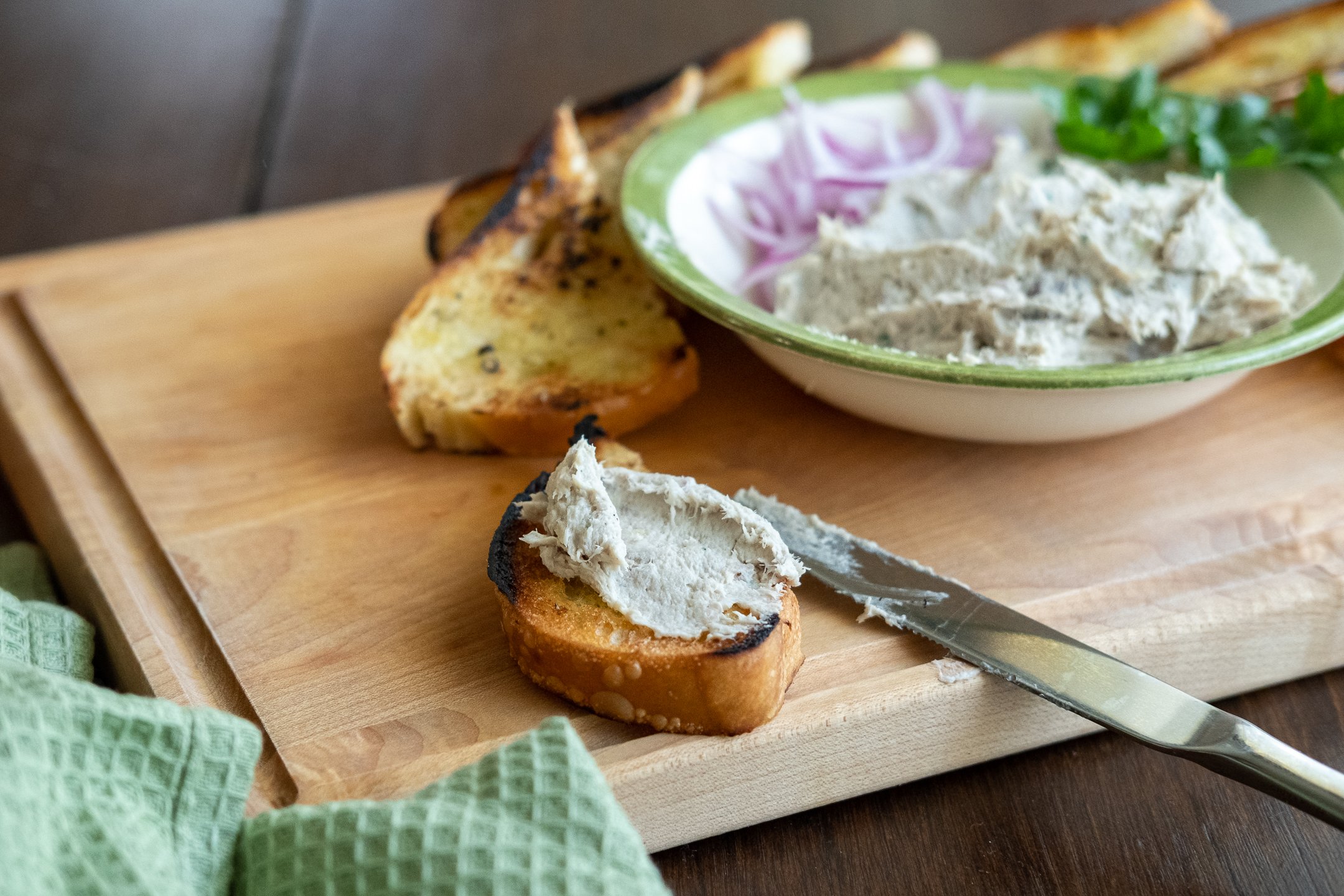
Got more bluefish than you know what to do with? This classic preparation is what you’re looking for.
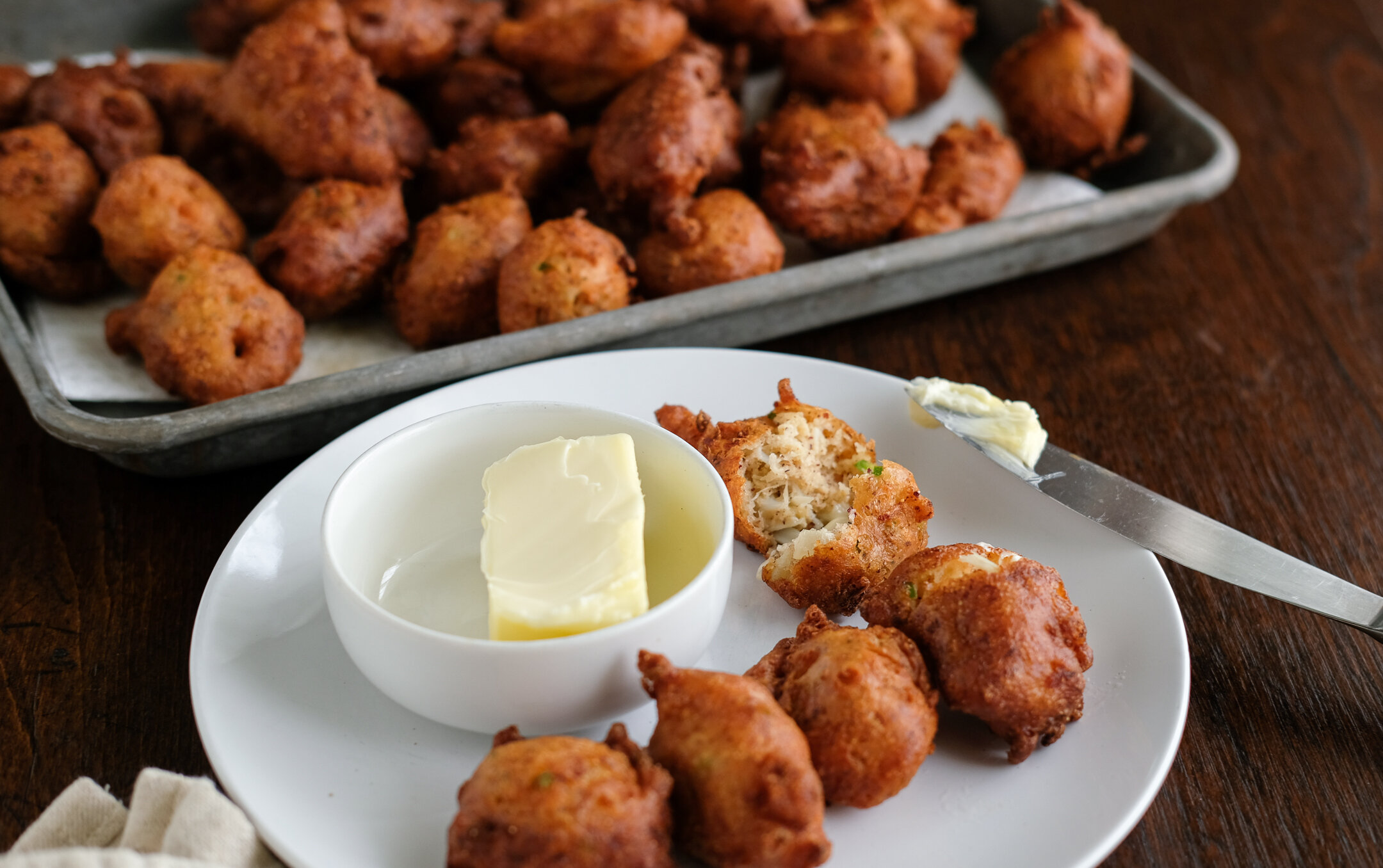

Crispy wok-fried Chesapeake Bay soft shells coated in a sticky, spicy, gingery sauce are a perfect storm of hyper-regional ingredients and imported techniques. This is what food is all about: blending cultures, time and places.

These wraps are great finger food, perfect for summer cookouts or a dinner on the patio overlooking the garden.

If you’re from the camp that thinks the only good thing to do with bluefish or mackerel is smoking it and making dip, this might change your mind.
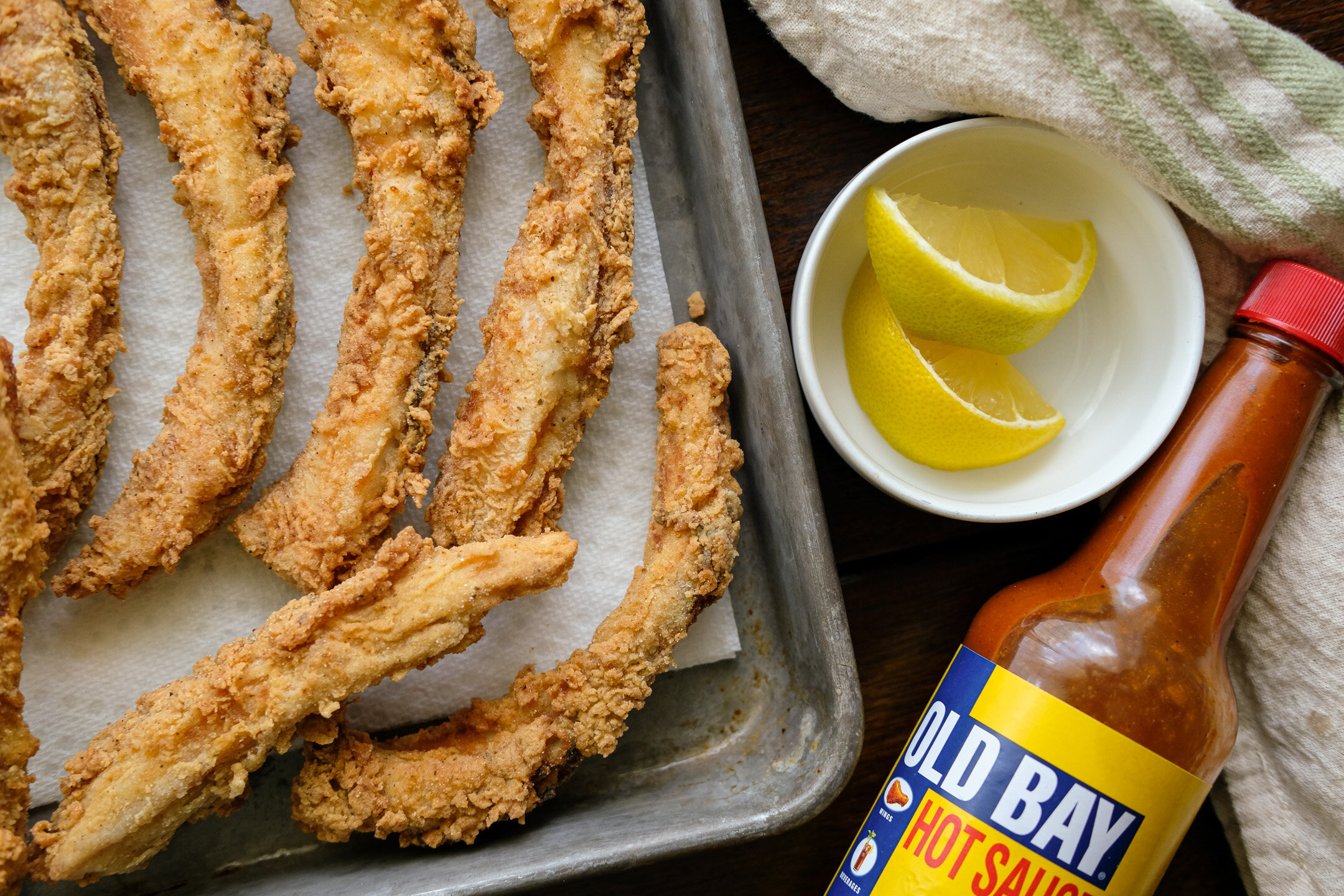
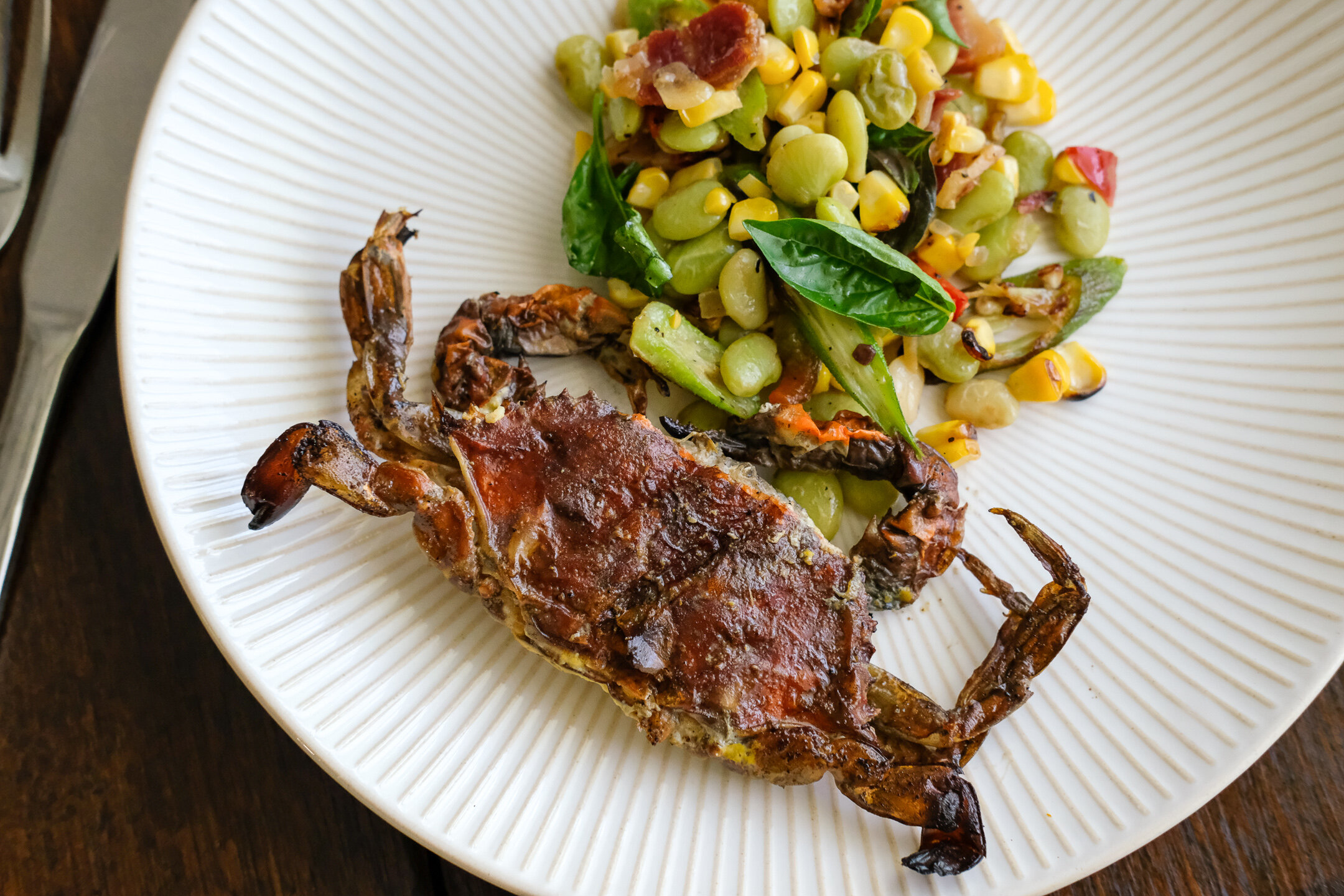
The method for grilling softshell crabs is simple: high heat to get the shells crispy, seasoning & some fat. You can use any fat you want, but the butter added a bit of welcome richness, I highly recommend it. As for seasoning, salt and pepper if you want to keep it minimalist. Old Bay if you know what's up.
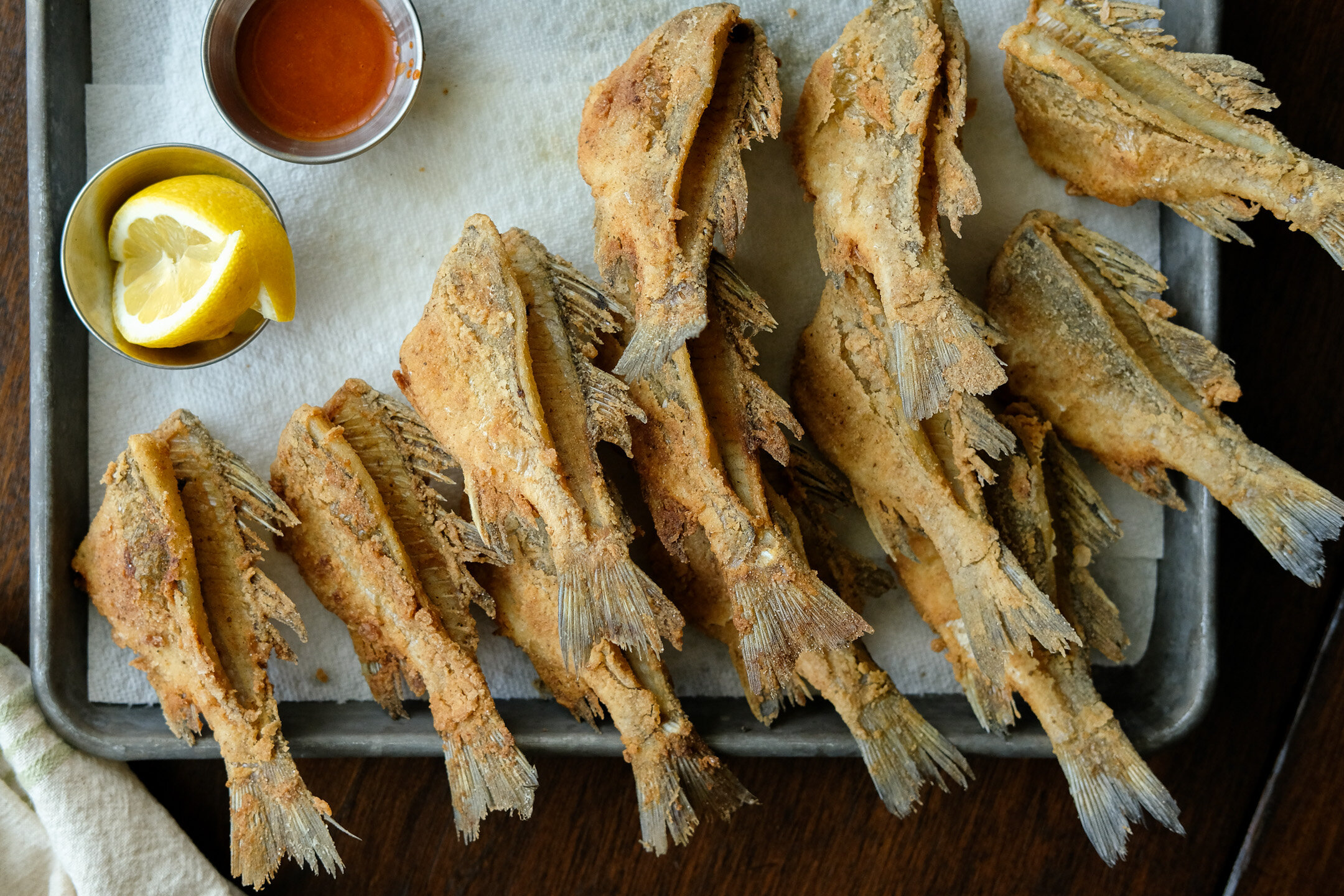
White perch are a lot of fun to fish for and some of the best table fare there is. They're abundant and aggressive, and once you find them, you can pile them up.
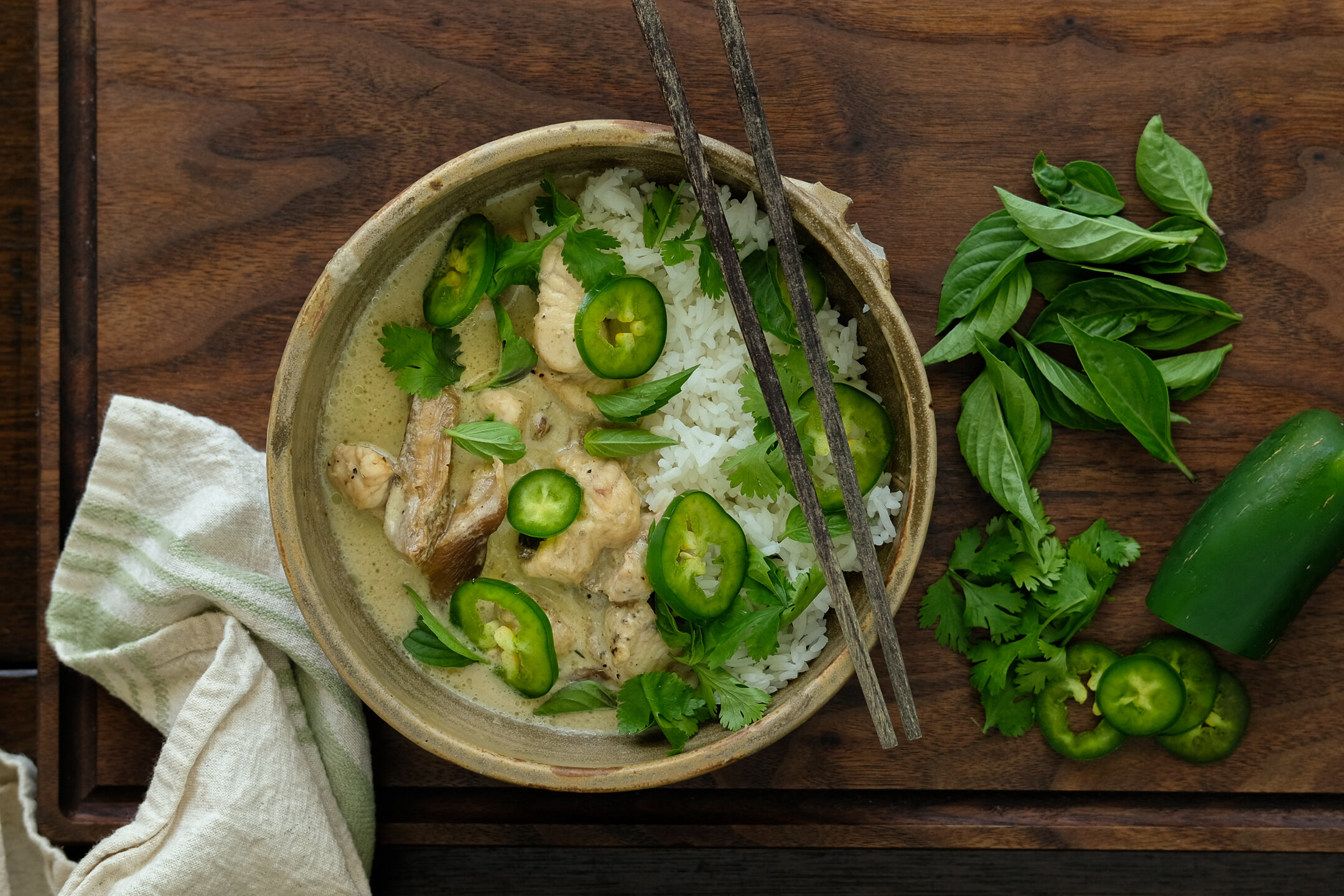
This green curry recipe has become a recurring dish after long and hot days on the water. It’s spicy, creamy without being too heavy, and refreshing yet comforting.

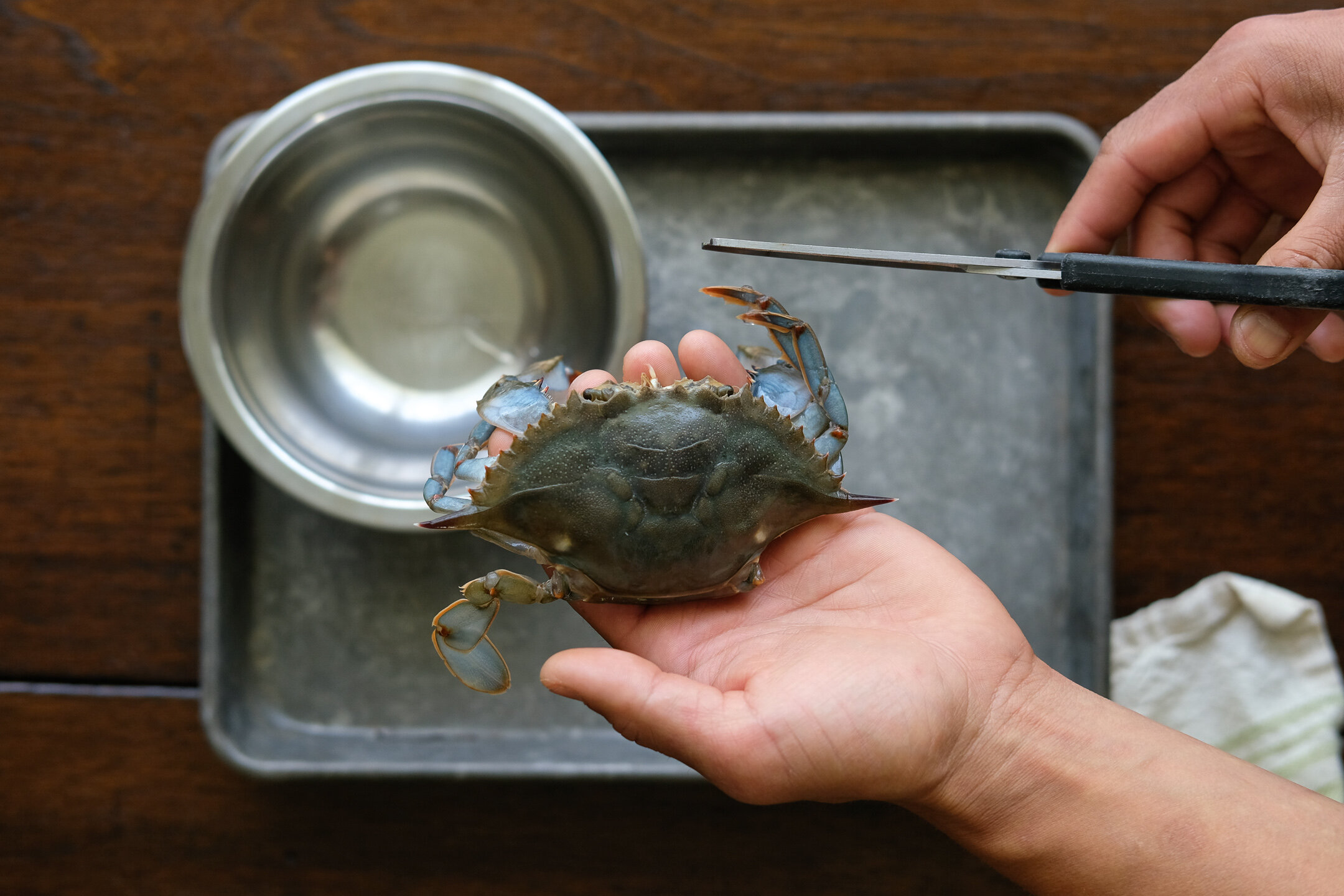
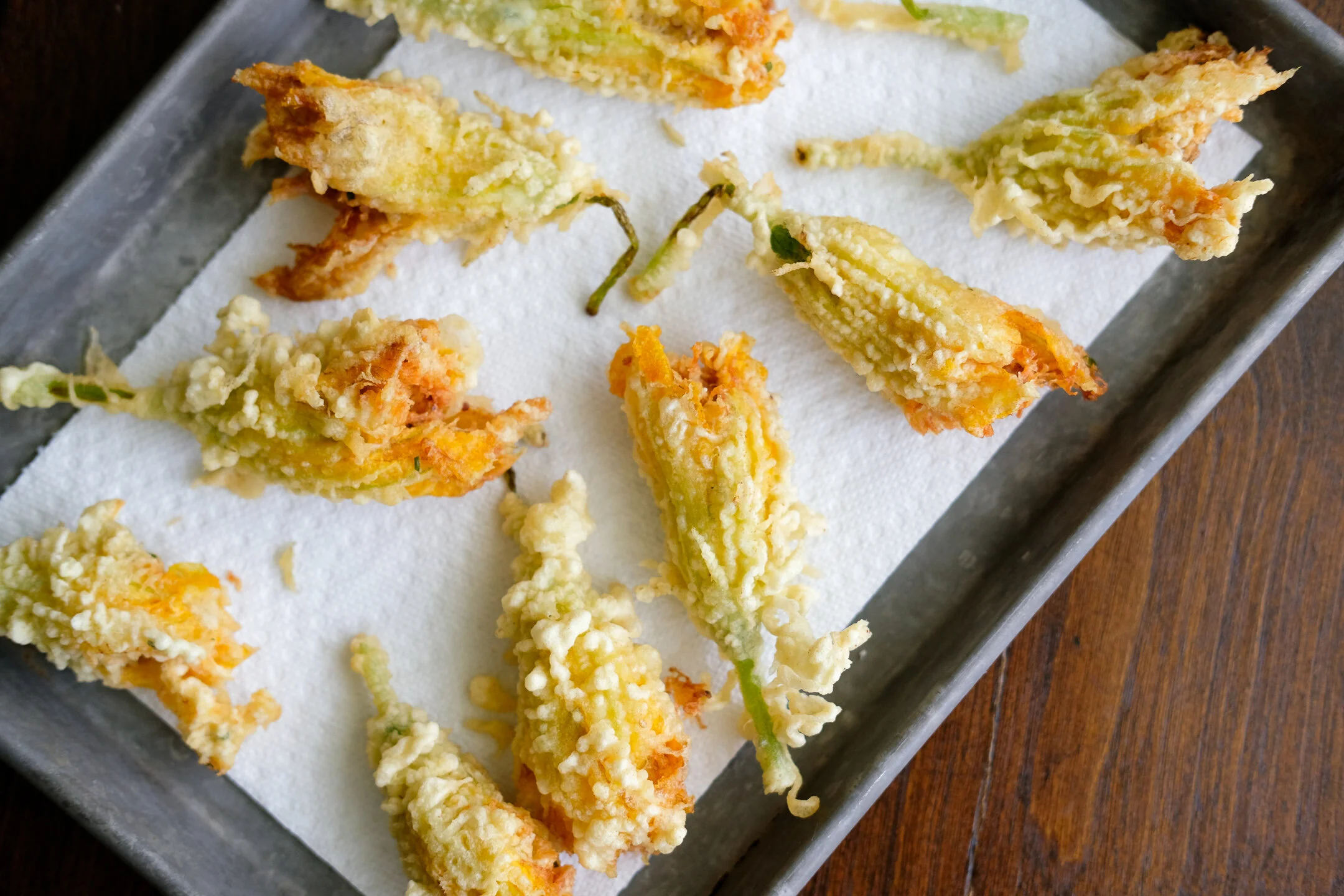
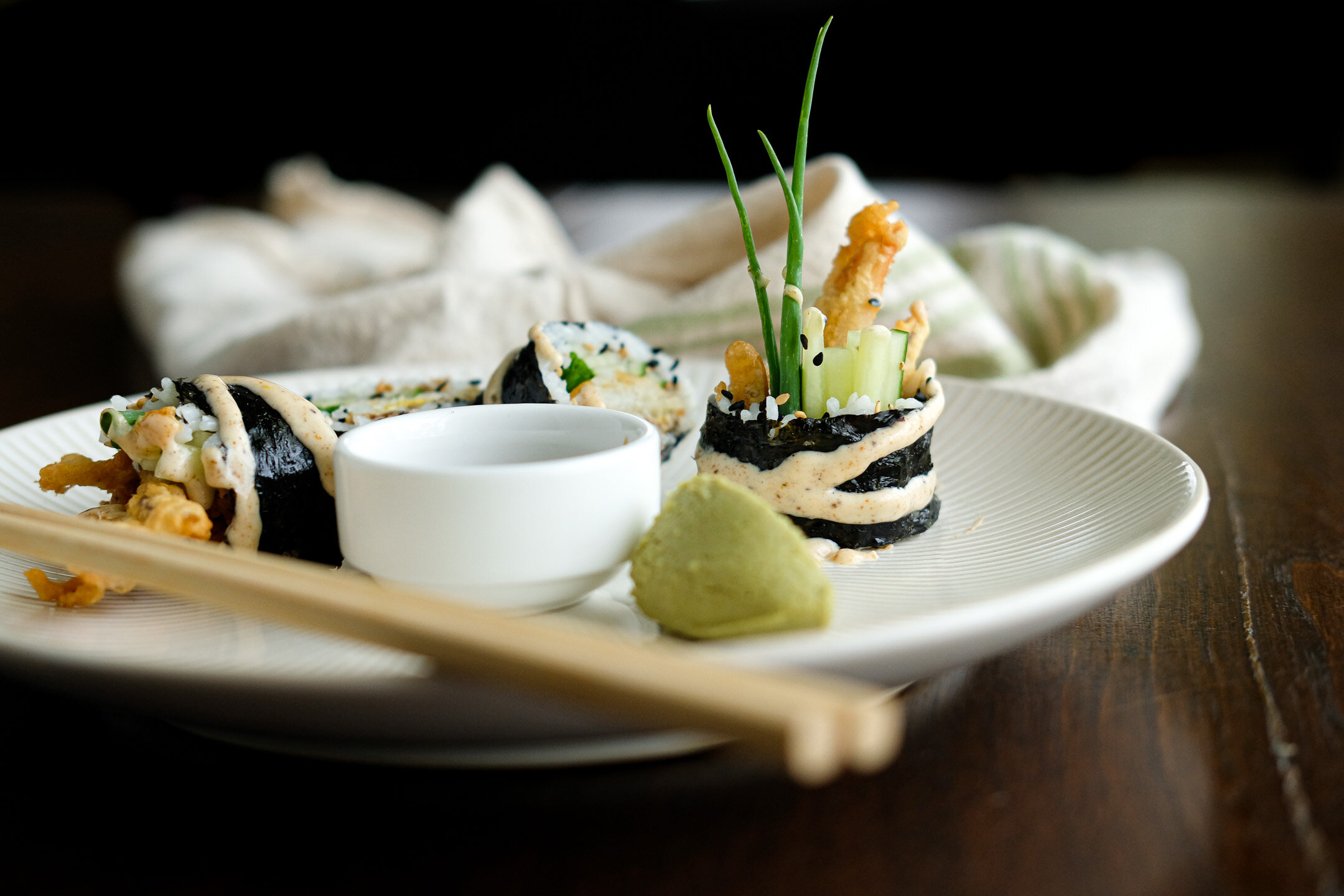
Tempura fried and rolled with cucumber, avocado, and old bay mayo, these soft shell crab rolls were light, with a filling crunch, and the most satisfying thing I’ve eaten this June.

Soft shell crabs might be nature’s most perfect food. Fried up, with a slice of ripe tomato and crispy bacon, it’s the essence of summertime on the Chesapeake.
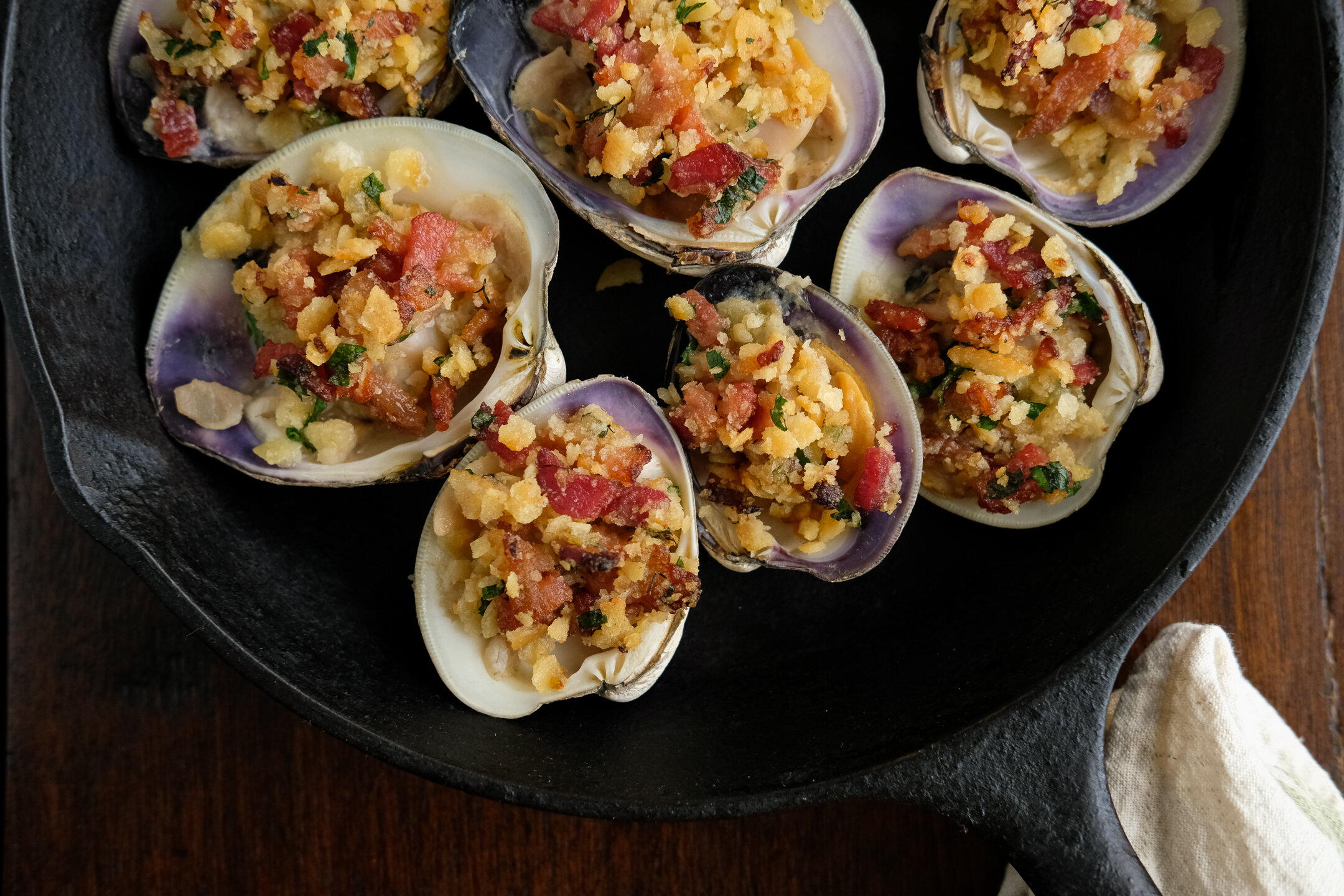

This recipe riffs on the classic clams oreganata, but with the twist of country-style Virginia ham.
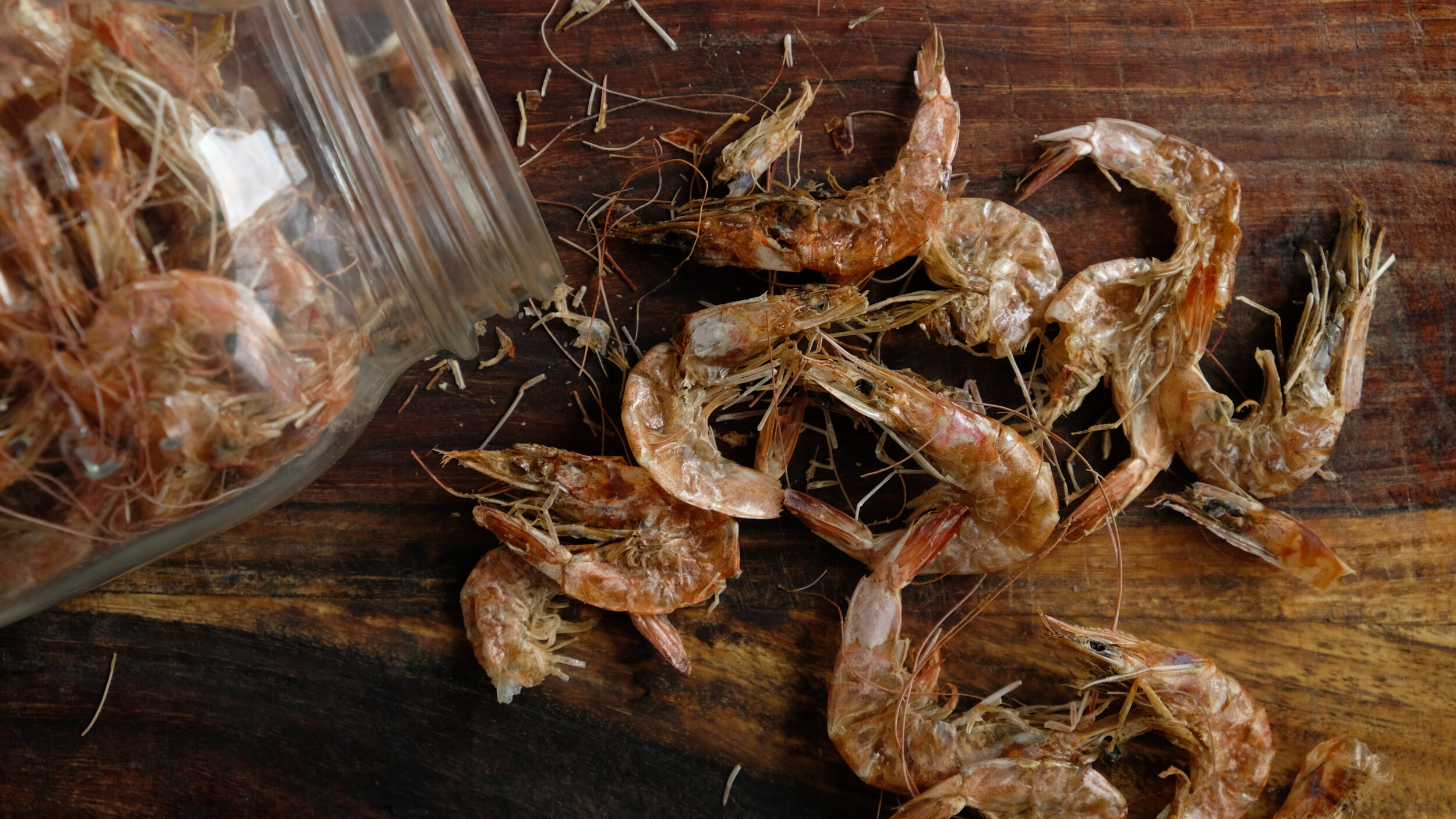
Somewhere between anchovies and parmesan- salty and full of umami, but with a distinct oceany flavor. Use them in everything.
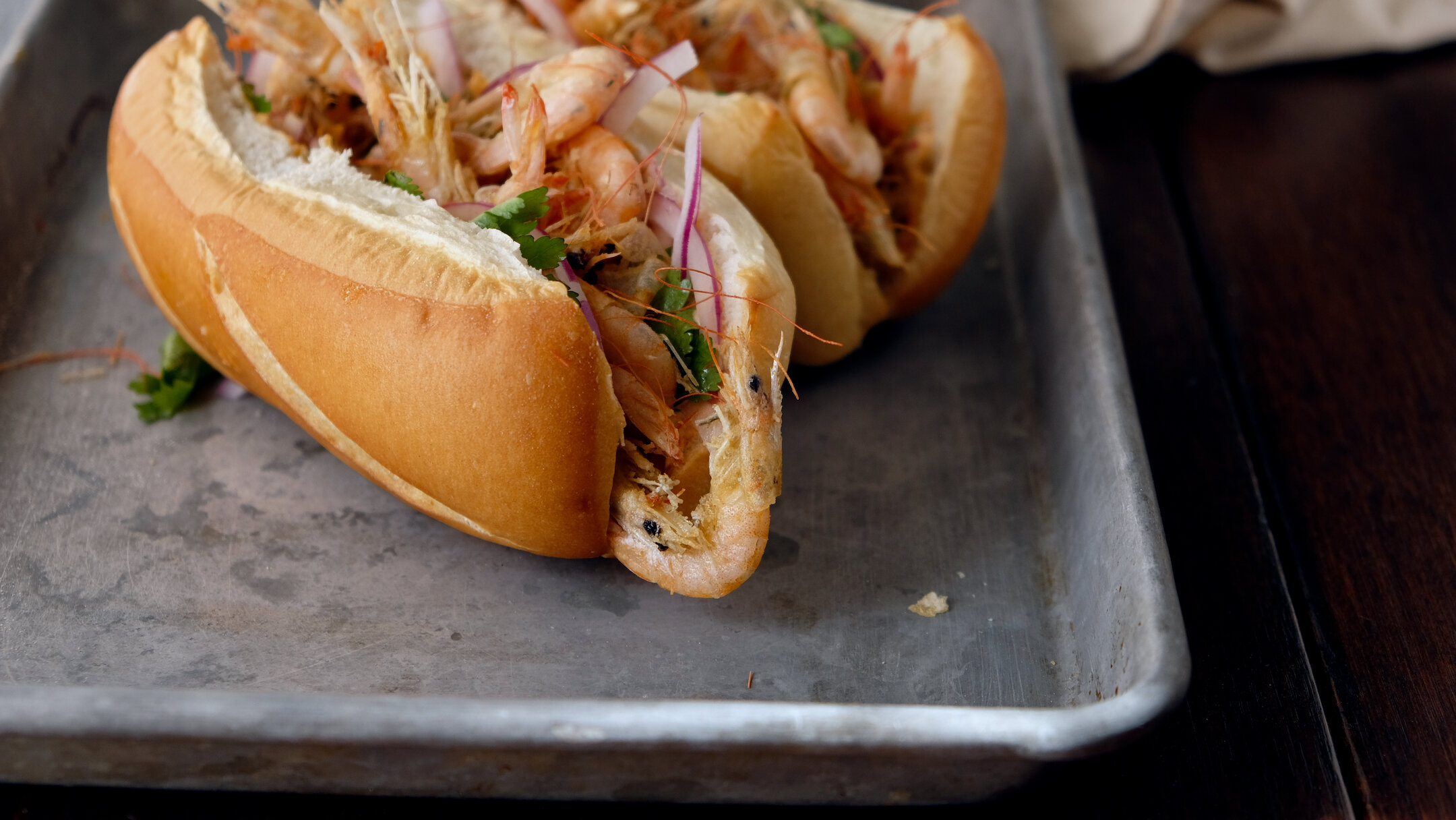
If you’ve never eaten shell-on shrimp, it's kind of like a softshell blue crab. And if you haven't had softshell crab, well, you're missing out.
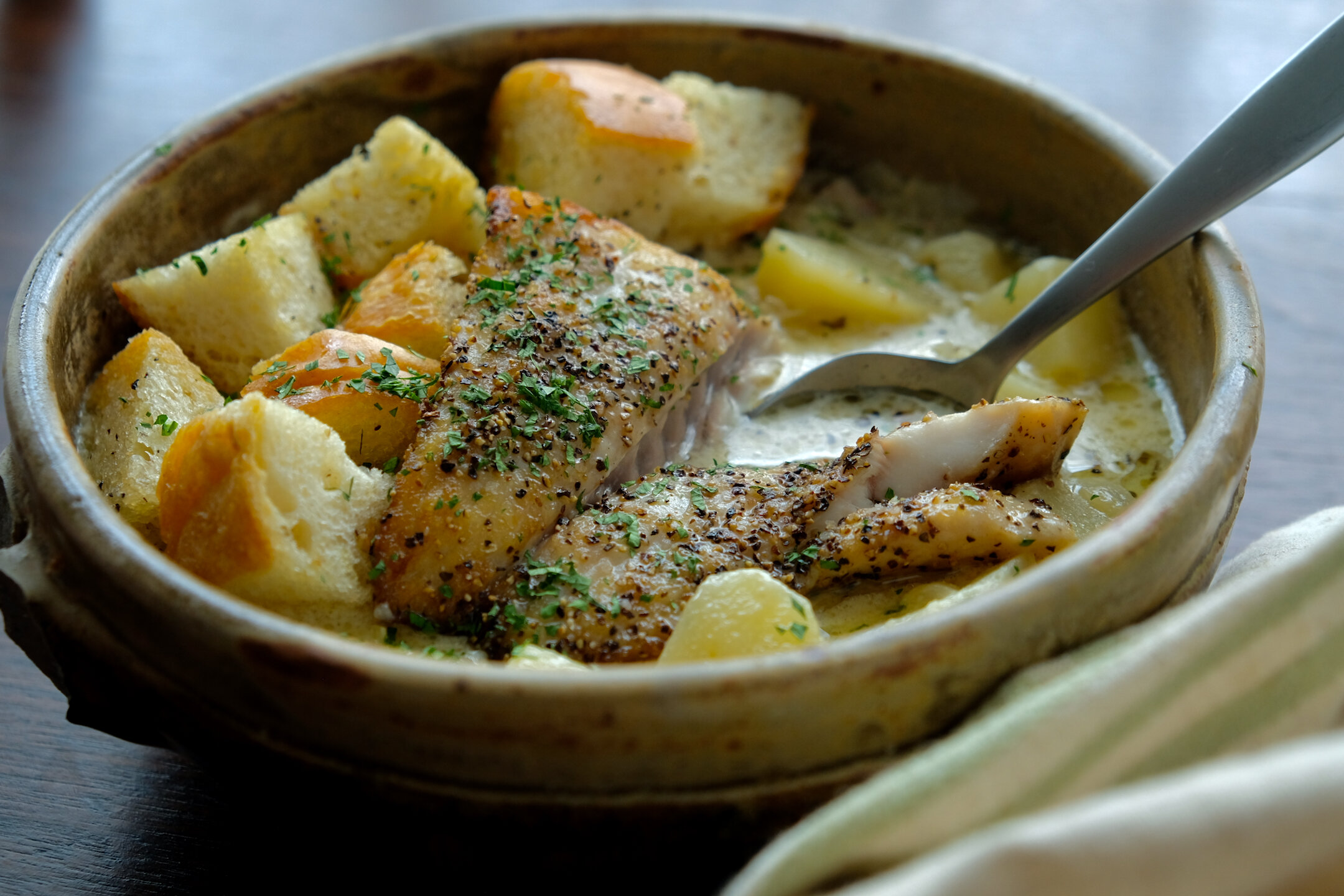
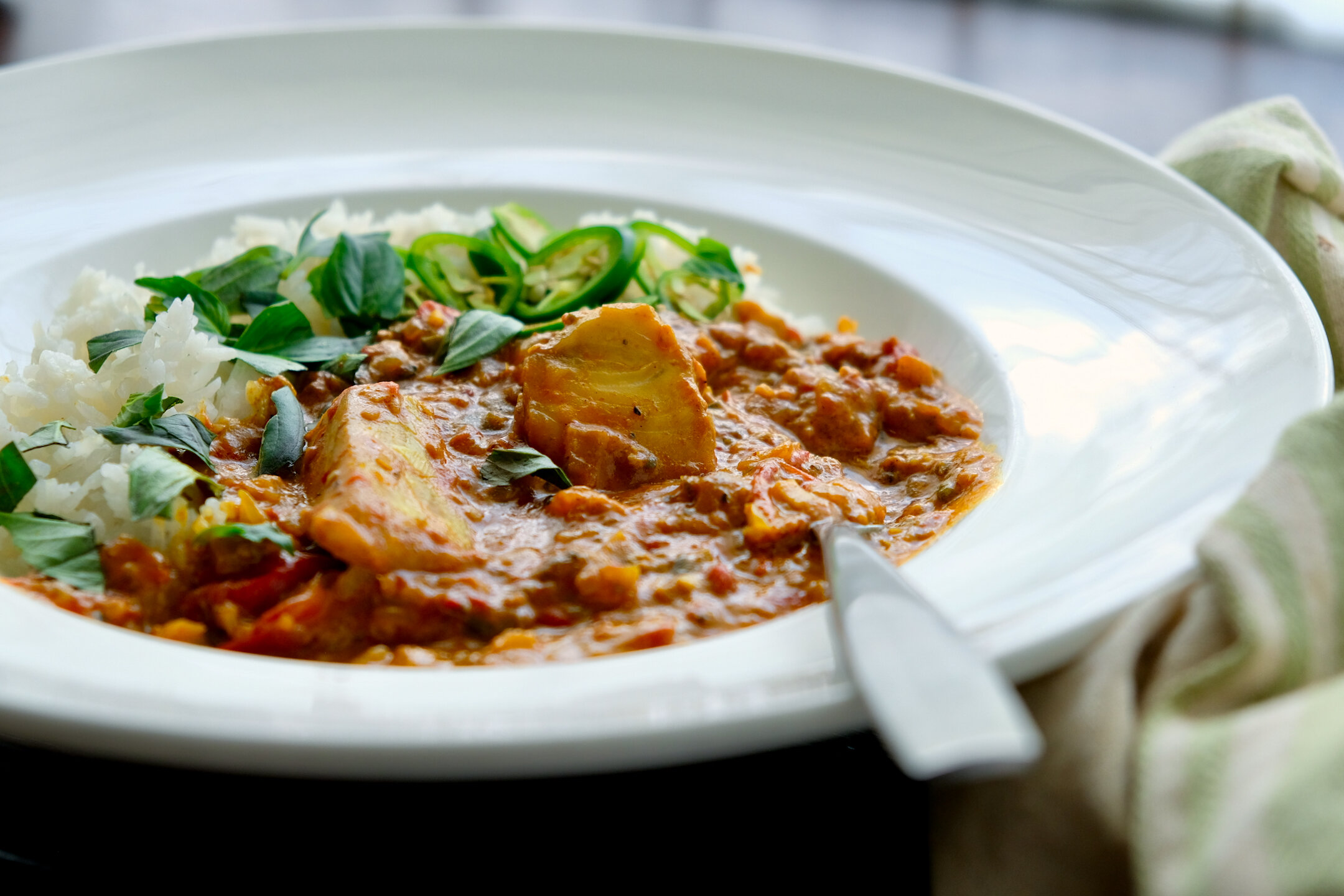
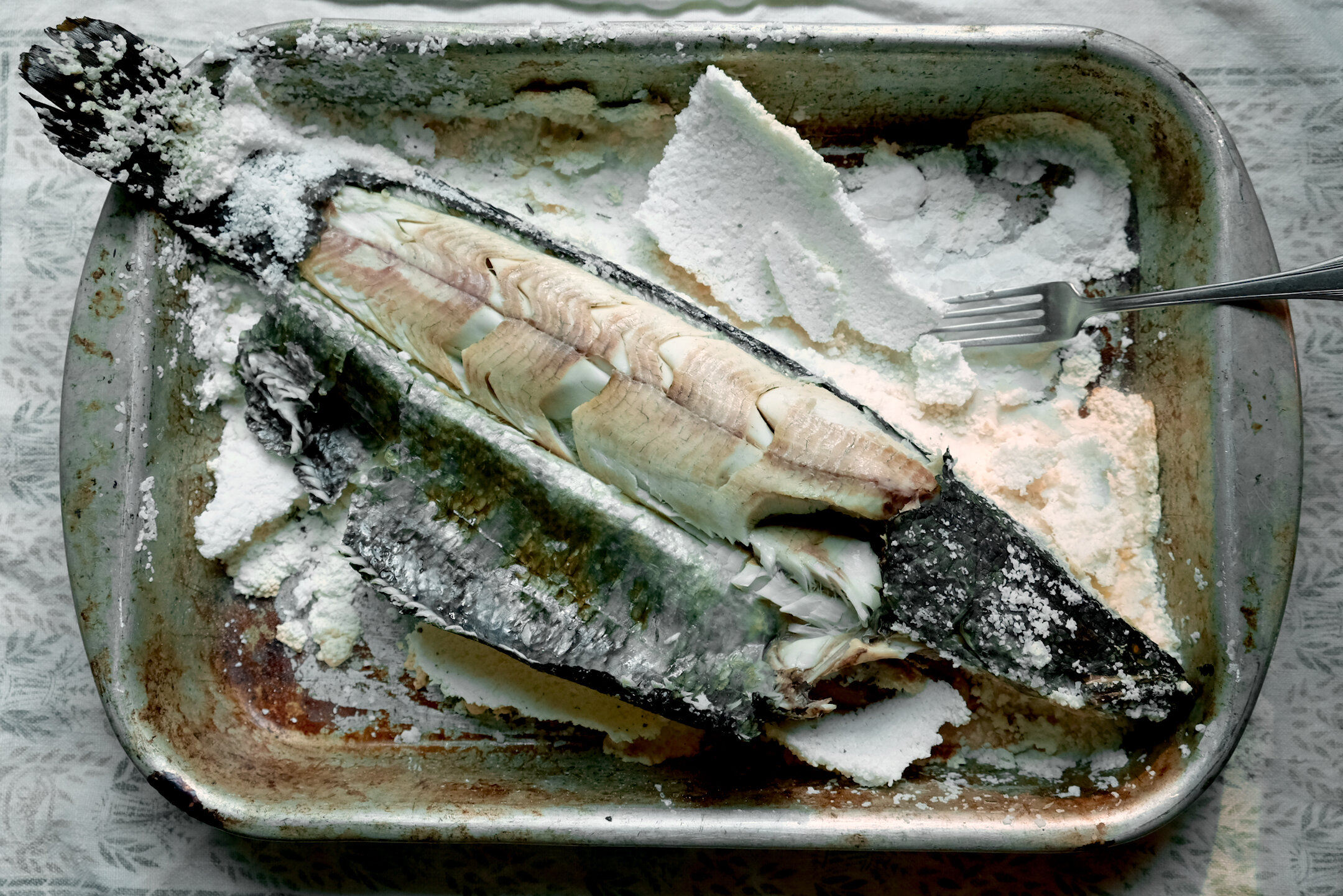
The fact that salt crusted fish comes out more evenly cooked and with better moisture retention is almost second to the drama of the presentation.
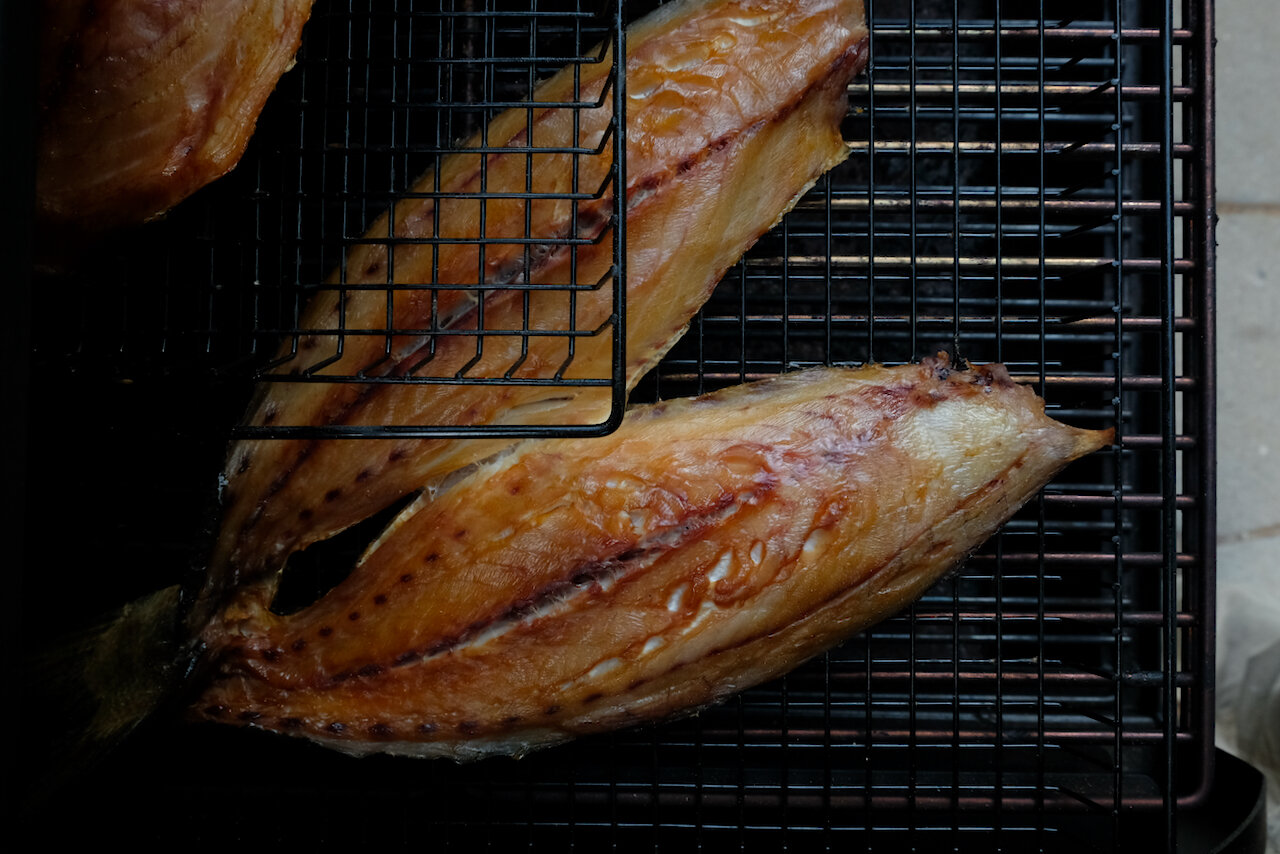
For all the bluefish you can’t eat fresh- a great addition to dips, flaked into hash and omelets, and anywhere else a salty and smoky touch of flavor is needed.
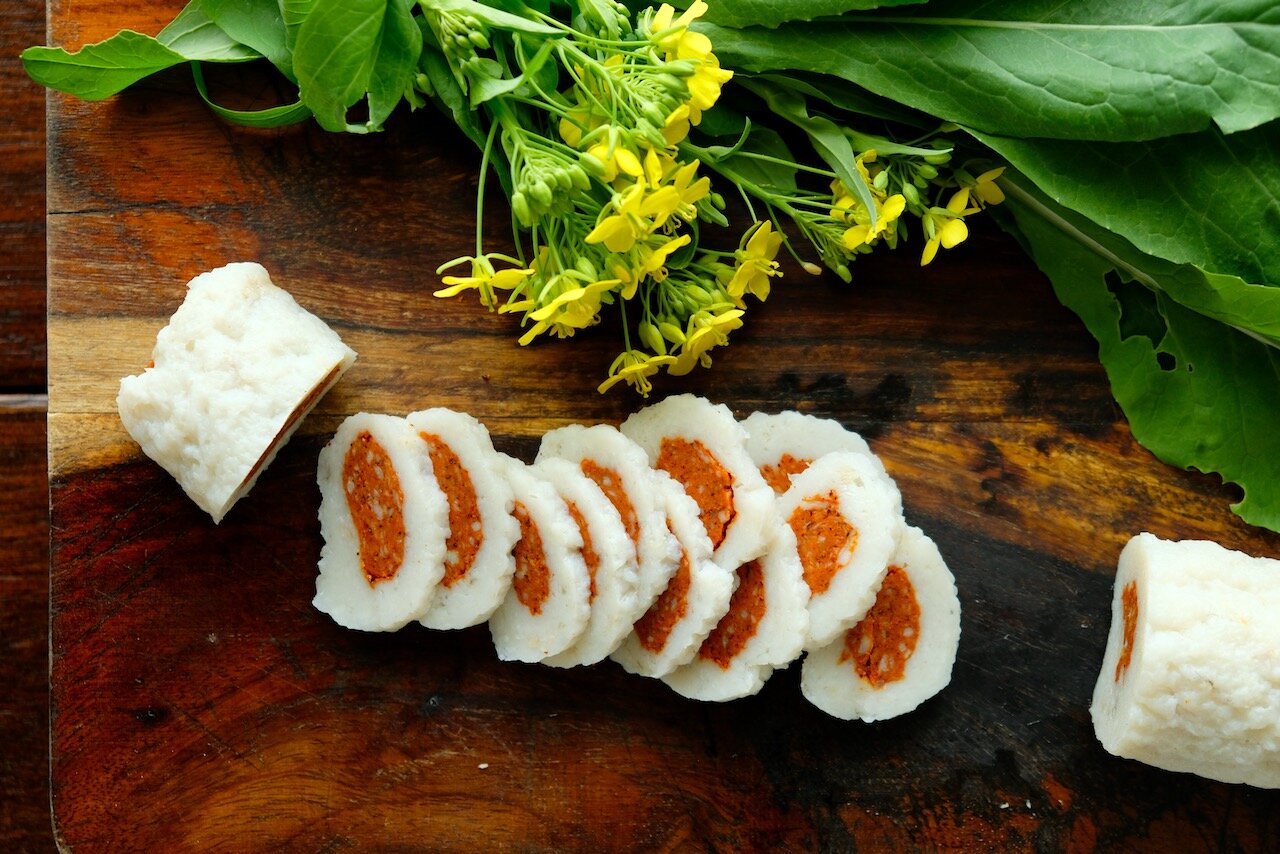
Kamaboko- you might not have heard of it, but I guarantee you’ve tried it. These are as good, if not better, than the kamaboko you can buy in asian grocery stores.
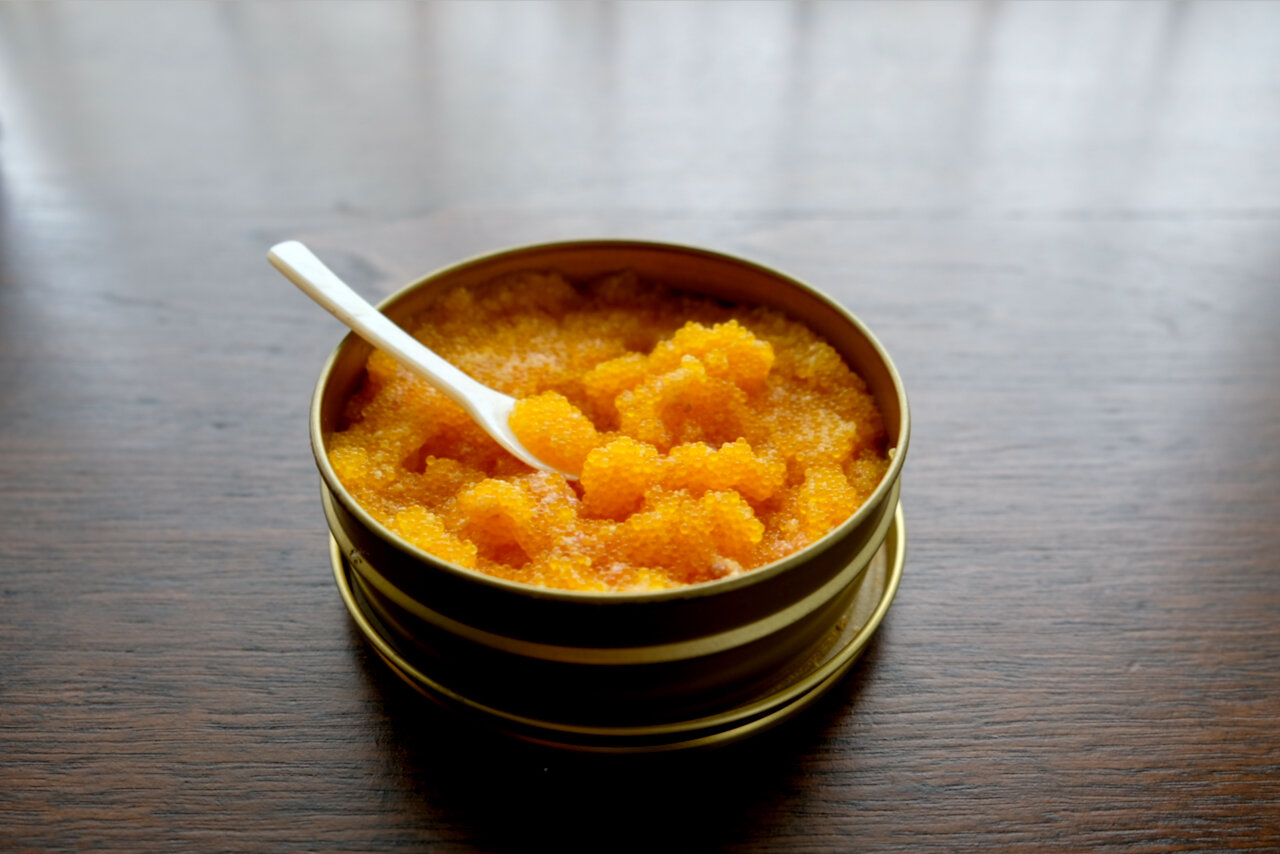
The fine texture, color and richness of snakehead roe is exceptional. Flavor-wise, it is mildly briny and not fishy at all, with an eggy richness that you only find in good fish roe.
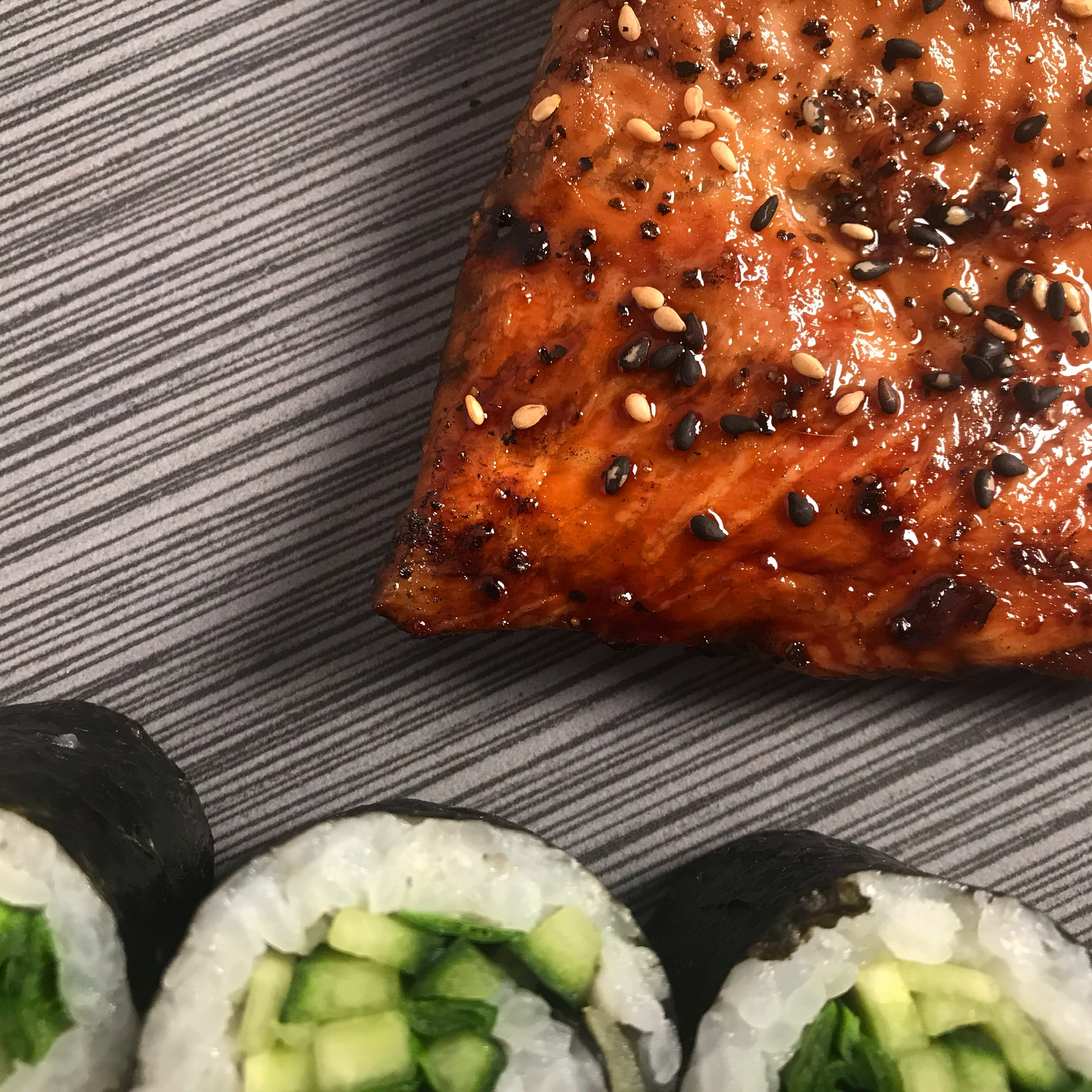
Bottarga, essentially, is a salt cured roe sac. The result is something similar to parmesan cheese, but with an eggy-briny flavor.
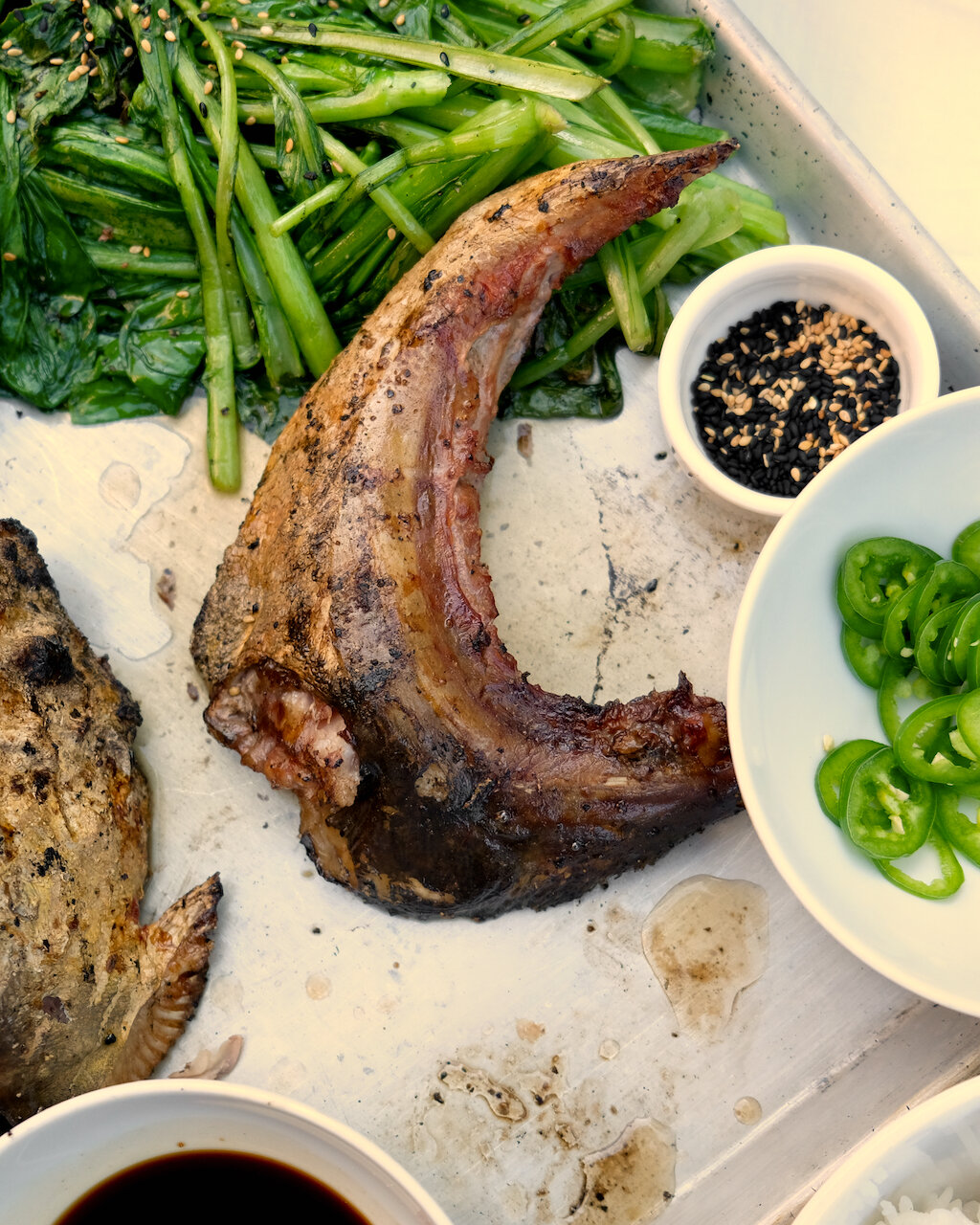
Handling and preparing the tastiest ‘trash fish’ in the bay