
Snakehead & Tomato-Coconut Curry
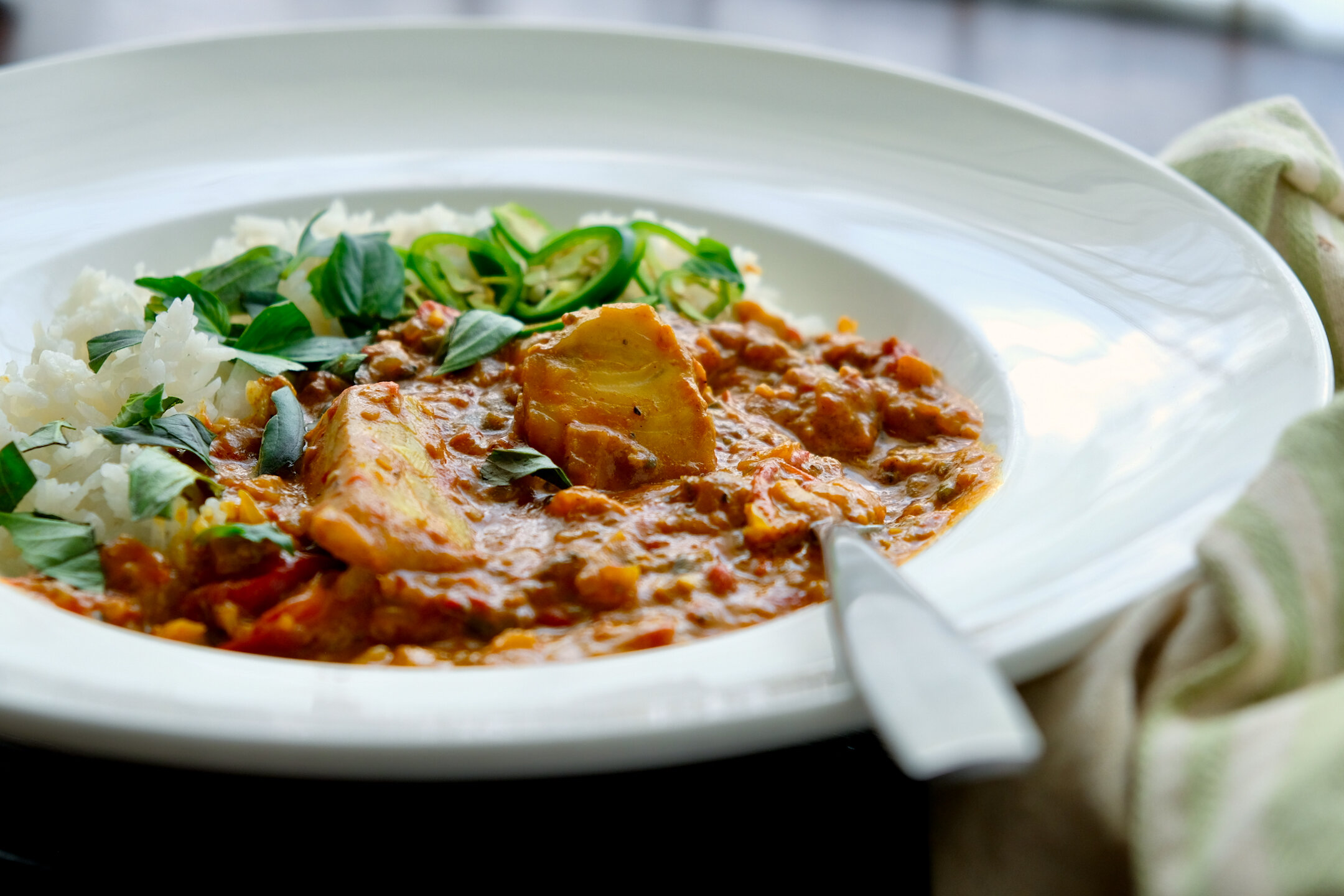

This spring, we finally decided to get serious about gardening. We’ve always had a few things going, but until this year, we didn’t put a whole lot of time or effort into it. We had a strong start early in the season, despite a few extremely late frosts- there were greens everywhere- but as the weather finally warmed up, we skipped early summer and went straight into an almost apocalyptic drought. Everything wilted, and growth was stunted as the plants struggled to survive our inconsistent and never quite sufficient watering. Everything but the tomatoes, that is.
The tomatoes not only survived, they are thriving. We have enough plants for an overabundance of fresh tomatoes, but not enough to can in large batches. We've had to step out of our wheelhouse a bit to use all the tomatoes before they spoil.
This tomato and coconut milk curry was the perfect midsummer answer to the heat and surplus of fruit. The curry is rich without being heavy, a well balanced, hearty meal fit for 100+ degree days. Snakehead and cobia are perfect for this dish, but you can use any firm fish for this recipe. You could use any white meat, for that matter.
A few key points to this recipe: fry the curry powder, it makes a difference. And use a decent curry powder. We used Laxmi in this recipe, which is widely available, but feel free to experiment with different brands or make your own. As for the other spices- they’re optional but add a good deal of depth. The galangal is a little gingery, but more floral and intense. And the kala jeera can be a little bit of an enigma to track down online, as it is often confused with nigella sativa and jeera (regular cumin seed). It, too, adds a unique floral character that pairs well with the coconut and thai basil in the dish. Also, you are going to basically make the sauce, then poach the fish in the sauce. If you decide to make this with a protein that needs a long time to tenderize (like turkey or pheasant thighs), I'd recommend cooking it ahead of time, shredding it, and then warming it in the sauce.
Snakehead & Tomato-Coconut Curry
Prep: 10 minutes
Cook time: 45-55 minutes
Ingredients:
1-2 snakehead fillets or other firm white fish (pheasant or turkey breasts would work great as well) cut into 1” chunks
1 ½ medium onions, diced
3 cloves garlic, minced
2 jalapenos, seeded, minced
2 ½ tbsp ginger, fresh, minced
1 ½ tbsp hot curry powder
4 cups fresh tomatoes, diced
1 can coconut milk
1 tbsp brown sugar
½ tsp ground coriander
⅛ tsp kala jeera (optional)
⅛ tsp dried galangal (optional)
salt

Method
In a wide, high-sided pan, liberally cover the bottom with oil and warm to medium heat. Add in onion, jalapeno, garlic and ginger. Stir and cook for 3-5 minutes until fragrant and onions are almost translucent.
Scrape all the contents of the pan to one side and tilt the pan so that the oil drains to the opposite side. Add curry powder to the oil side, then level the pan back out and stir spices to prevent burning. You want the curry powder to darken in color and intensify in aroma but be careful not to burn it. After about a minute, stir the fried curry powder and the contents of the pan together.
Add in the tomatoes, stir to mix. Add in ~½ cup of water and bring to a simmer, allow to cook and reduce for 5-10 minutes, stirring often and breaking up large chunks of tomatoes as they soften.
Add in the coconut milk and stir. Add in brown sugar, kala jeera and galangal. Taste, add salt and adjust seasoning.
Adjust the heat to barely simmering and add in fish. Stir to coat with sauce and cover loosely with a lid. Cook for 4-5 minutes, rotating fish as needed until cooked through.
Serve with thai basil, chili peppers, and rice.

Bluefish cakes are a perfectly tasty way to preserve some bluefish in a near-fresh quality.
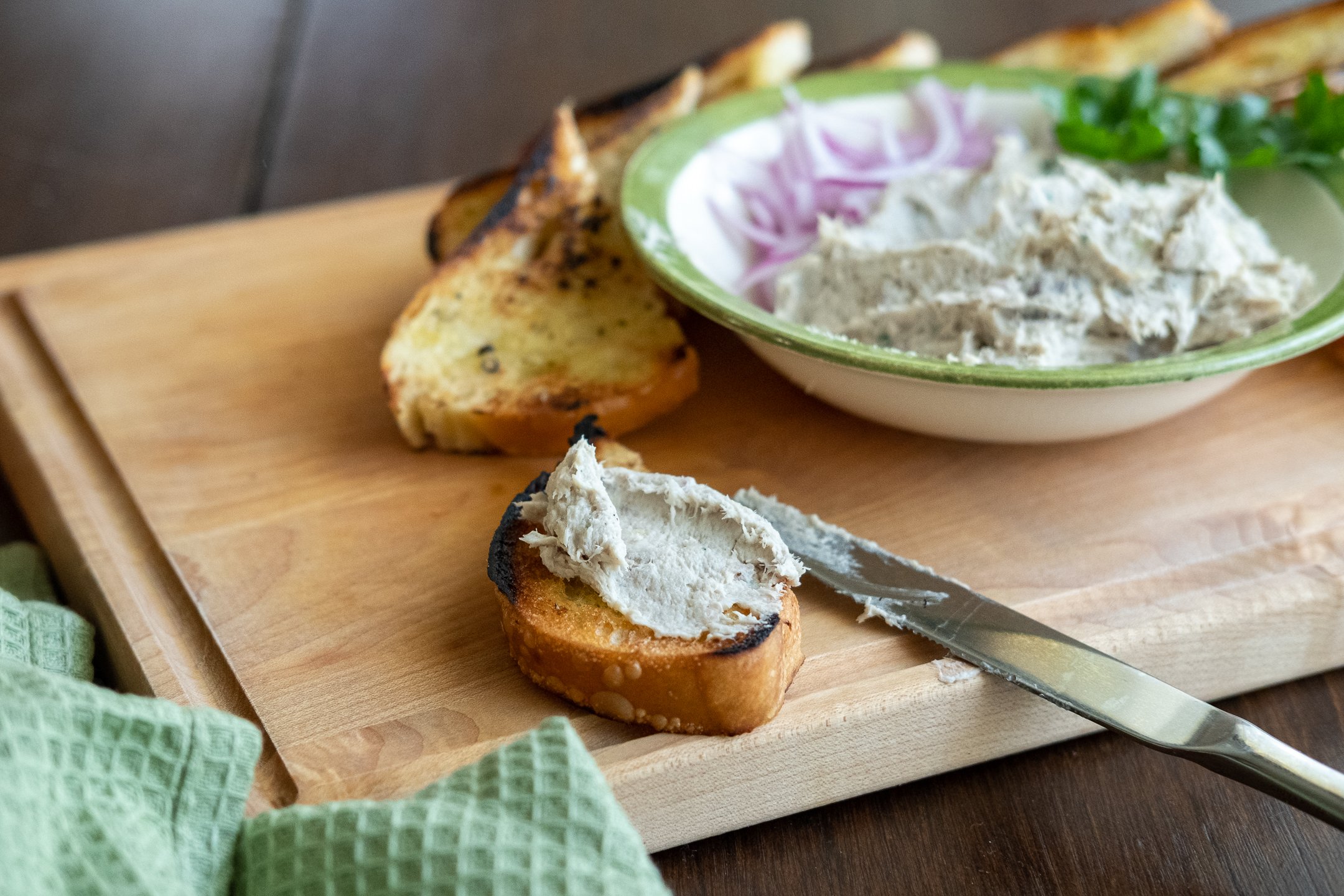
Got more bluefish than you know what to do with? This classic preparation is what you’re looking for.
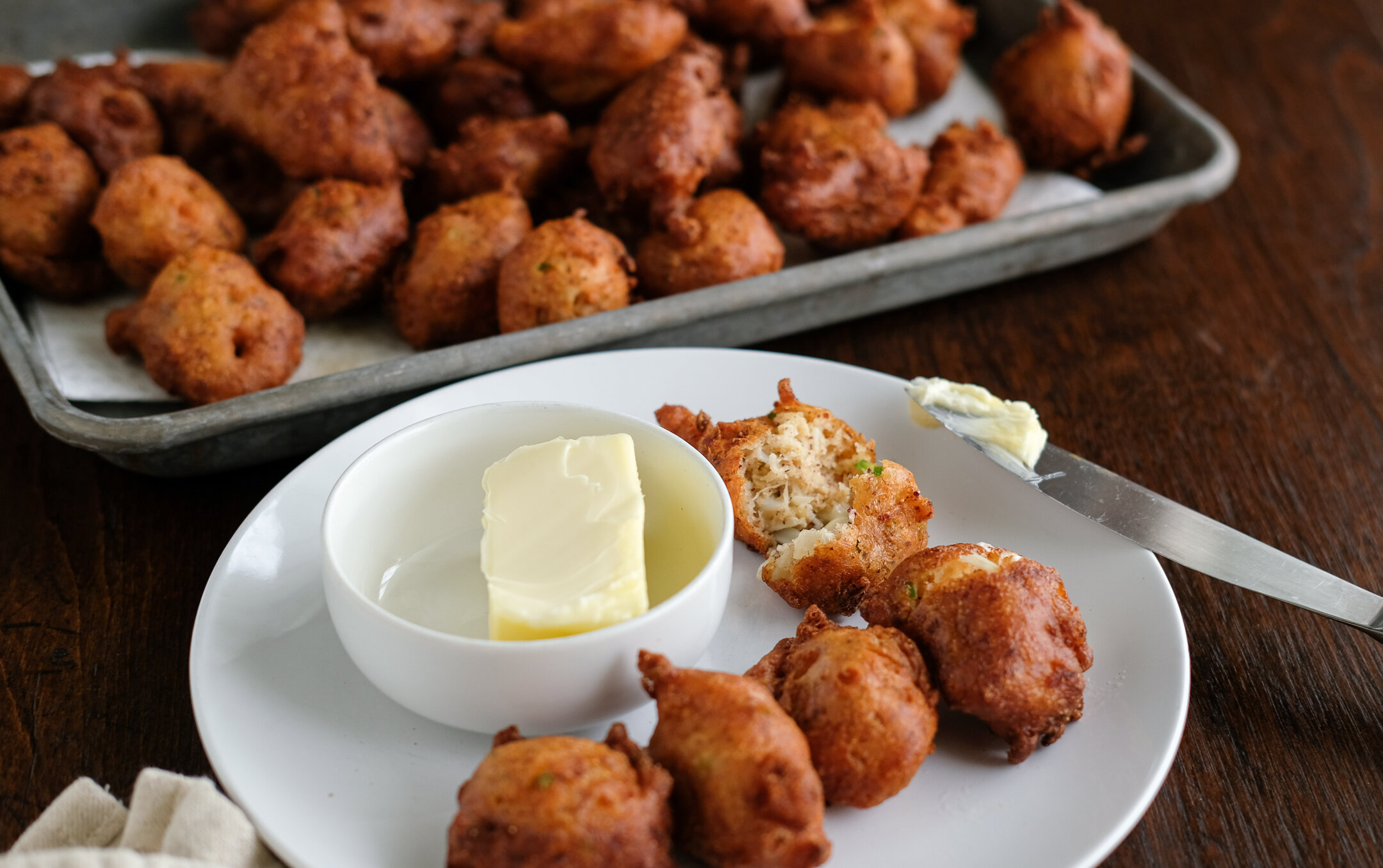

Crispy wok-fried Chesapeake Bay soft shells coated in a sticky, spicy, gingery sauce are a perfect storm of hyper-regional ingredients and imported techniques. This is what food is all about: blending cultures, time and places.

These wraps are great finger food, perfect for summer cookouts or a dinner on the patio overlooking the garden.

If you’re from the camp that thinks the only good thing to do with bluefish or mackerel is smoking it and making dip, this might change your mind.
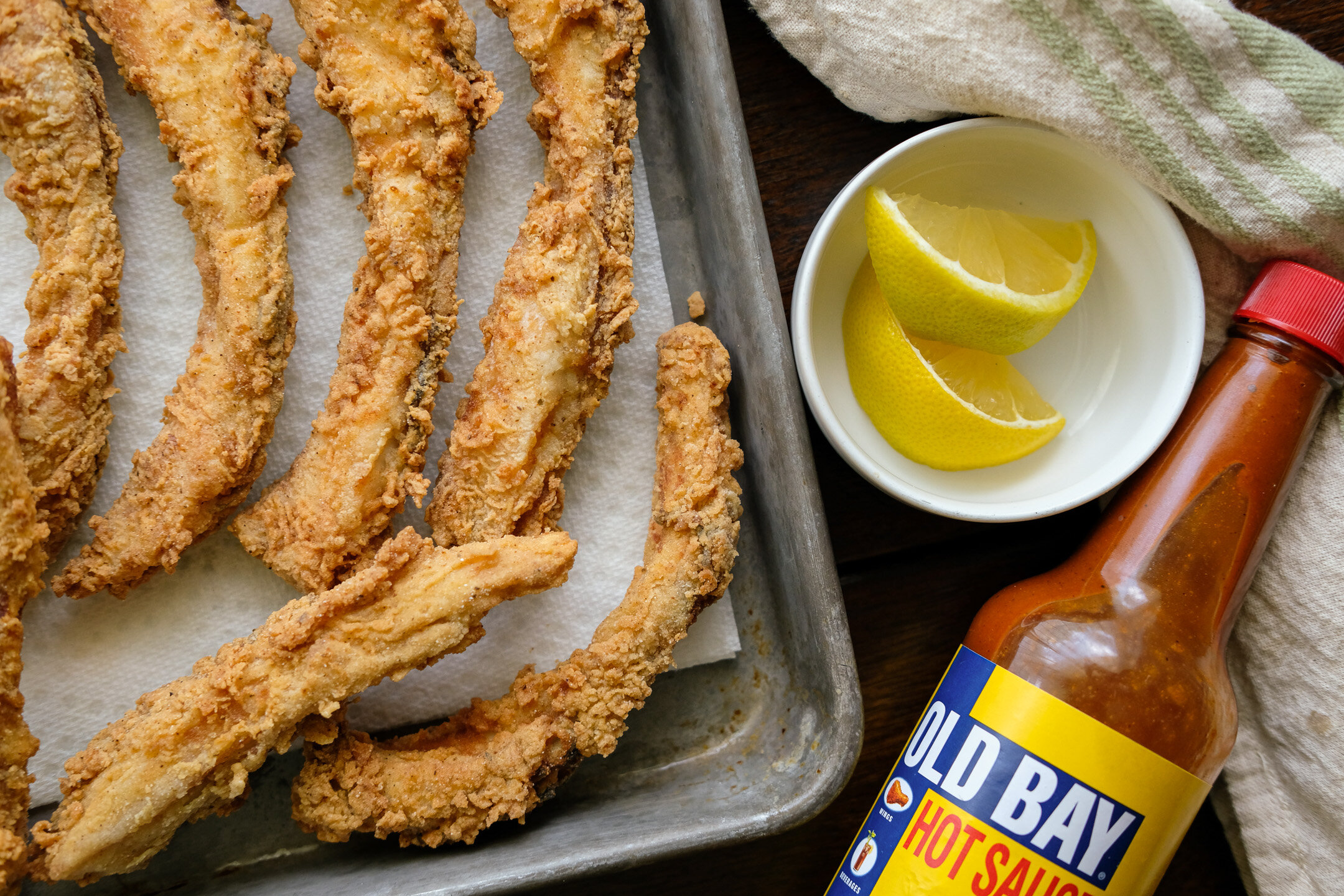
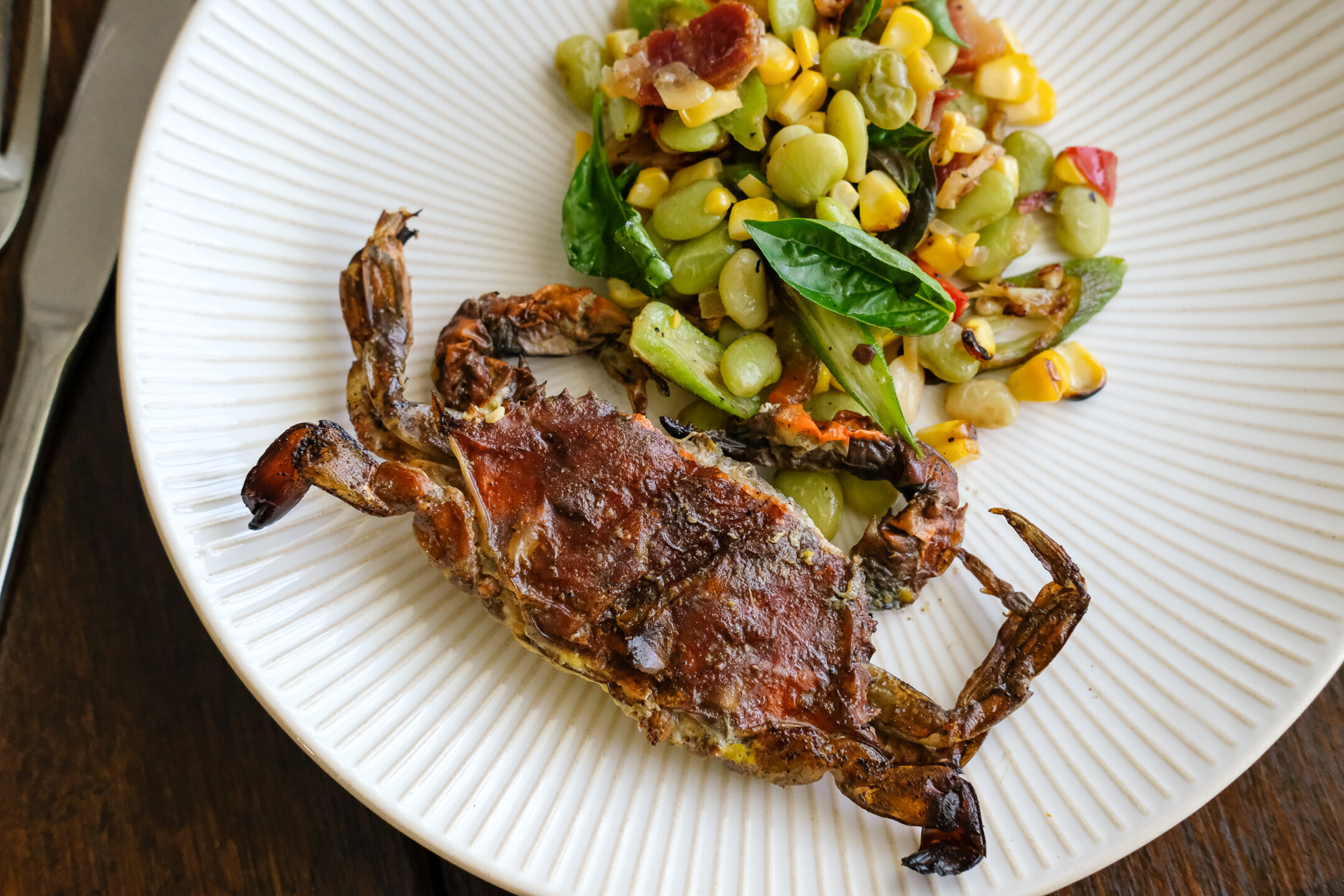
The method for grilling softshell crabs is simple: high heat to get the shells crispy, seasoning & some fat. You can use any fat you want, but the butter added a bit of welcome richness, I highly recommend it. As for seasoning, salt and pepper if you want to keep it minimalist. Old Bay if you know what's up.
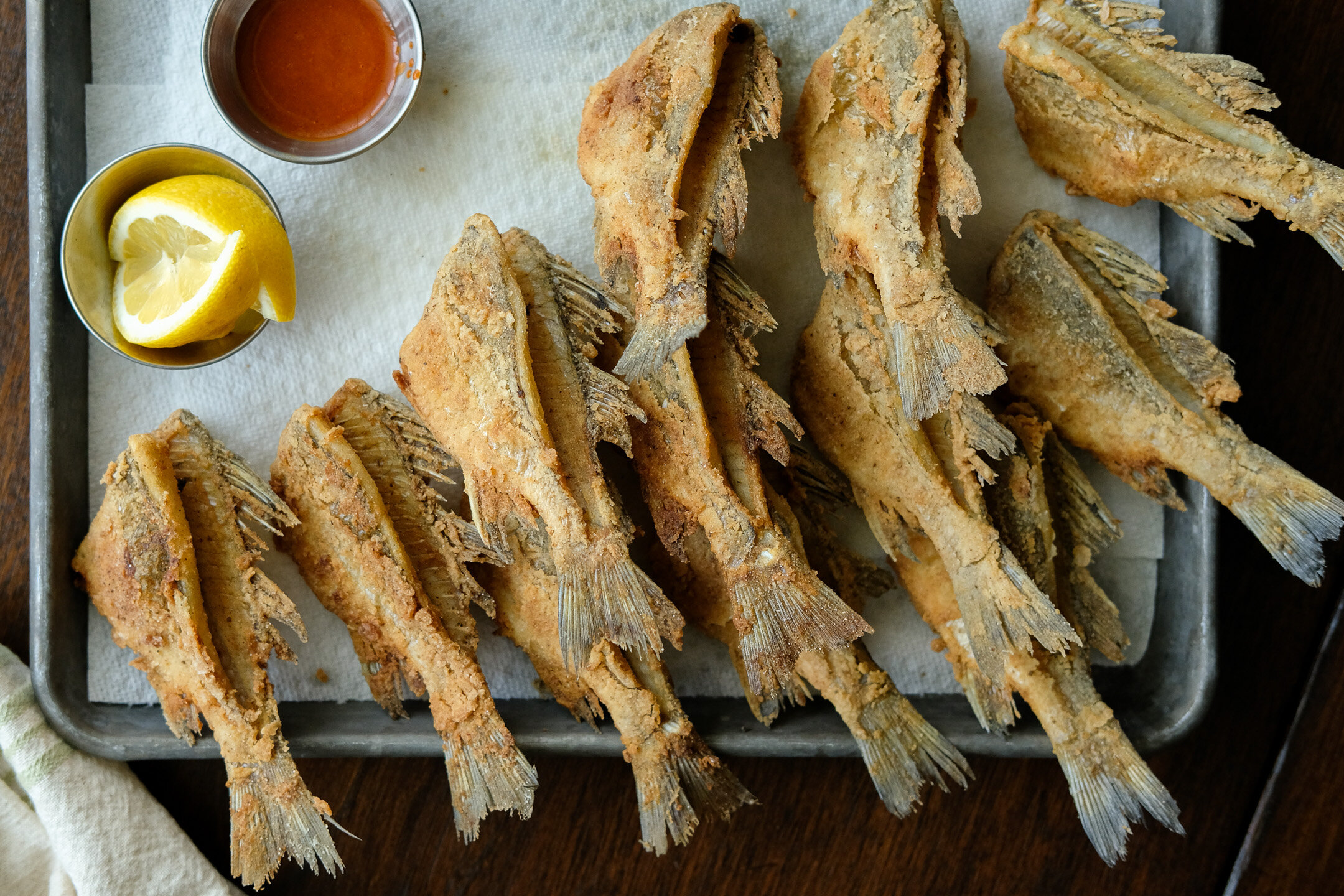
White perch are a lot of fun to fish for and some of the best table fare there is. They're abundant and aggressive, and once you find them, you can pile them up.
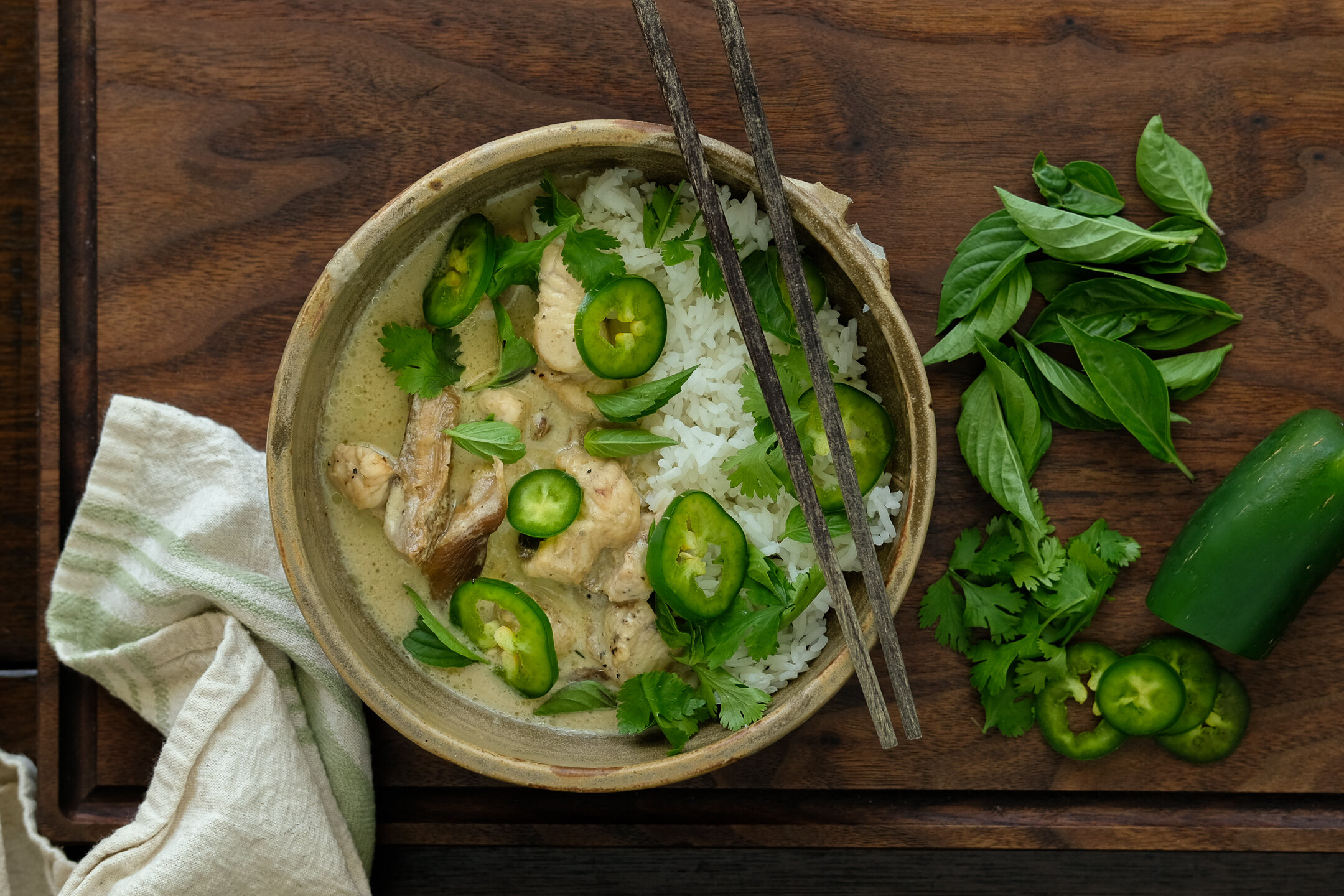
This green curry recipe has become a recurring dish after long and hot days on the water. It’s spicy, creamy without being too heavy, and refreshing yet comforting.

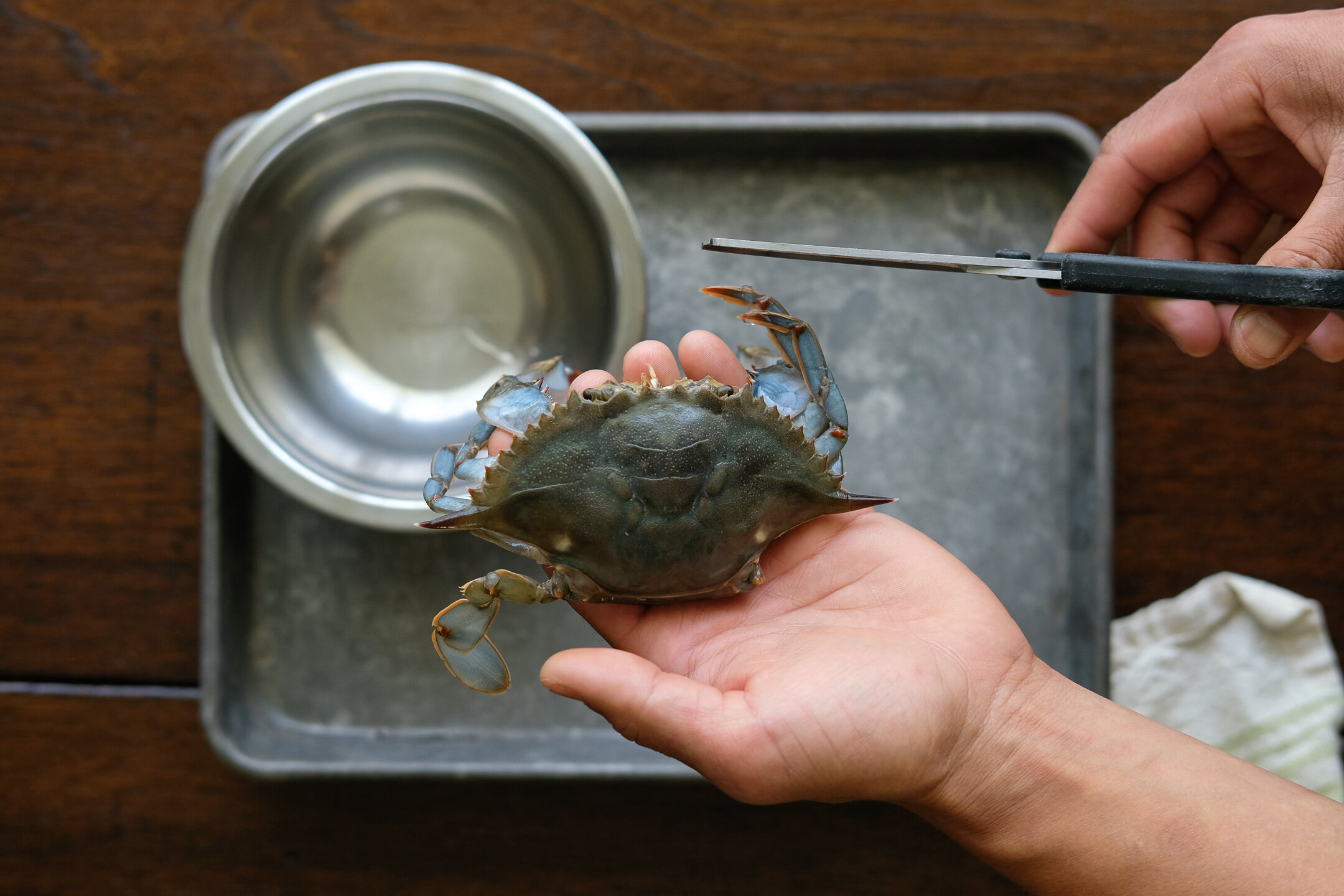
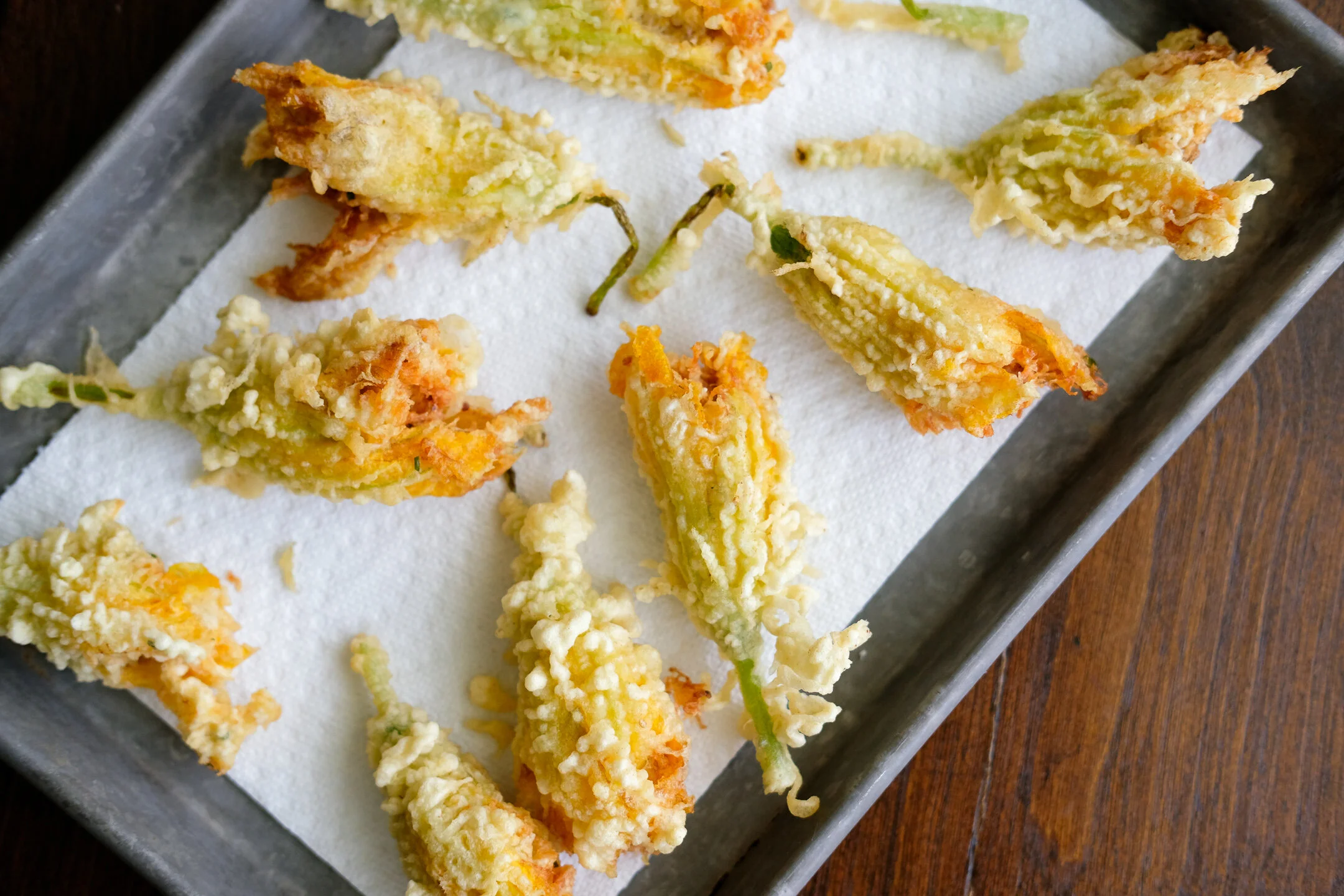
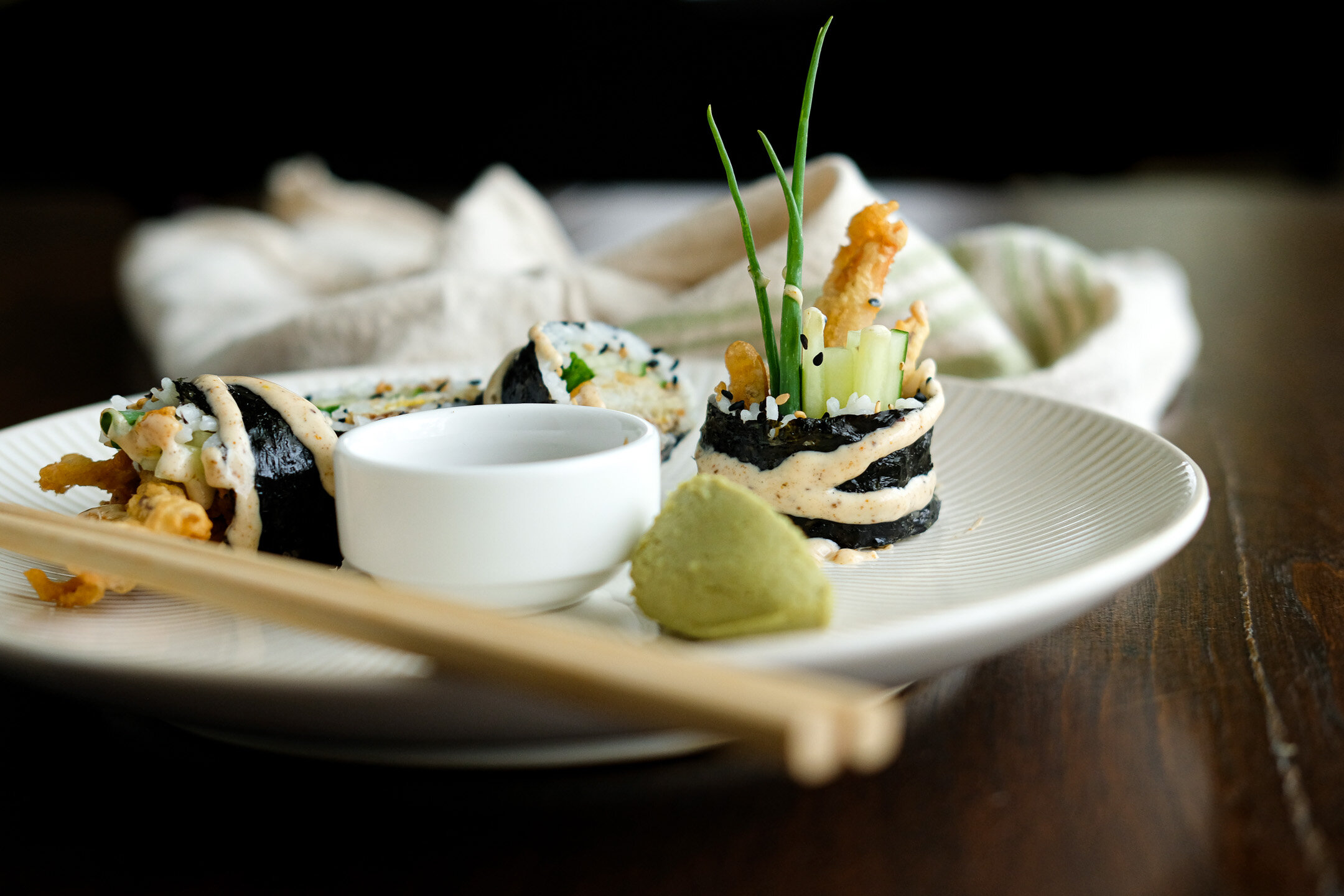
Tempura fried and rolled with cucumber, avocado, and old bay mayo, these soft shell crab rolls were light, with a filling crunch, and the most satisfying thing I’ve eaten this June.

Soft shell crabs might be nature’s most perfect food. Fried up, with a slice of ripe tomato and crispy bacon, it’s the essence of summertime on the Chesapeake.
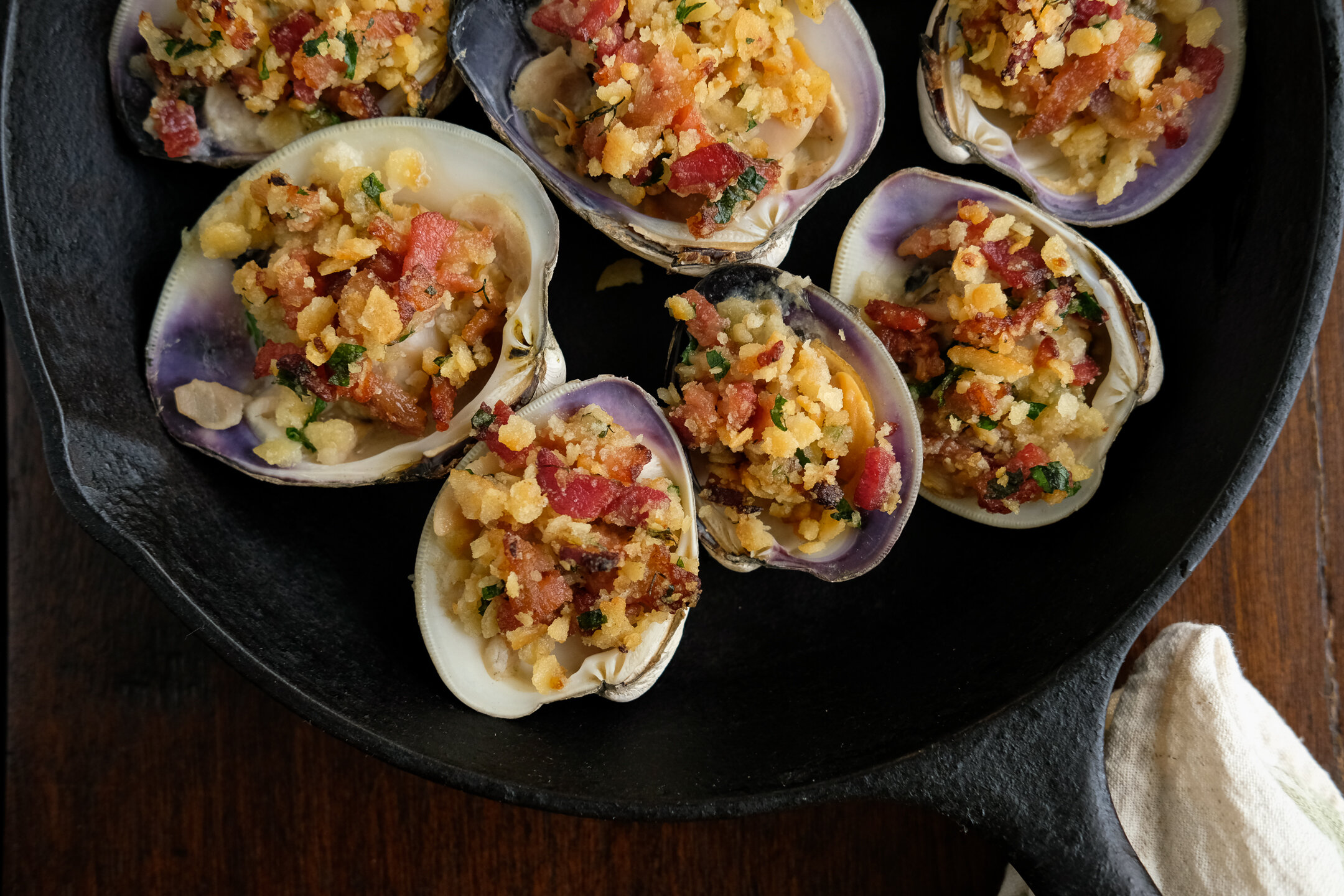

This recipe riffs on the classic clams oreganata, but with the twist of country-style Virginia ham.
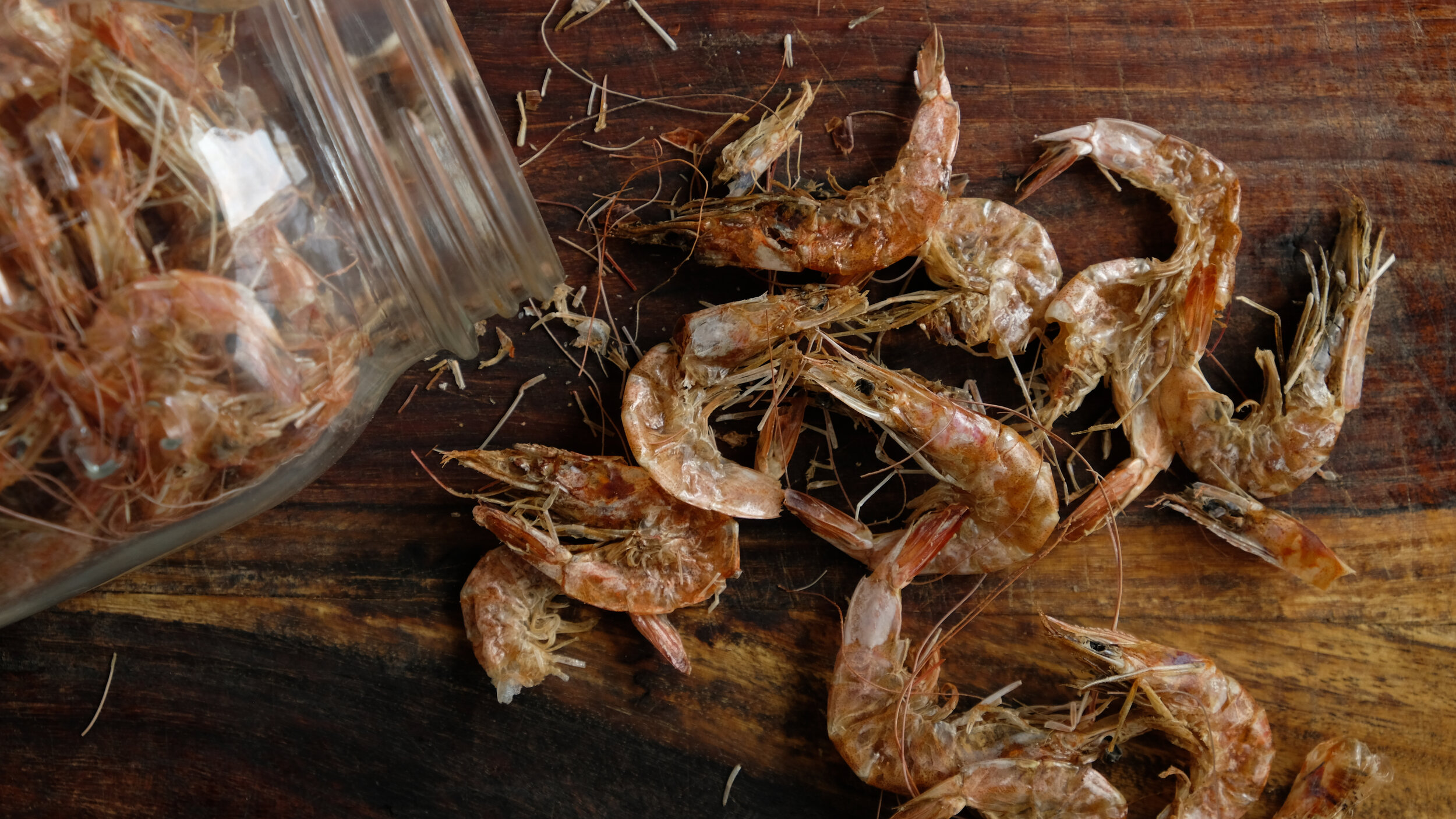
Somewhere between anchovies and parmesan- salty and full of umami, but with a distinct oceany flavor. Use them in everything.
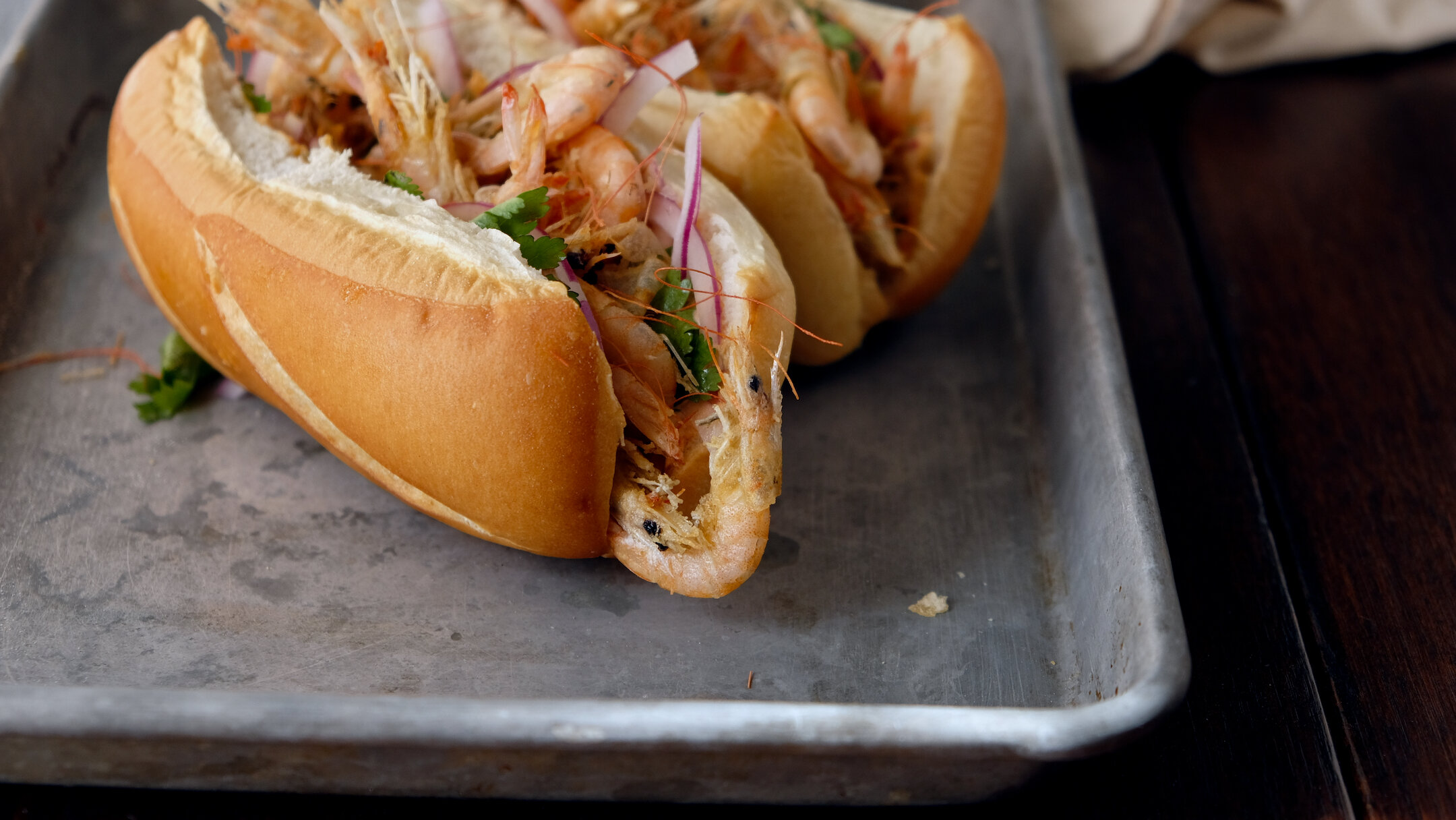
If you’ve never eaten shell-on shrimp, it's kind of like a softshell blue crab. And if you haven't had softshell crab, well, you're missing out.
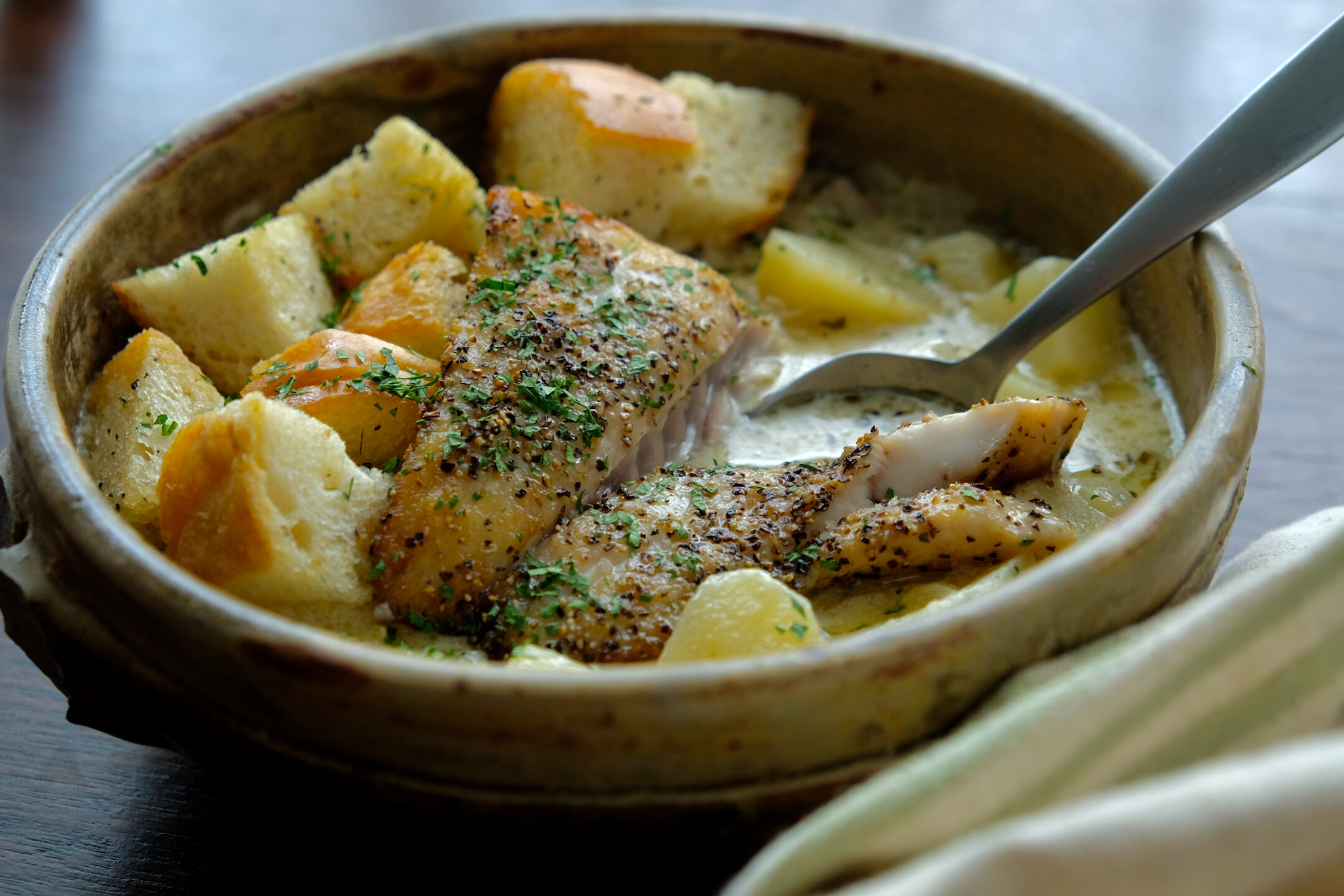
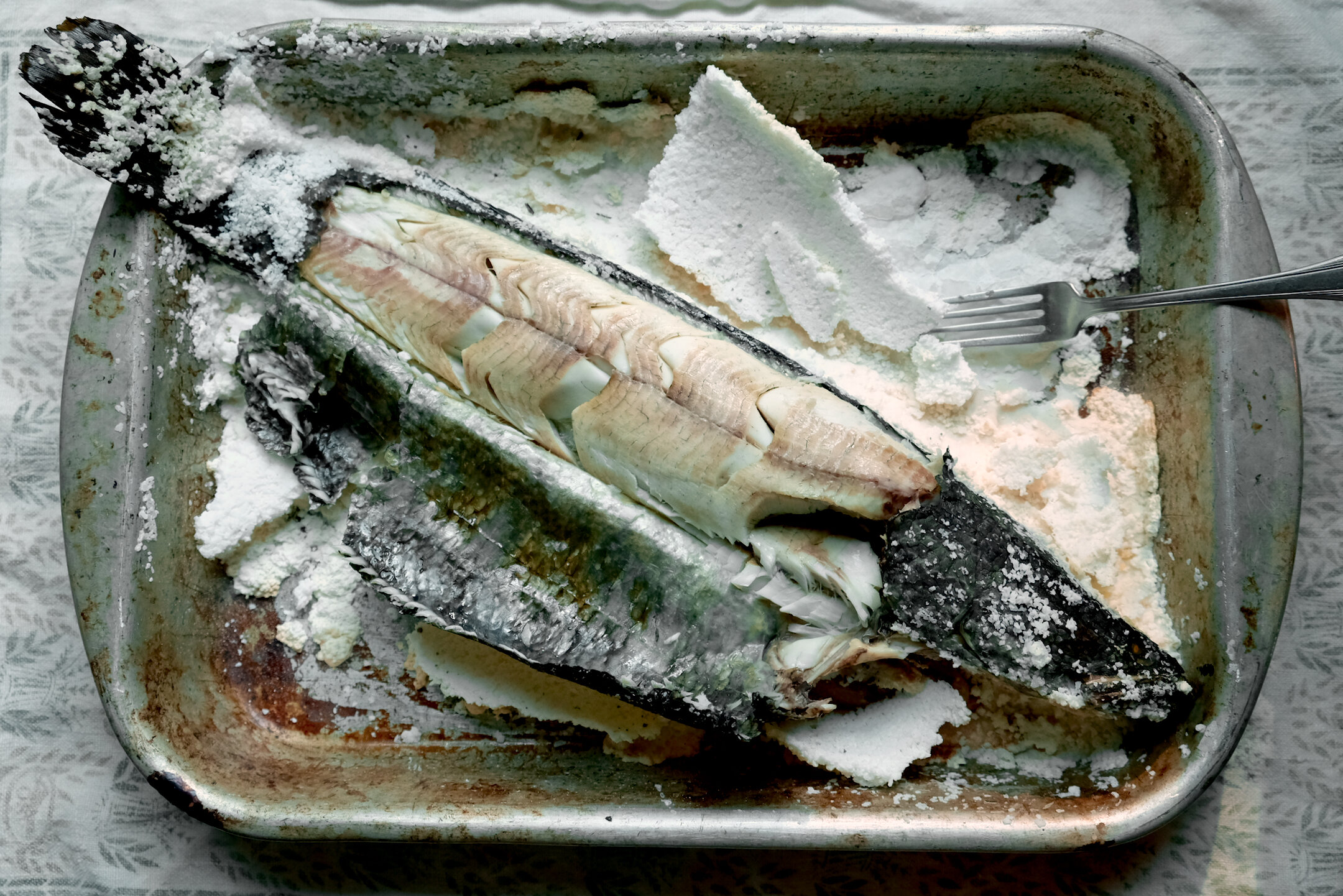
The fact that salt crusted fish comes out more evenly cooked and with better moisture retention is almost second to the drama of the presentation.
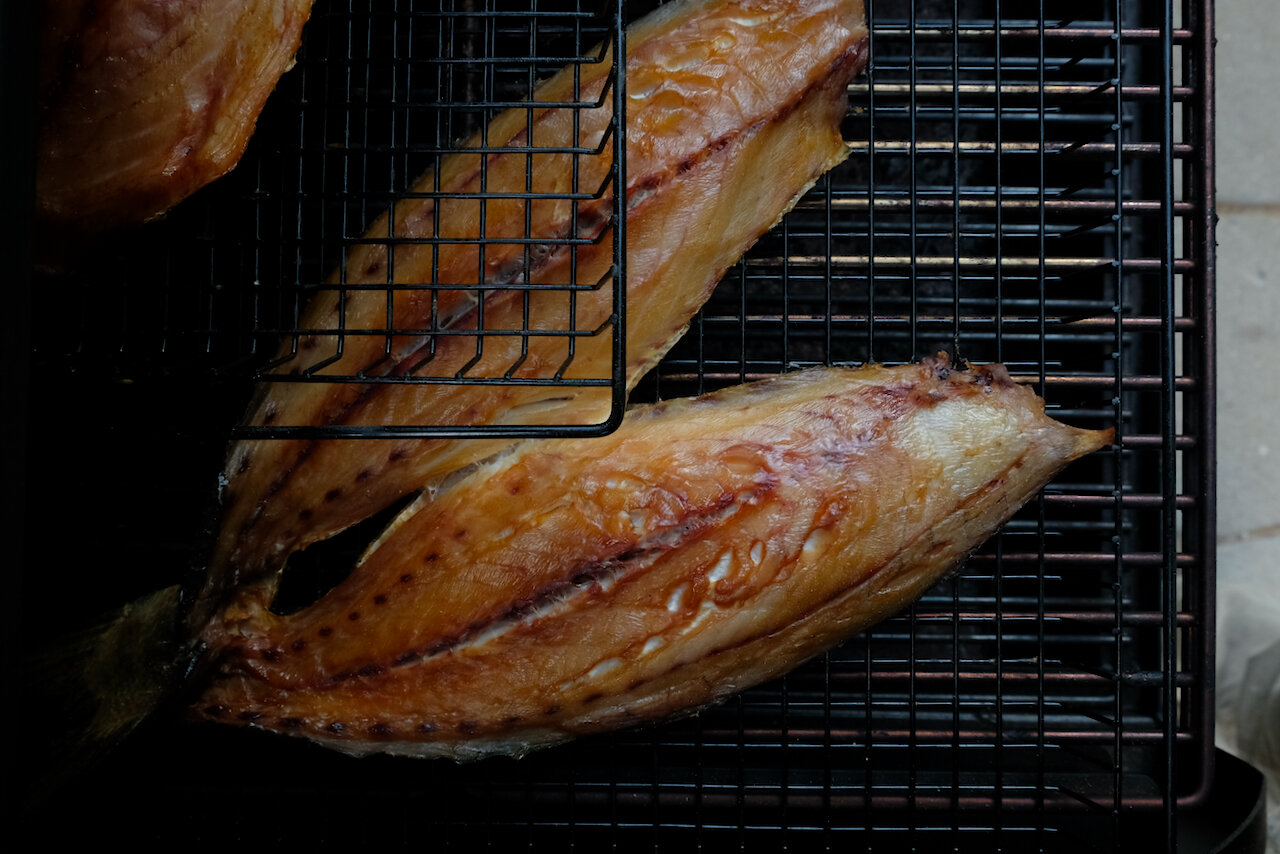
For all the bluefish you can’t eat fresh- a great addition to dips, flaked into hash and omelets, and anywhere else a salty and smoky touch of flavor is needed.
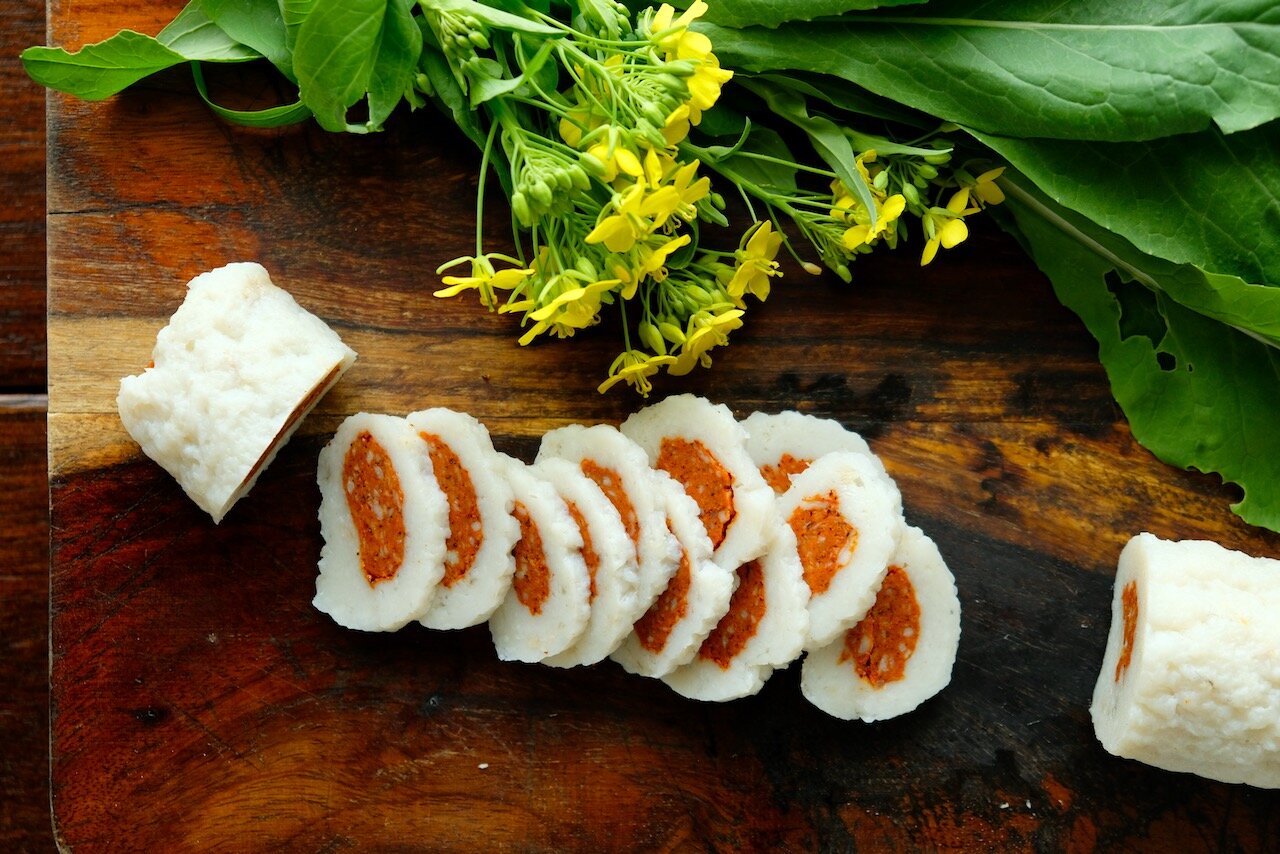
Kamaboko- you might not have heard of it, but I guarantee you’ve tried it. These are as good, if not better, than the kamaboko you can buy in asian grocery stores.
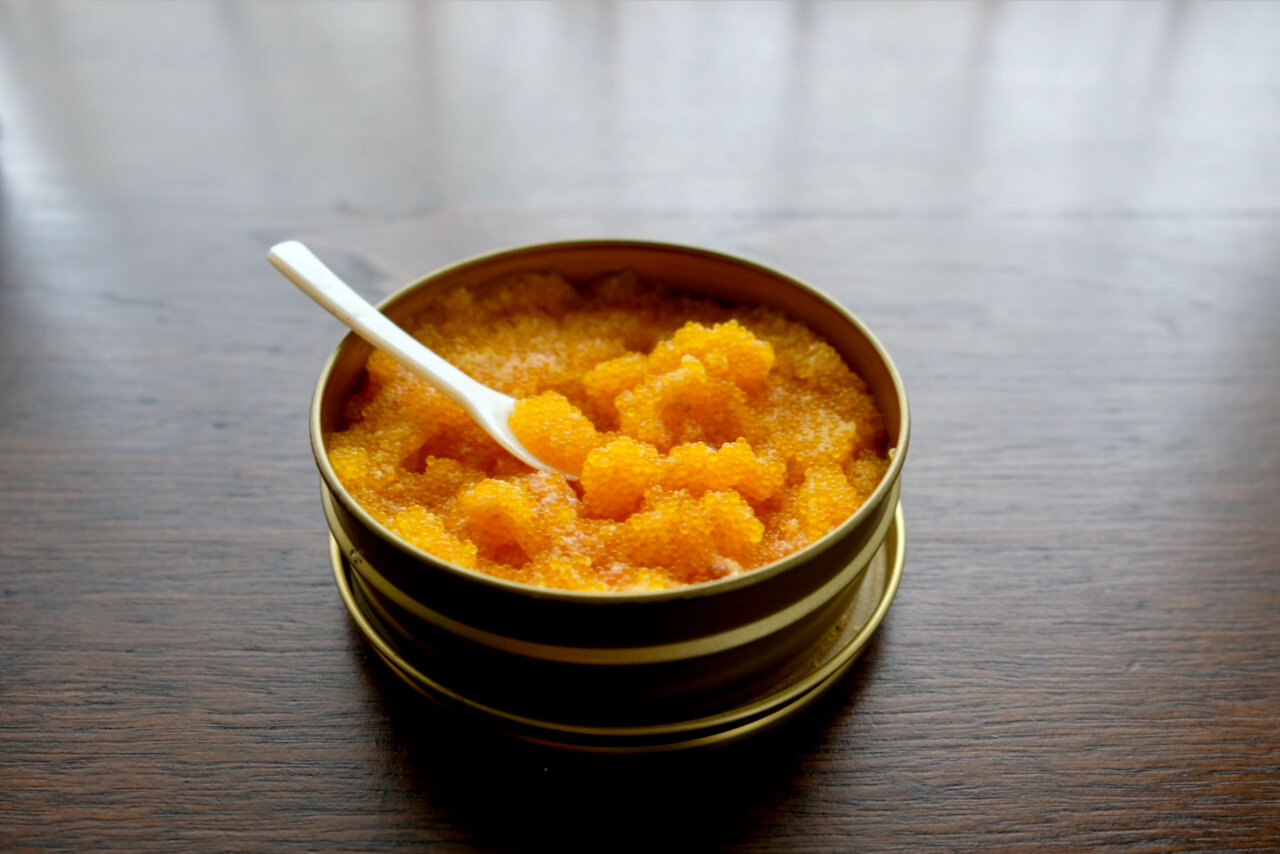
The fine texture, color and richness of snakehead roe is exceptional. Flavor-wise, it is mildly briny and not fishy at all, with an eggy richness that you only find in good fish roe.
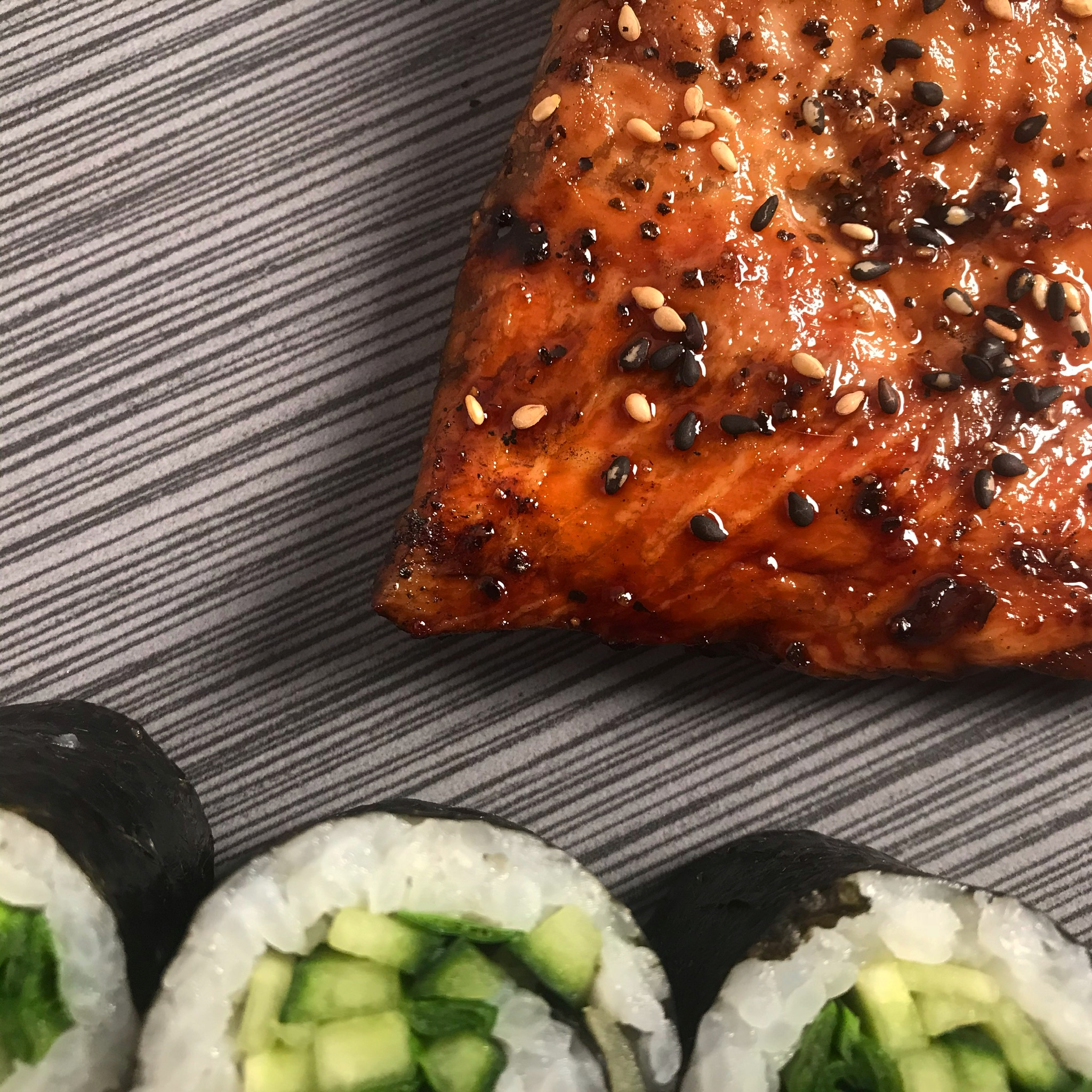
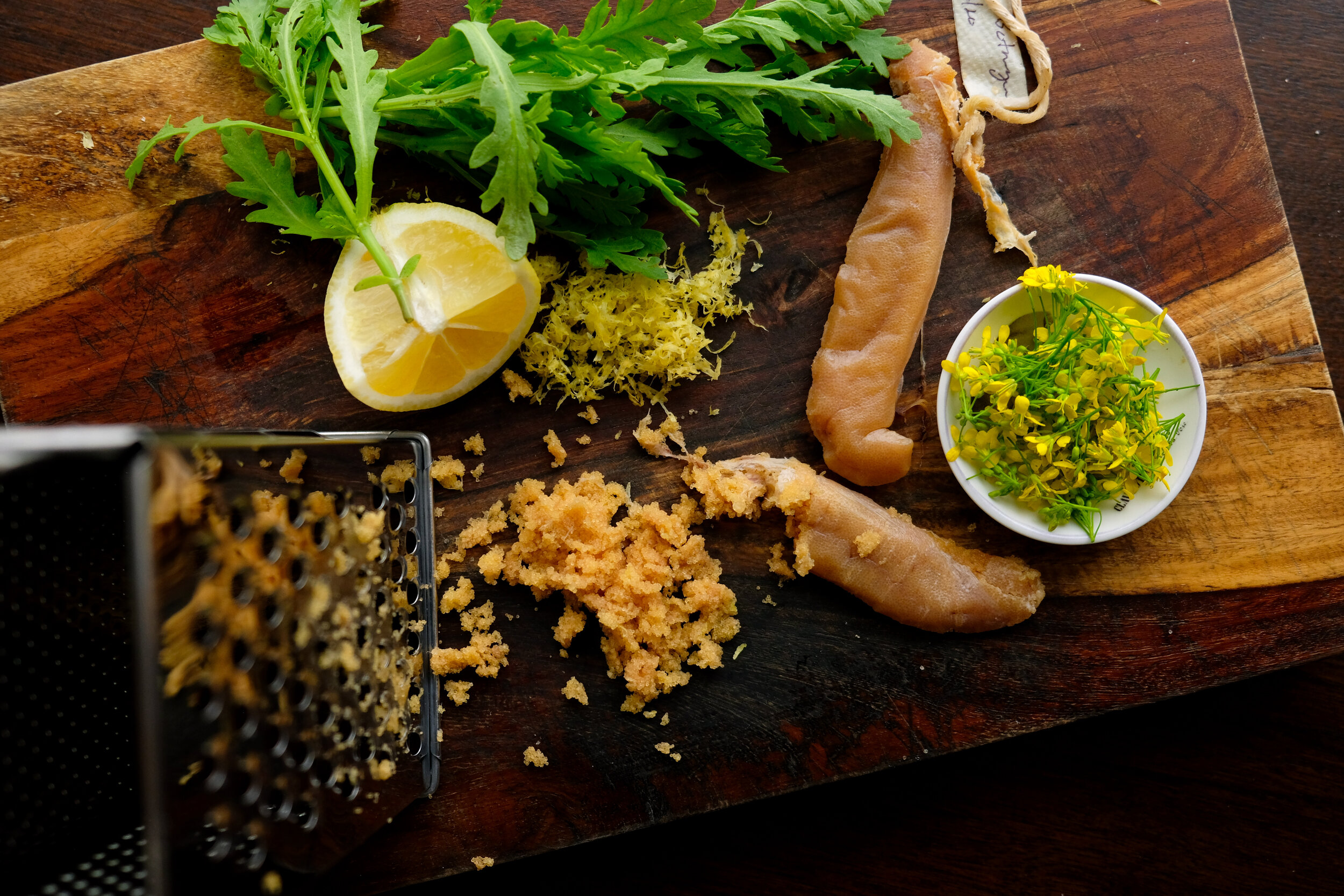
Bottarga, essentially, is a salt cured roe sac. The result is something similar to parmesan cheese, but with an eggy-briny flavor.
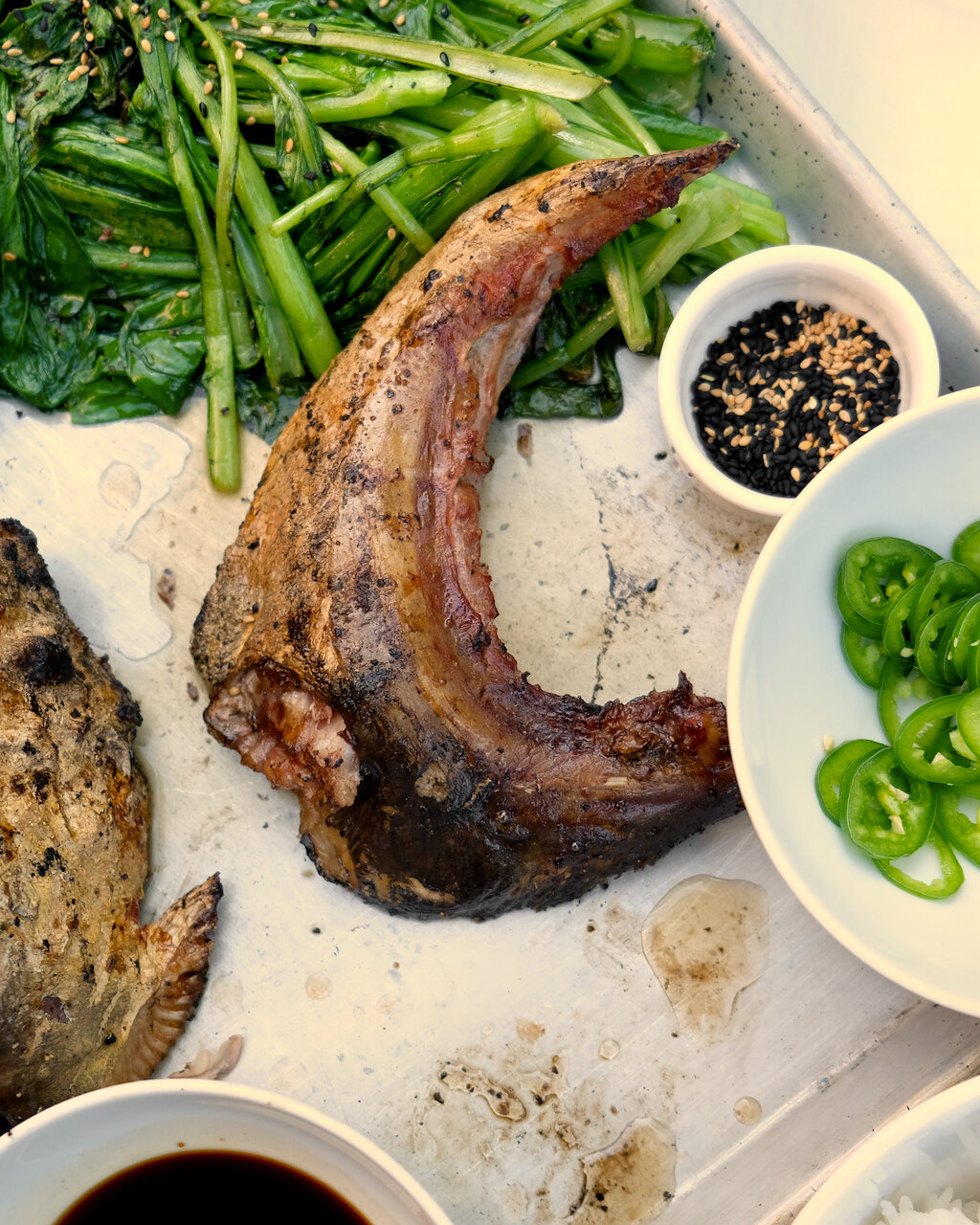
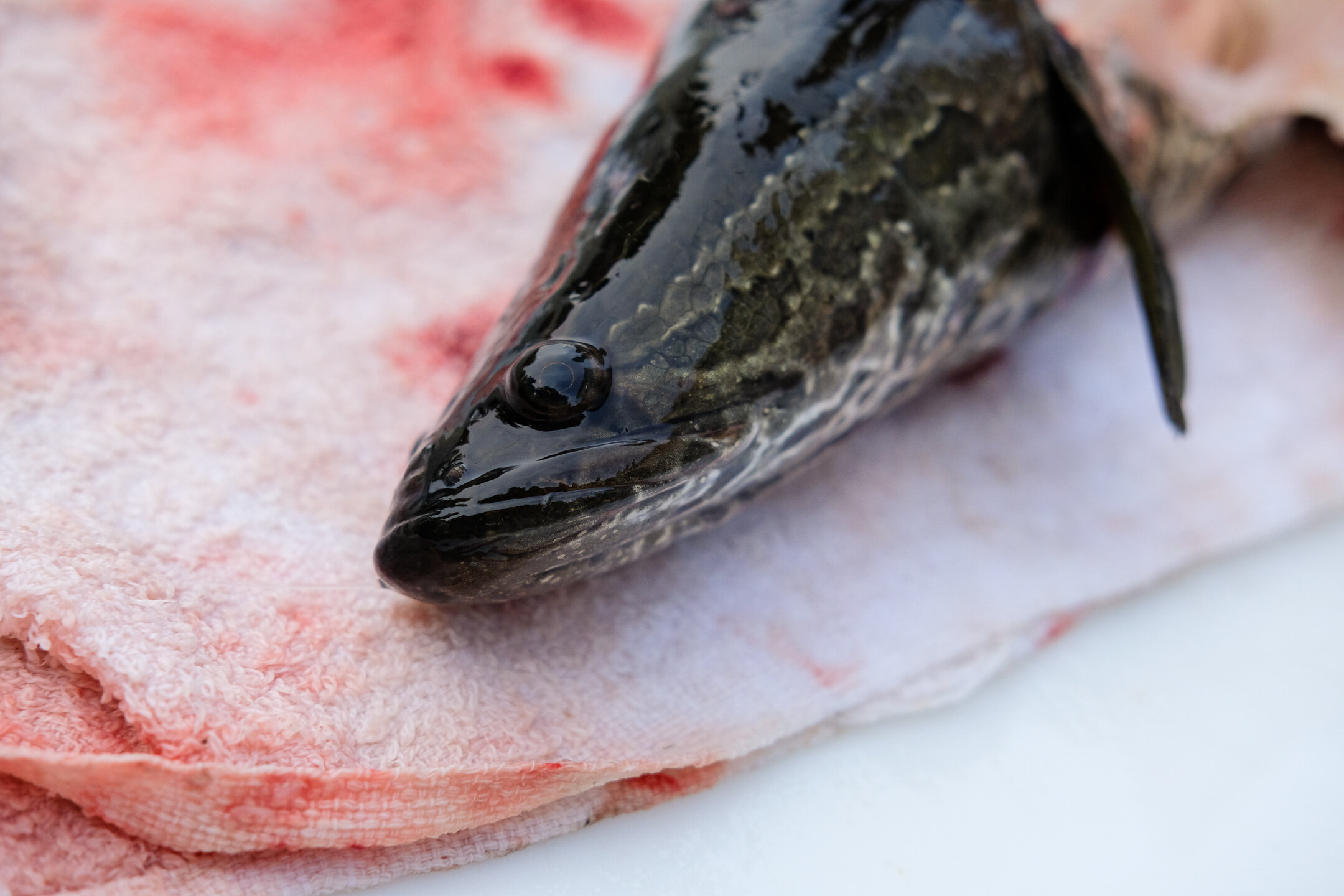
Handling and preparing the tastiest ‘trash fish’ in the bay