
Grilled Cobia Collars with Yuzu Ponzu
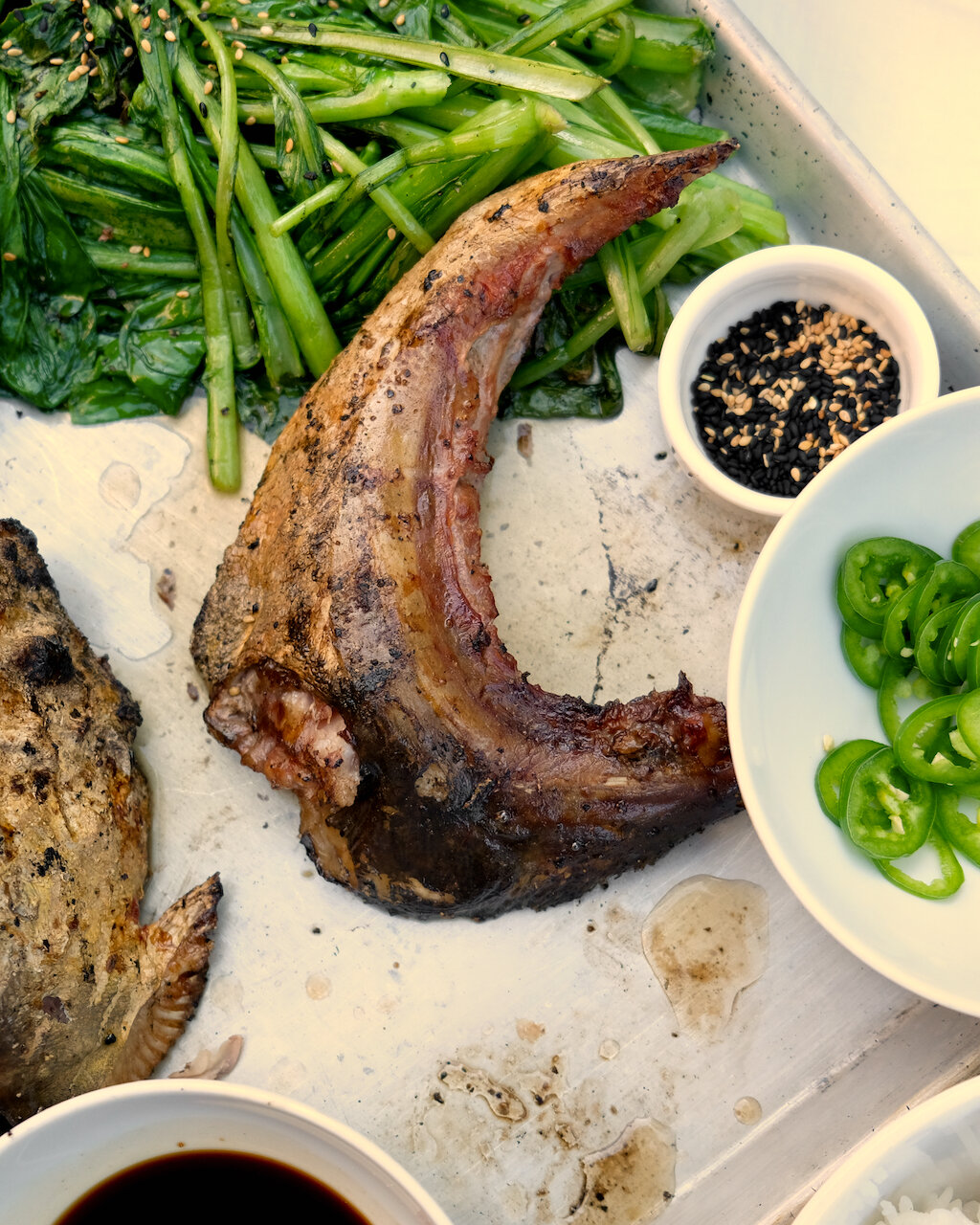
The first time I had grilled fish collars, I was at a local sushi restaurant. It was a revelation- to this day, it was one of the best things I've ever had. The hamachi collar was lightly charred and the meat that I pulled away from the bone was juicy, with an amazing texture. Each pocket of meat had a slightly different feel- it reminded me of crab meat, with its linear structure and firm but melty texture. They served it simply, with some ponzu and a side of rice.
A few years later, I was cleaning a rockfish on the tailgate of my truck, and right before I tossed the head in the bucket full of fish parts bound for the end of the boat ramp, I decided to cut the collars out. I grilled them, and we ate them with a slice of lemon and some sea rocket and sea beans we had foraged that day.
It was a memorable meal.
After that, I started keeping all the collars from the bigger fish we caught. Rockfish (or striped bass if you’re not from the Chesapeake Bay area), snakeheads, and cobia are the fish we commonly pursue with collars worth saving. A keeper-sized cobia yields a pair of collars that is enough for one meal or two very generous appetizers. If we’re not planning on cooking the collars the same day we catch the fish, we’ll freeze them until we’ve built up a hoard of them, and then cook them all at once and pick them like crabs.
Grilled Cobia Collars with Yuzu Ponzu
Cook time: 35 minutes
Serves: 4-6
Ingredients:
Yuzu Ponzu-
1 cup light colored stock (chicken or similar)
½ cup soy sauce
¼ cup rice wine vinegar
2 tbsp sugar
¼ cup yuzu juice (sub lemon+lime juice)
2” ginger, peeled, minced
4-6 garlic cloves, minced
Collars:
As many fish collars as you want
Oil
Salt
Method:
Make the ponzu- Combine all ingredients, stir and simmer until reduced to about half. Allow to cool.
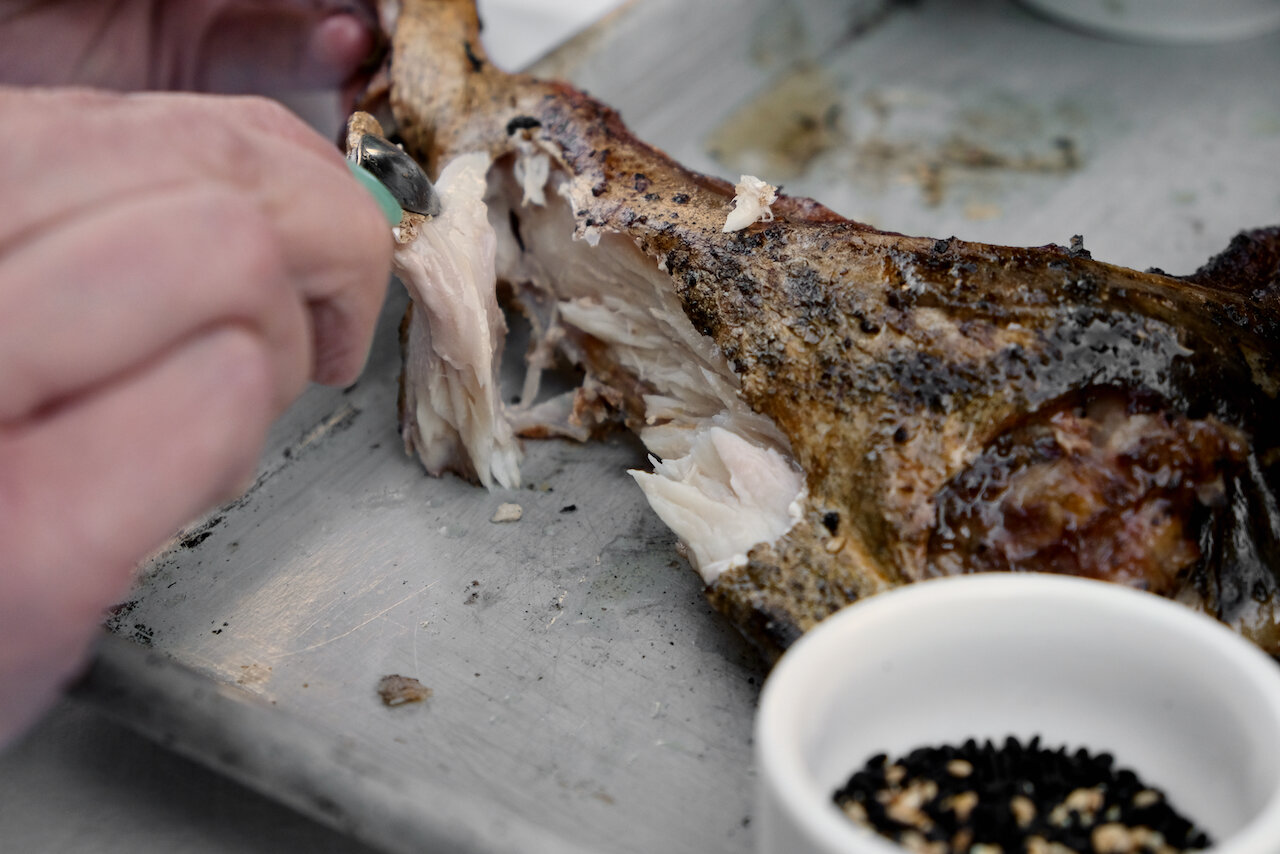
Cut out the collars. Collars can be a bit of a pain to cut out, especially if the fish has thick skin and a heavy bone structure, but it's worth it every time. A stout knife paired with a mallet makes it easier. Trim the gills and any loose connective tissue from the collars.
Season with a little salt, drizzle with oil and grill over high heat for 2-4 minutes on each side.
Serve with chopsticks and rice, but don't be afraid to use your hands.

Bluefish cakes are a perfectly tasty way to preserve some bluefish in a near-fresh quality.
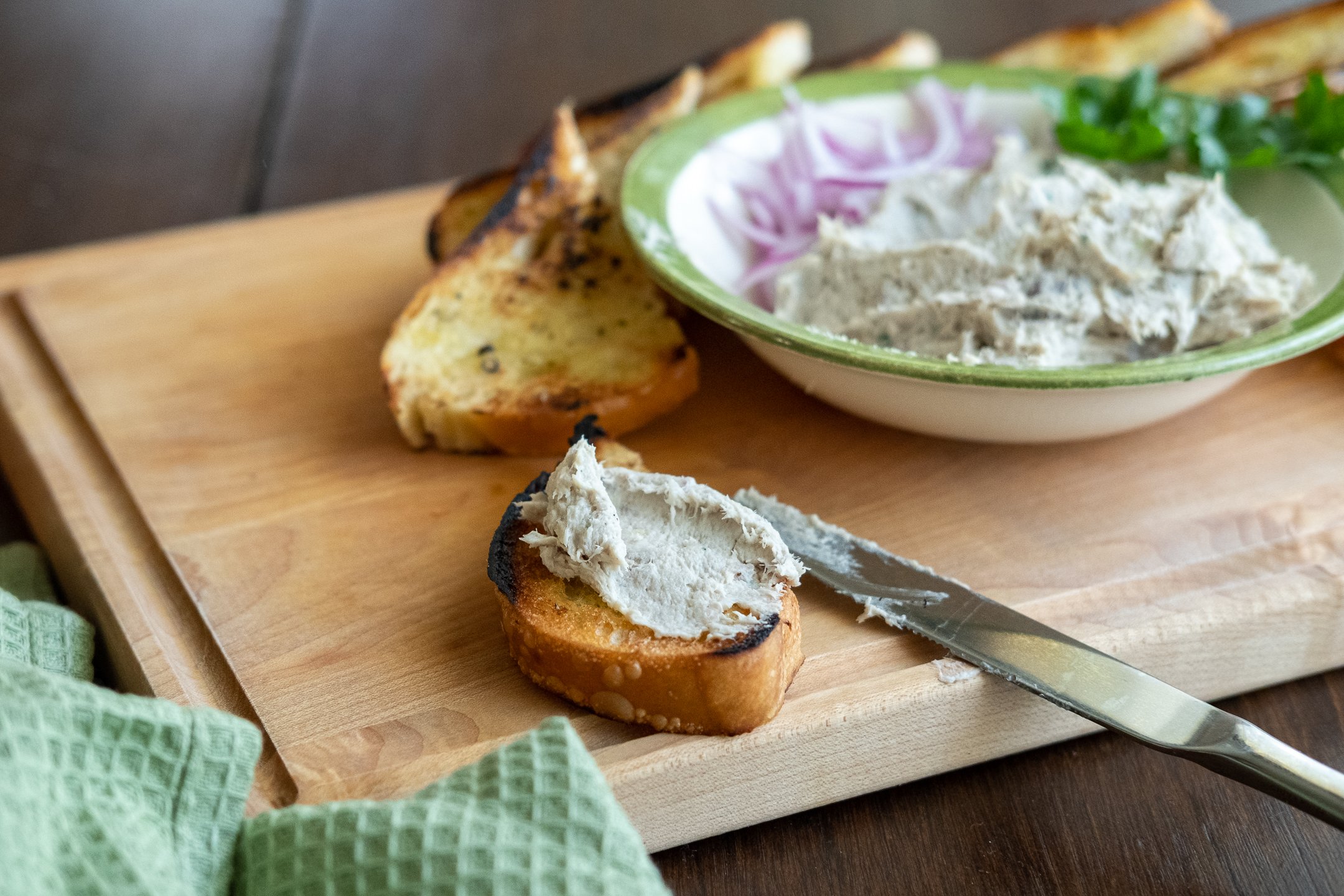
Got more bluefish than you know what to do with? This classic preparation is what you’re looking for.
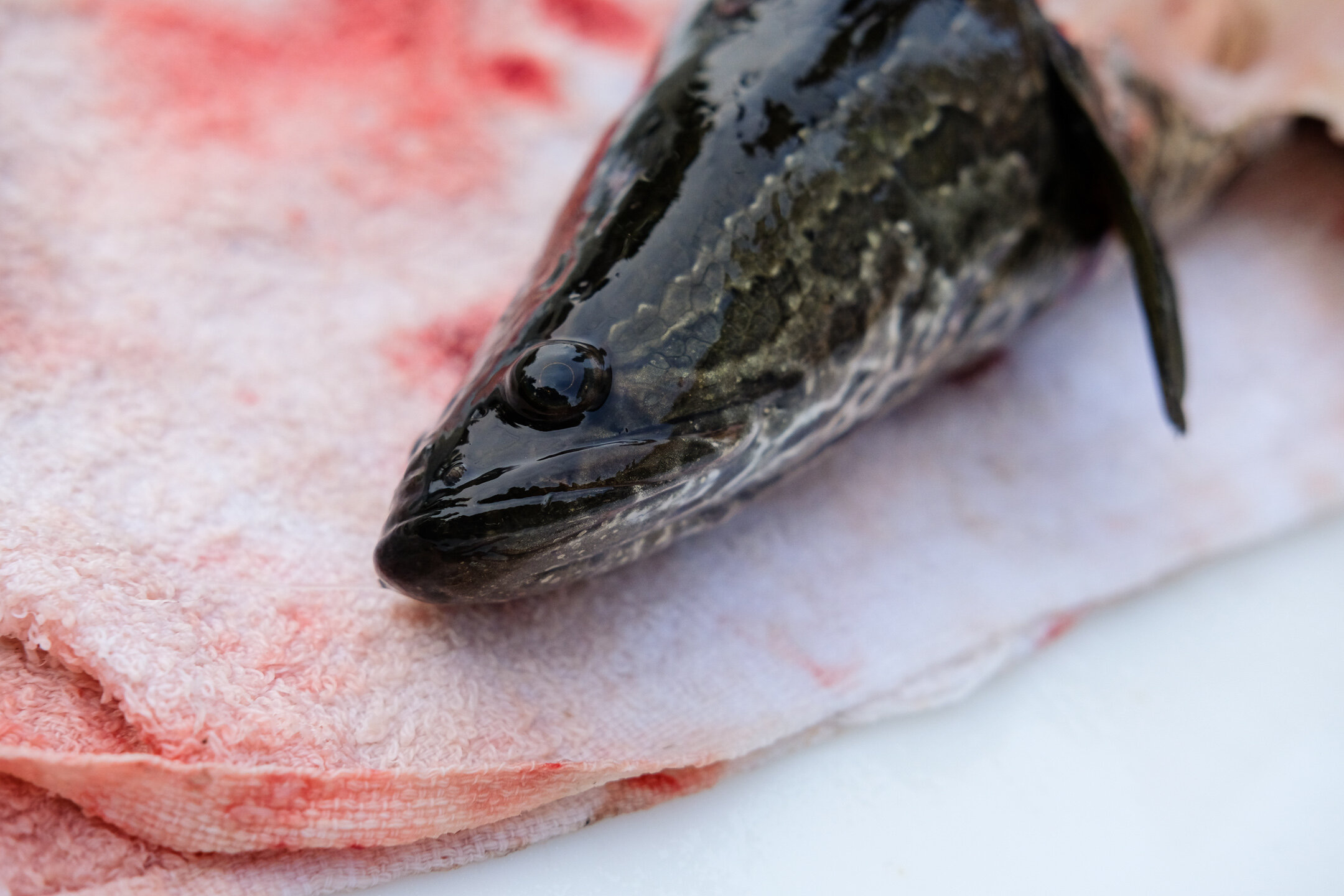

Crispy wok-fried Chesapeake Bay soft shells coated in a sticky, spicy, gingery sauce are a perfect storm of hyper-regional ingredients and imported techniques. This is what food is all about: blending cultures, time and places.

These wraps are great finger food, perfect for summer cookouts or a dinner on the patio overlooking the garden.

If you’re from the camp that thinks the only good thing to do with bluefish or mackerel is smoking it and making dip, this might change your mind.
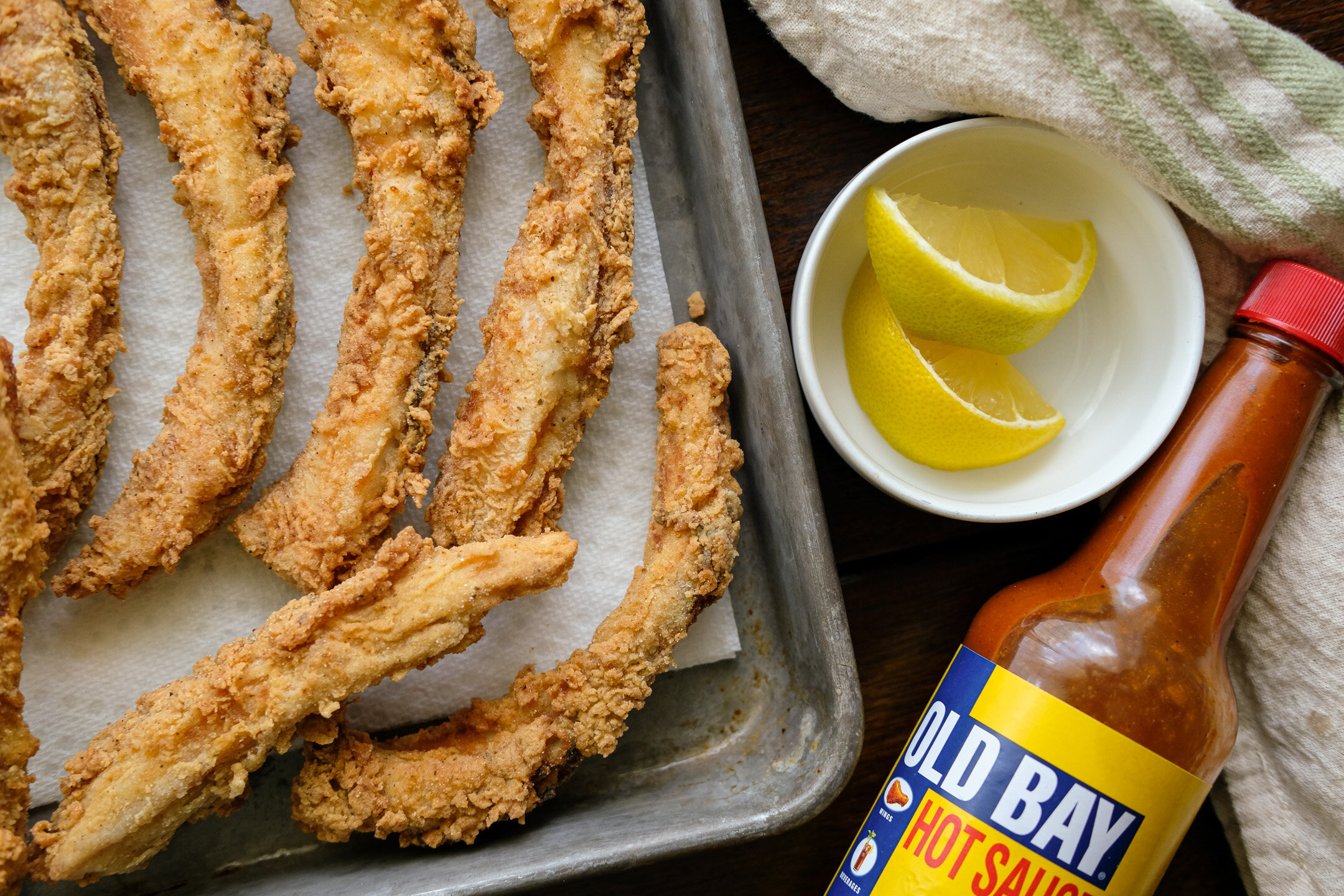
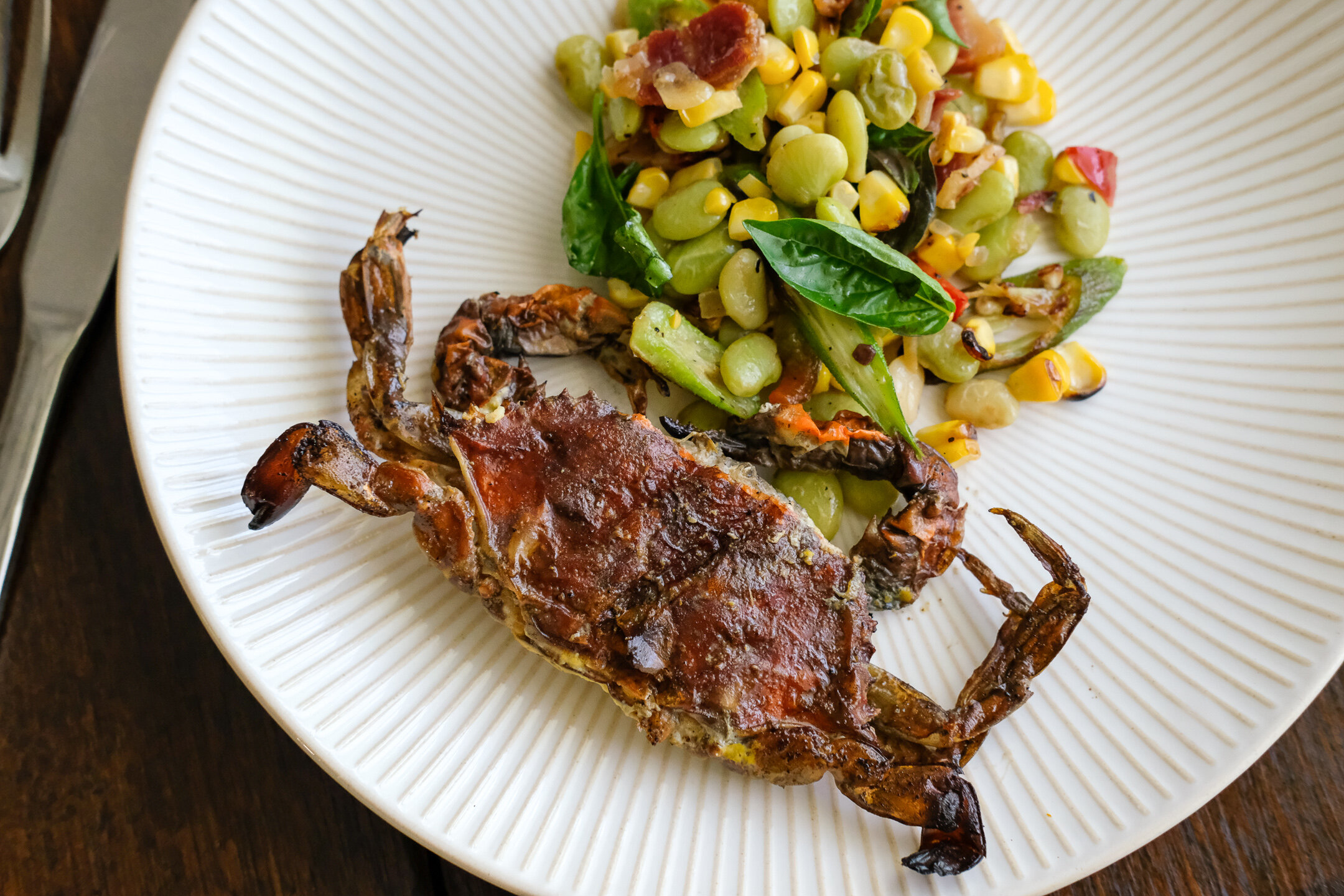
The method for grilling softshell crabs is simple: high heat to get the shells crispy, seasoning & some fat. You can use any fat you want, but the butter added a bit of welcome richness, I highly recommend it. As for seasoning, salt and pepper if you want to keep it minimalist. Old Bay if you know what's up.
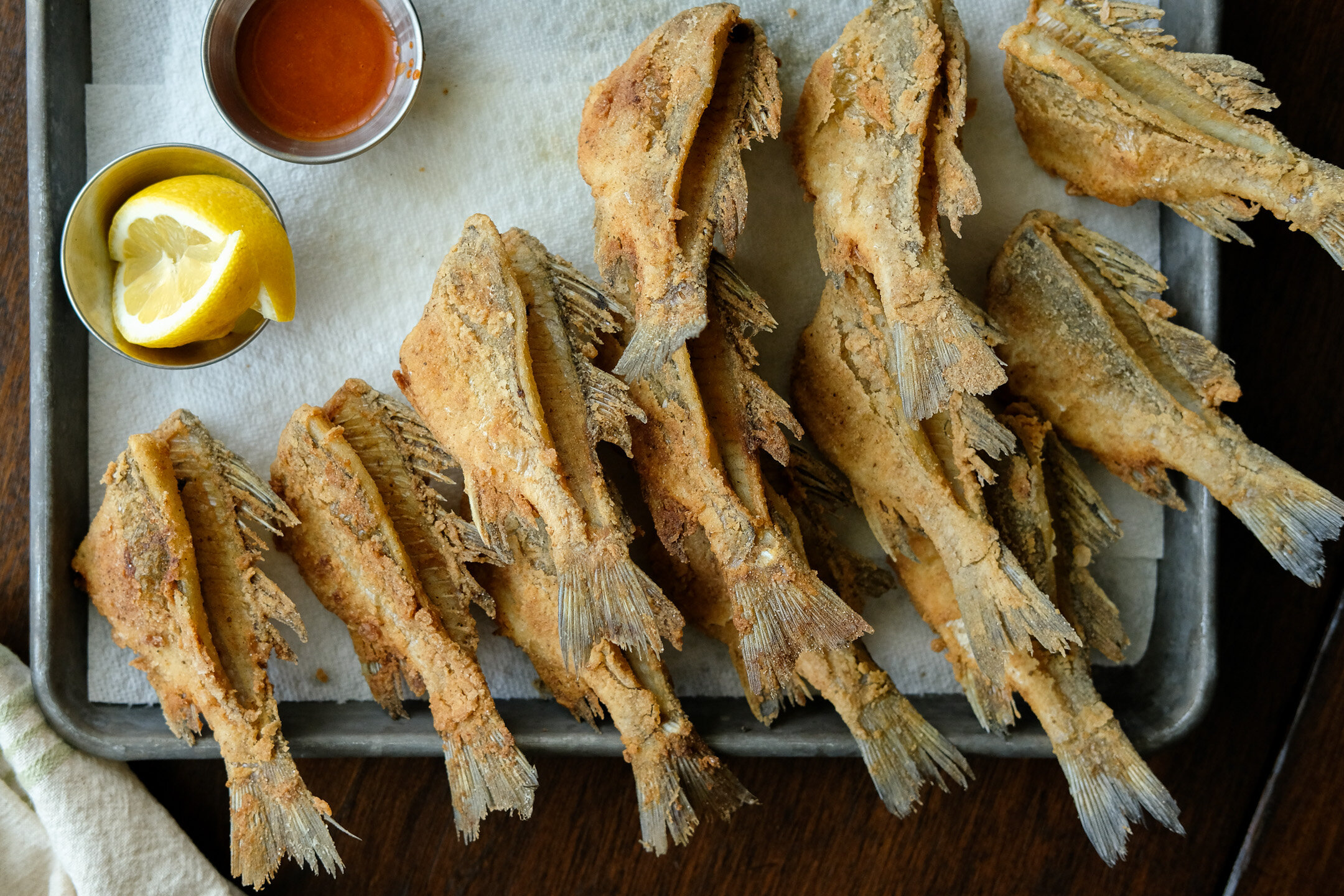
White perch are a lot of fun to fish for and some of the best table fare there is. They're abundant and aggressive, and once you find them, you can pile them up.
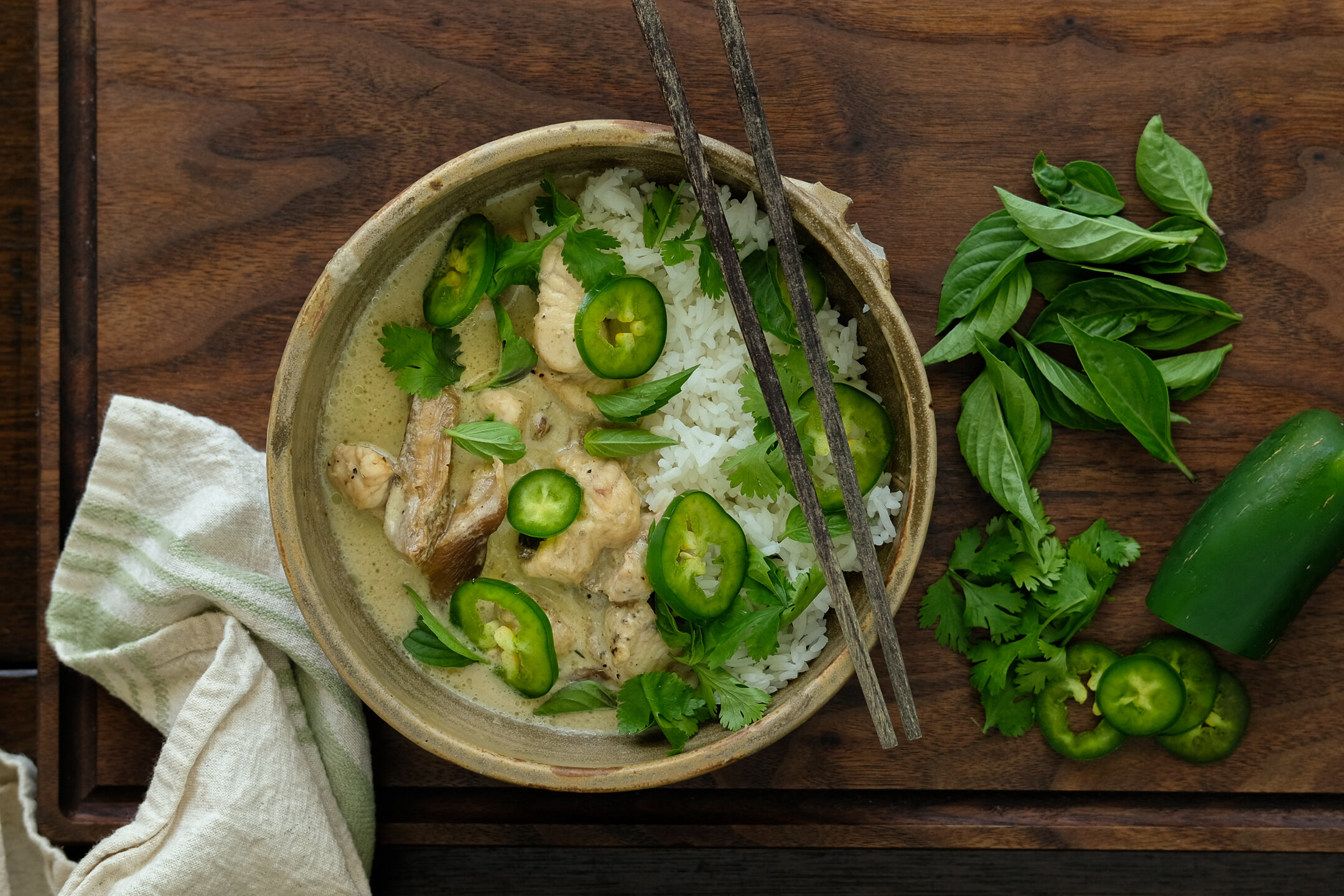
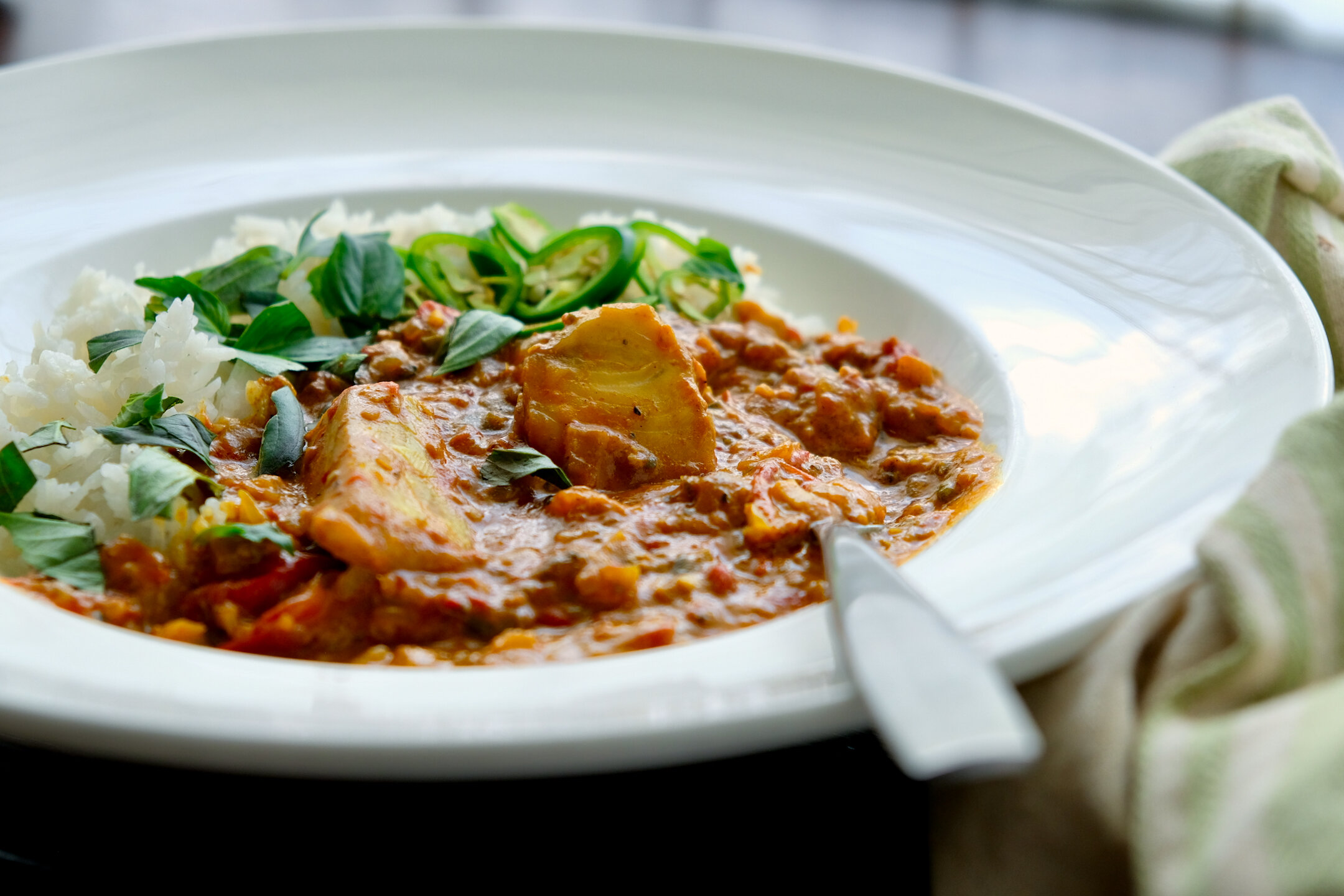
This green curry recipe has become a recurring dish after long and hot days on the water. It’s spicy, creamy without being too heavy, and refreshing yet comforting.

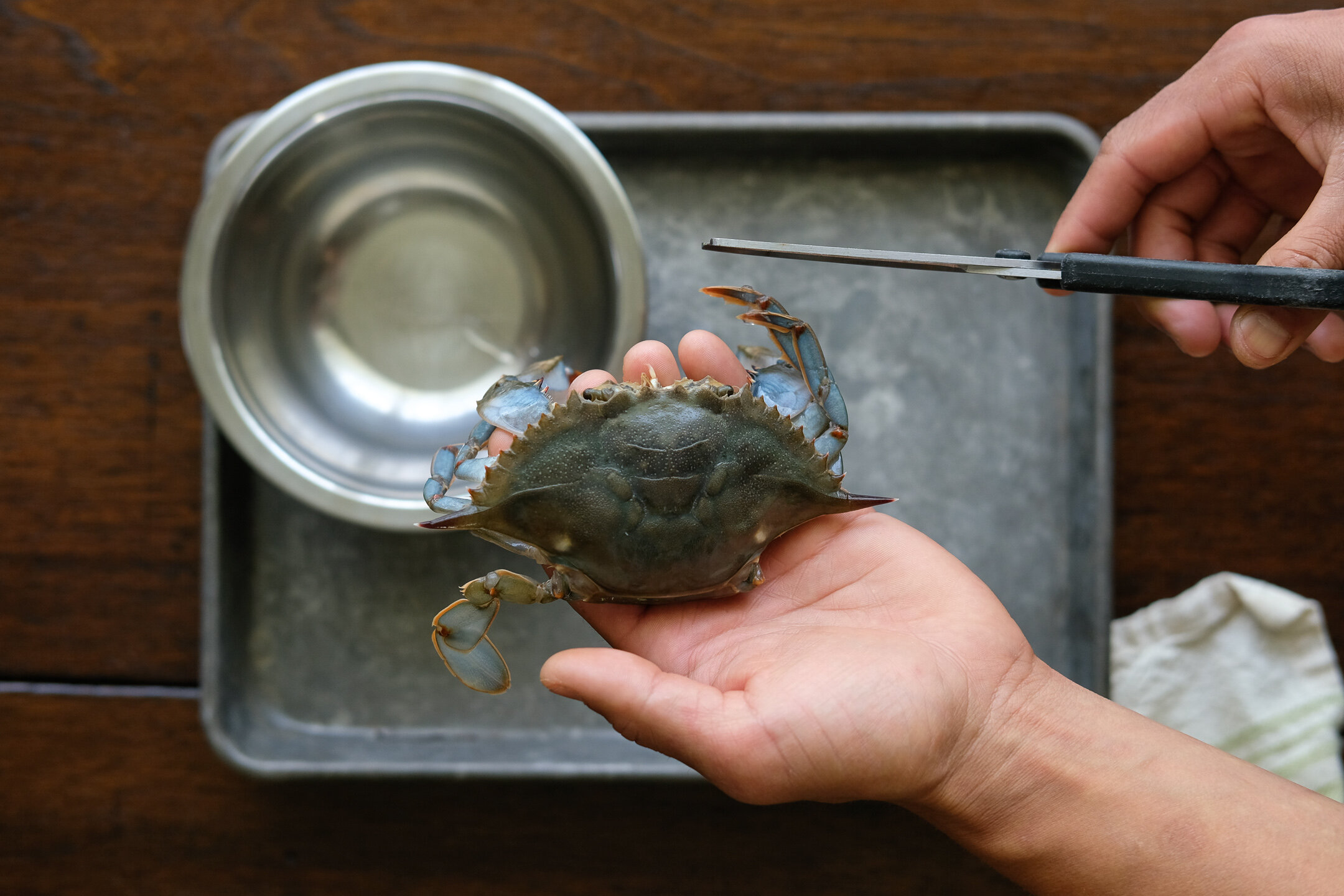
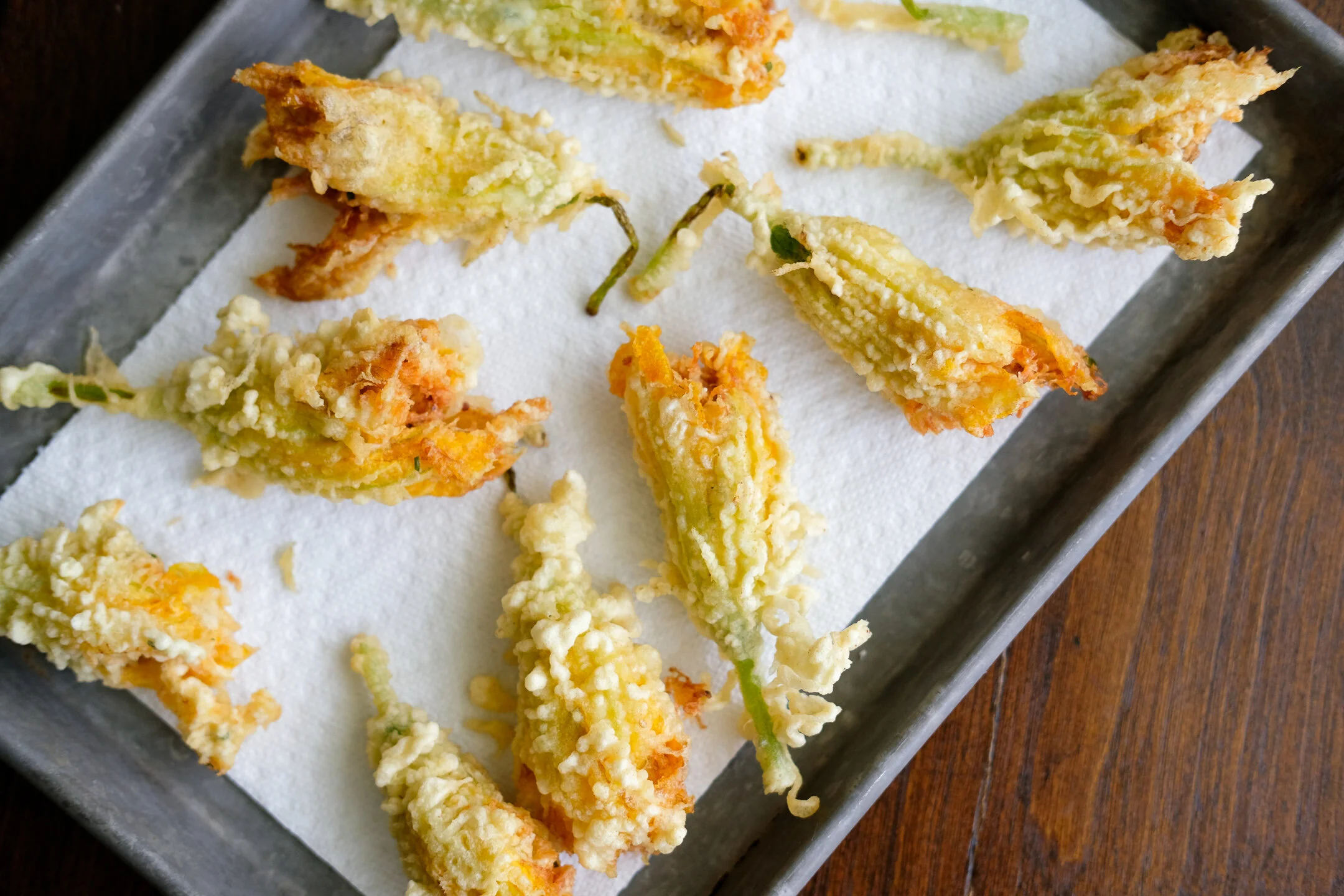
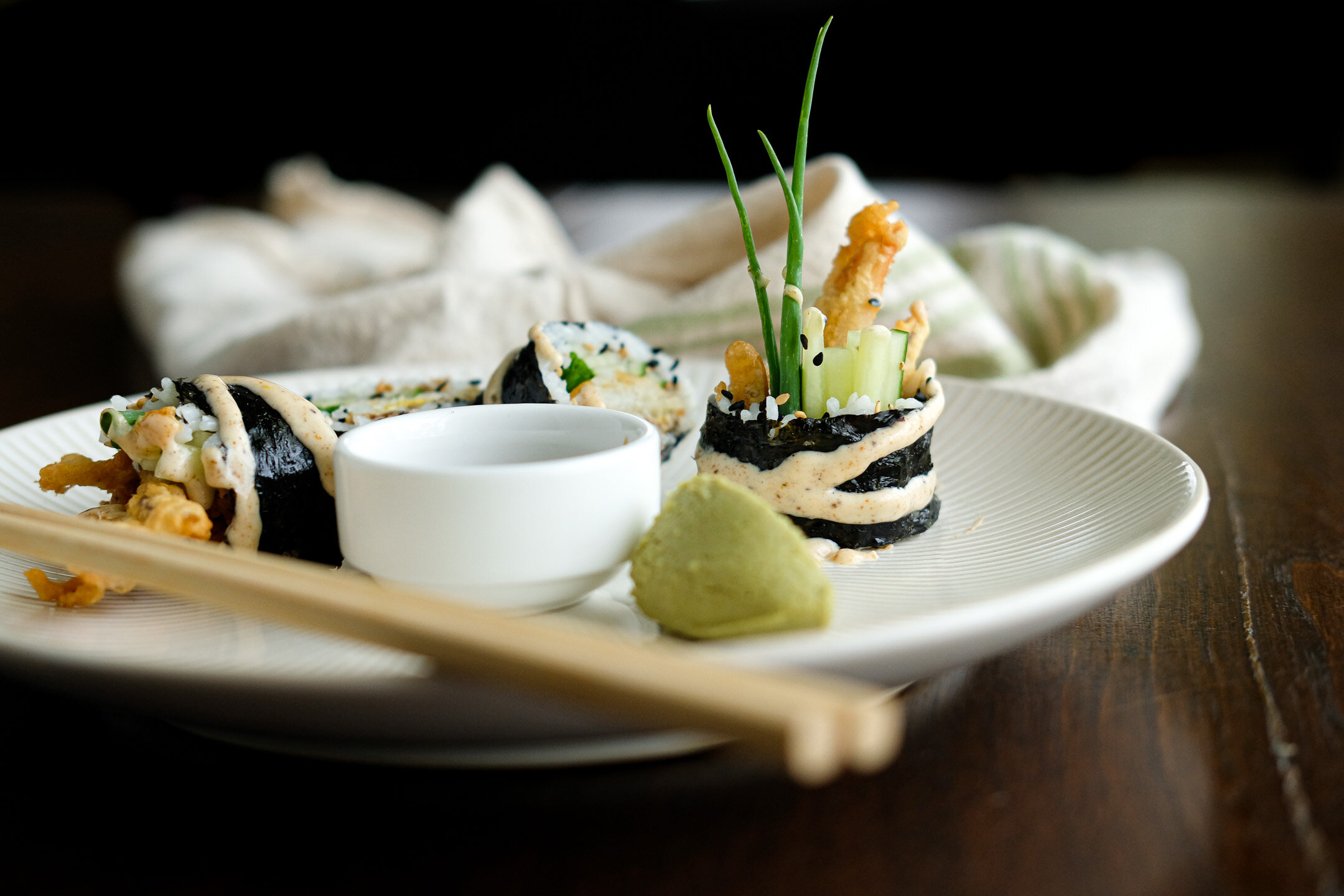
Tempura fried and rolled with cucumber, avocado, and old bay mayo, these soft shell crab rolls were light, with a filling crunch, and the most satisfying thing I’ve eaten this June.

Soft shell crabs might be nature’s most perfect food. Fried up, with a slice of ripe tomato and crispy bacon, it’s the essence of summertime on the Chesapeake.
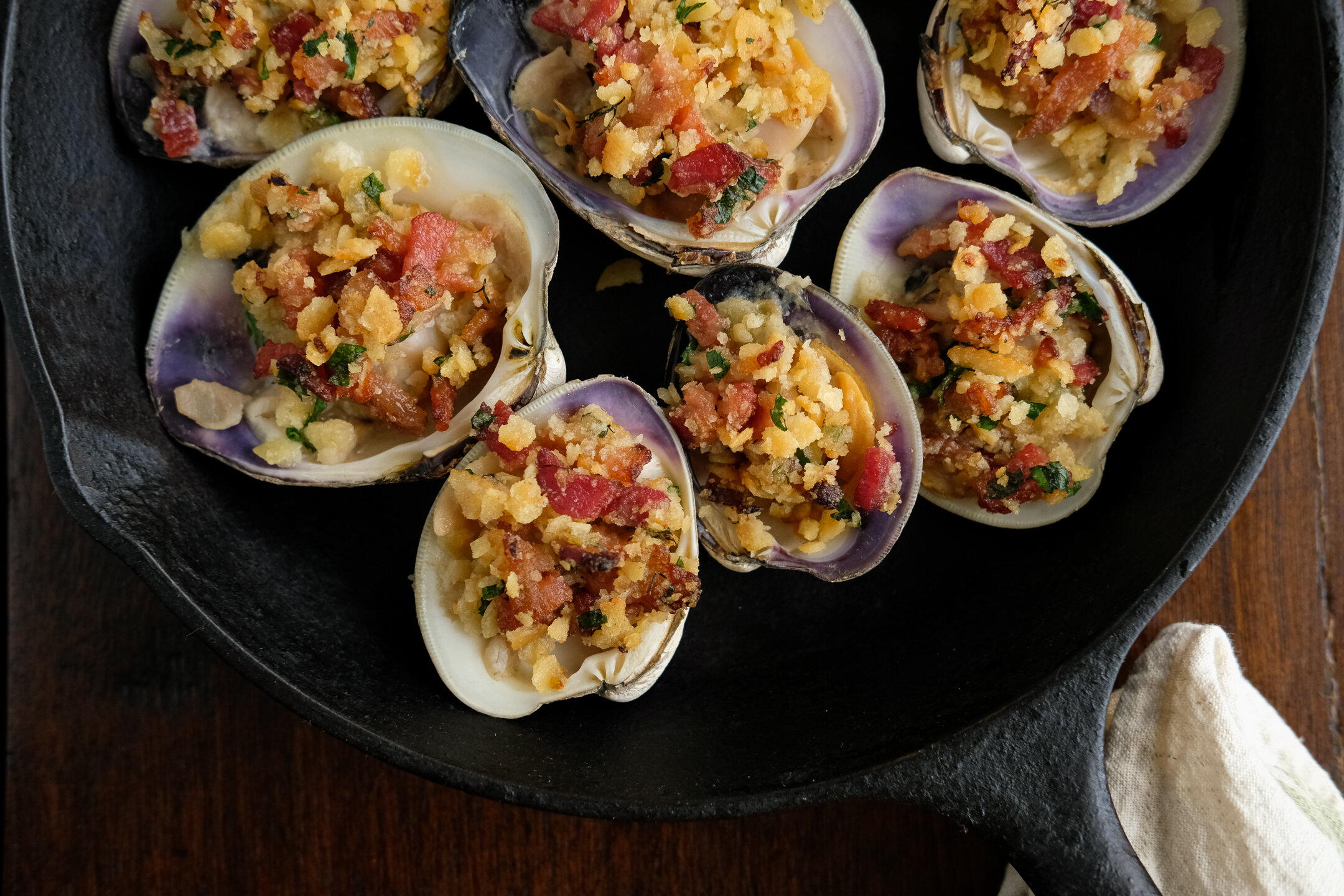

This recipe riffs on the classic clams oreganata, but with the twist of country-style Virginia ham.
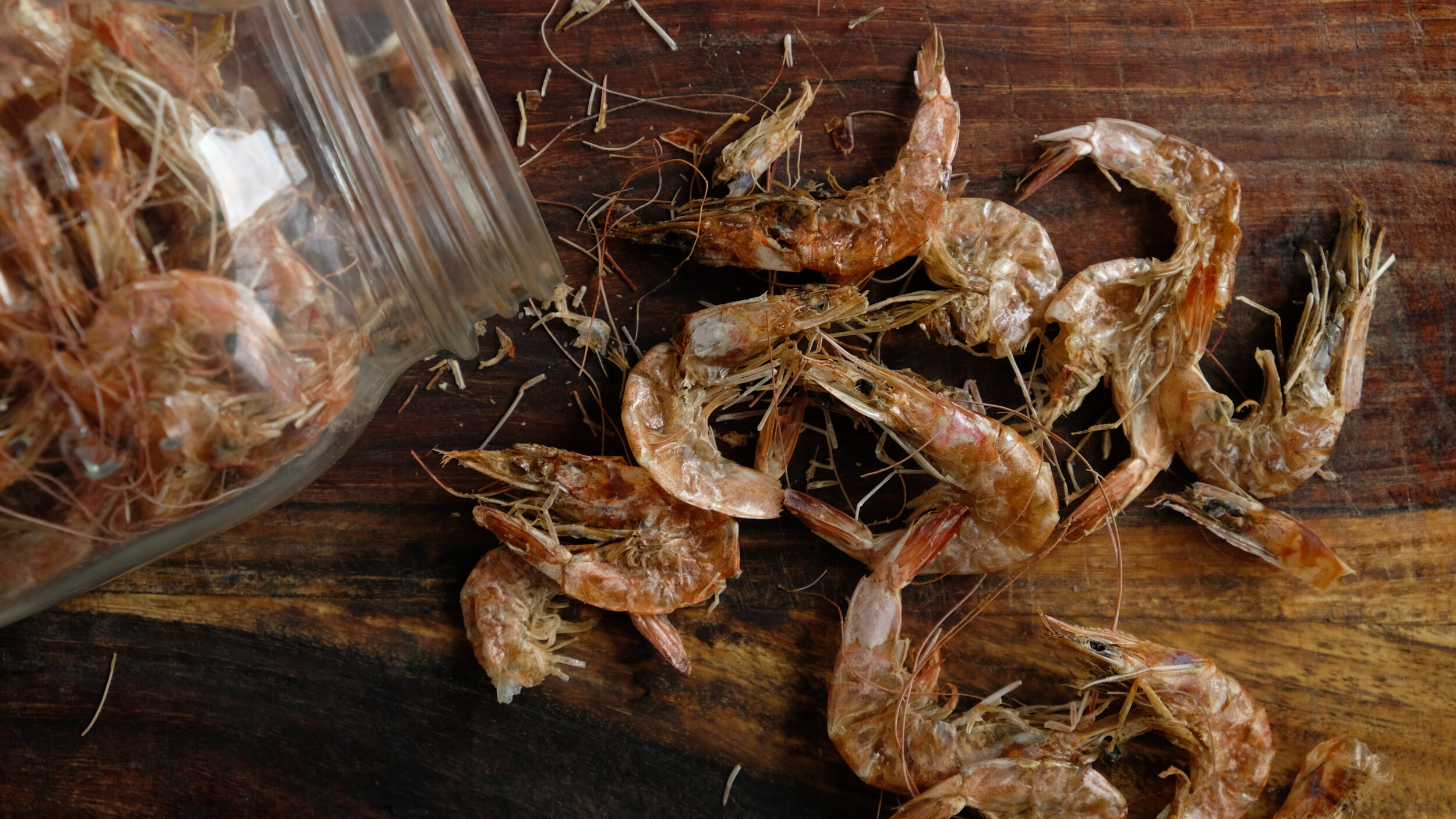
Somewhere between anchovies and parmesan- salty and full of umami, but with a distinct oceany flavor. Use them in everything.
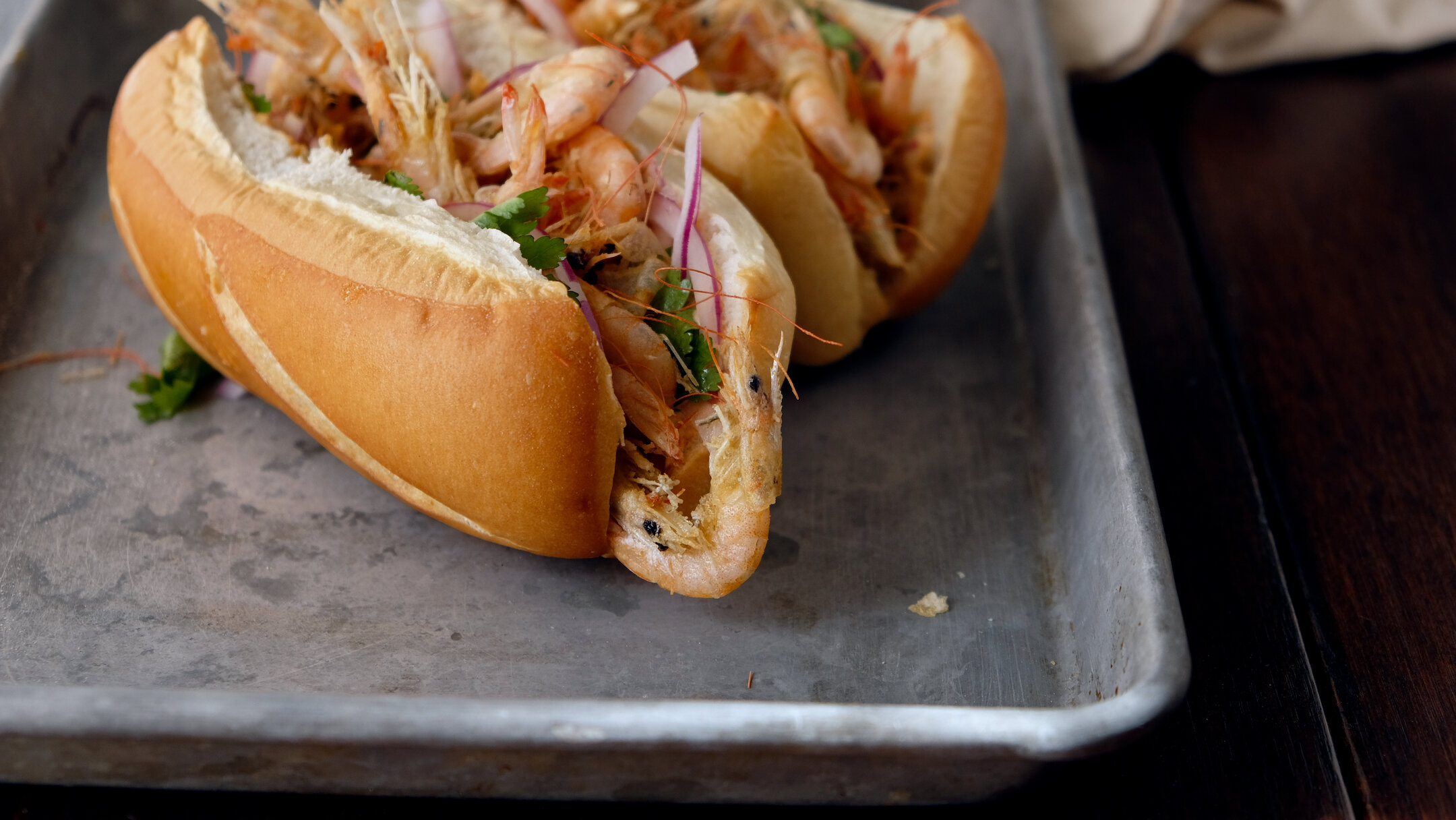
If you’ve never eaten shell-on shrimp, it's kind of like a softshell blue crab. And if you haven't had softshell crab, well, you're missing out.
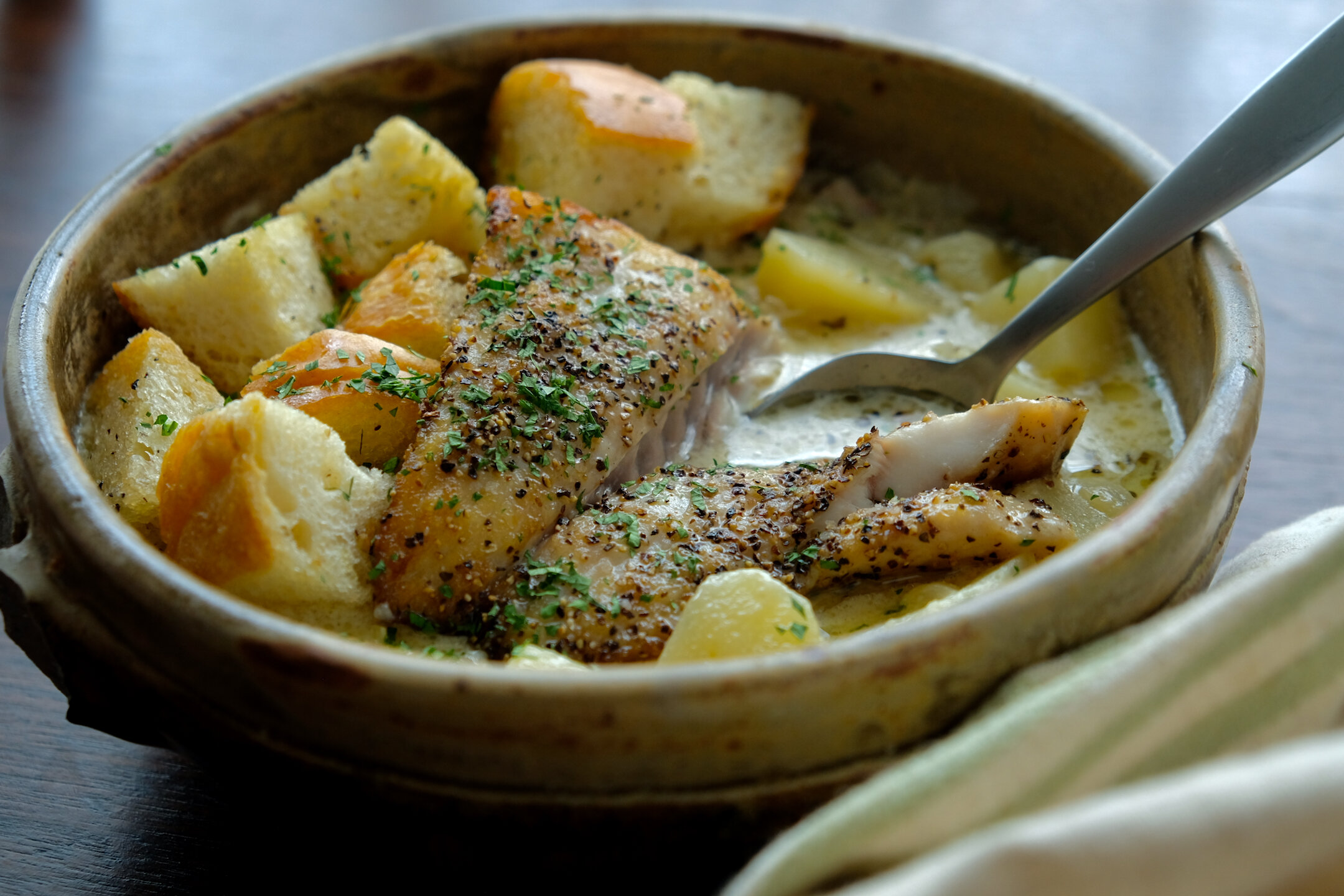
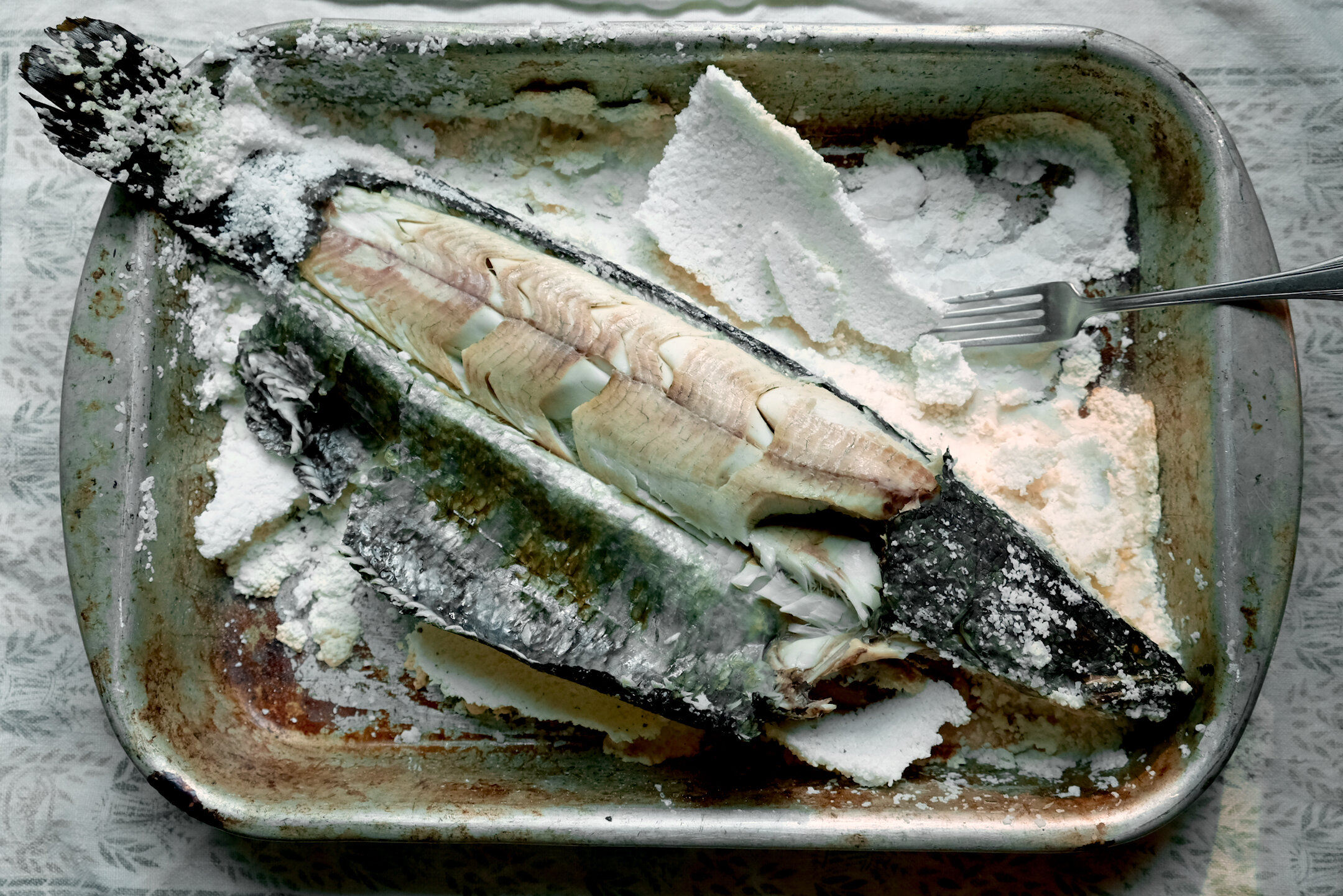
The fact that salt crusted fish comes out more evenly cooked and with better moisture retention is almost second to the drama of the presentation.
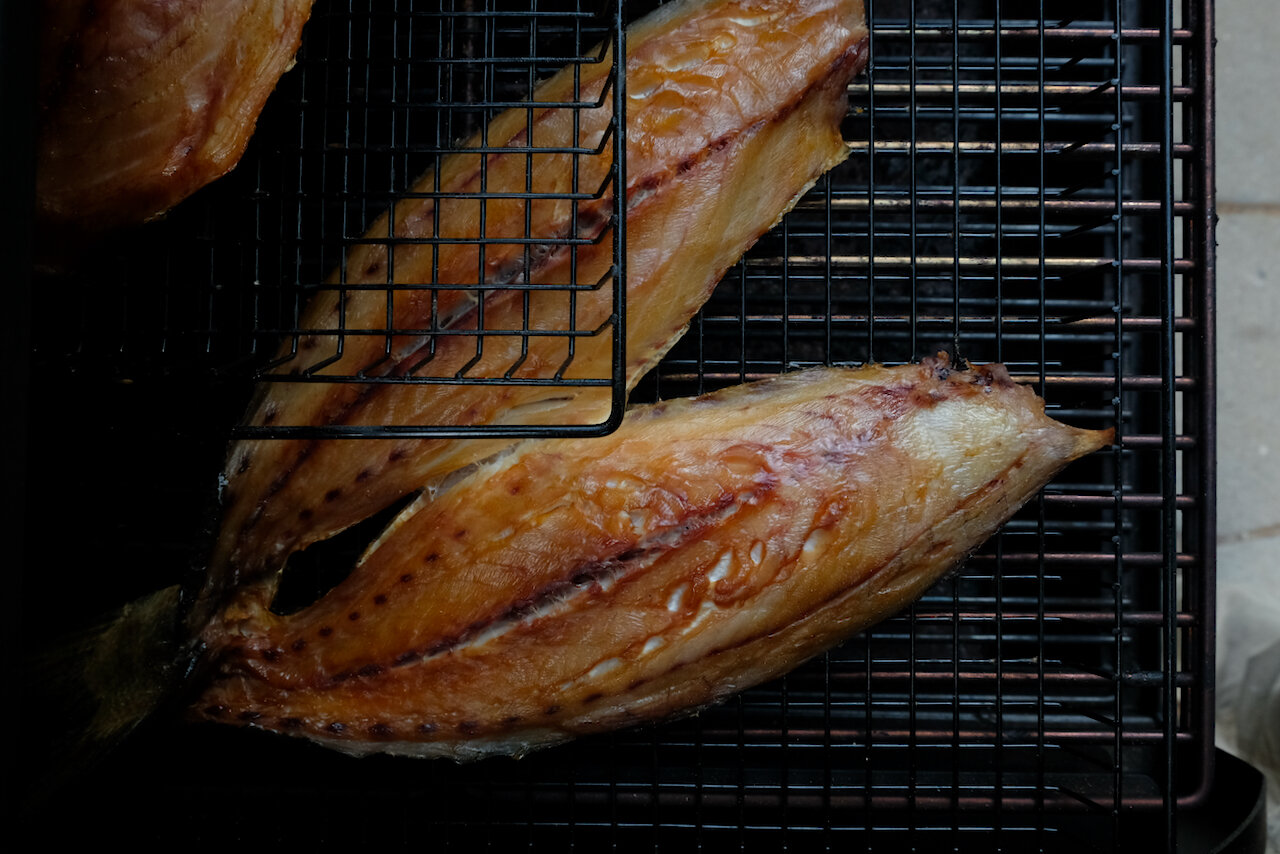
For all the bluefish you can’t eat fresh- a great addition to dips, flaked into hash and omelets, and anywhere else a salty and smoky touch of flavor is needed.
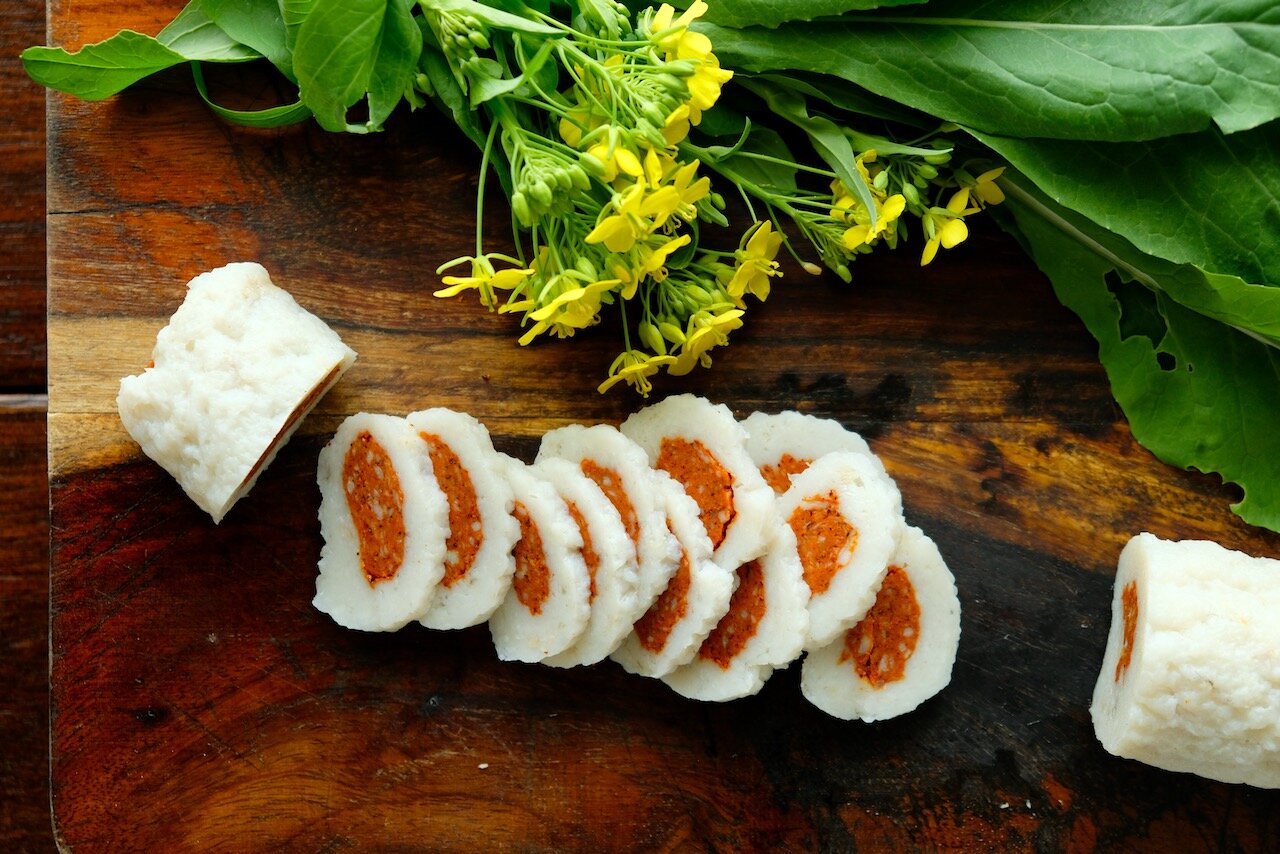
Kamaboko- you might not have heard of it, but I guarantee you’ve tried it. These are as good, if not better, than the kamaboko you can buy in asian grocery stores.
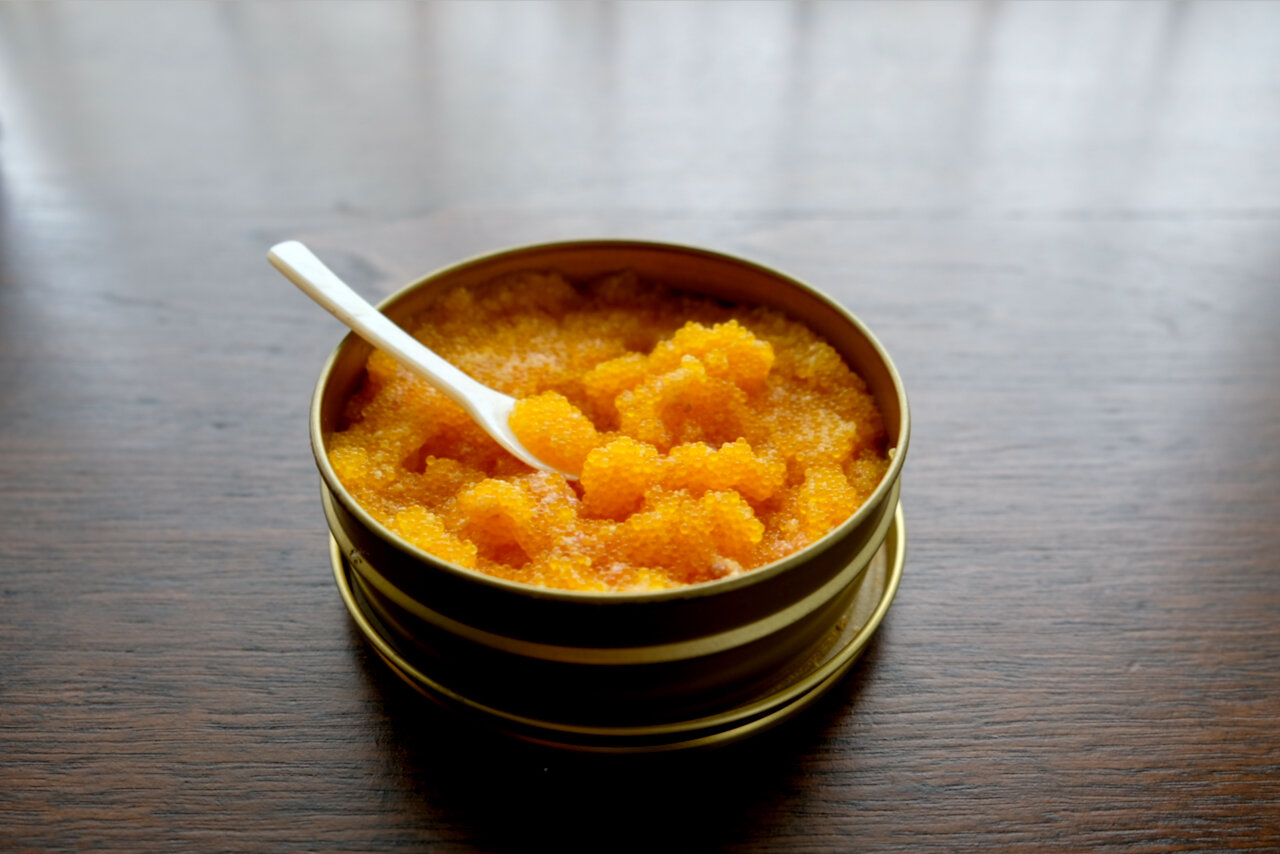
The fine texture, color and richness of snakehead roe is exceptional. Flavor-wise, it is mildly briny and not fishy at all, with an eggy richness that you only find in good fish roe.
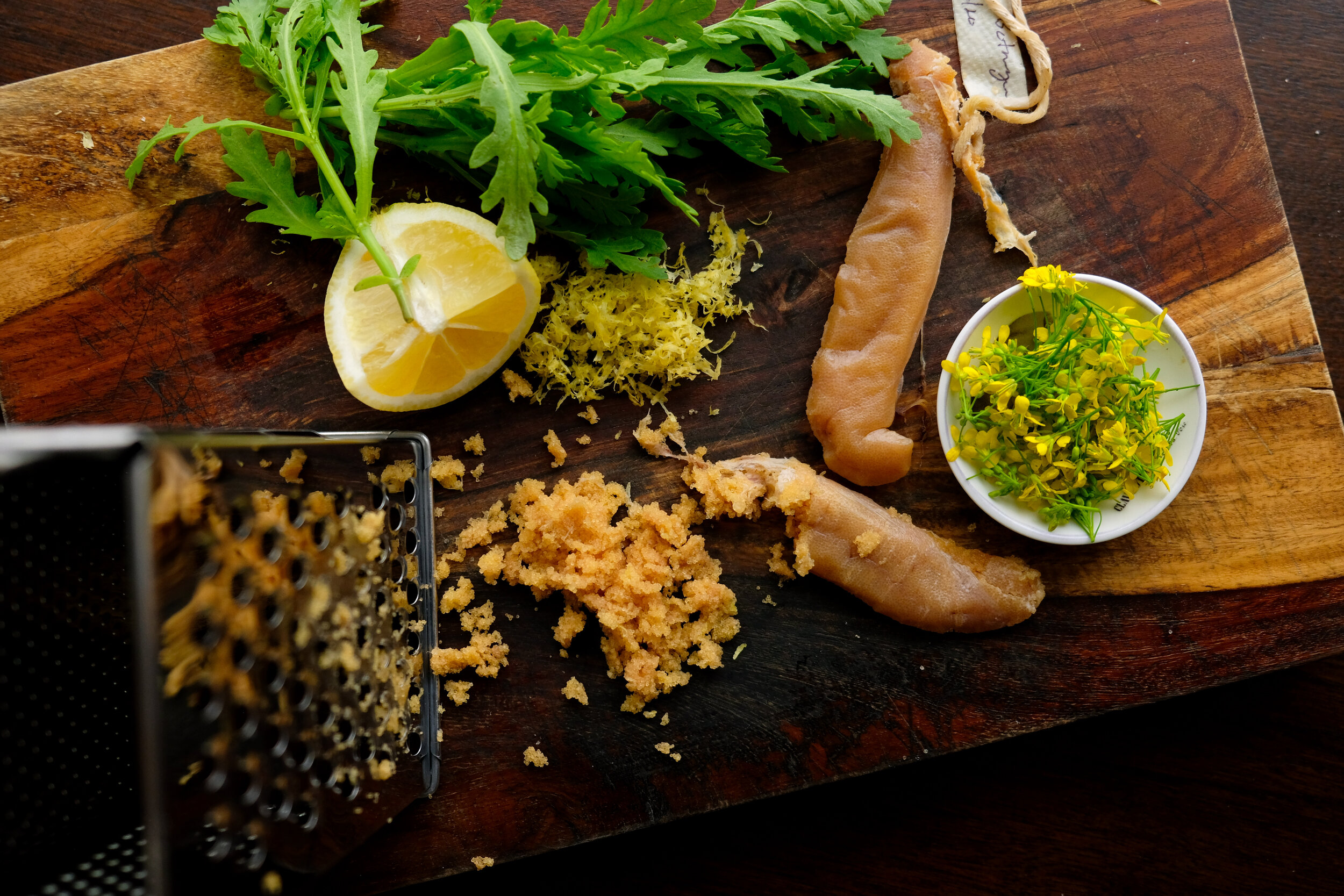
Bottarga, essentially, is a salt cured roe sac. The result is something similar to parmesan cheese, but with an eggy-briny flavor.
Handling and preparing the tastiest ‘trash fish’ in the bay