
Birch Syrup Beaver Bacon

While setting traps this season, we noticed an abundance of young river birches bearing the scars of beaver activity. Some of the chew marks were super fresh, the sap wood still sticky. This got us thinking about tapping trees and making syrup (something we have no experience with) but the idea of making syrup from local trees and using it with meat from the same land sounded right up our alley.
We looked into tapping trees on the way home, then we remembered that we had a small bottle of birch syrup that was sent to us from a friend in Maine. We decided to cure a beaver hindquarter with the syrup and treat it like bacon. Birch beaver bacon- it had a nice ring to it.
We mixed the birch syrup into the cure, and after a week in the fridge we smoked it for 6 hours on a pellet grill. This birch beaver bacon is dark and earthy with a great balance of salt and sweetness. The birch syrup is a nice change from the maple syrup we usually use in our bacon. It adds a dark sweetness that works really well with the beaver meat.
Because we heat the meat up to 140F during the smoking process, you can carve it and eat it like a ham, but we think it's better sliced and allowed to crisp in a pan. The sugar caramelizes and you really get that salty-sugary bacon flavor and texture. We love it with eggs or chunked up and browned with onions and garlic for any kind of soup that likes smoke. Once the greens come in, we’ll cook some with this bacon, and once we’re into summer, B-BLTs.
Birch Syrup Beaver Bacon
As always, we use metric measurements and go by percentage weight for our charcuterie recipes. We do this to make the recipes easy to scale and replicate exactly, batch after batch. If you’re thinking of getting into charcuterie making and don’t own a kitchen scale, please do yourself the favor of buying one. They’re inexpensive relative to the cash outlay of all the other equipment you’ll need to pick up, and will save you a lot of effort in terms of scaling recipes into imperial measurements. To measure your ingredients, first weigh the meat you are using, and then calculate the weight of all the other ingredients based on the weight of the meat.
Prep time: 30 minutes, inactive 7 days
Cook time: 5-8 hours

Ingredients:
1 beaver hind quarter, bone in
2.5% salt
1% sugar
1% birch syrup
.25% instacure #1
.25% black pepper, coarse
Method:
Trim the meat of connective tissue and silverskin. If present, leave the layer of fat intact.
Mix the cure ingredients and evenly coat the meat. Place the meat in a vacuum bag and seal. Refrigerate for 7 days. Rotate daily.
At the end of the curing period, rinse with cold water and pat dry (don't worry if some of the cure remains on the meat).
Smoke on a low heat setting for 4-6 hours, then increase the temperature for a final 1-2 hours until the internal temperature hits 140F.
Refrigerate to cool. Slice and crisp in the pan like any other bacon.

I’ve been tinkering with the recipe for a few seasons now: a classic maple breakfast sausage.

This venison prosciutto is a reminder of a season long past, and how our perspectives and expectations can change. It’s texturally perfect, slicing as nicely as any Italian or Spanish ham I have ever put a knife to.
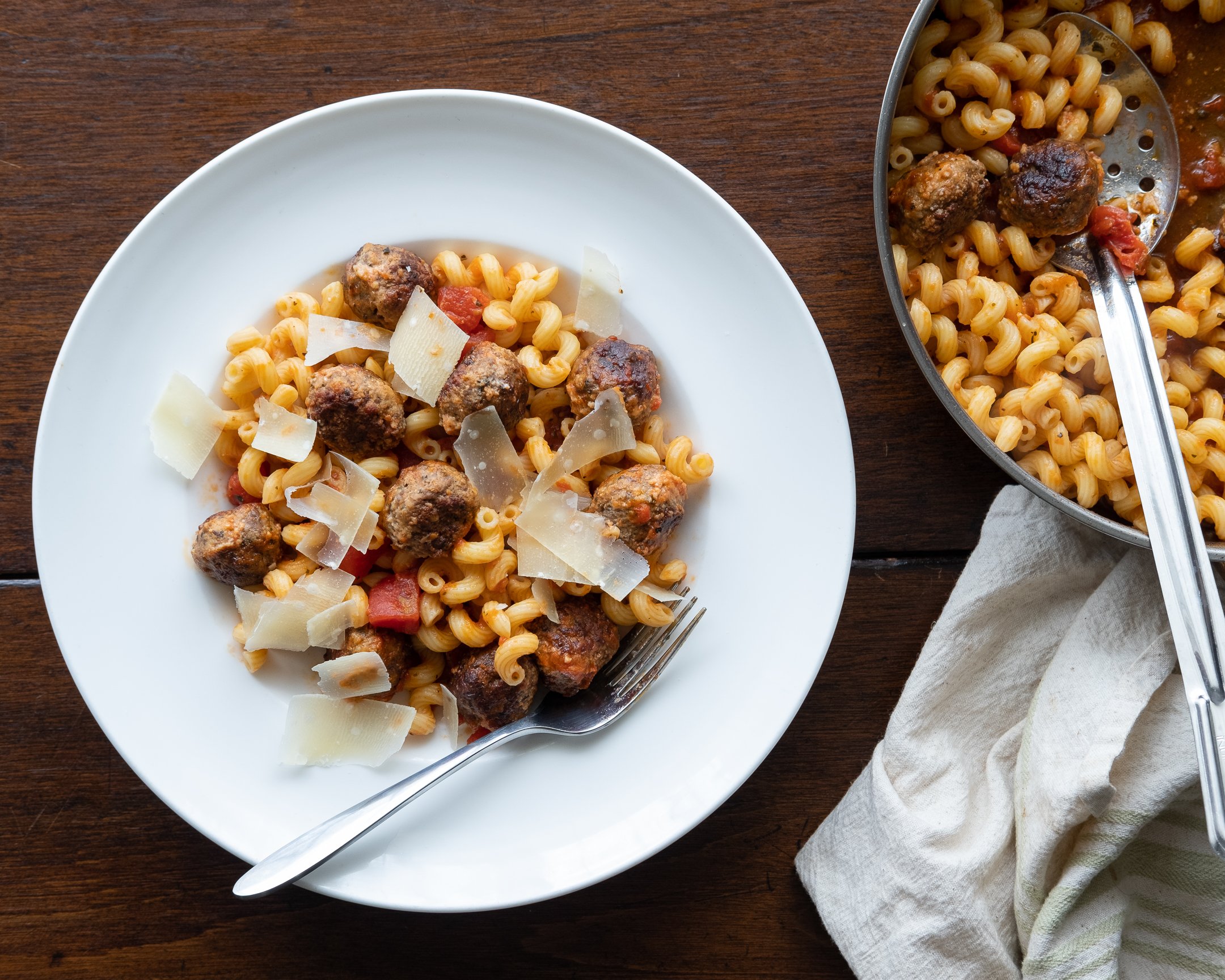
Treating poultry sausages as a separate category, and brining the meat before grinding it, is the key to a juicy, flavorful turkey sausage.

Stuffing sausage into a deboned goose neck is a little bit metal.
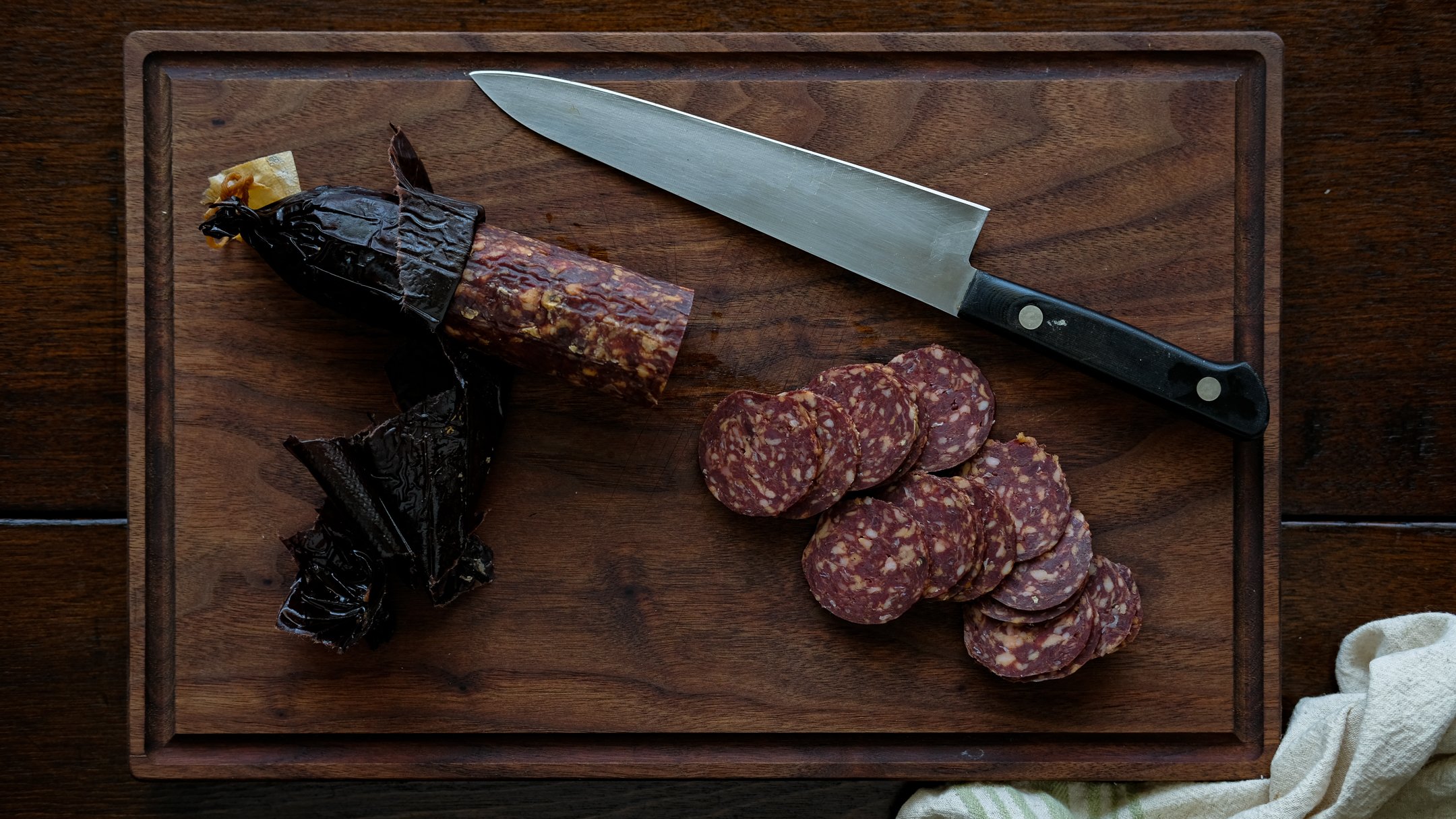
There is nothing like the tang and texture of real summer sausage.
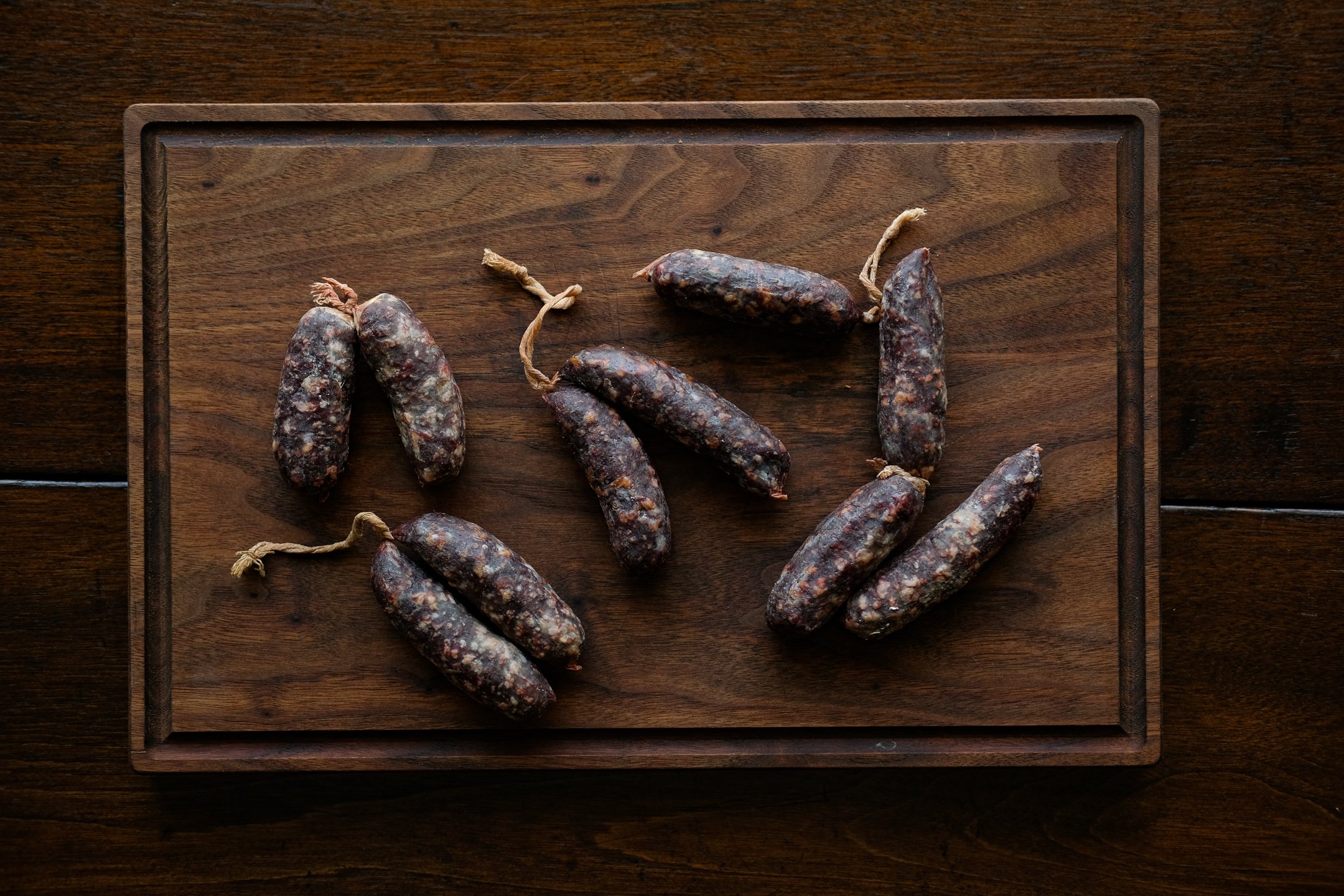
Make a bunch of these- they might be the best protein packed, hiking, hunting, splitting firewood, high output on a cold day, snack ever.

Cutting into this coppa exposed a thing of beauty. It is honestly one of the coolest things I've ever made.
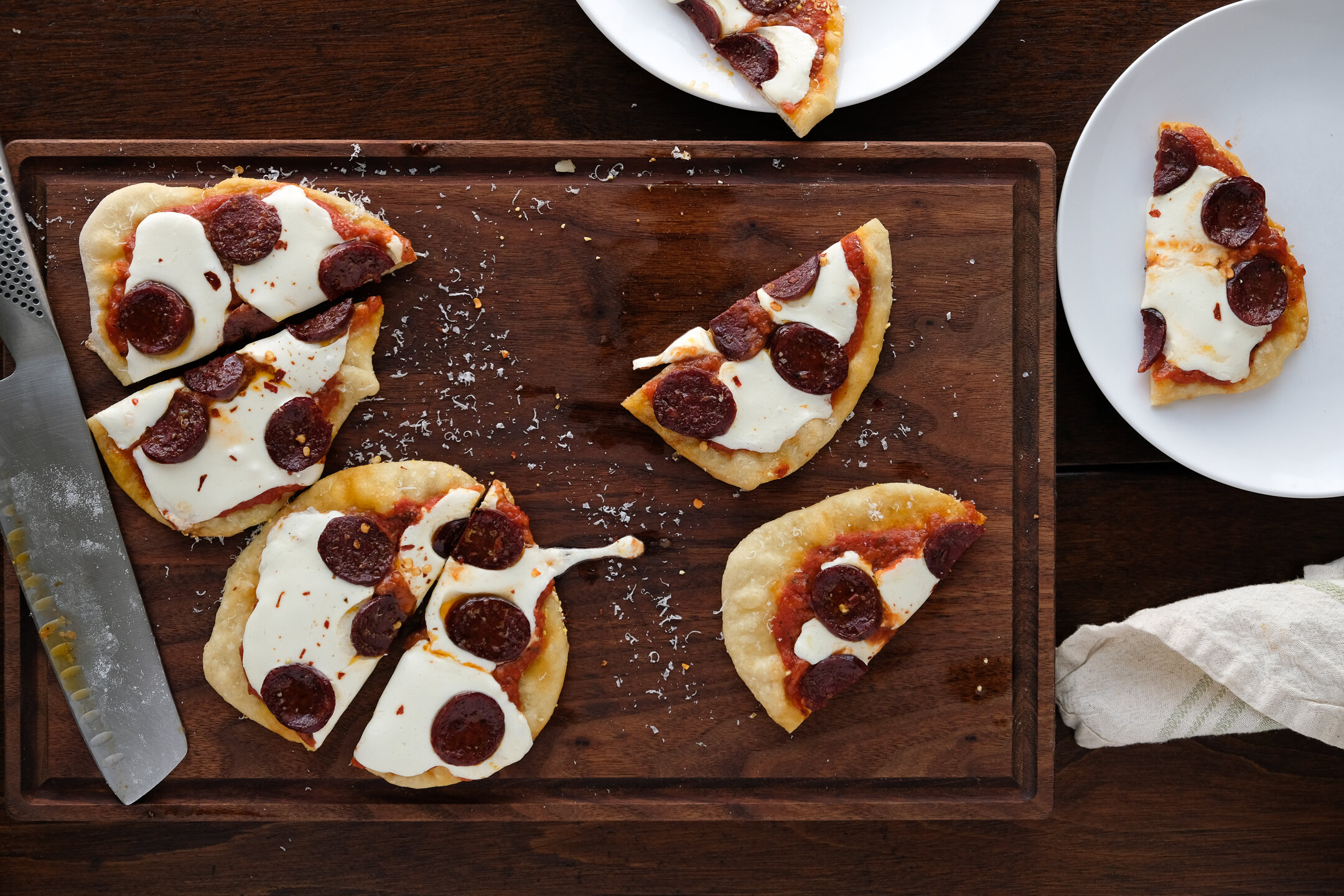
Tangier and smokier than the store bought stuff.
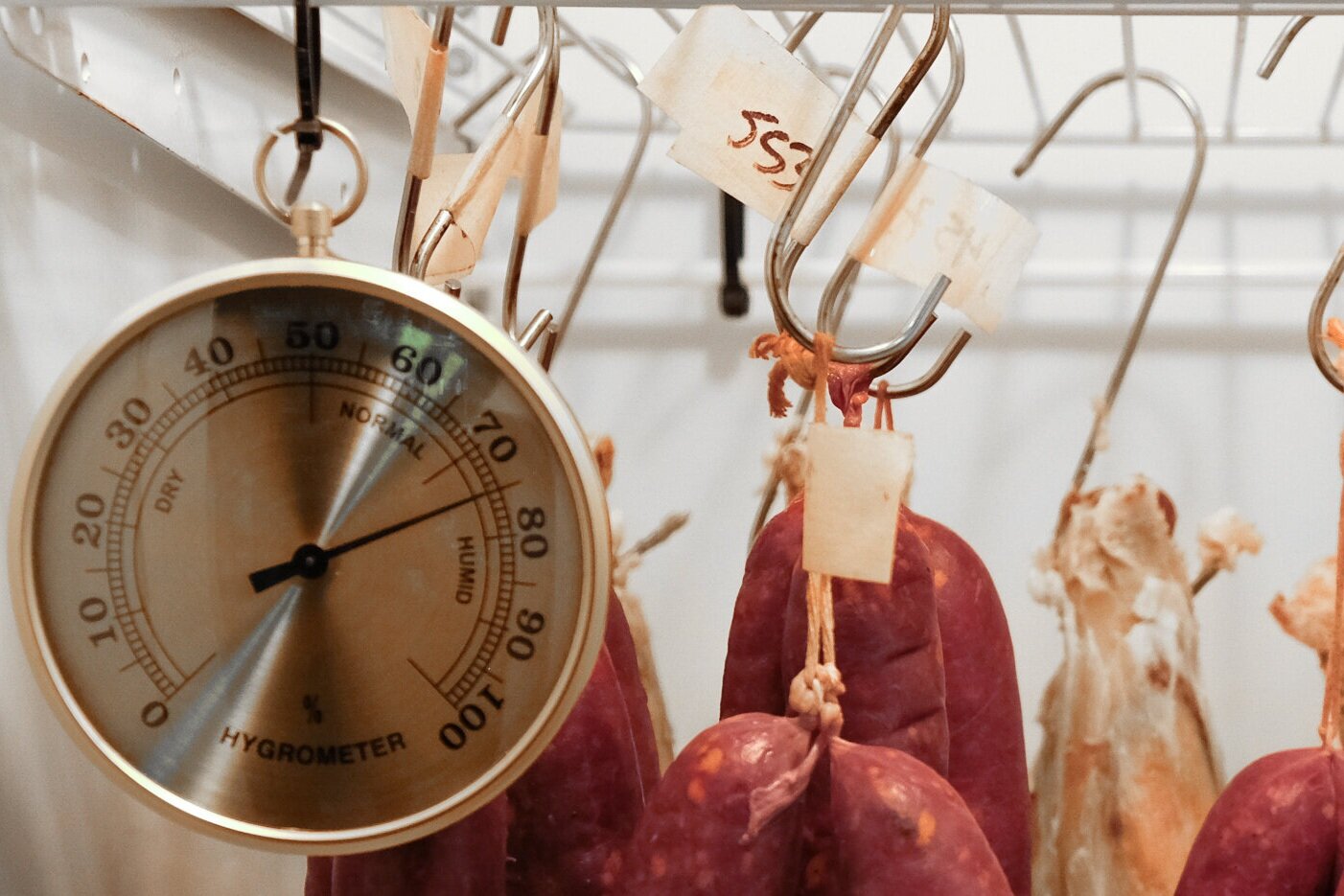
Build your own curing chamber for salami, prosciutto, and more
Birch beaver bacon- it had a nice ring to it.

Not a whole lot of people make smoked, cased, fresh chorizo.

This kielbasa is smoky and garlicky, and tastes great hot or cold.

This sausage was inspired by jagerwurst, a German sausage that translates to “hunter’s sausage”, and an old timey beaver lure recipe that we made this season.

Beaver prosciutto is rich and a little woodsy, almost nutty, with a fine grain and excellent texture.
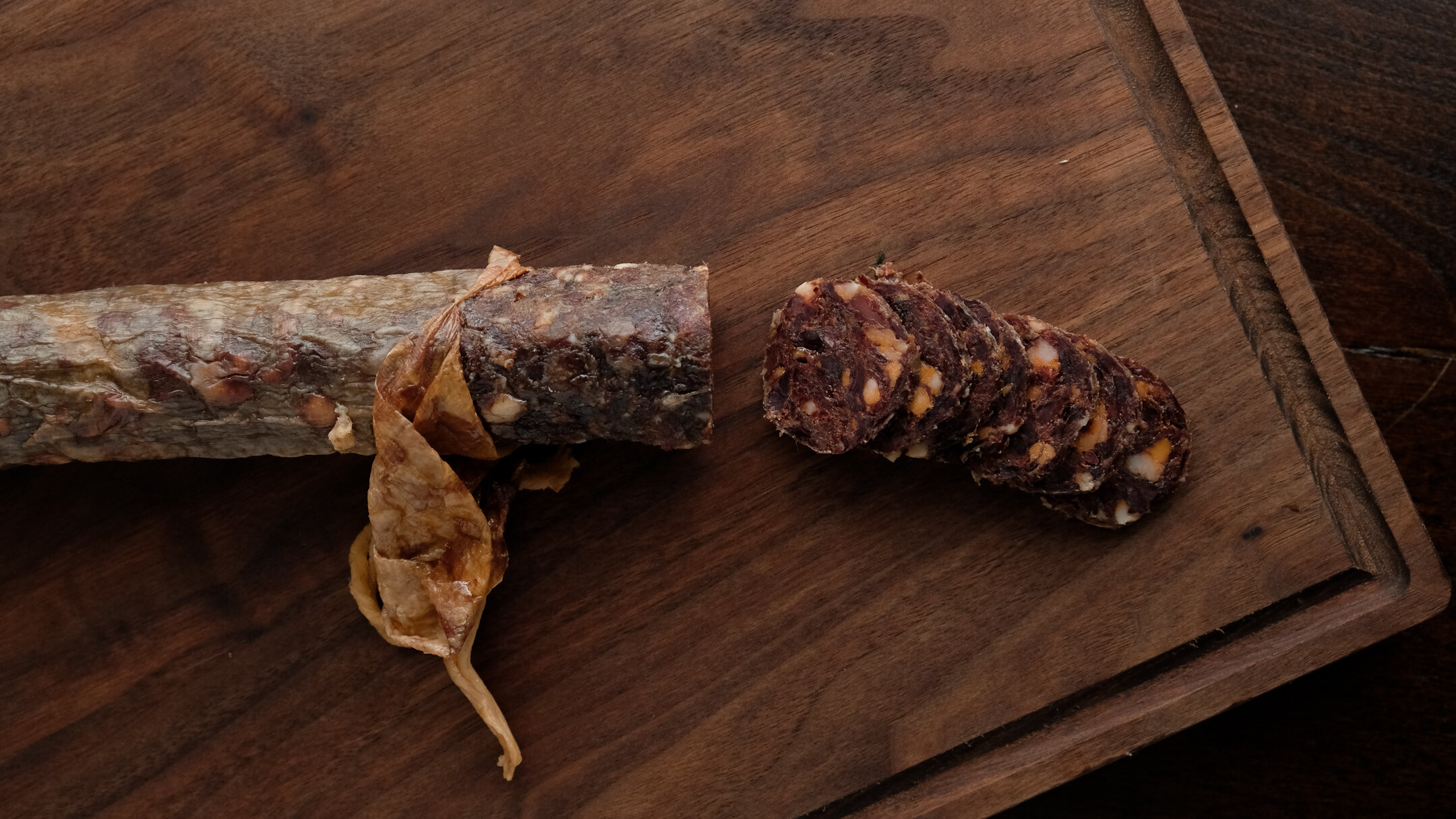
This salami is garlicky and spicy, yet doesn't mask the subtle qualities of the beaver meat.

A good way to make use of your venison liver- incorporate it into a spicy, smoky sausage.
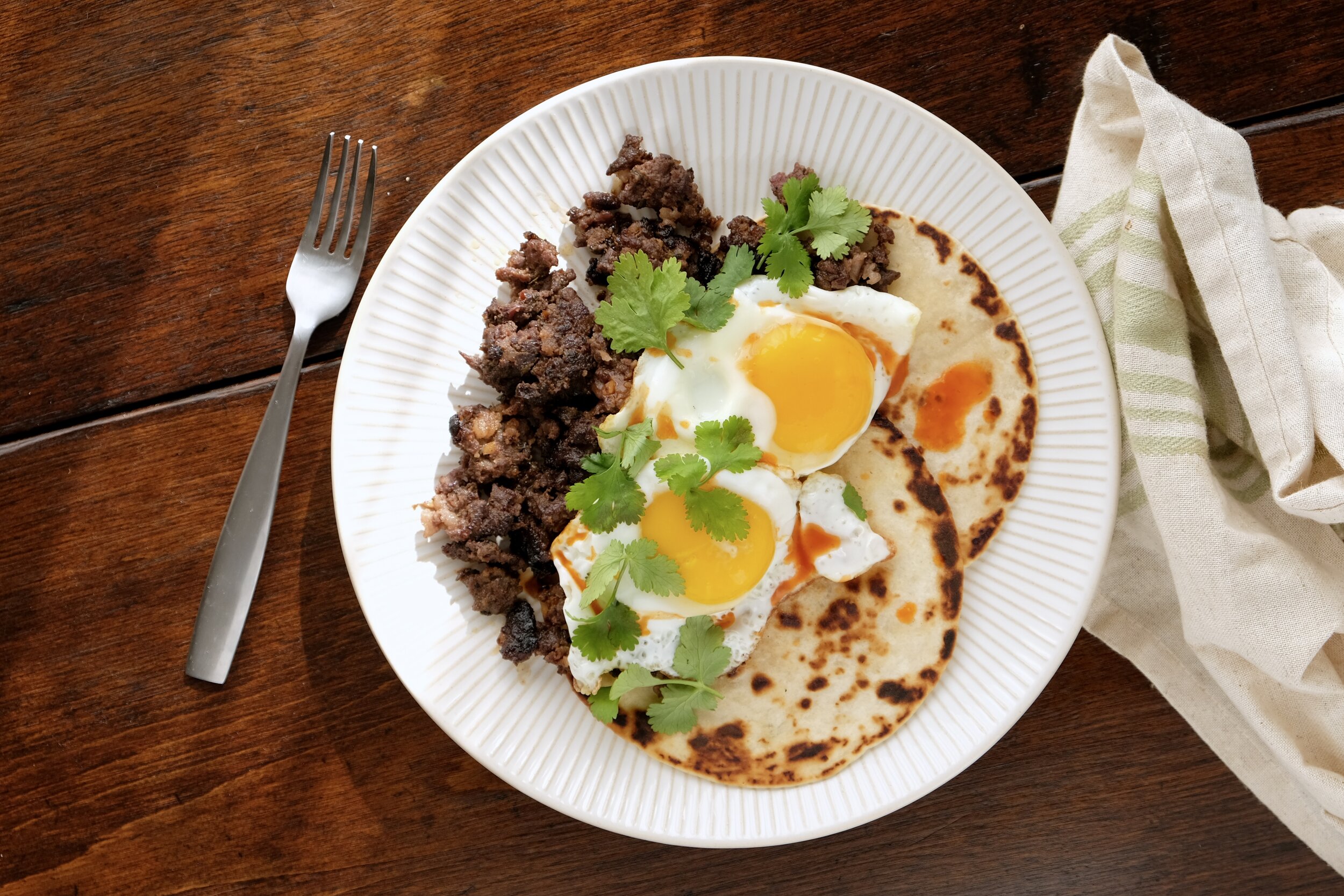
Quick and easy, this versatile venison sausage is a staple in our kitchen.
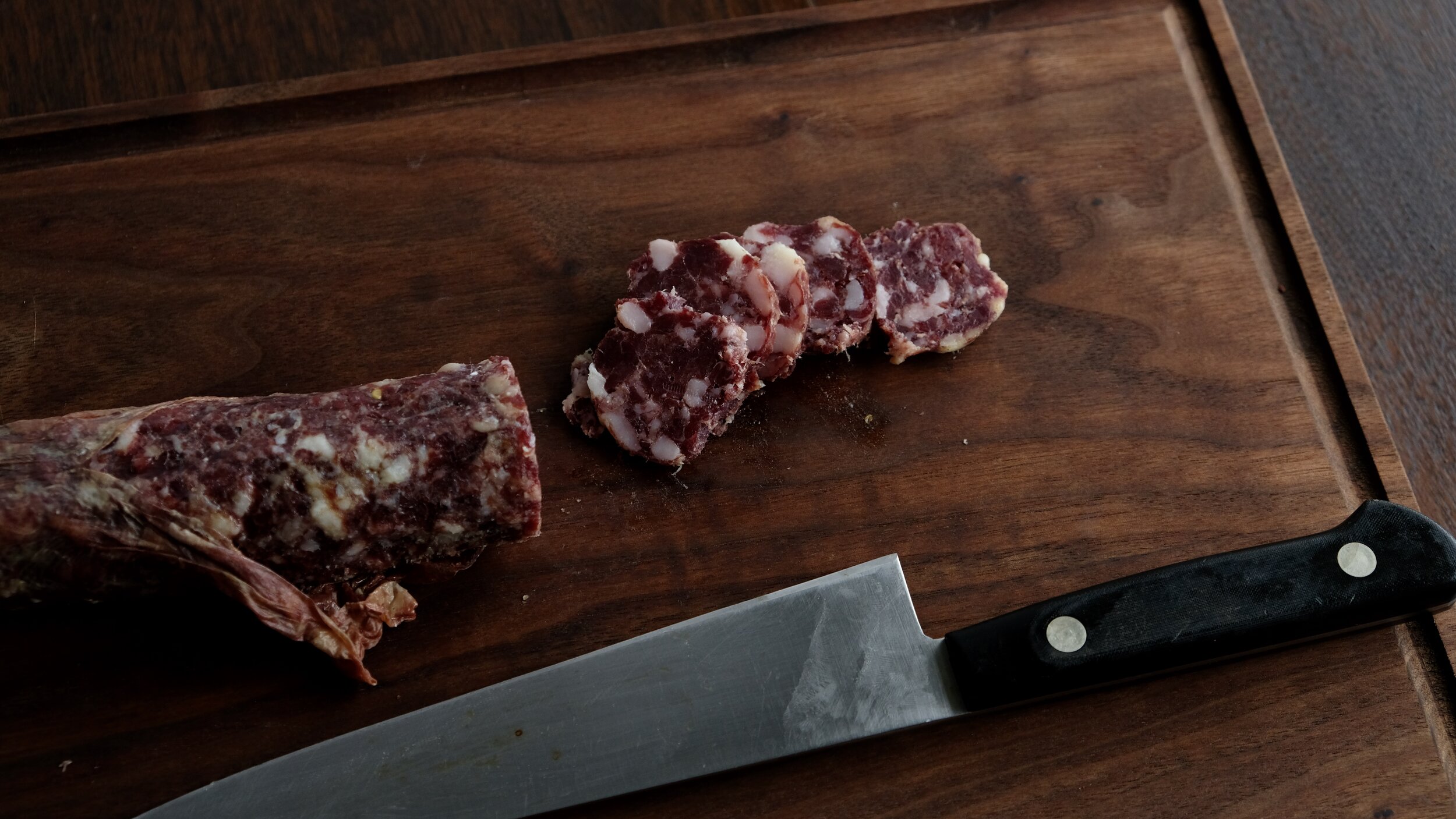
The marsh ghost has become an obsession of ours.

Pancetta is similar to bacon, but it’s not smoked and has a heavier focus on aromatics. It would be easier to just buy some humanely raised artisan pancetta, but we have venison and pork fat, and it's fun to attempt something that blurs the lines and challenges the senses.
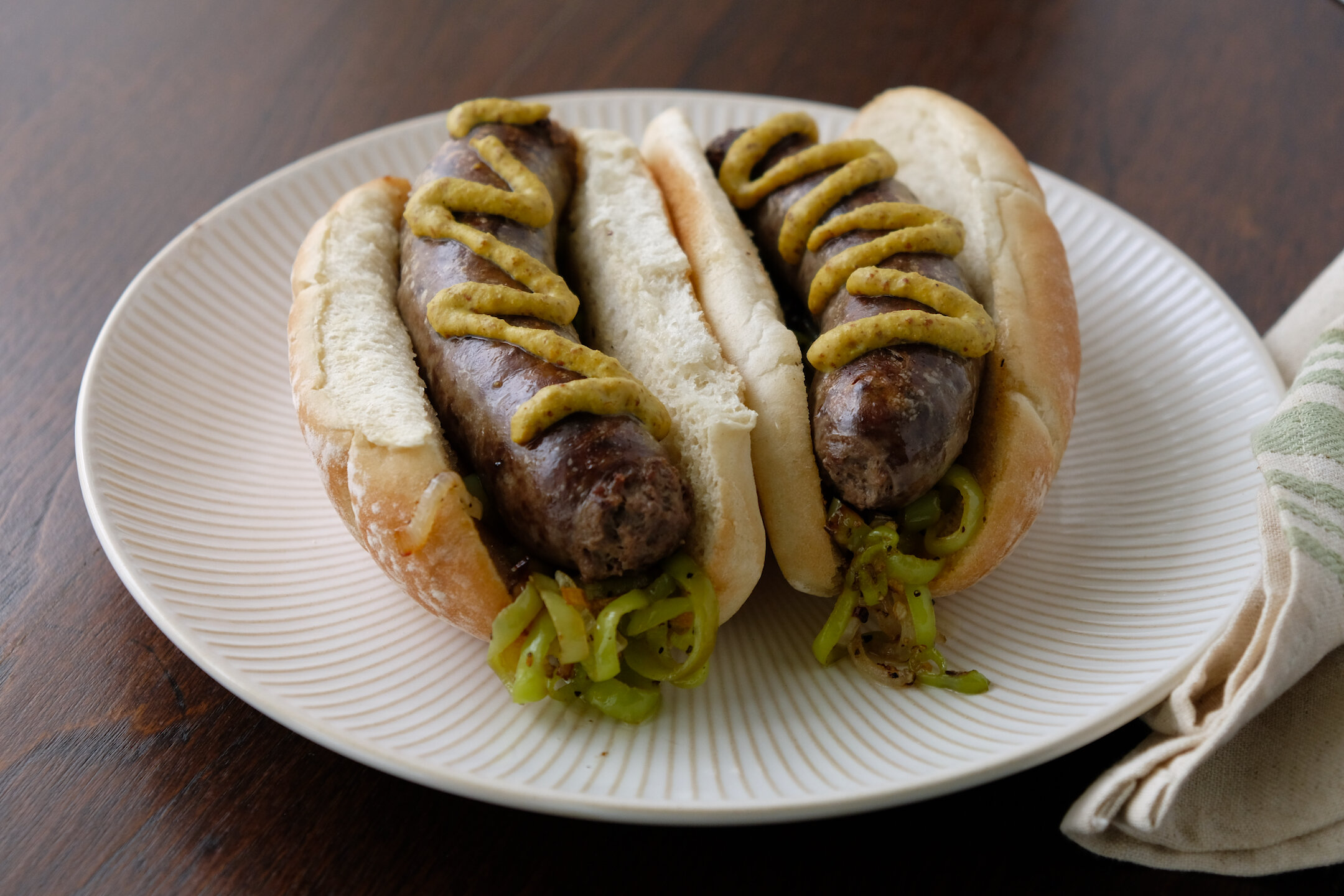
Juicy and flavorful, and just as good piled on a bun with some mustard as they are on a plate heaped with spaetzle and sauerkraut.
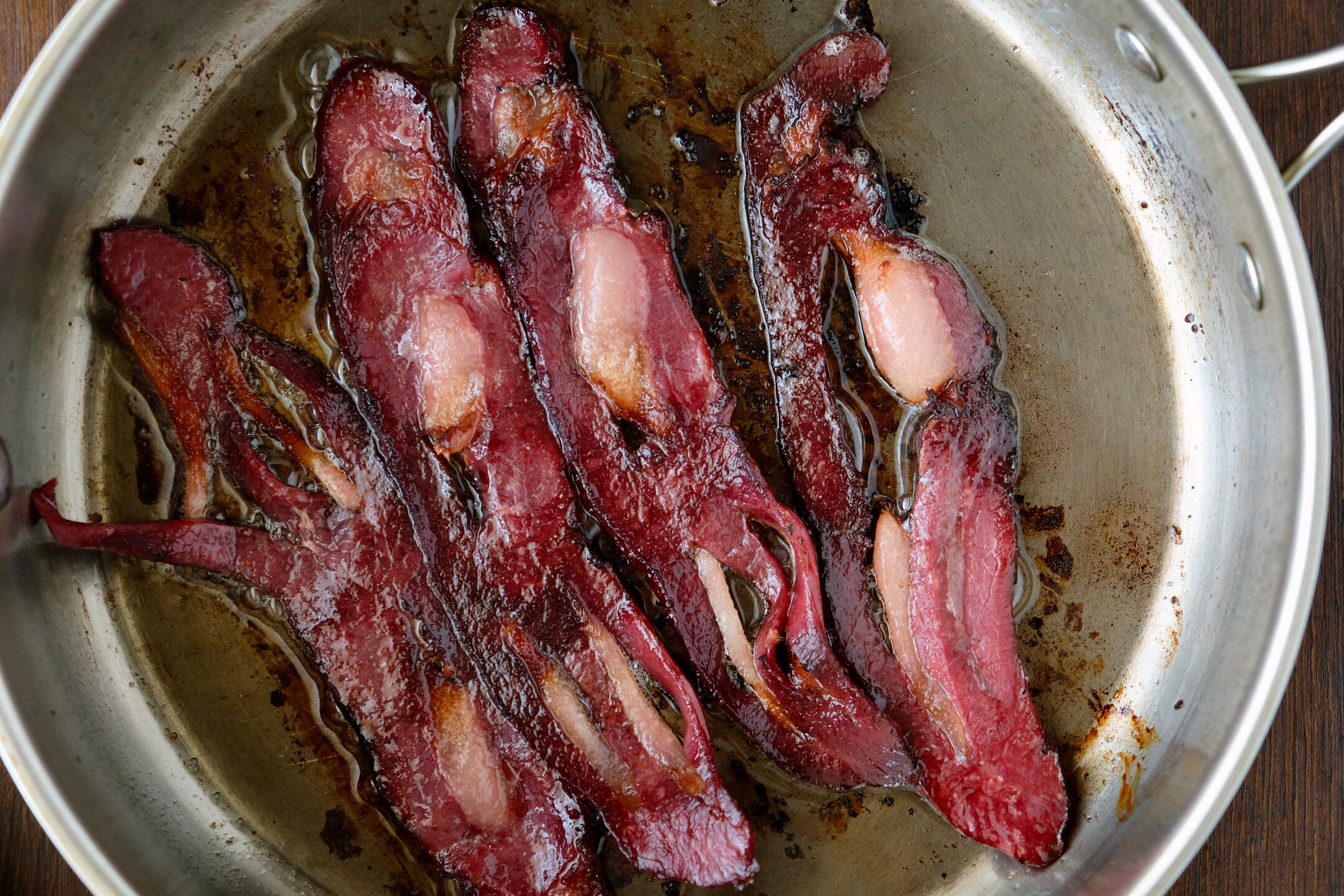
A little bit of smoke & a little bit of chemistry makes our venison bacon as close to the real thing as you can get
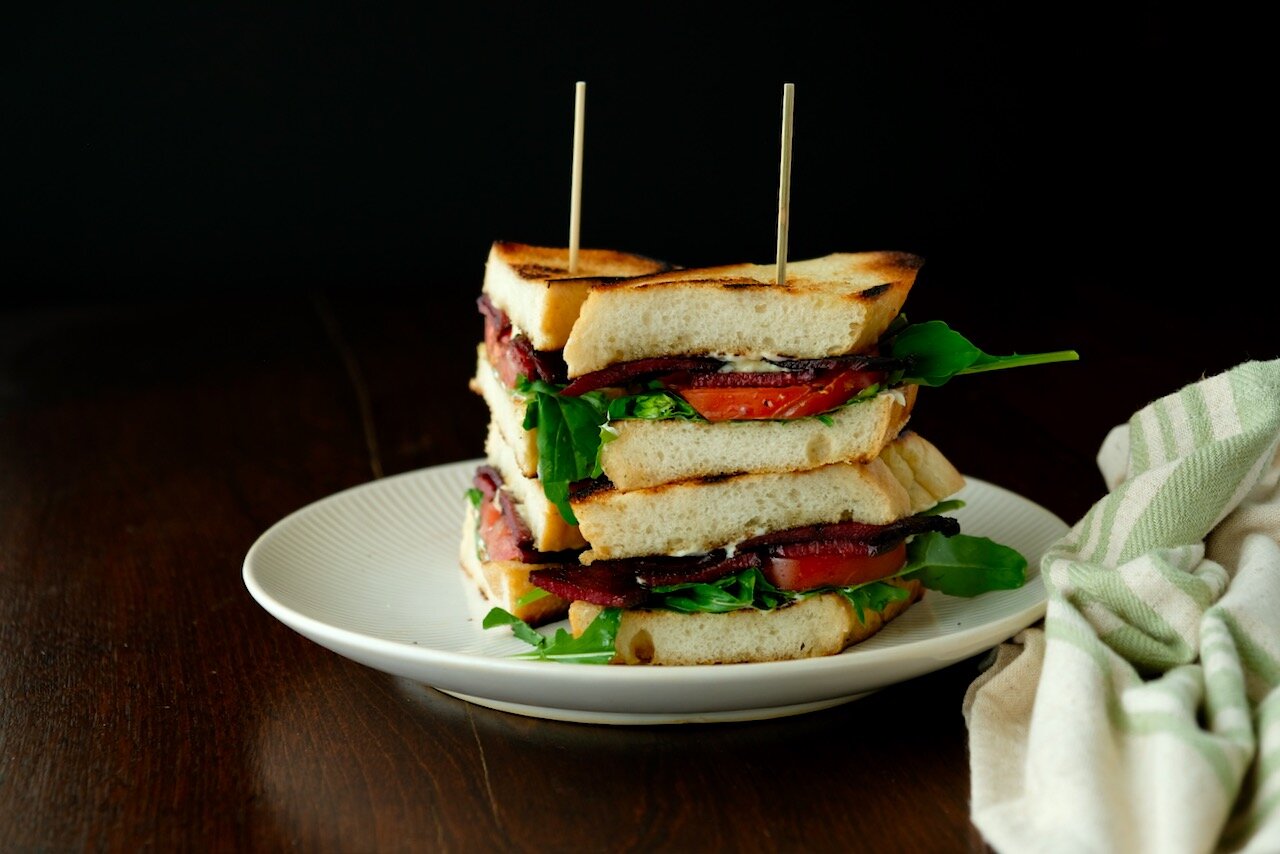
This recipe is an attempt to get that salty, smoky, crispy eating experience out of a protein that is almost the opposite of pork.
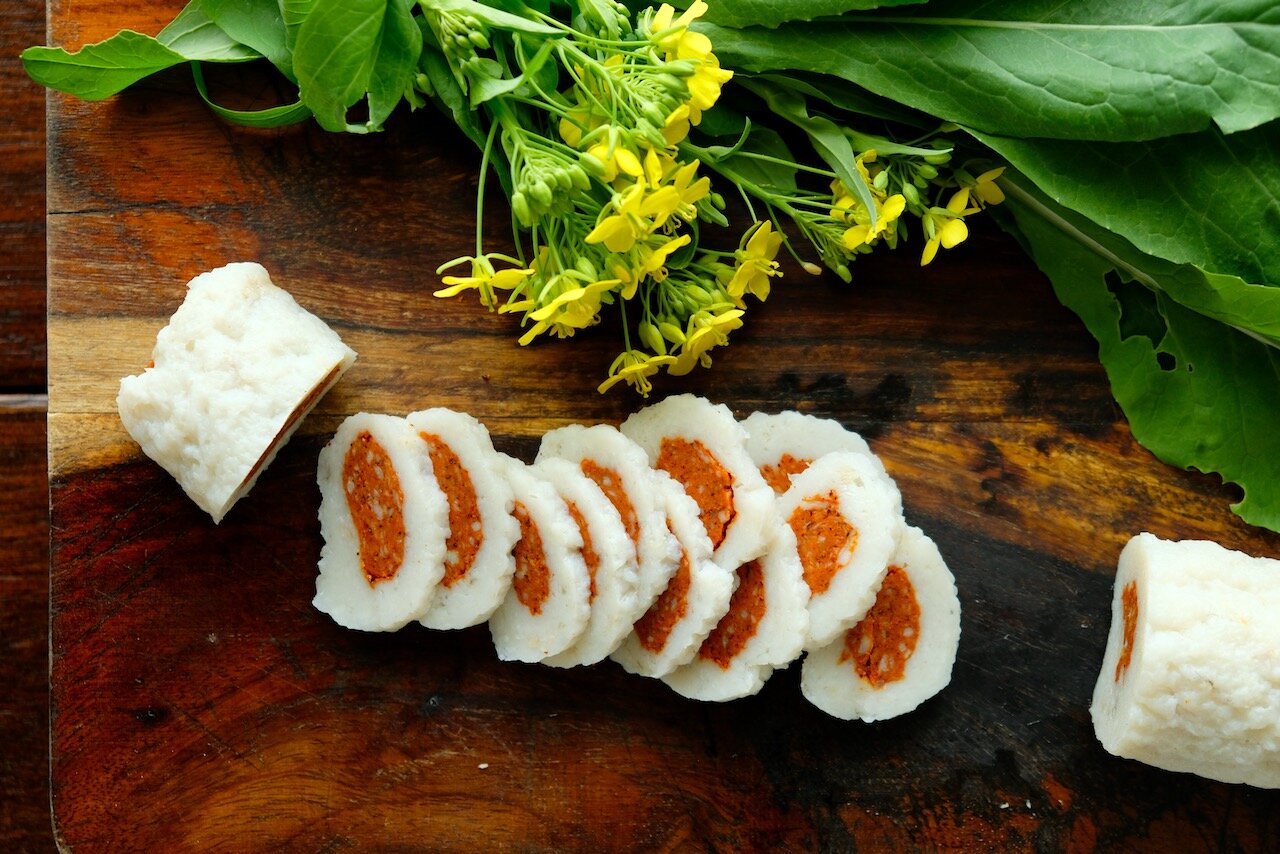
Kamaboko- you might not have heard of it, but I guarantee you’ve tried it. These are as good, if not better, than the kamaboko you can buy in asian grocery stores.
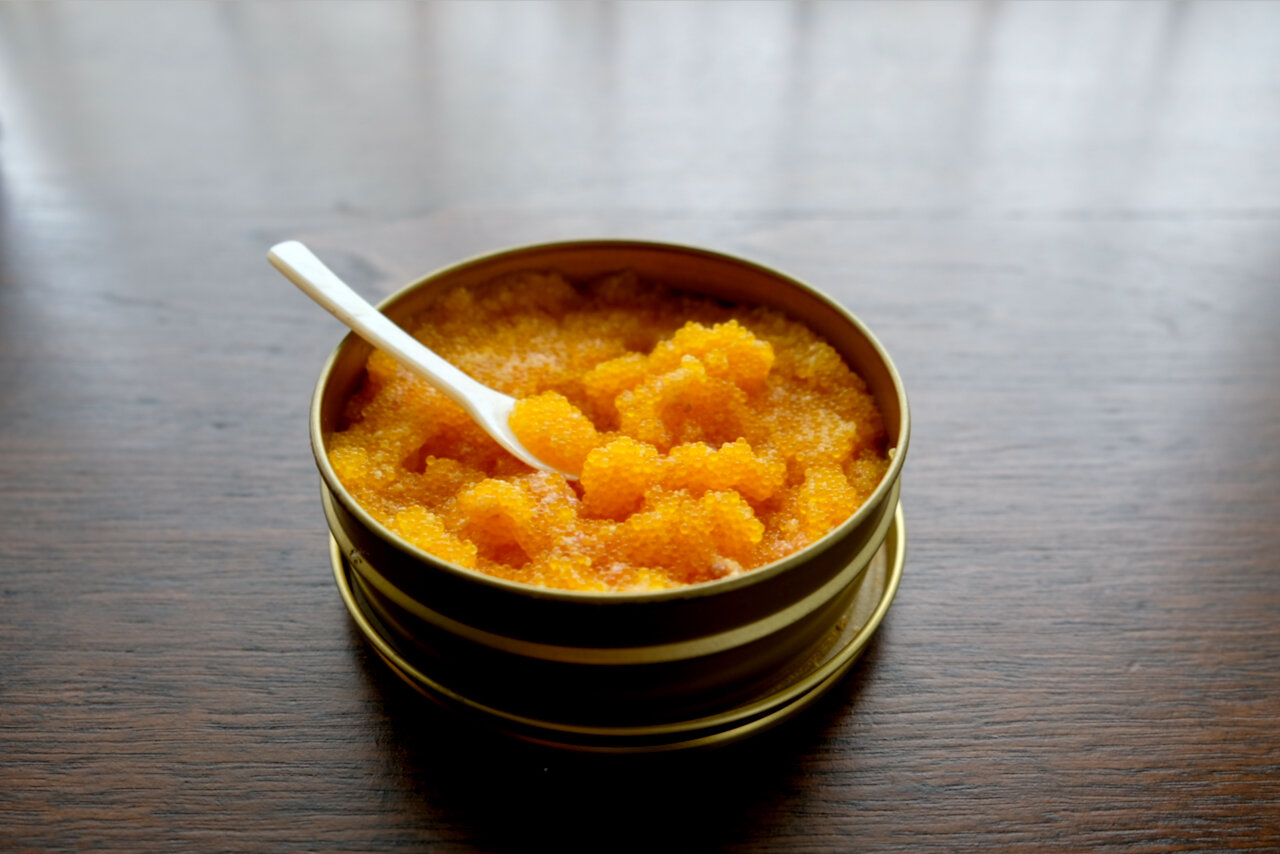
The fine texture, color and richness of snakehead roe is exceptional. Flavor-wise, it is mildly briny and not fishy at all, with an eggy richness that you only find in good fish roe.

This salami is distinctly ours- goose meat, fennel, & garlic from the farm & sugary persimmons we gathered along the field edge
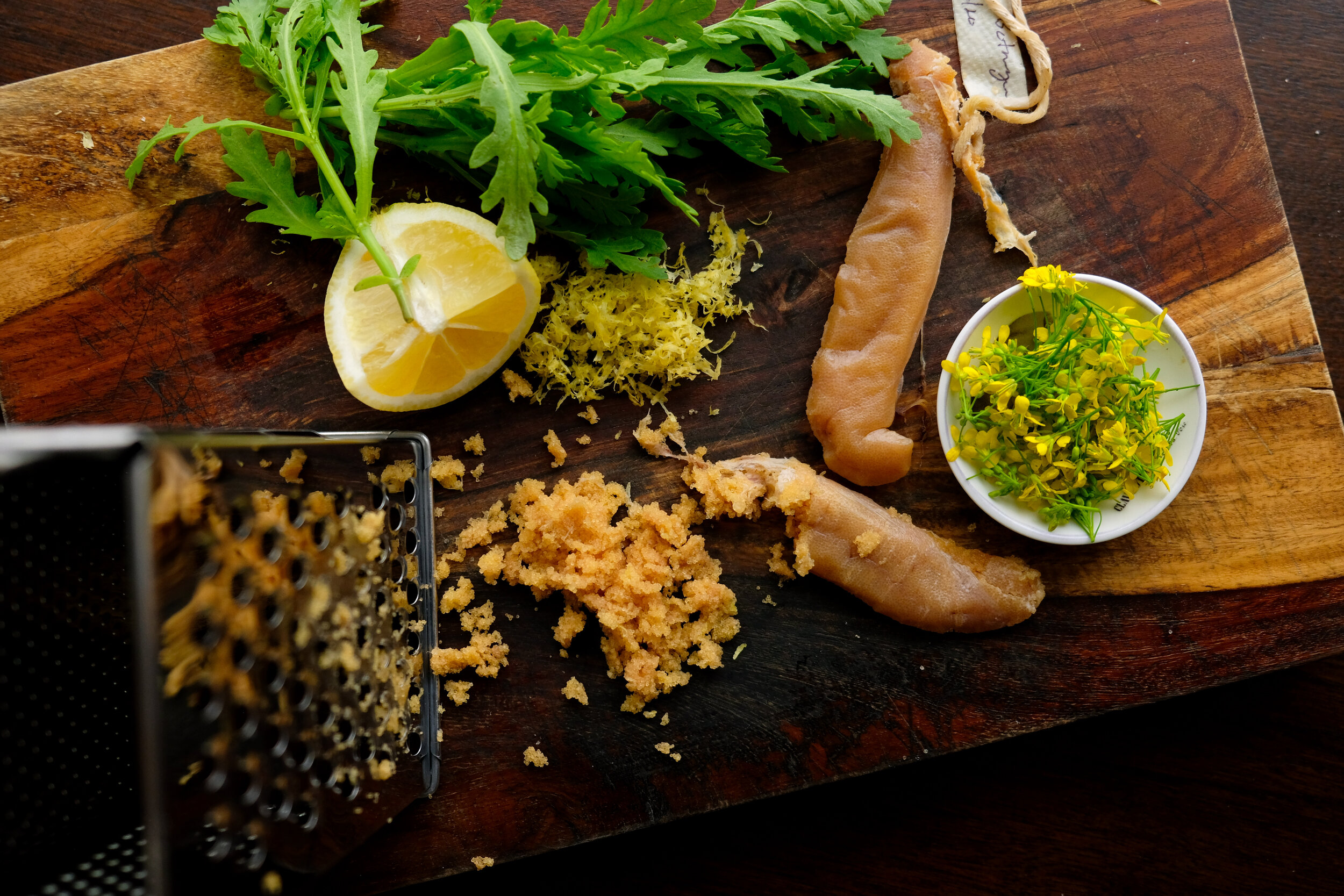
Bottarga, essentially, is a salt cured roe sac. The result is something similar to parmesan cheese, but with an eggy-briny flavor.

Meat, salt, and some spices. This dry cured charcuterie is just about as simple as it gets and really amplifies the flavor of the venison

All the experiences of November at the farm, infused together into a single bite.

Slice it thin and serve over crusty bread, or add to any dish that needs a pop of fattiness.
“Best sausage I’ve ever had”