
Cownose Ray, Old Bay Kimchi & Grits


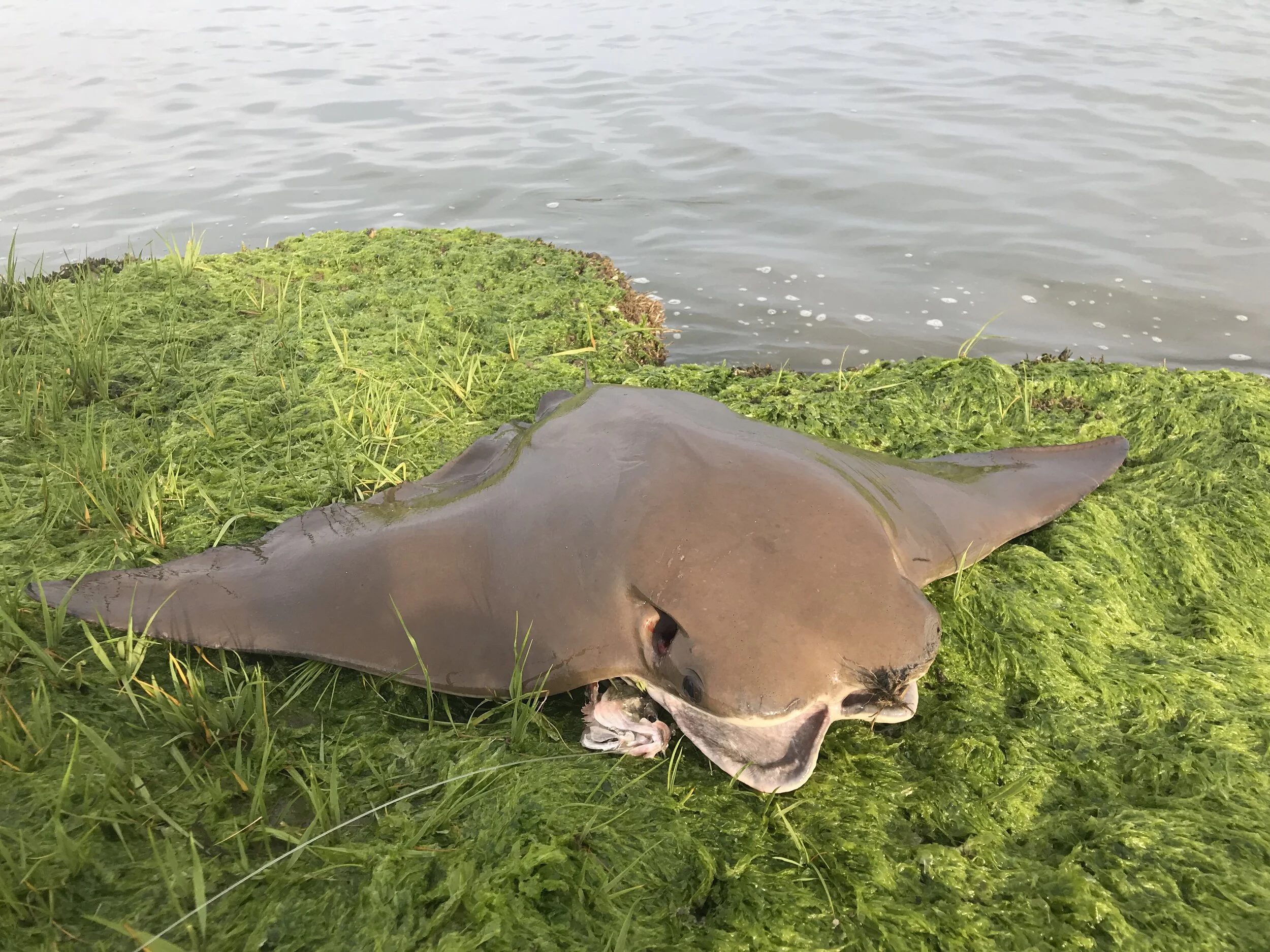
Cownose ray meat resembles veal or pork more than any other fish. The uncooked fillets are grayish with prominent red spots, and the texture is uniquely meaty and almost mammalian. Honestly, it doesn’t look all that appealing compared to skate or any “normal” fish fillet. It takes a little extra care and preparation to reach its full potential.
We treat cownose ray fillets similarly to tougher venison or fowl. A slow simmer in some liquid tenderizes the meat, and then its ready for any application that any other mild flavored, somewhat dense seafood would be appropriate for, like monkfish, swordfish or shrimp.
This dish borrows from my workplace, kybecca. At work, we run a shrimp & grits dish with Old Bay kimchi. It’s been a favorite on the menu for some time and easily wraps up all my food interests in one dish- classic southern food with Asian influences and distinct Chesapeake Bay flavor. Second generation American, like myself.
Cownose Ray, Old Bay Kimchi & Grits
Prep time: 30-45 minutes active, 1 hour total
Serves: 4-6
Ideally, you’ll want to prepare the kimchi in advance to allow it time to ferment. Fermentation times vary depending on your personal preference and fermentation temperature. Make a big batch- it will keep in the refrigerator for months. For the grits, I prefer to use Anson Mills antebellum grits, but any stone-ground grits will work. Just avoid cheap instant grits. They’re not the same thing.
Ingredients:
Grits
1 cup Anson Mills grits
2 cups heavy cream
2 cups water
1 stick of butter
Cownose Ray::
1 lb cownose ray fillet, cut into shrimp sized strips (about ¼”-½” thick)
Black peppercorns
2 Bay leaf
4 cups creamy grits
1 cup Old Bay kimchi
2 tbsp butter
~¼ cup white wine
Handful of shishito peppers
Green onions to garnish

Method
A week or two in advance, make your kimchi. We don’t really use a recipe for our kimchi, because we usually go with what we have on hand for ingredients. There are so many recipes online, like this one, that you can use as a base and customize depending on what you would like to use. The big thing in any lacto fermentation is to make sure that you have the correct ratio of salt to veggies. Chop your cabbage and other vegetables and weigh the ingredients using a kitchen scale. Then, you’ll want to add salt at a ratio of 2-5% of that weight. We use 2.5% salt by weight because that’s the ratio Sandor Katz recommends for “kraut-chi”. For example, if your ingredients weigh 1000 grams, you’ll want to add 25 grams of salt.
Because we’re making an Old Bay kimchi, we use Old Bay instead of salt. We calculated the sodium content of Old Bay and used that number to get the right amount of salt to start the fermentation. For every gram of regular salt that your recipe needs, substitute 2.13 grams of Old Bay. So, for your 1000 grams of vegetables, use 53.25 grams of Old Bay. We have always done a “dry brine” for our kimchis- we sprinkle the salt (or Old Bay!) over the chopped vegetables and alternate between “massaging” the vegetables and pounding them with a rolling pin to draw liquid out and create the brine. There are many, many resources online and countless books written on fermenting vegetables, so if this is your first time, I’d recommend you seek one out and get a good step-by-step before you begin. Our kimchi is simply a variation on the method.
Braise the ray: In a medium saucepan, bring a few quarts of water to a simmer, season with salt, whole black peppercorn, and bay leaves. Simmer ray meat for 15-20 minute until fork tender, strain and reserve meat.
Make the grits: In a separate pan, bring butter, cream and water to a rapid simmer. Add grits, stir and cook until tender, about 15 minutes. Season with salt to taste.
Cook the peppers: Blister the shishito peppers in a pan with hot oil, a few seconds is all it takes for the thin skin of these peppers to bust. Set aside. You can do this in advance.
Assemble the dish: Bring a pan to medium high heat and add in the tenderized ray meat. Stir in kimchi, mixing to evenly heat it for about 1 minute, then add butter and stir to melt. Pour in white wine and stir to form a pan sauce. Pour over grits and top with pepper and scallions, serve immediately.


Crispy wok-fried Chesapeake Bay soft shells coated in a sticky, spicy, gingery sauce are a perfect storm of hyper-regional ingredients and imported techniques. This is what food is all about: blending cultures, time and places.


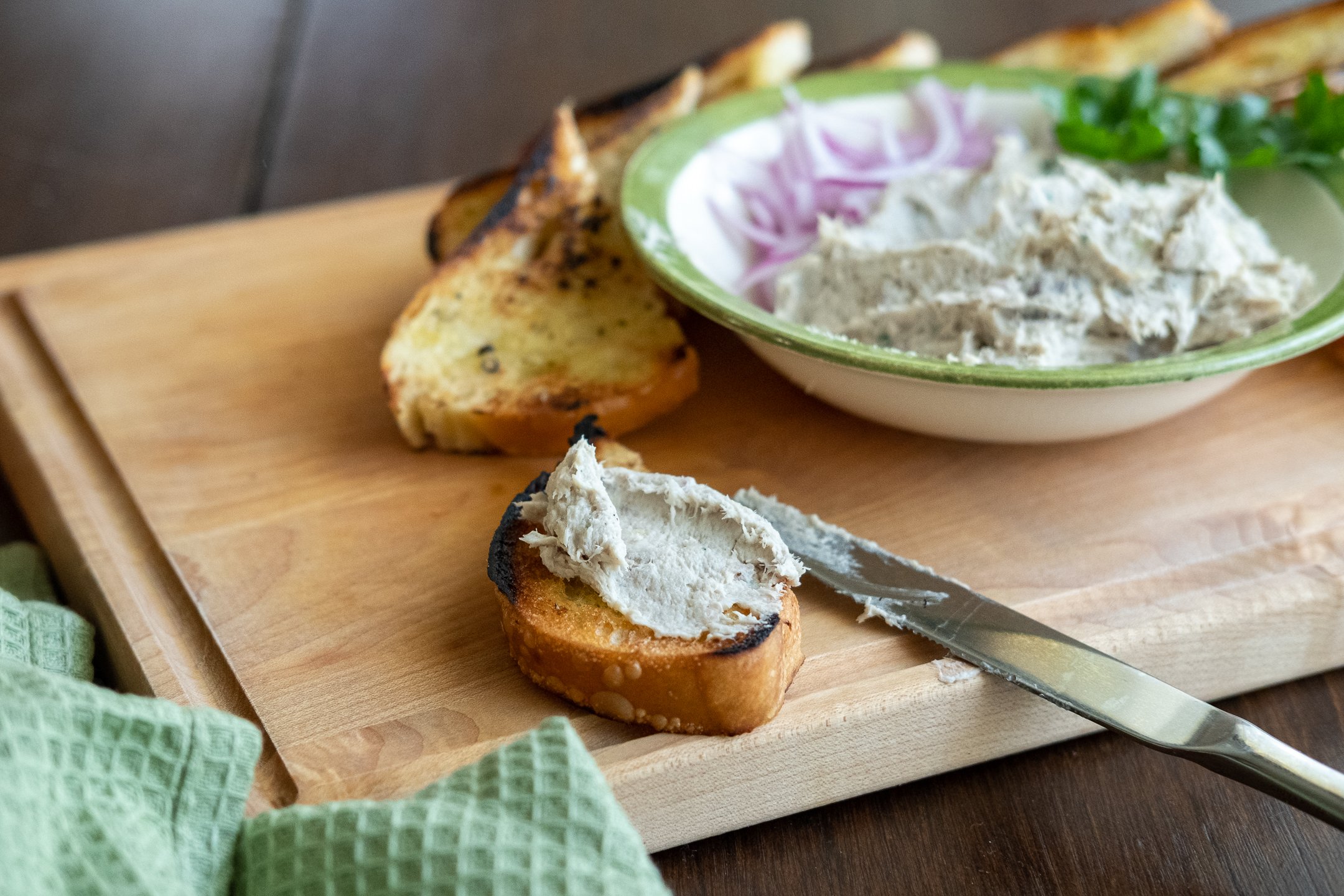
If you’re from the camp that thinks the only good thing to do with bluefish or mackerel is smoking it and making dip, this might change your mind.
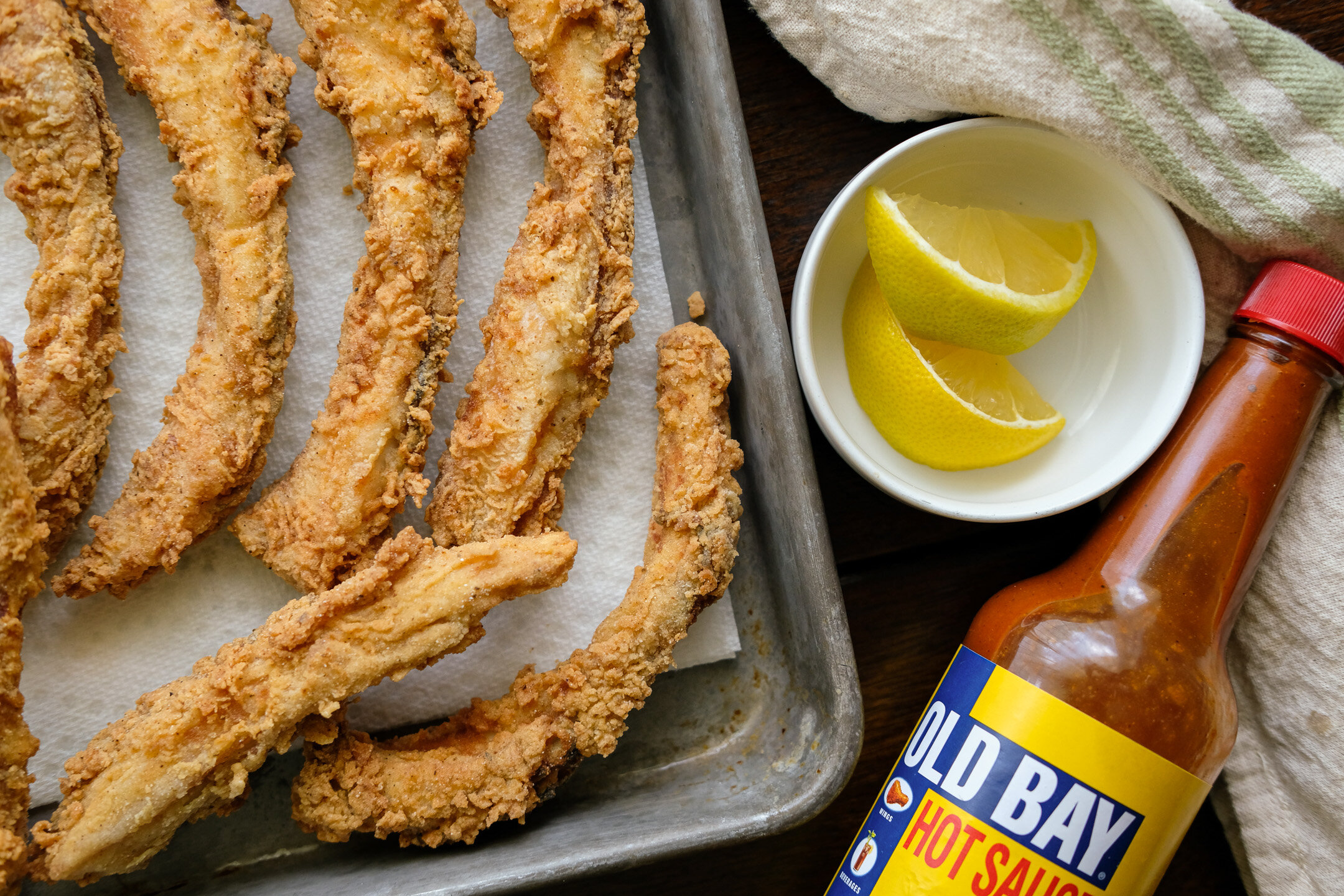
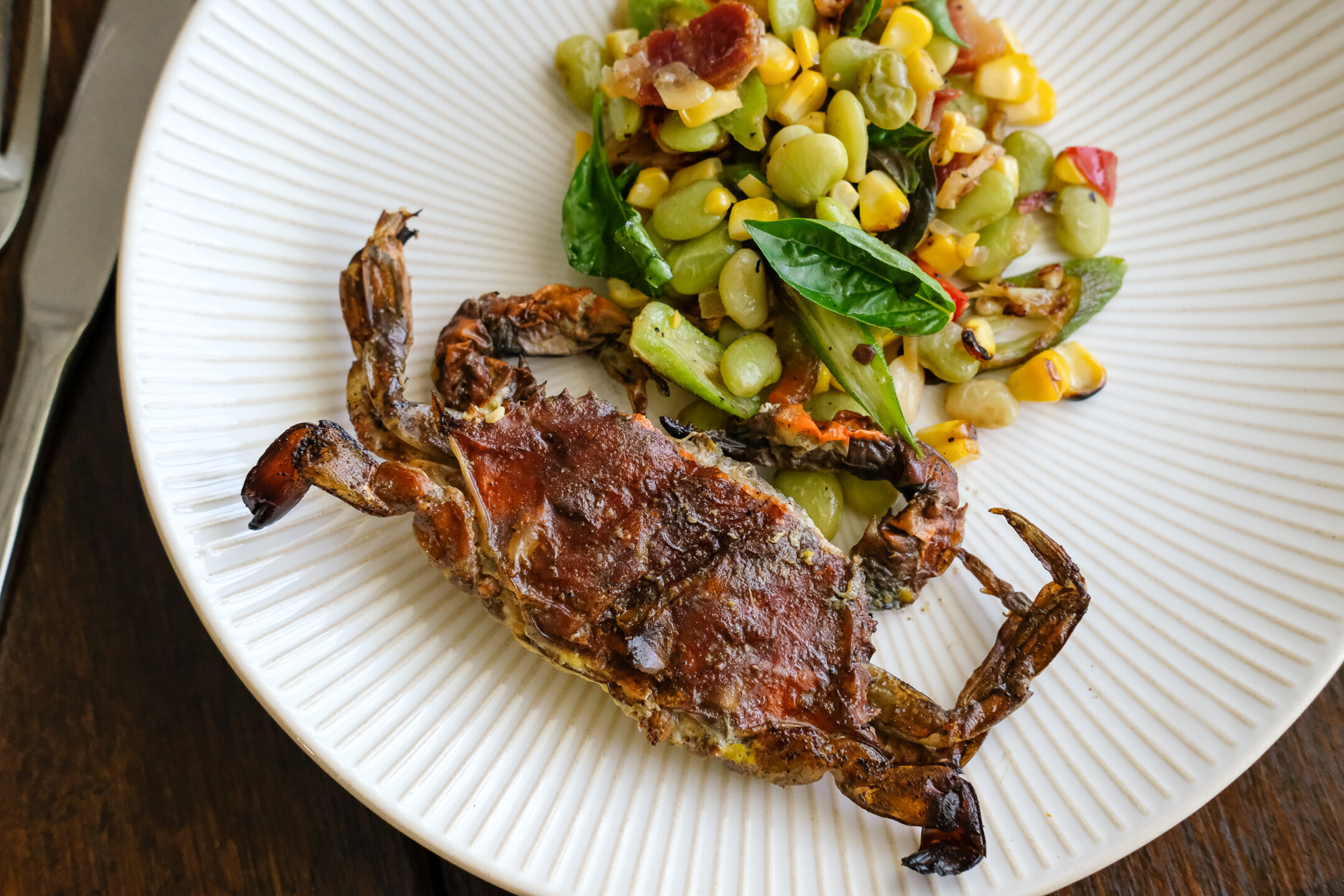
The method for grilling softshell crabs is simple: high heat to get the shells crispy, seasoning & some fat. You can use any fat you want, but the butter added a bit of welcome richness, I highly recommend it. As for seasoning, salt and pepper if you want to keep it minimalist. Old Bay if you know what's up.
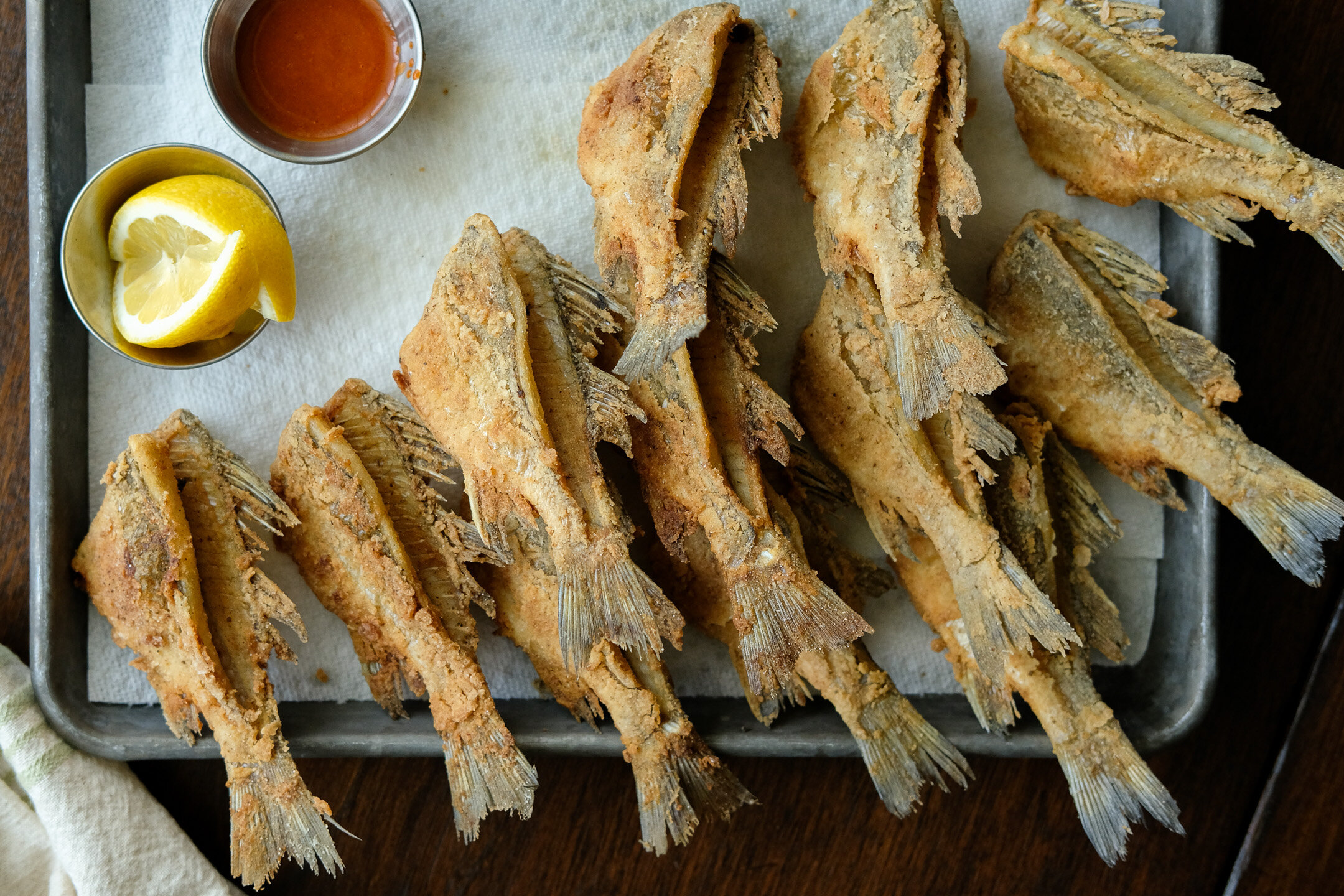
White perch are a lot of fun to fish for and some of the best table fare there is. They're abundant and aggressive, and once you find them, you can pile them up.
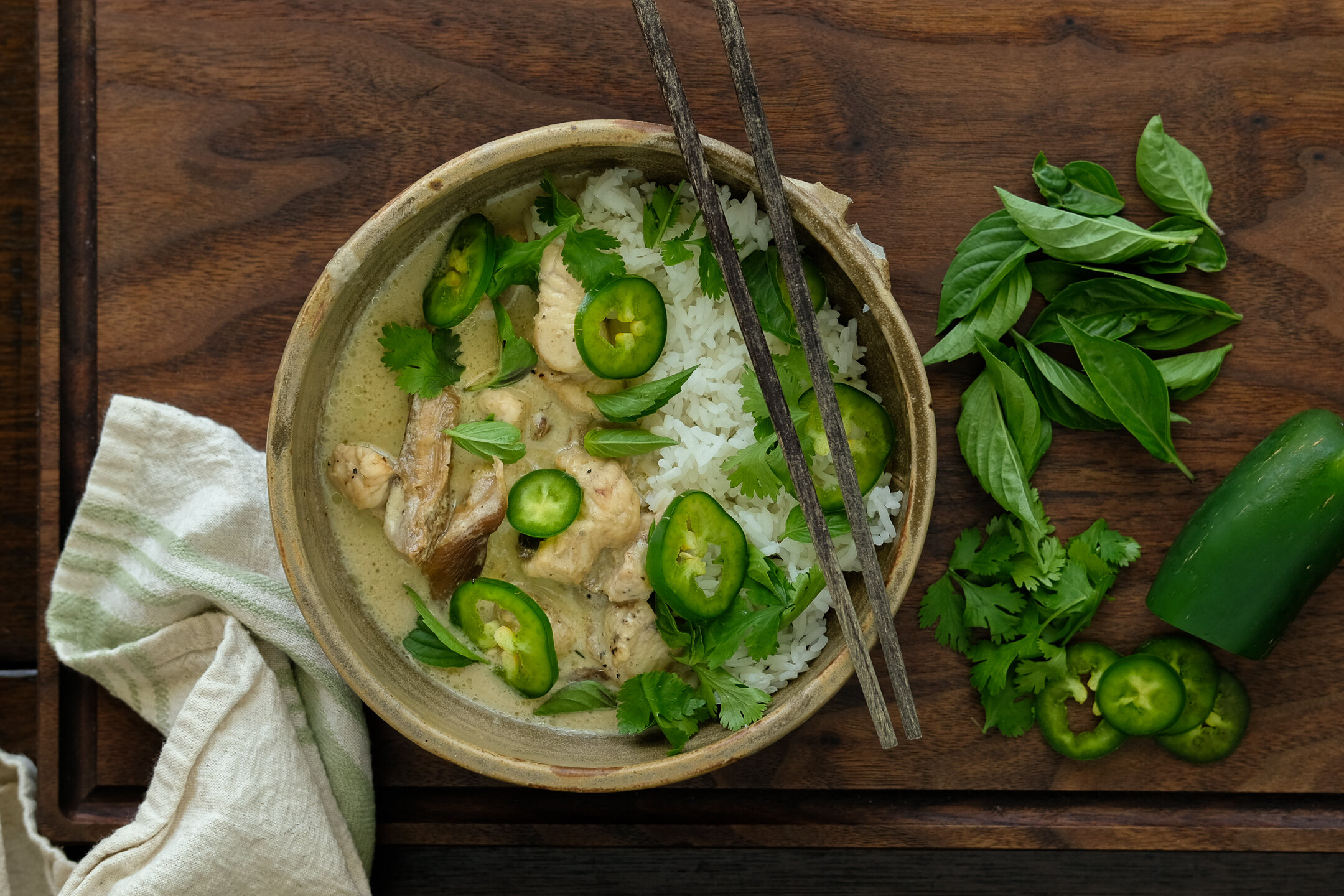
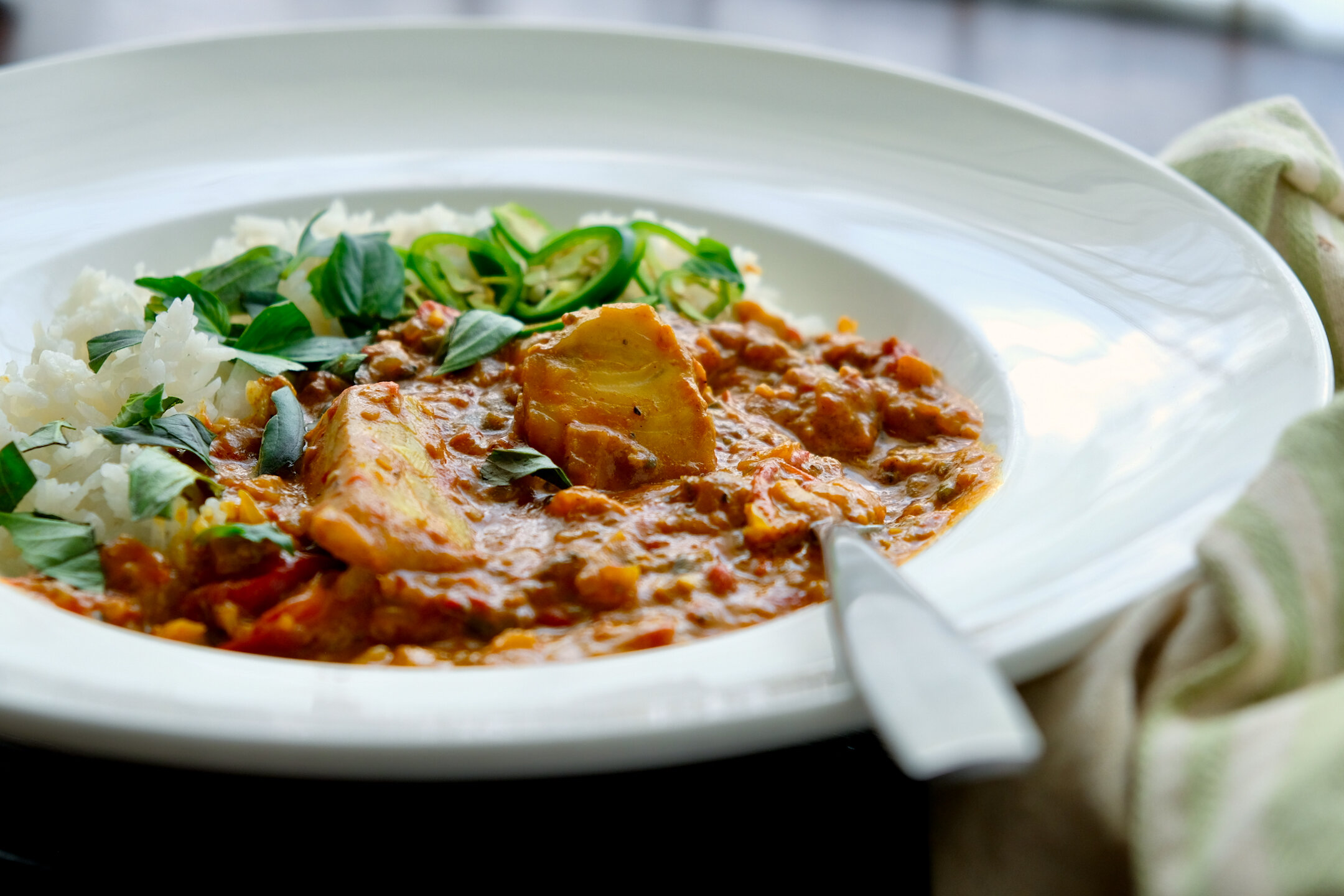
This green curry recipe has become a recurring dish after long and hot days on the water. It’s spicy, creamy without being too heavy, and refreshing yet comforting.

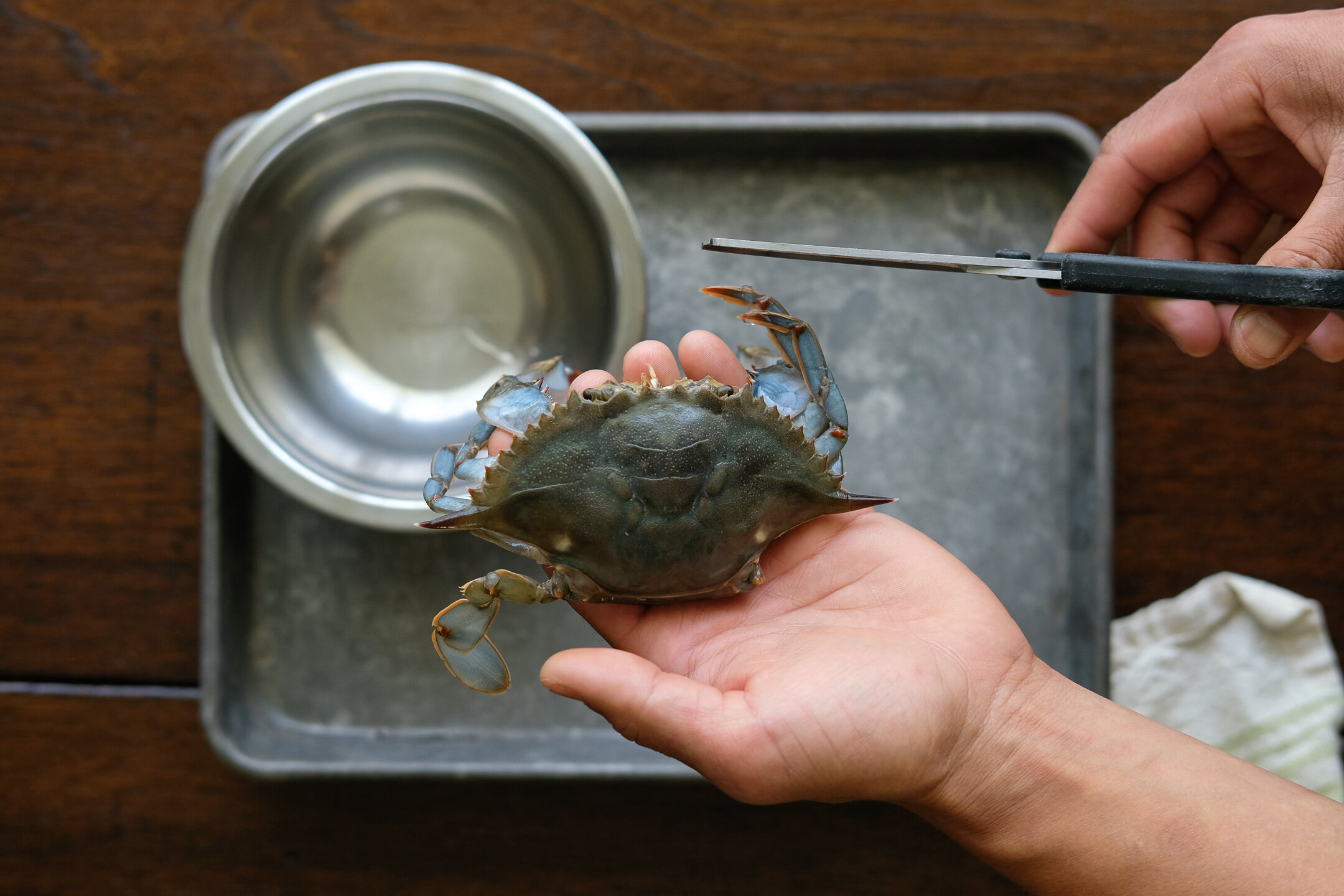
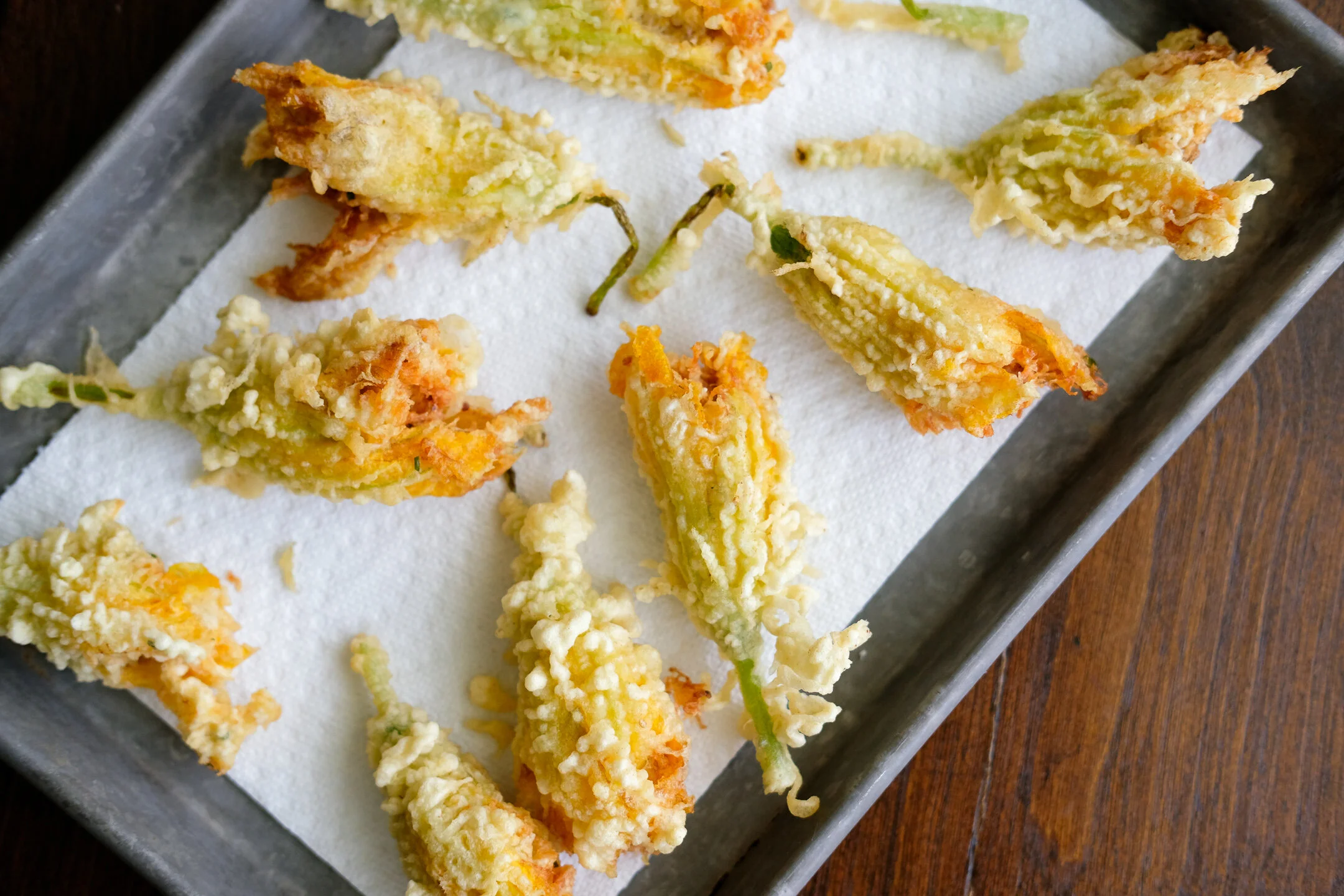
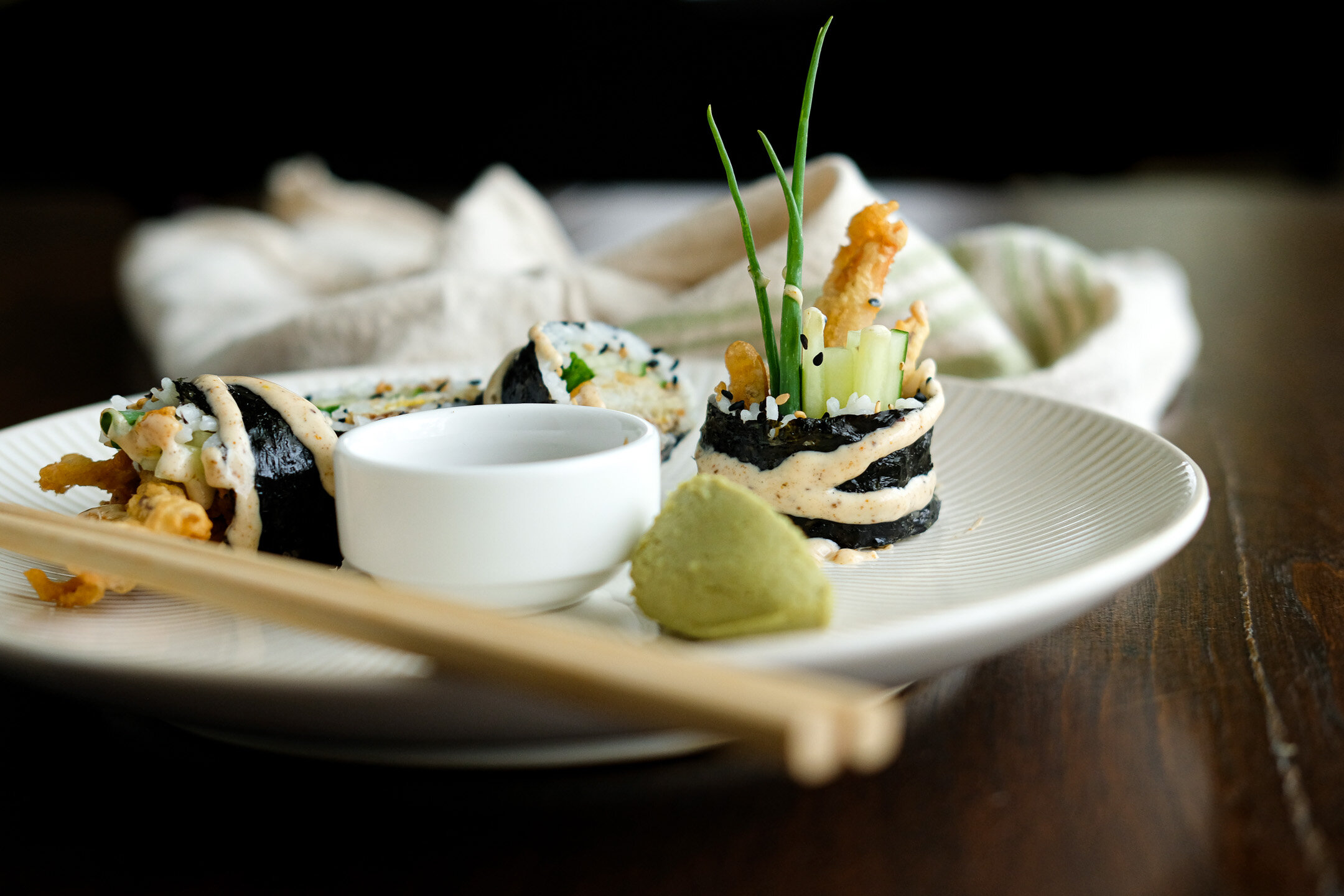
Tempura fried and rolled with cucumber, avocado, and old bay mayo, these soft shell crab rolls were light, with a filling crunch, and the most satisfying thing I’ve eaten this June.

Soft shell crabs might be nature’s most perfect food. Fried up, with a slice of ripe tomato and crispy bacon, it’s the essence of summertime on the Chesapeake.
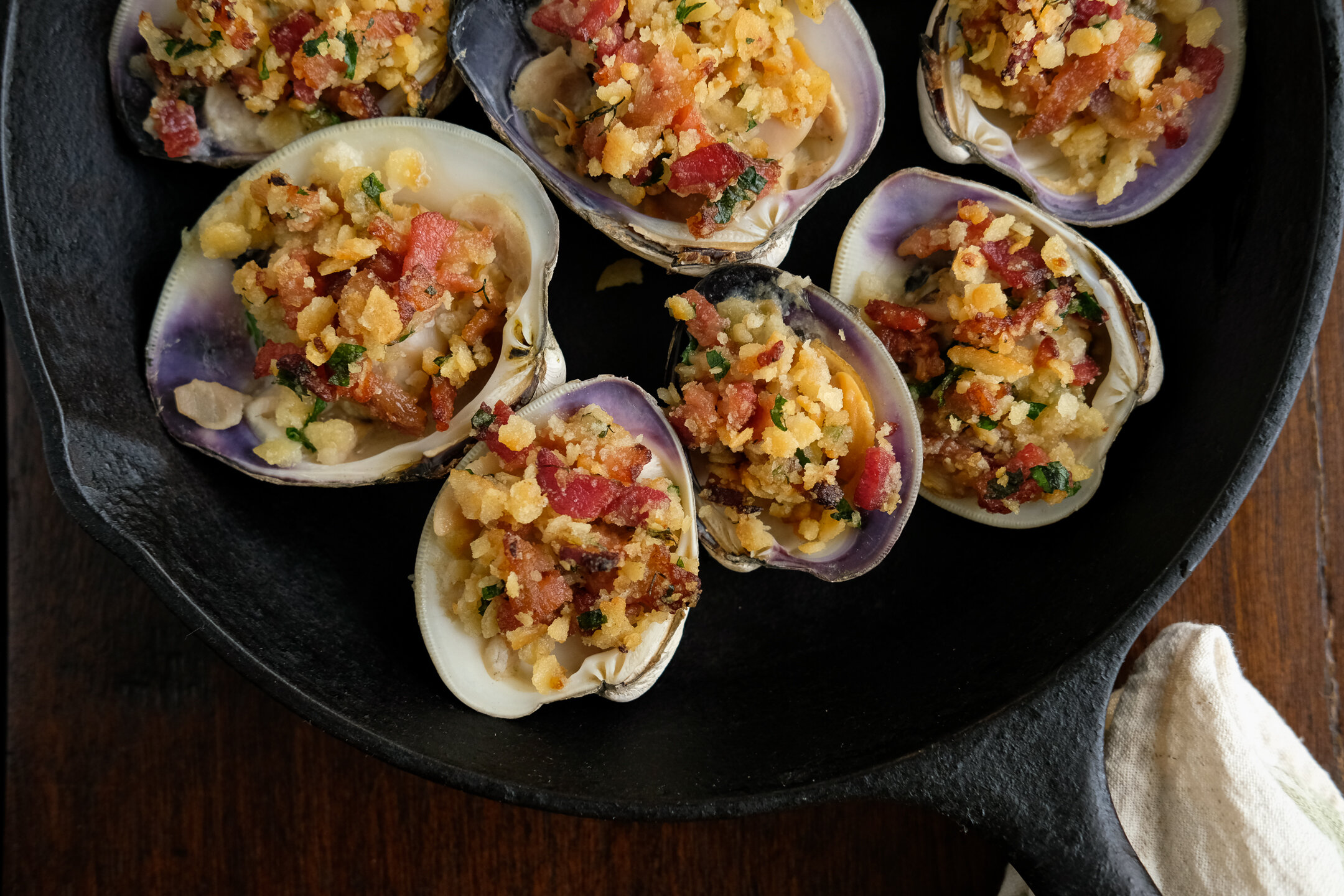

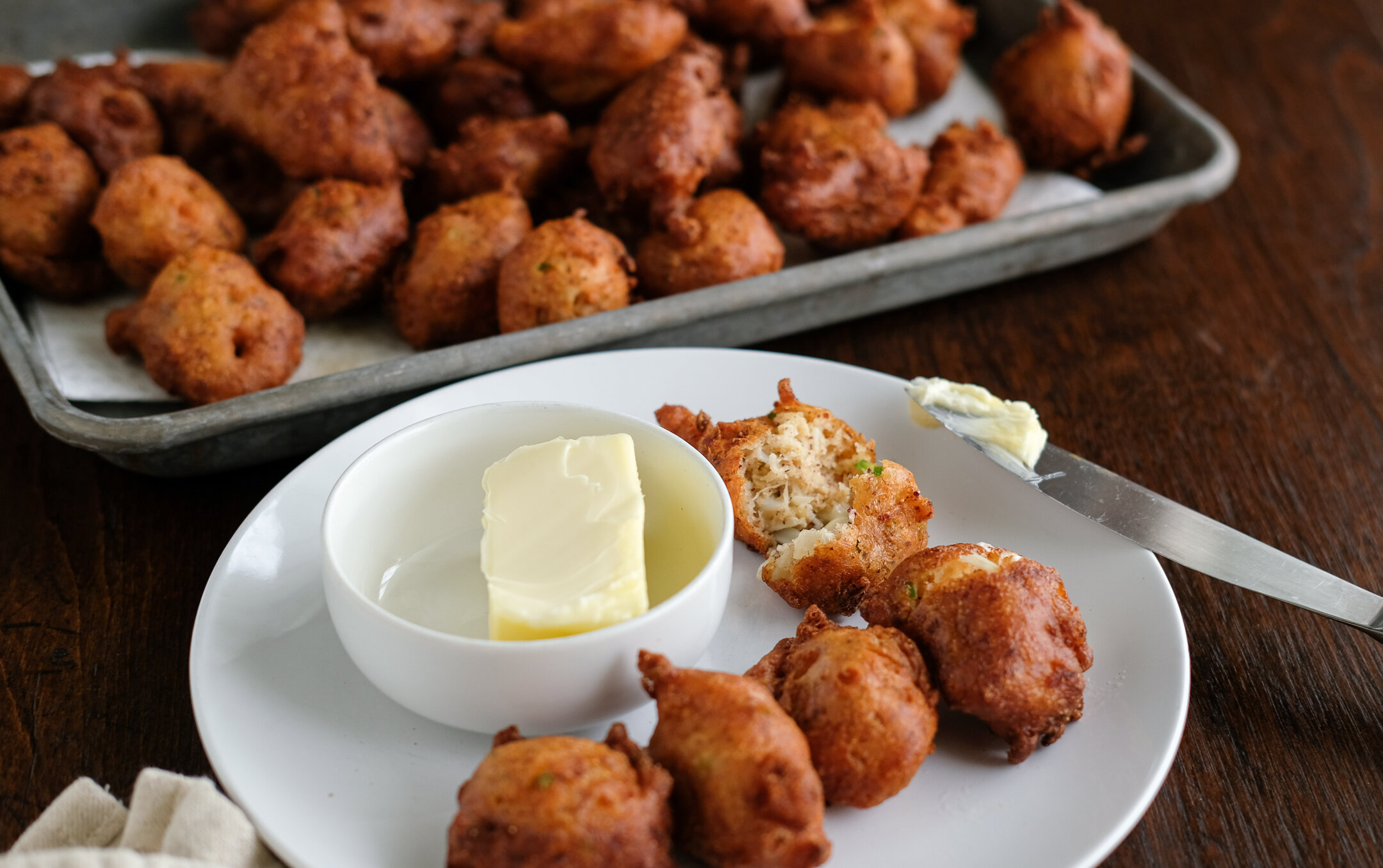
This recipe riffs on the classic clams oreganata, but with the twist of country-style Virginia ham.
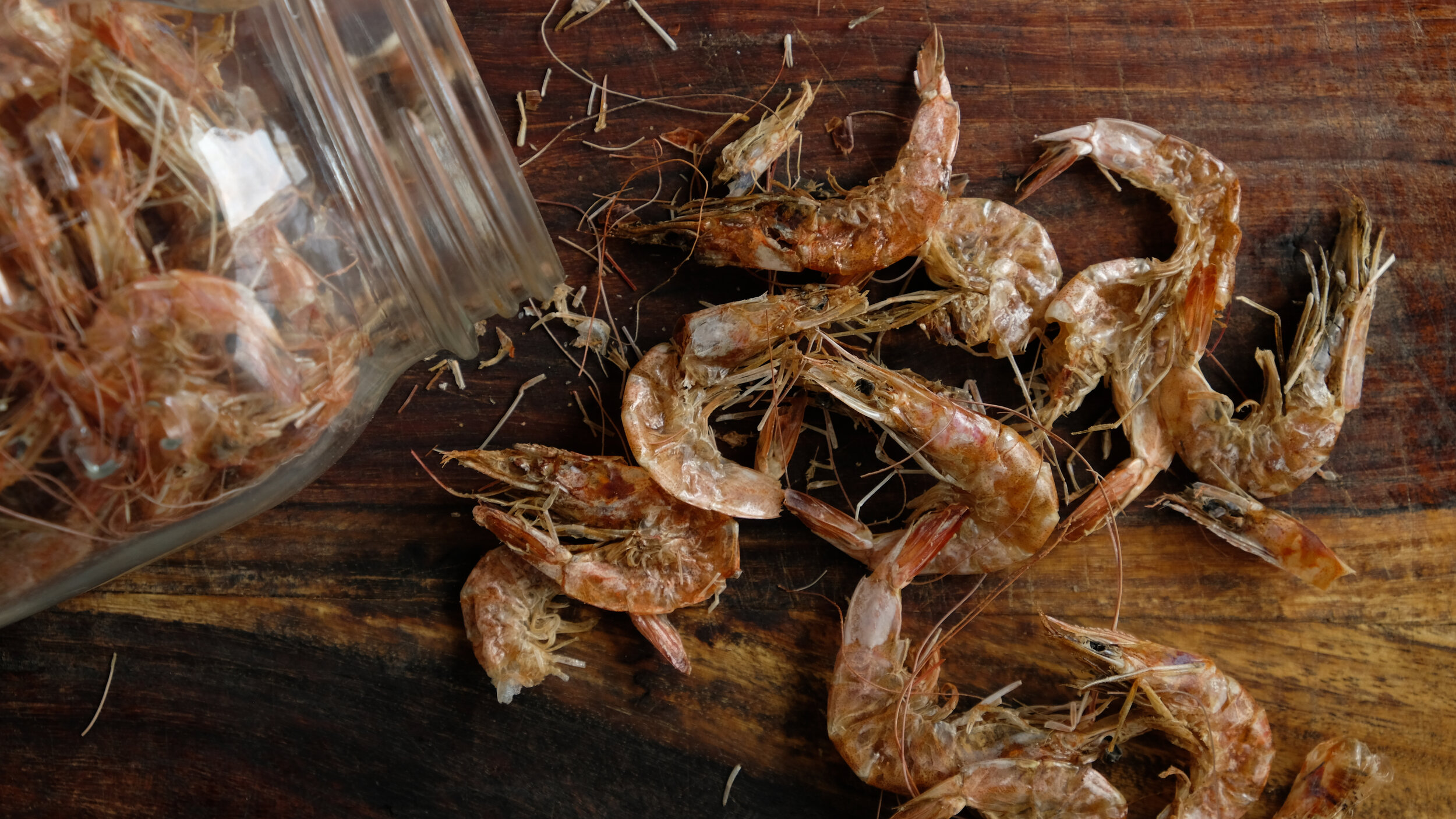
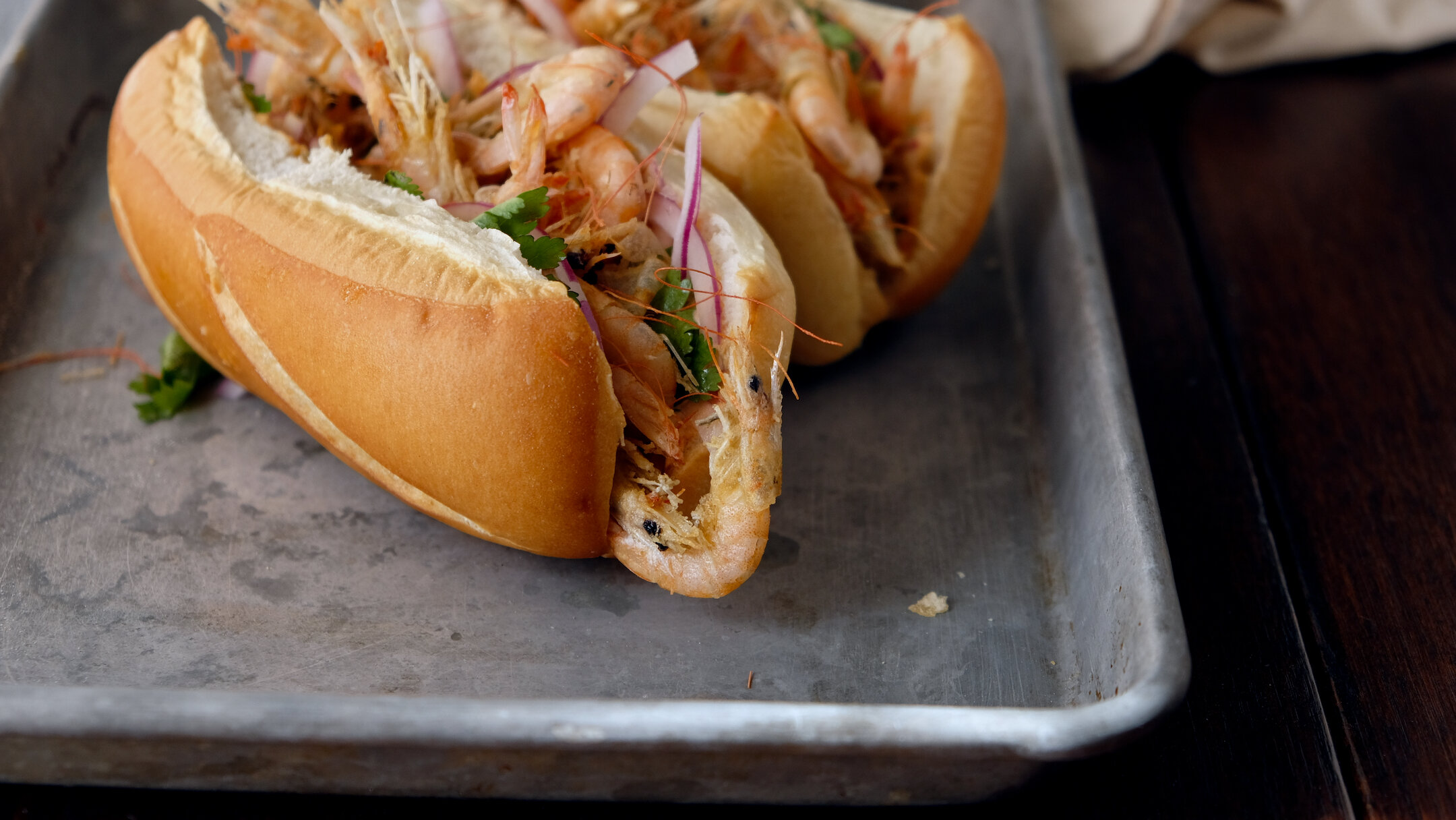
If you’ve never eaten shell-on shrimp, it's kind of like a softshell blue crab. And if you haven't had softshell crab, well, you're missing out.
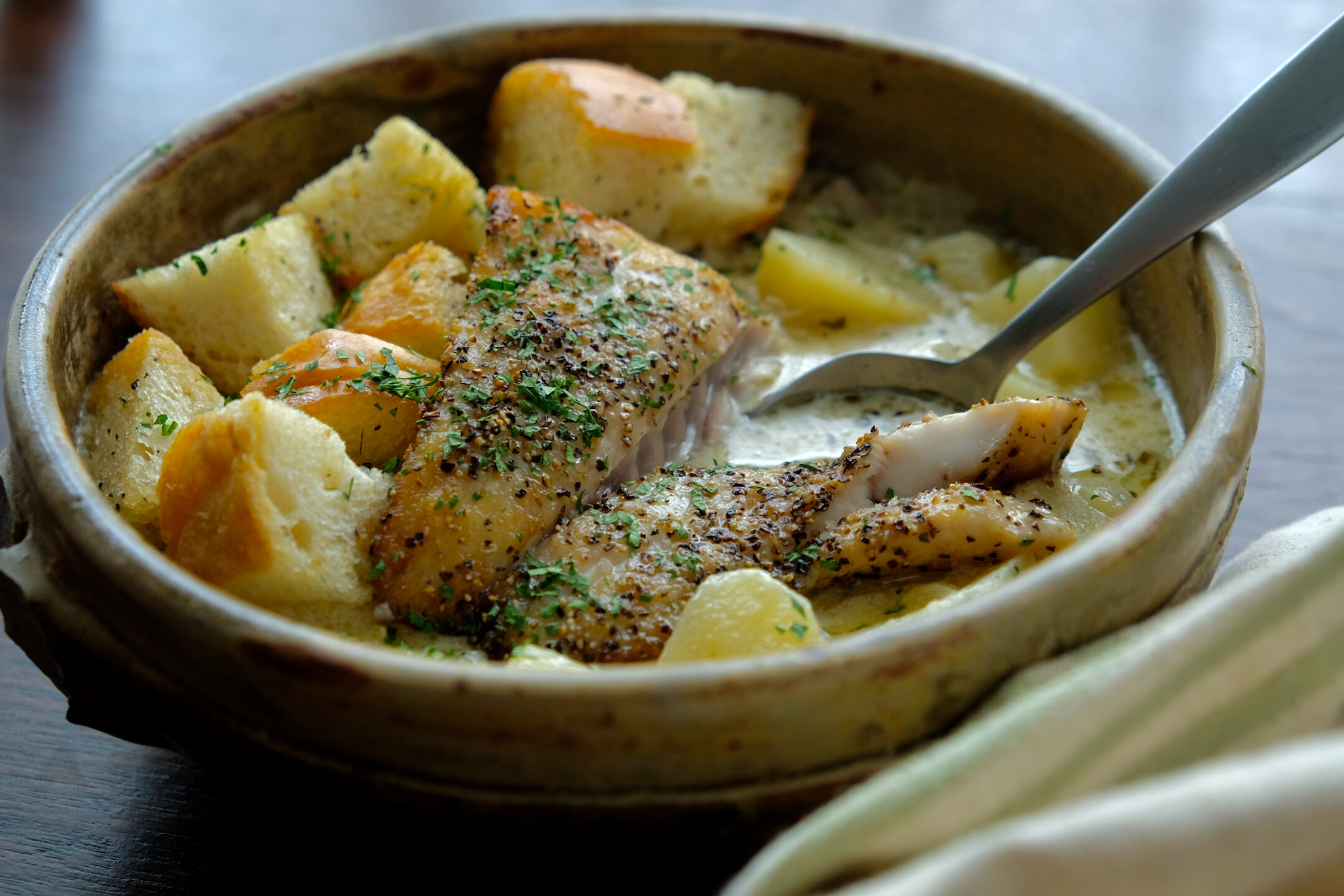
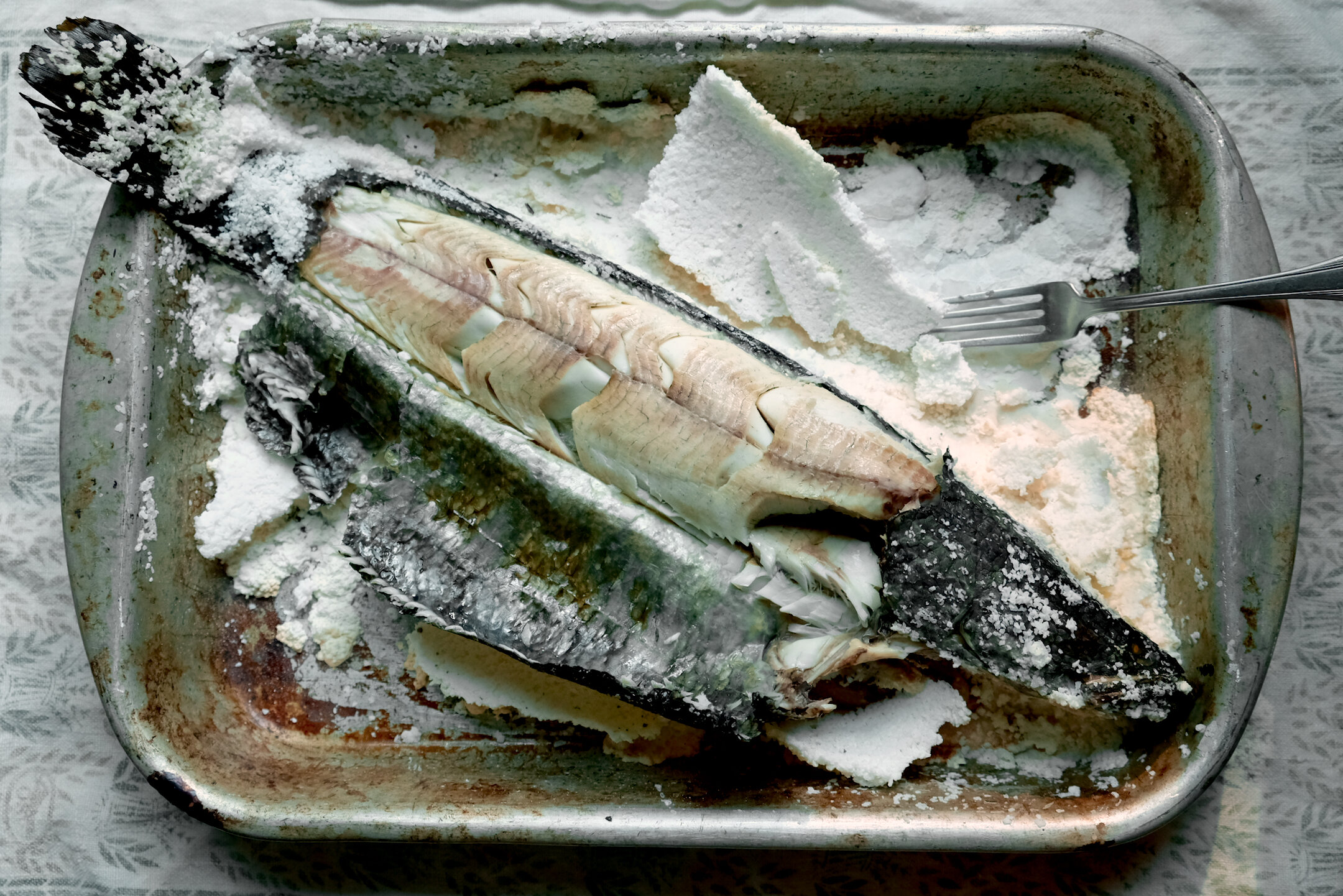
The fact that salt crusted fish comes out more evenly cooked and with better moisture retention is almost second to the drama of the presentation.
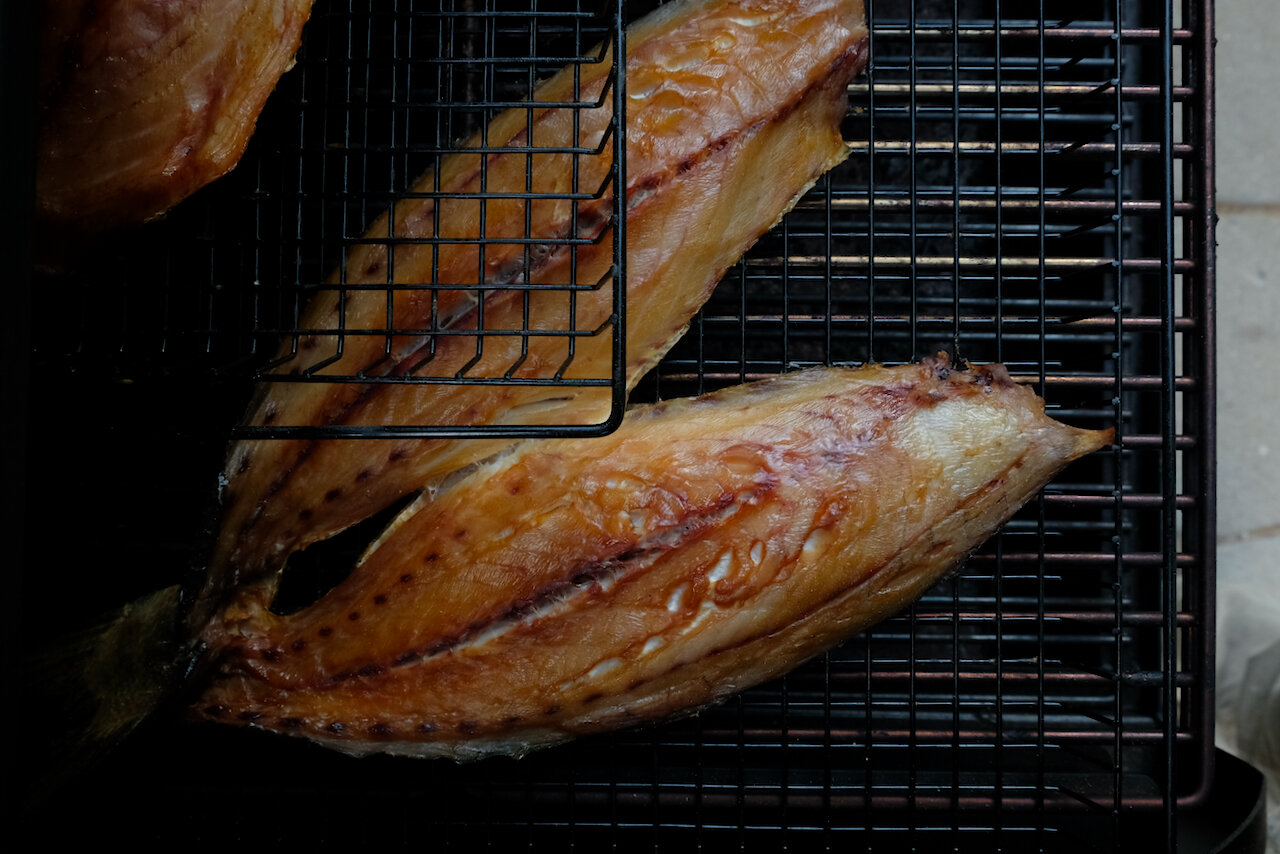
For all the bluefish you can’t eat fresh- a great addition to dips, flaked into hash and omelets, and anywhere else a salty and smoky touch of flavor is needed.
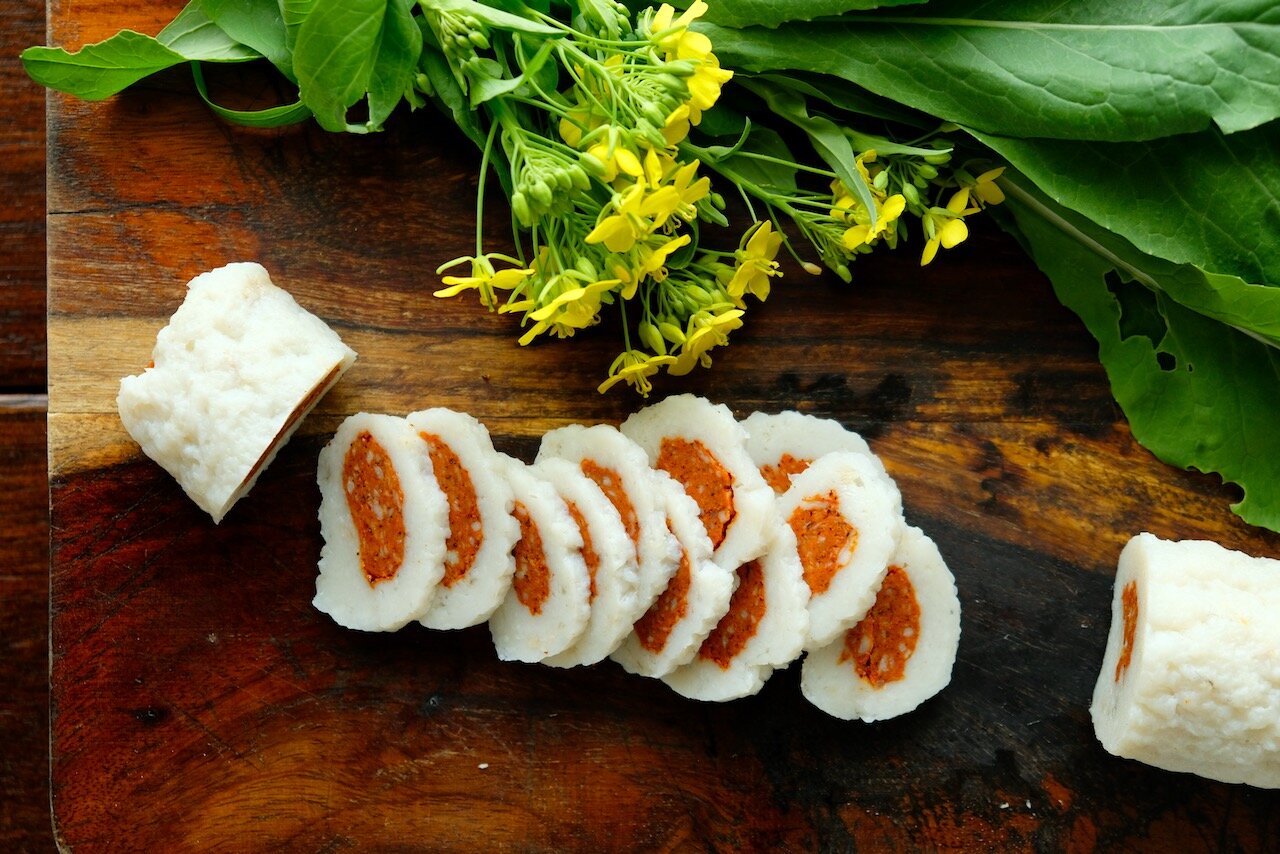
Kamaboko- you might not have heard of it, but I guarantee you’ve tried it. These are as good, if not better, than the kamaboko you can buy in asian grocery stores.
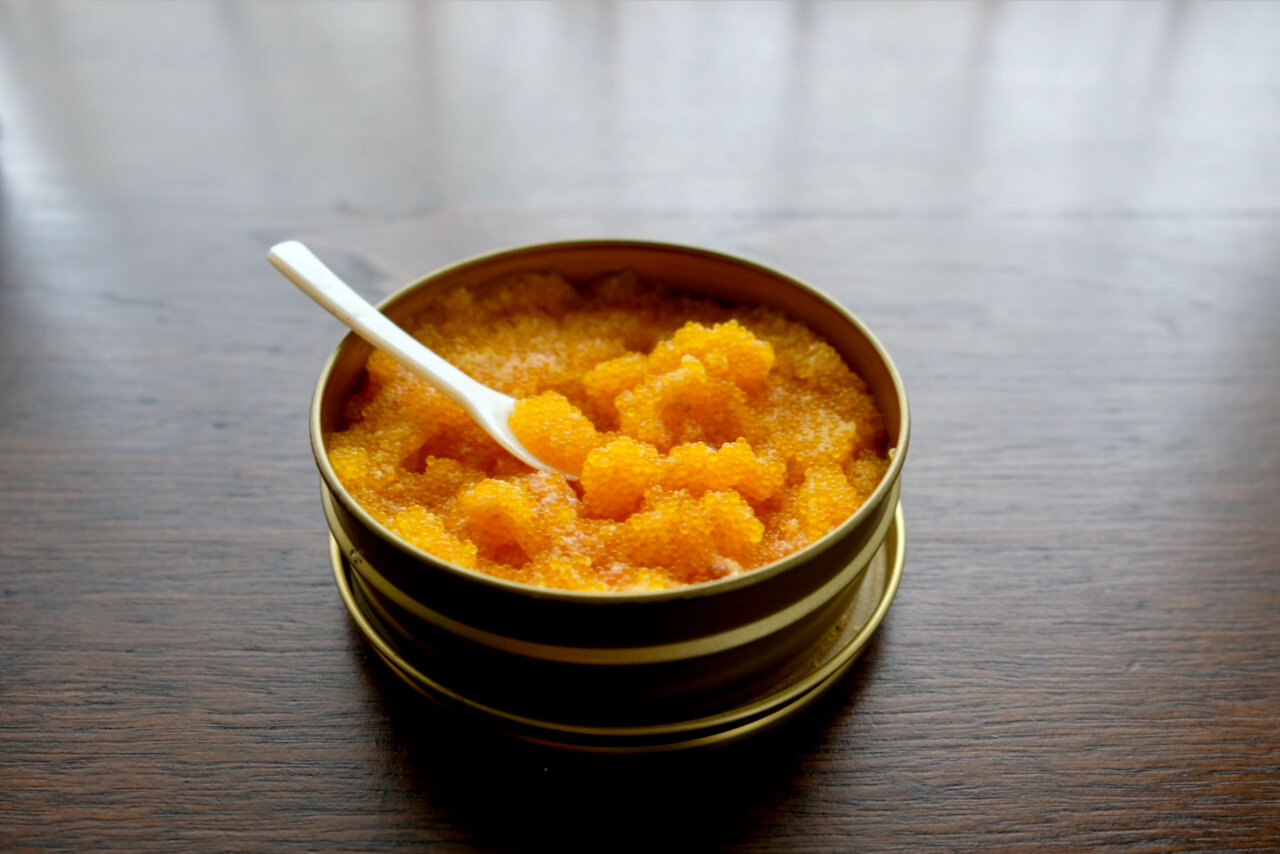
The fine texture, color and richness of snakehead roe is exceptional. Flavor-wise, it is mildly briny and not fishy at all, with an eggy richness that you only find in good fish roe.
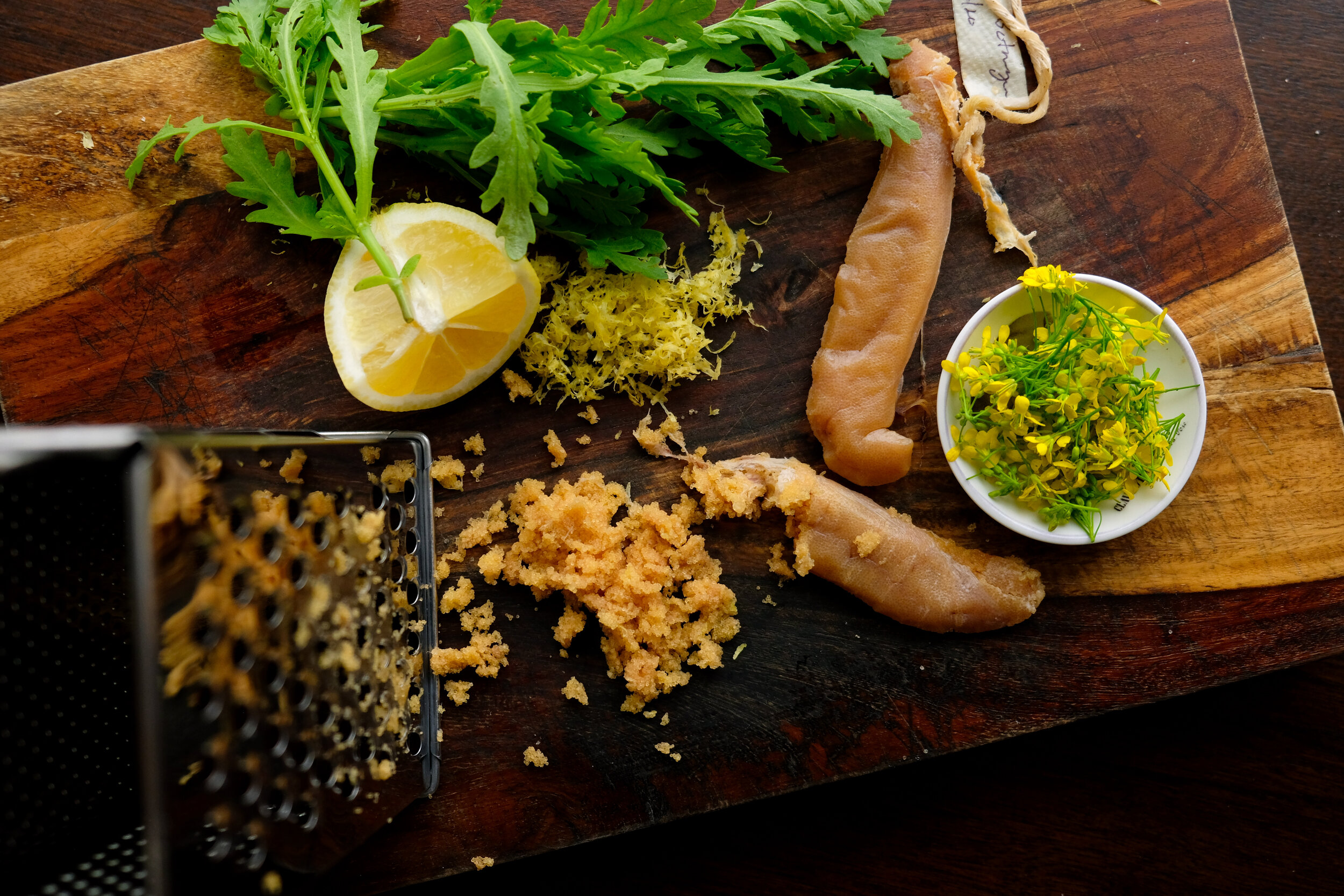
Bottarga, essentially, is a salt cured roe sac. The result is something similar to parmesan cheese, but with an eggy-briny flavor.
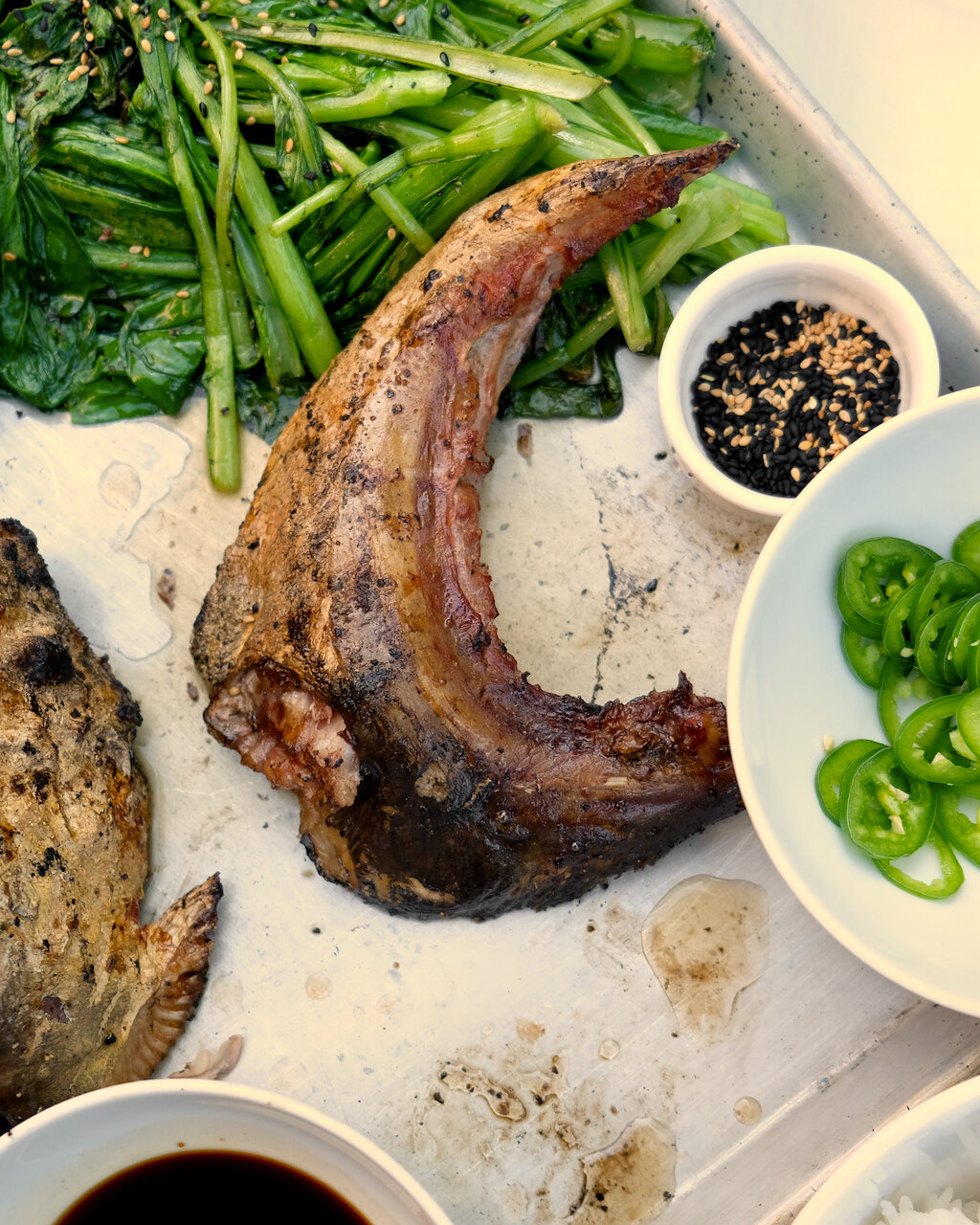
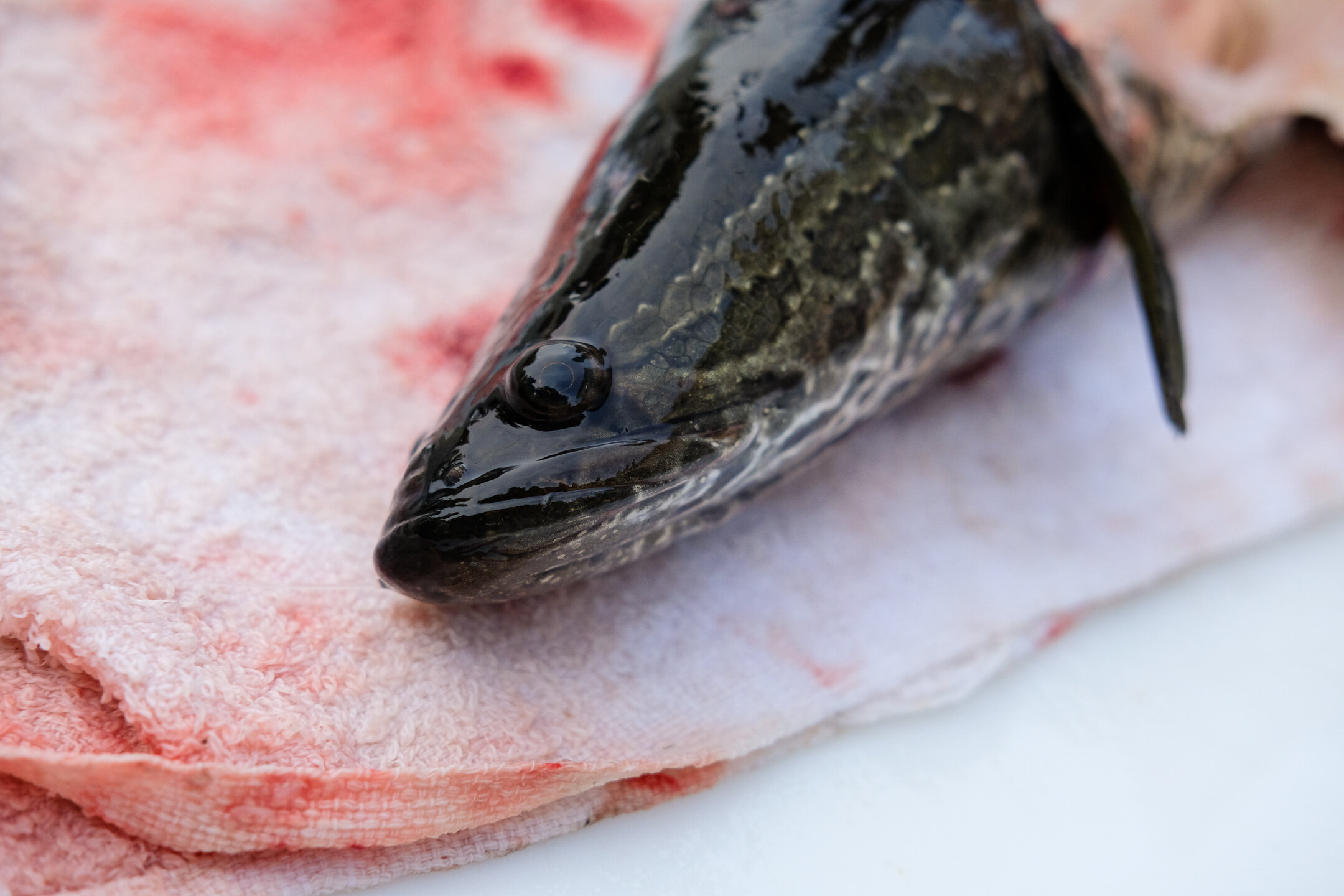
Handling and preparing the tastiest ‘trash fish’ in the bay