
Fish Skin Cracklins
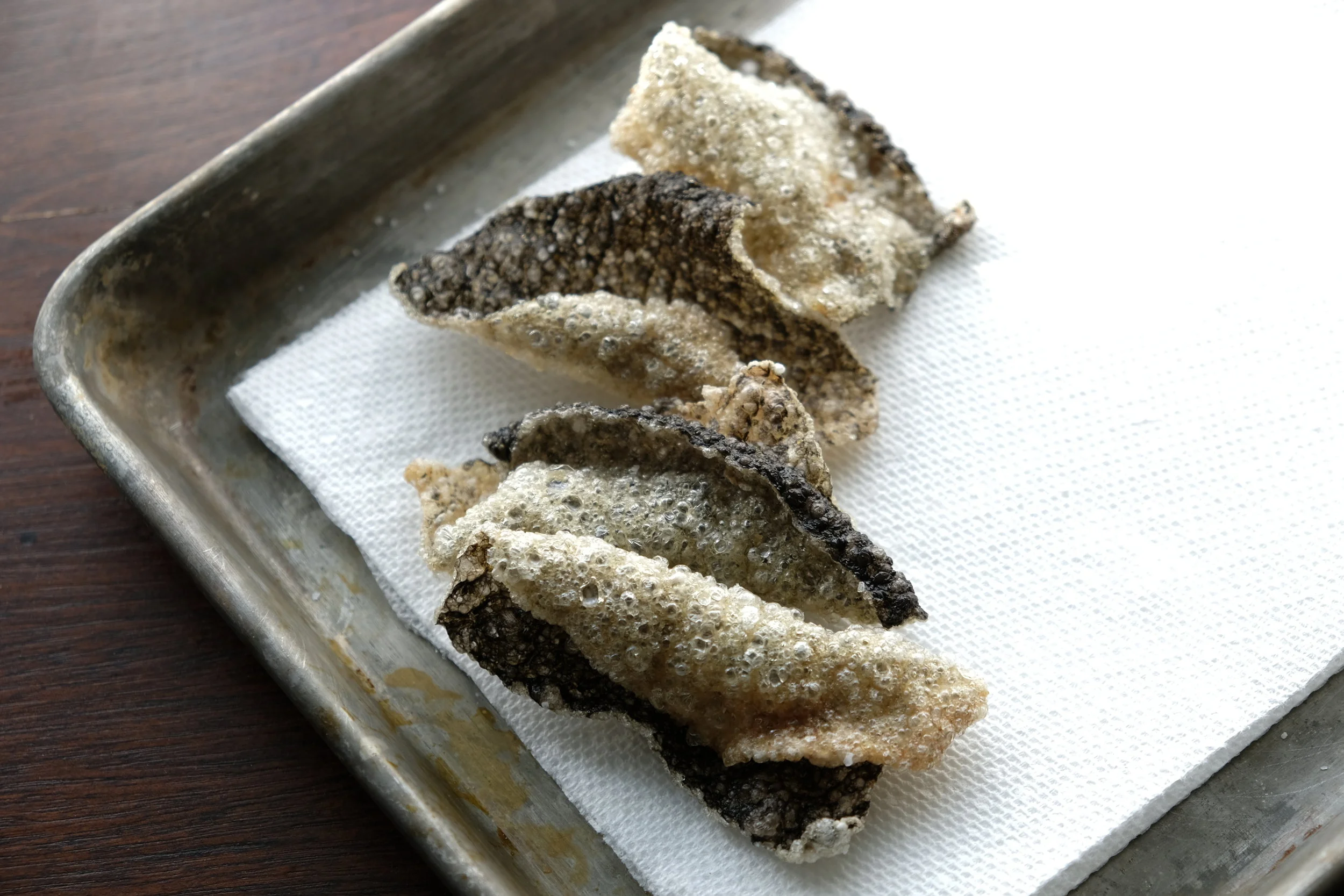
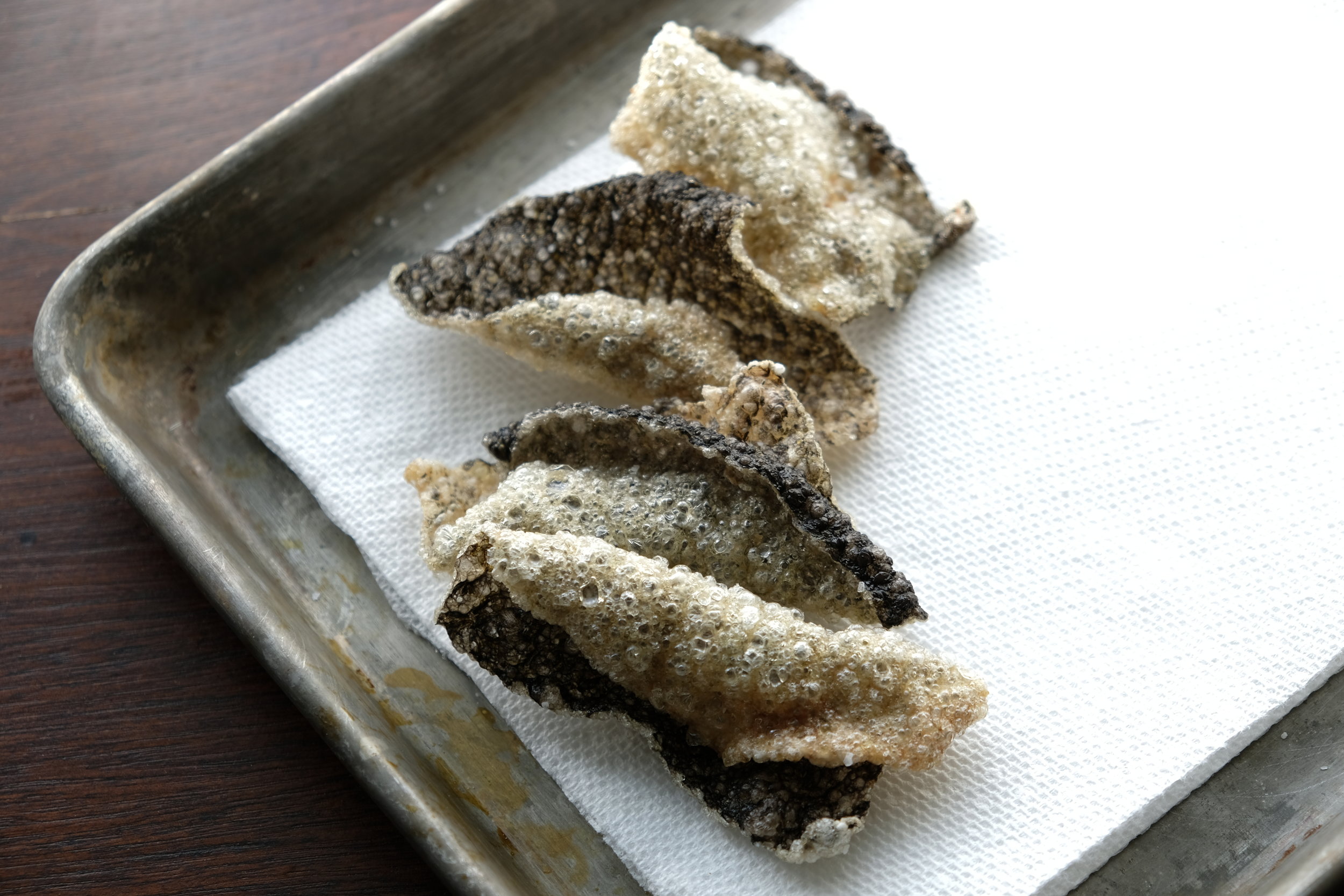
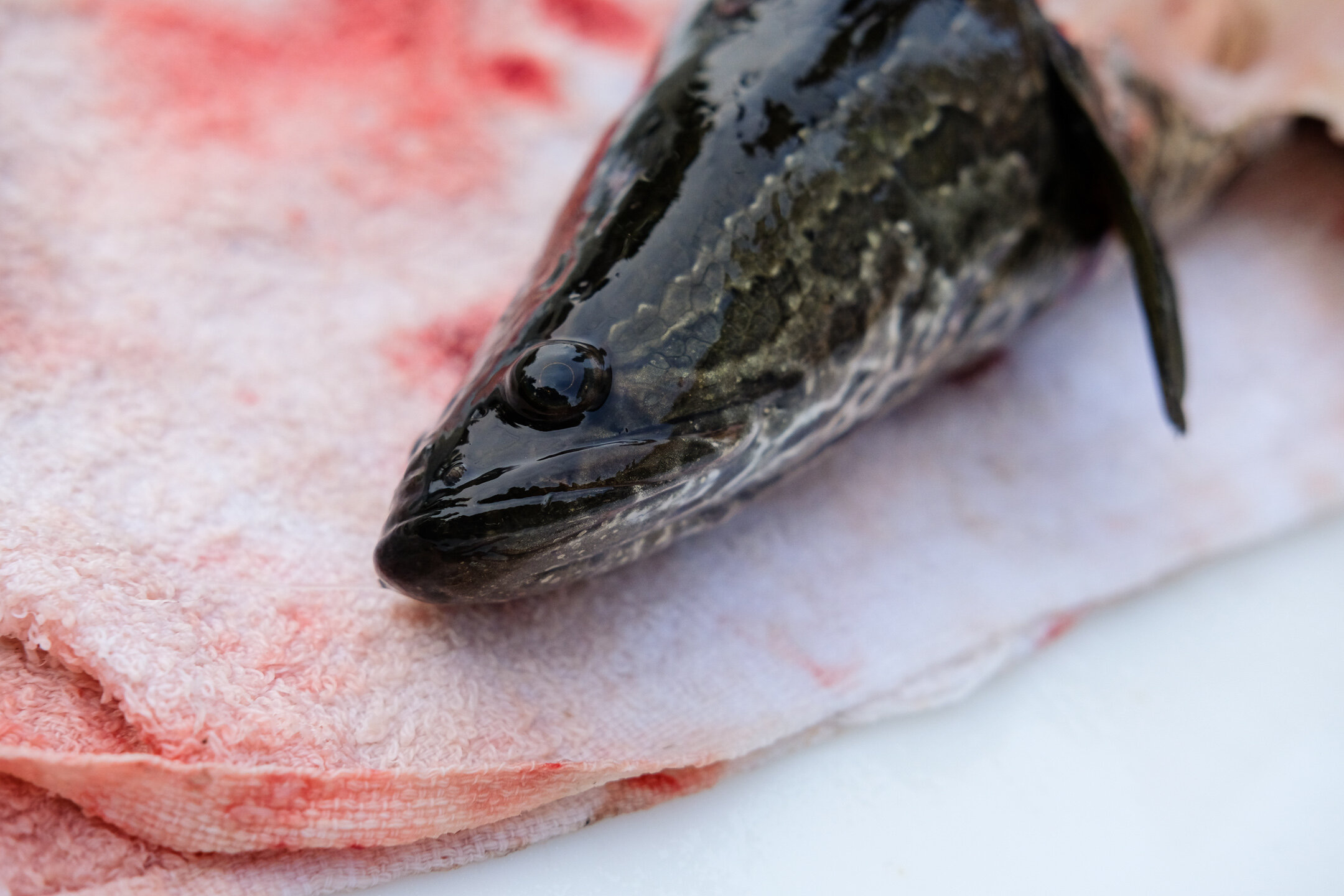
Here’s one more way to make the most of what you catch. We do everything we can to maximize the yield from the animals we hunt and fish- we make stock from the bones, render any fat we can, and make full use of the “off cuts” and offal. We’ve been doing a lot of fishing this summer, mostly for snakehead and cobia, and after filleting the fish, we cut out the collars and cheeks, turn the carcass into a flavorful broth, and set aside the guts for an experiment with fish sauce. After all that, the only thing left is the skin, which we’ve started dehydrating and frying into cracklins. They make a great snack- like pork rinds, but less greasy, and not fishy at all. They’re mild and crunchy and take well to whatever you decide to season them with. You can store the dehydrated skins in an airtight container in the freezer indefinitely, so start stocking up for your next party.
Fish Cracklins
Prep time: 30 minutes active, 8 hours total
Ingredients:
Fish skins
Oil
Seasoning of your choice

Method:
Scale the fish before filleting. After filleting, separate the skin from the meat. Scrape the flesh side of the skin with a dull knife to remove any remaining fat and meat. Rinse in cold water to remove all slime and blood, pat dry.
If you’re working with a thin-skinned fish like flounder, perch, bass, small catfish, or snakehead, you can skip this next step. For a thicker-skinned fish like cobia, shark, mahi, tuna or salmon, you’ll need to simmer the skins first in boiling water for 60-90 seconds to tenderize. We simmered our cobia skins for 90 seconds.
Next, dehydrate at 125F until the fish skins are completely dry, 4-8 hours. We leave them in the dehydrator overnight. You can’t really over-do this step, just make sure they’re dry.
At this point, you can either store them in the freezer until you’ve got enough for a big batch of cracklins, or go straight to frying.
Heat your oil to around 375F. If you don’t have a thermometer for this, throw a kernel or two of popcorn in the oil. When they pop, it’s hot enough to fry. You want your oil hot- if it’s too cool your cracklins will be under-inflated and weird. Work in small batches. The skins should puff up almost immediately as they hit the oil. Flip once to ensure even frying. This whole process should take about 30 seconds. Once the skins stop rapidly sizzling, remove with a slotted spoon and place on a paper towel lined plate or pan. Season immediately- as the cracklin cools, the seasoning won’t stick. We recommend experimenting with whatever is in your spice cabinet- Old Bay, Tony’s, chili powder & lime- you really can’t go wrong here. Just make sure you use some salt if there isn’t any in the spice blend you’re working with.


Crispy wok-fried Chesapeake Bay soft shells coated in a sticky, spicy, gingery sauce are a perfect storm of hyper-regional ingredients and imported techniques. This is what food is all about: blending cultures, time and places.


If you’re from the camp that thinks the only good thing to do with bluefish or mackerel is smoking it and making dip, this might change your mind.
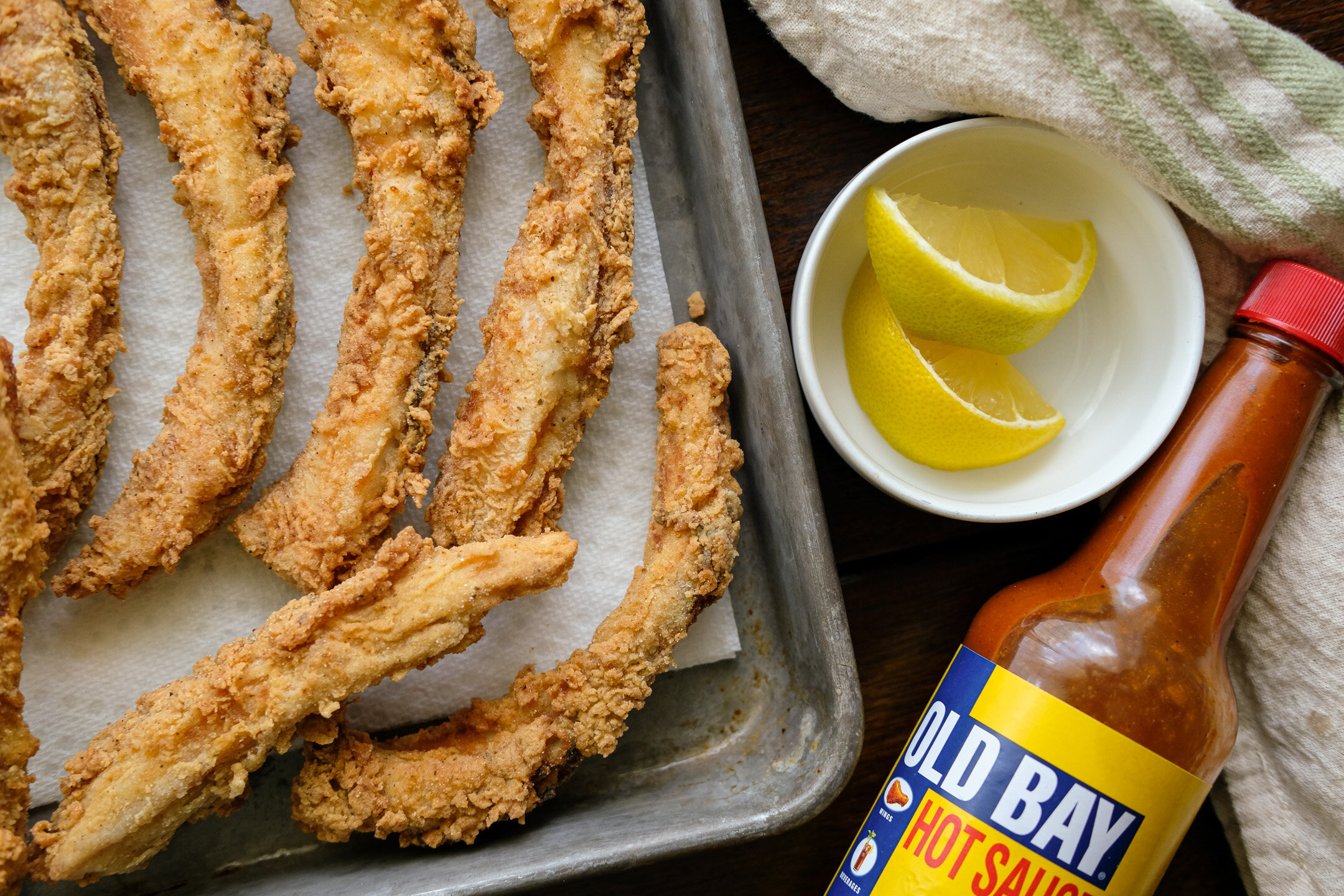
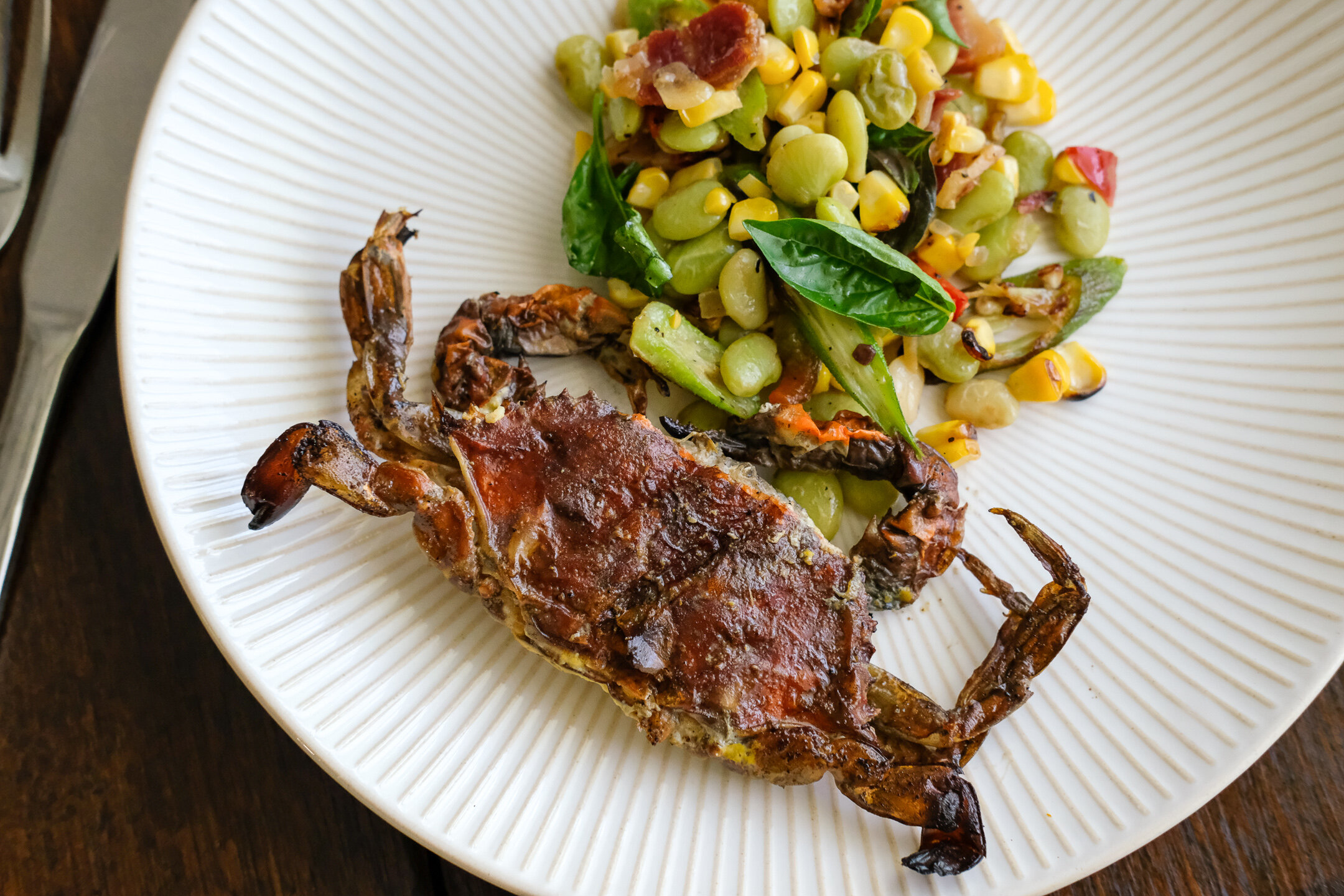
The method for grilling softshell crabs is simple: high heat to get the shells crispy, seasoning & some fat. You can use any fat you want, but the butter added a bit of welcome richness, I highly recommend it. As for seasoning, salt and pepper if you want to keep it minimalist. Old Bay if you know what's up.
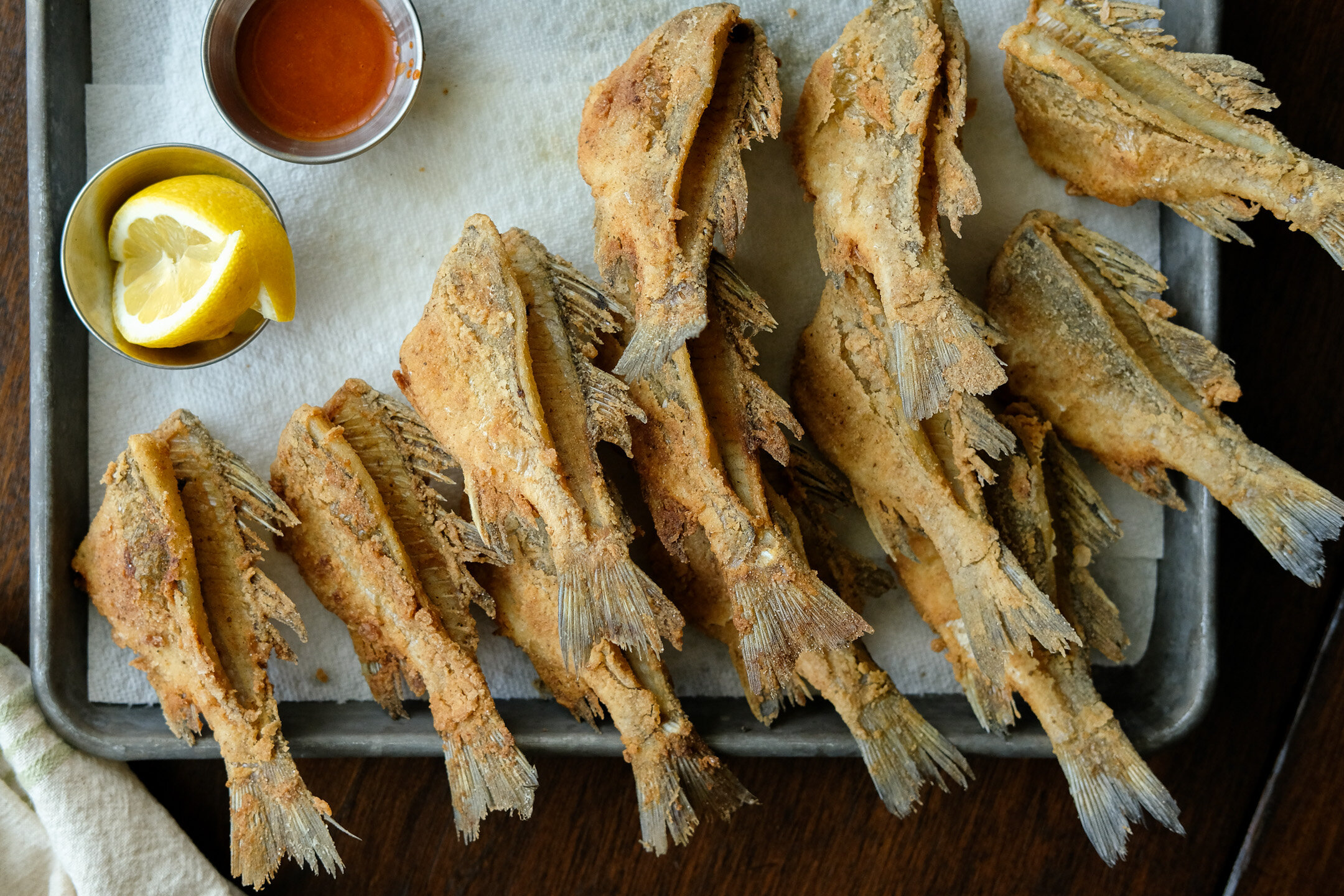
White perch are a lot of fun to fish for and some of the best table fare there is. They're abundant and aggressive, and once you find them, you can pile them up.
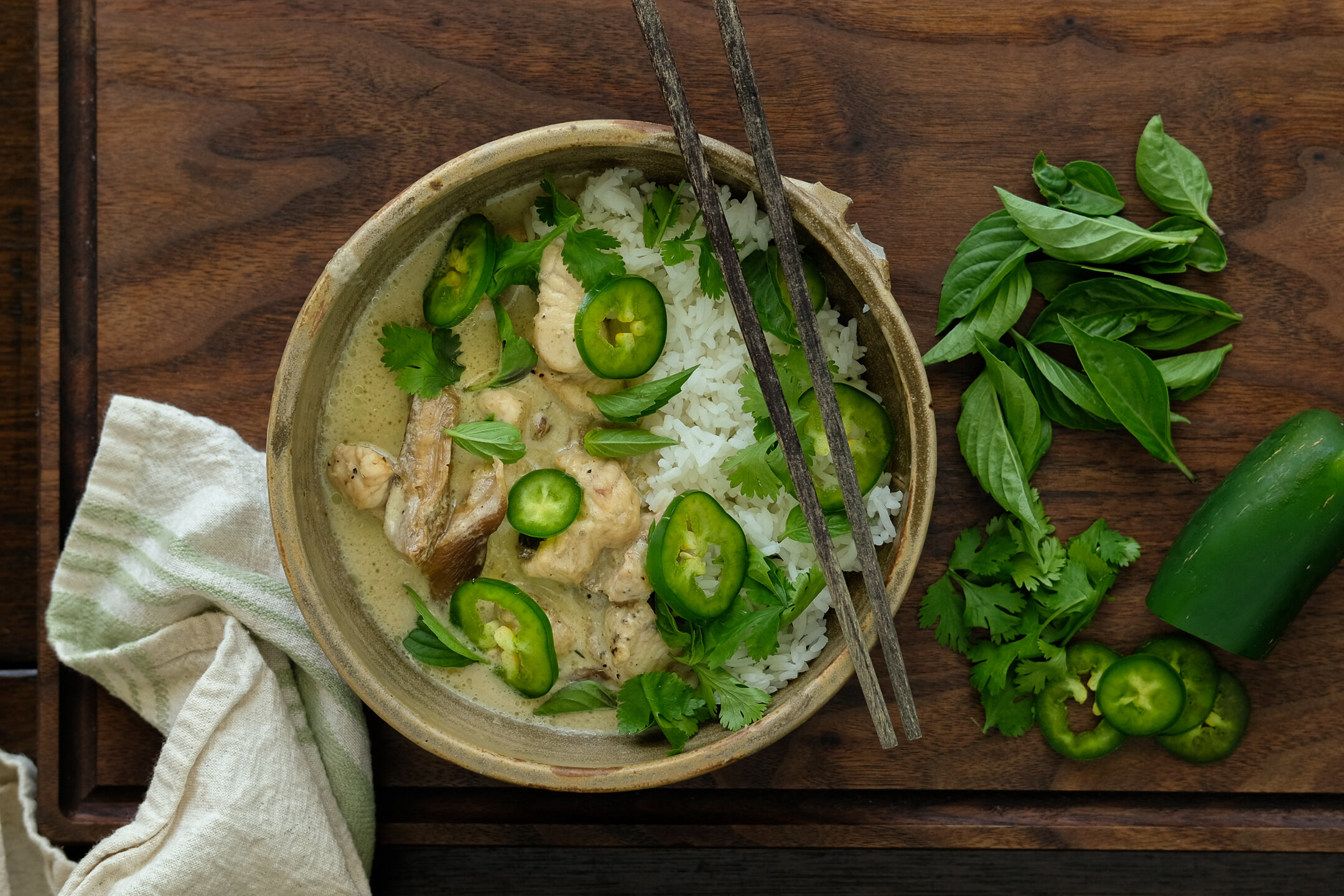
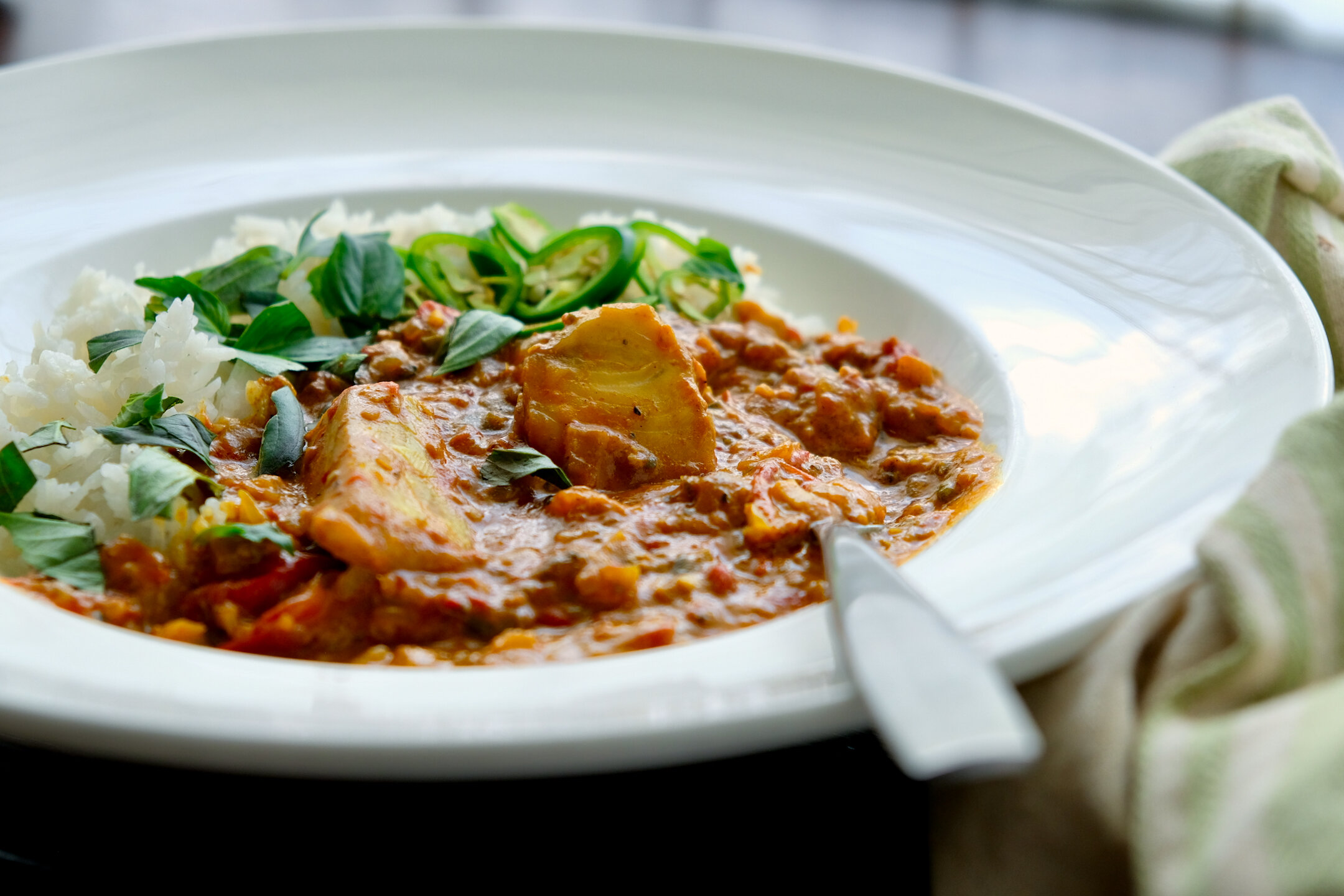
This green curry recipe has become a recurring dish after long and hot days on the water. It’s spicy, creamy without being too heavy, and refreshing yet comforting.

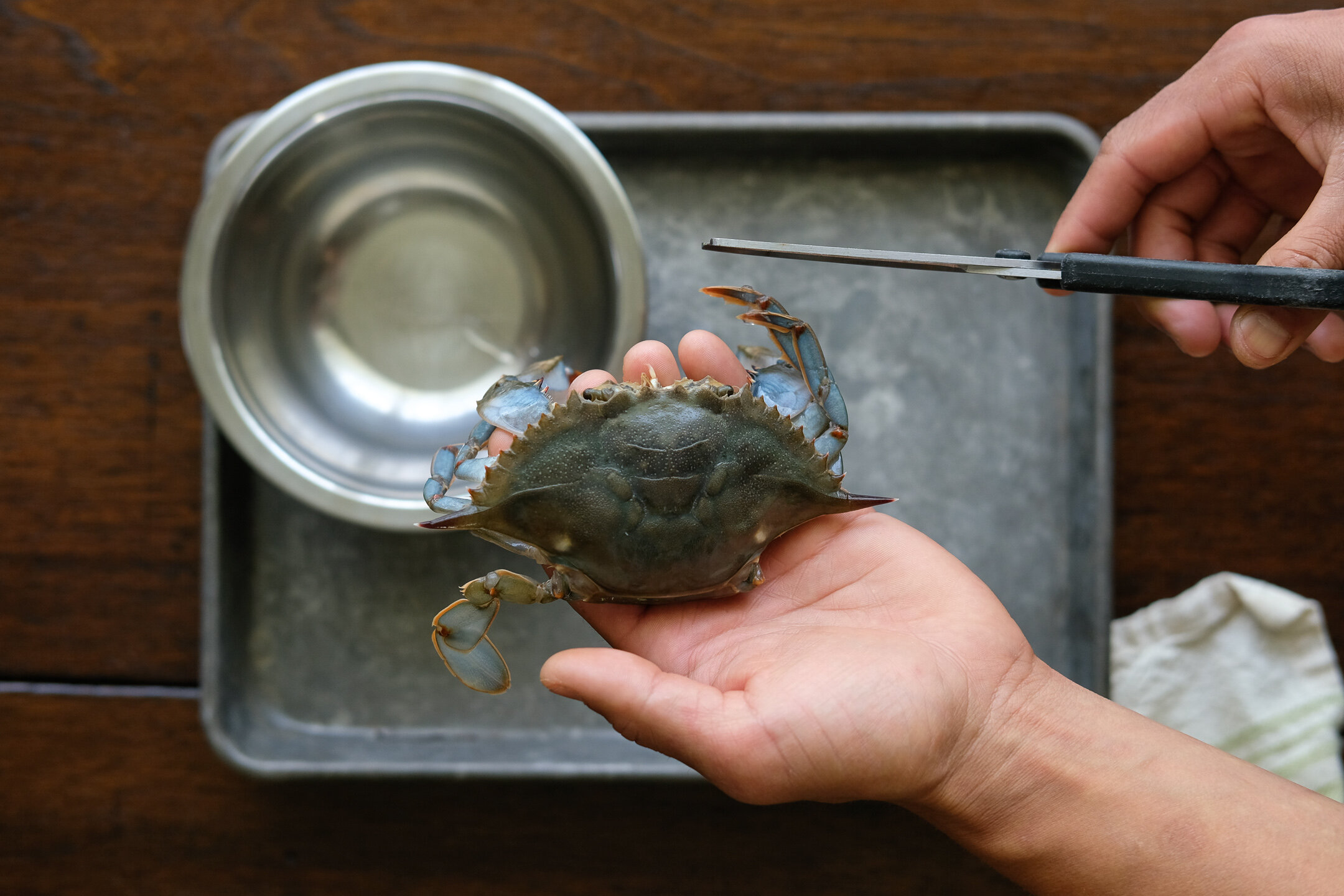
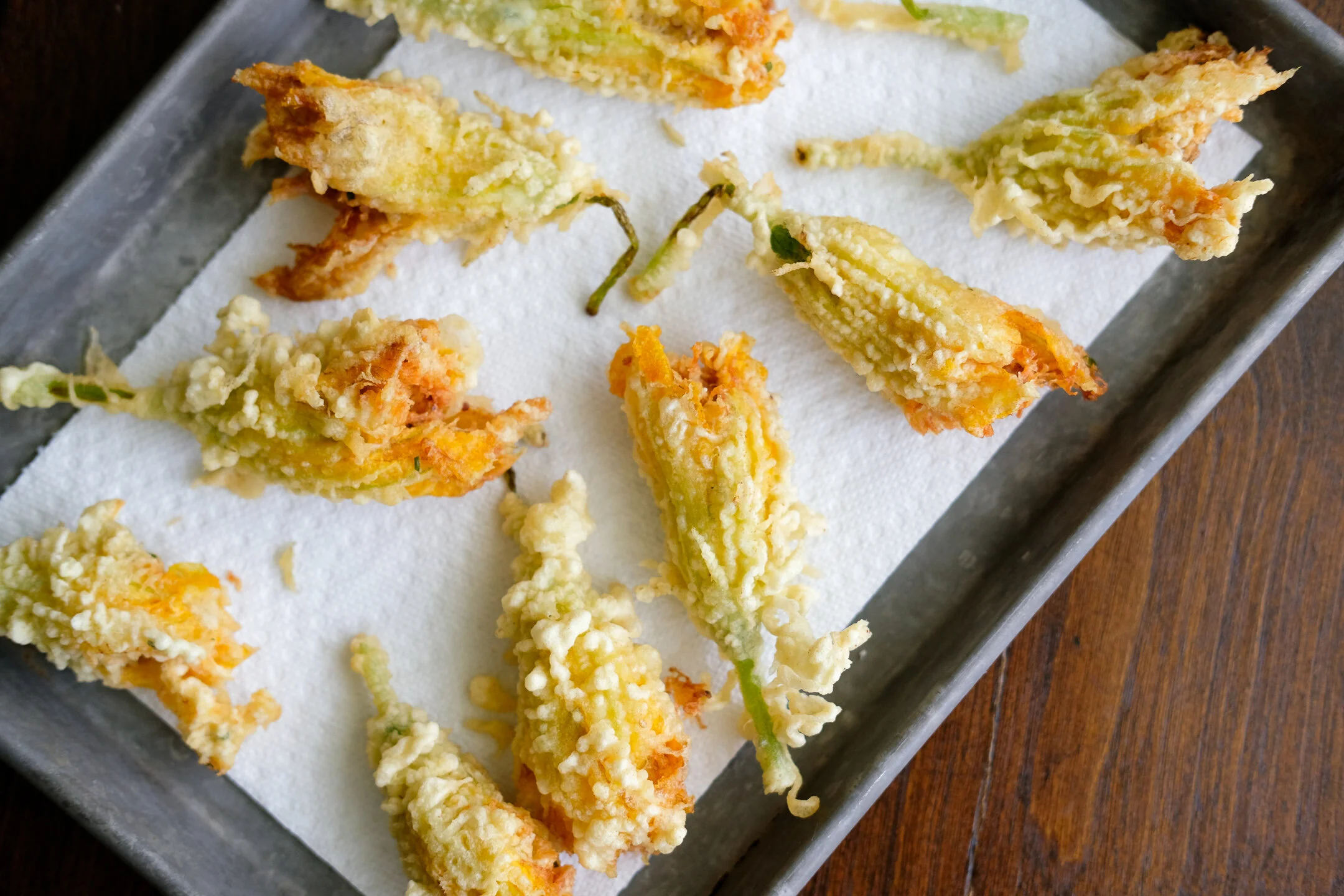
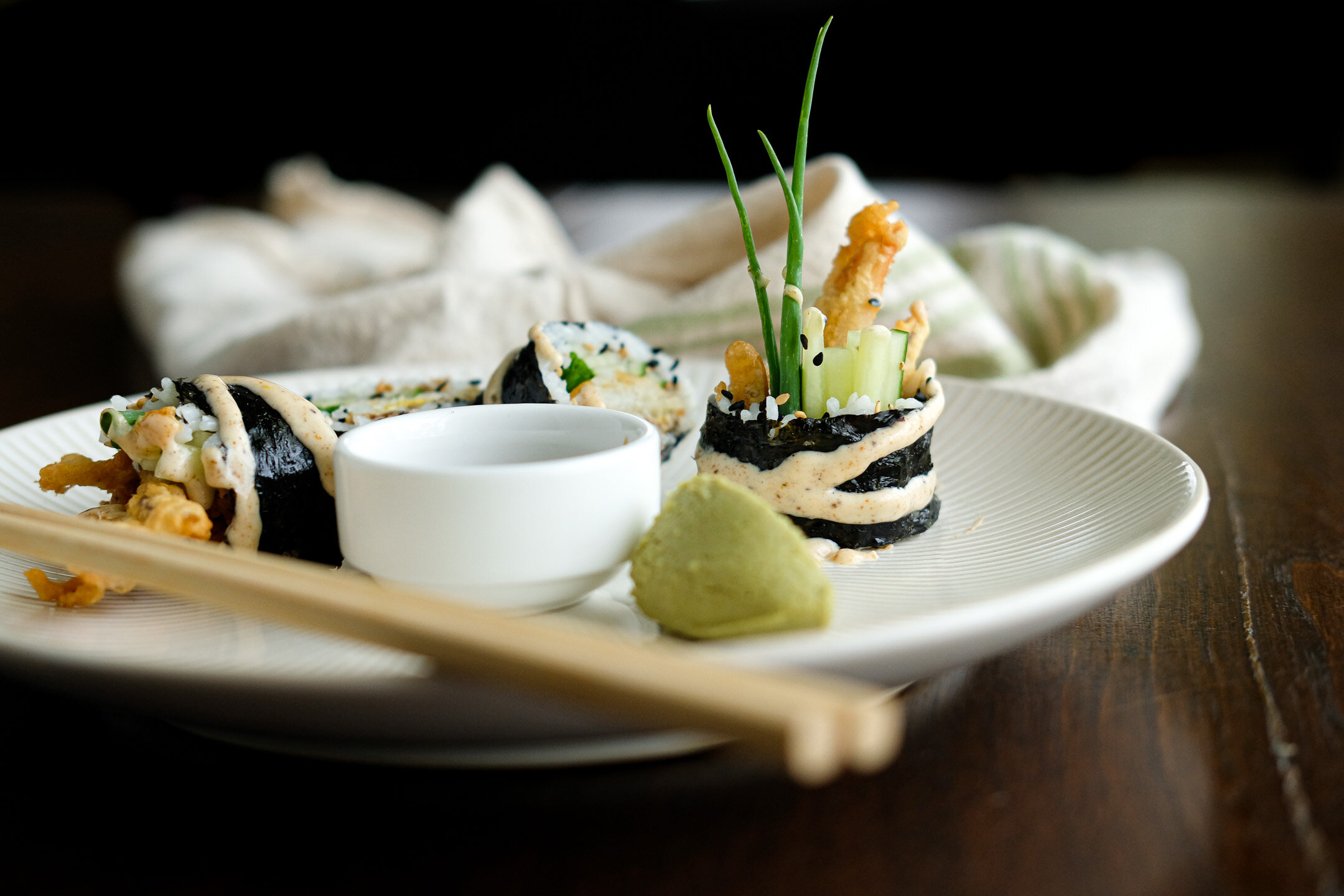
Tempura fried and rolled with cucumber, avocado, and old bay mayo, these soft shell crab rolls were light, with a filling crunch, and the most satisfying thing I’ve eaten this June.

Soft shell crabs might be nature’s most perfect food. Fried up, with a slice of ripe tomato and crispy bacon, it’s the essence of summertime on the Chesapeake.
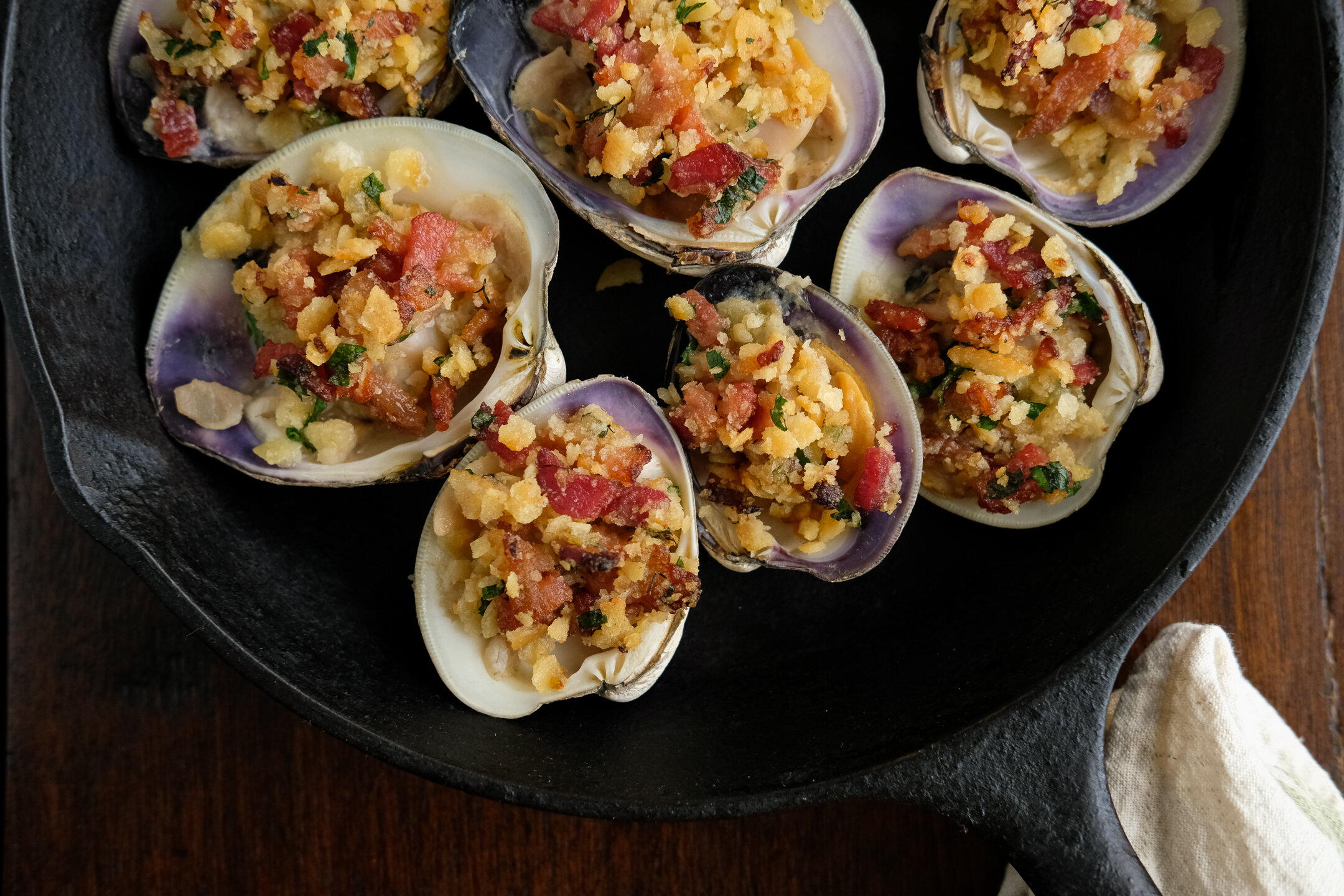

This recipe riffs on the classic clams oreganata, but with the twist of country-style Virginia ham.
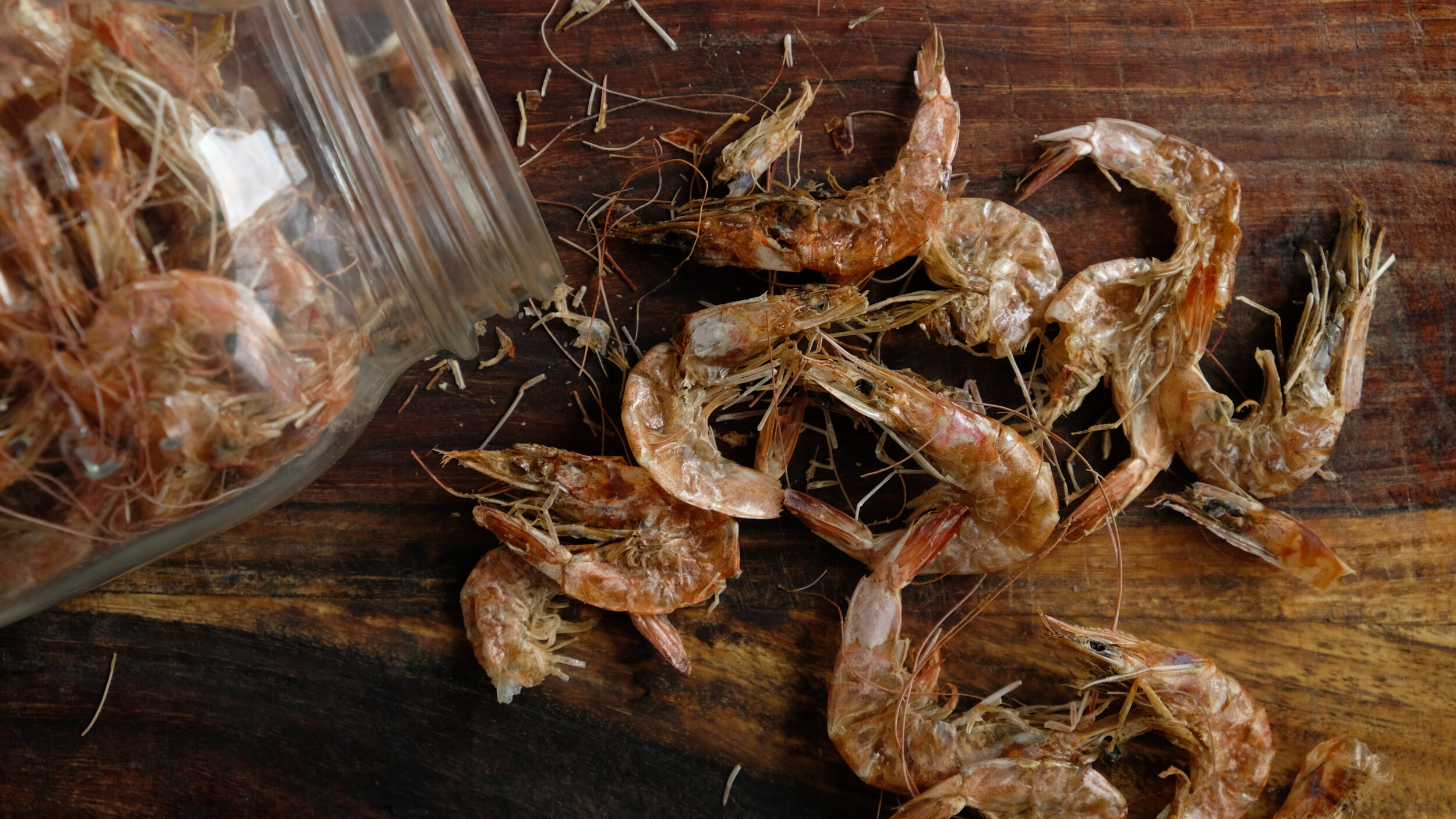
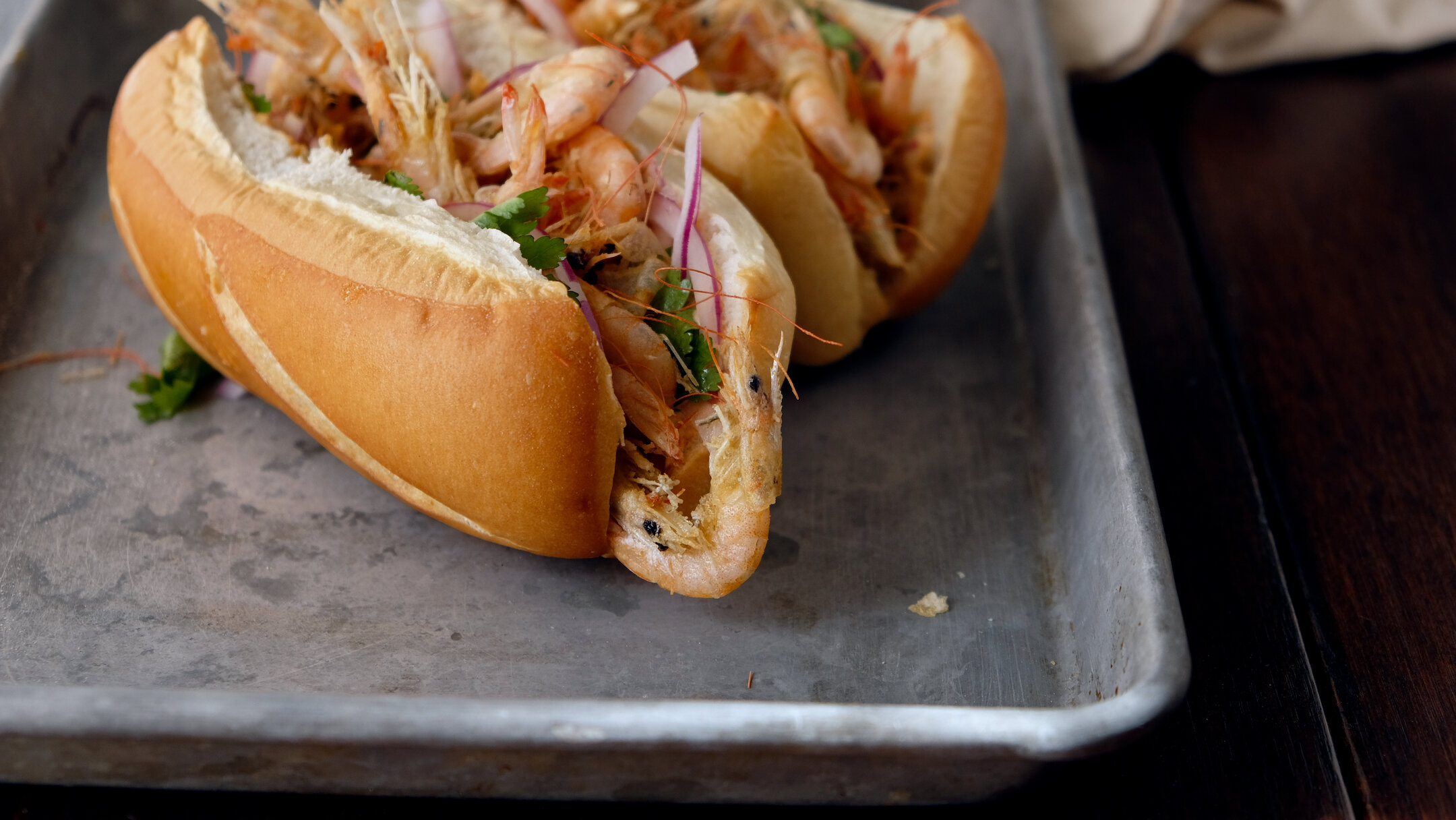
If you’ve never eaten shell-on shrimp, it's kind of like a softshell blue crab. And if you haven't had softshell crab, well, you're missing out.
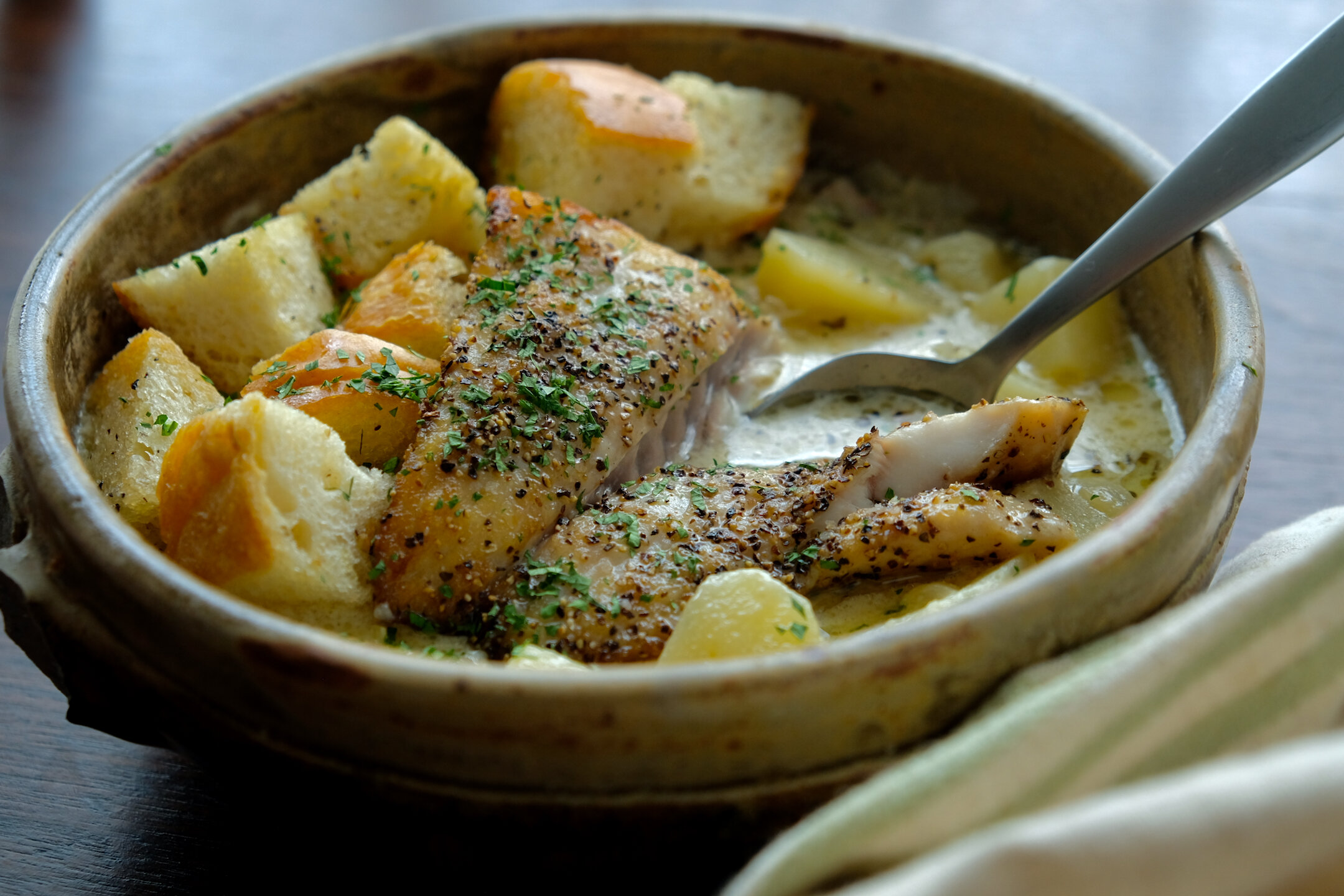
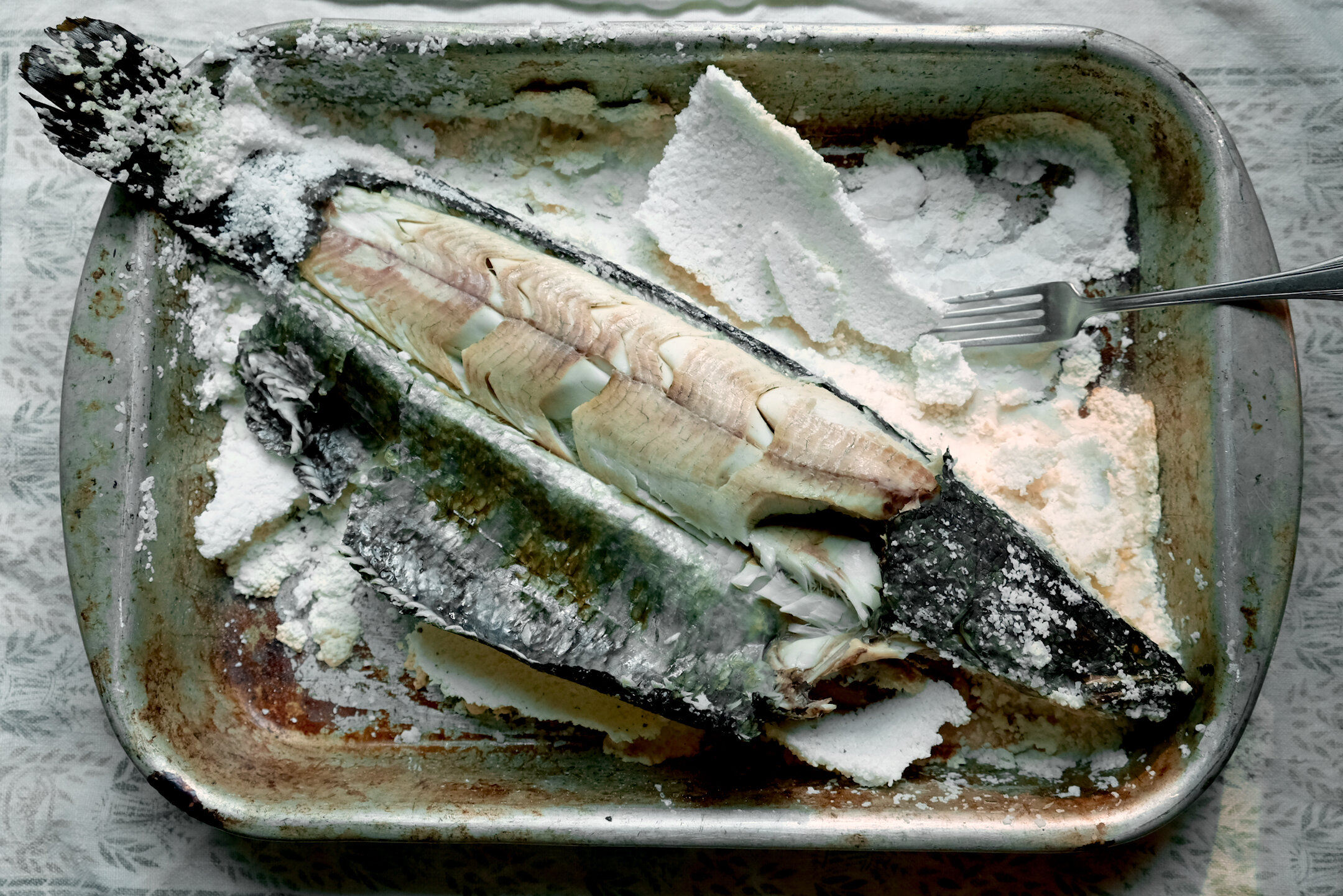
The fact that salt crusted fish comes out more evenly cooked and with better moisture retention is almost second to the drama of the presentation.
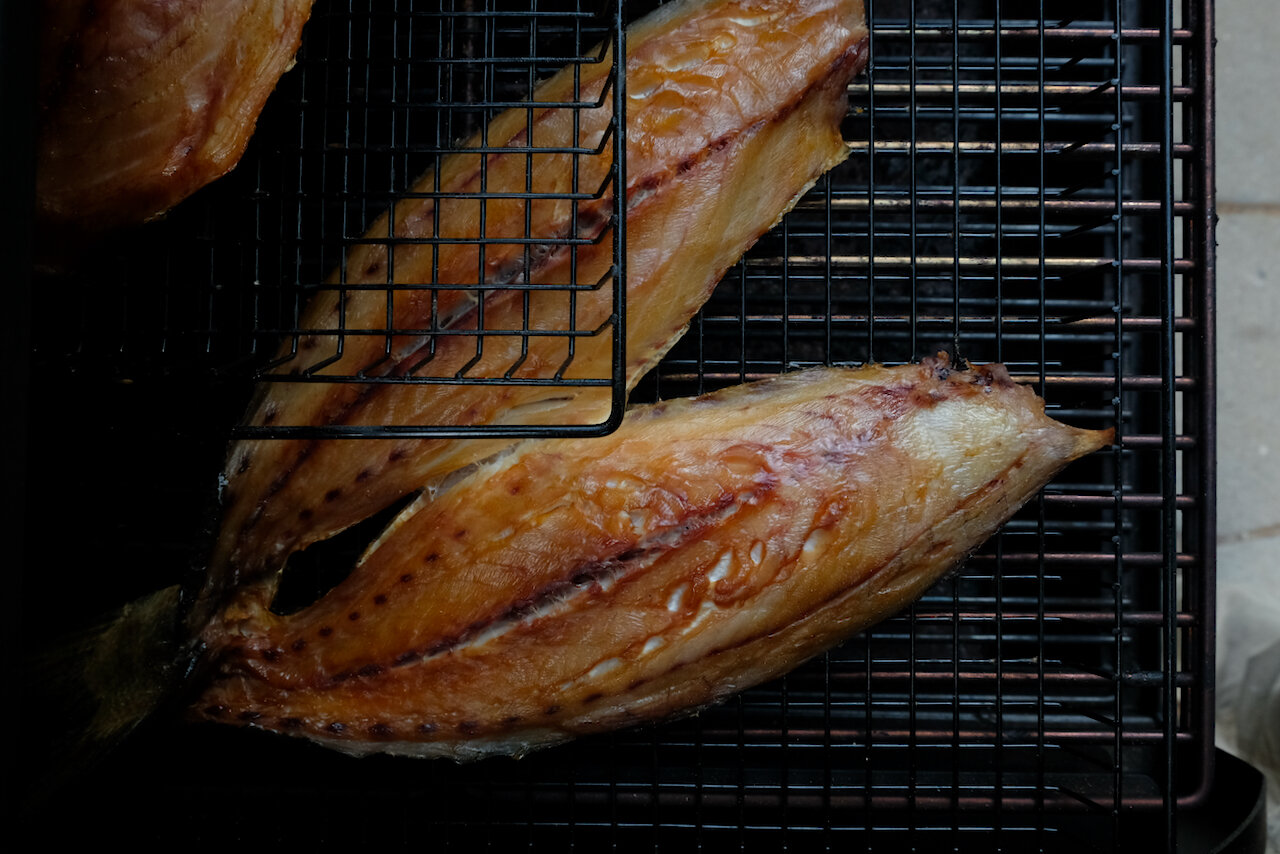
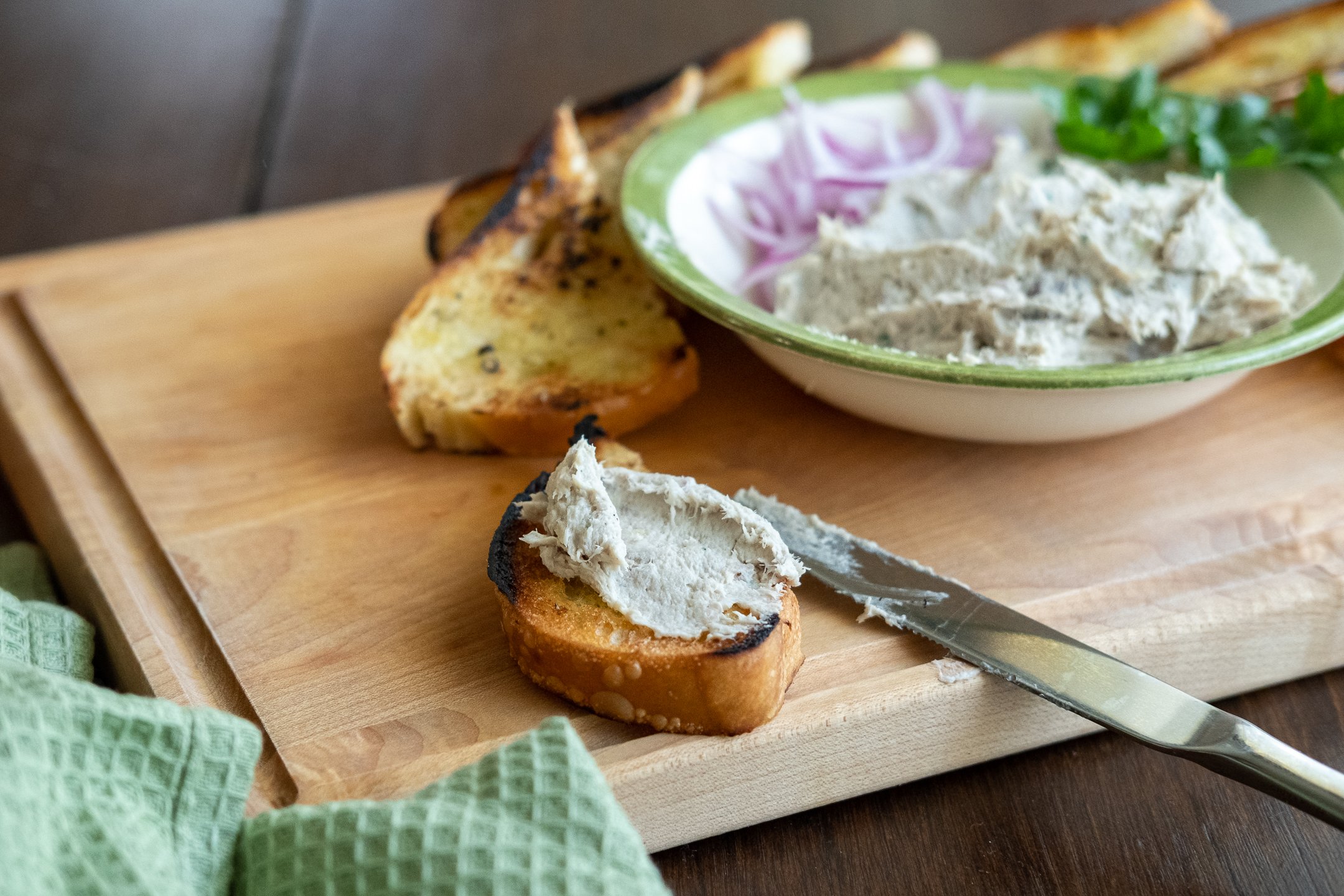
For all the bluefish you can’t eat fresh- a great addition to dips, flaked into hash and omelets, and anywhere else a salty and smoky touch of flavor is needed.
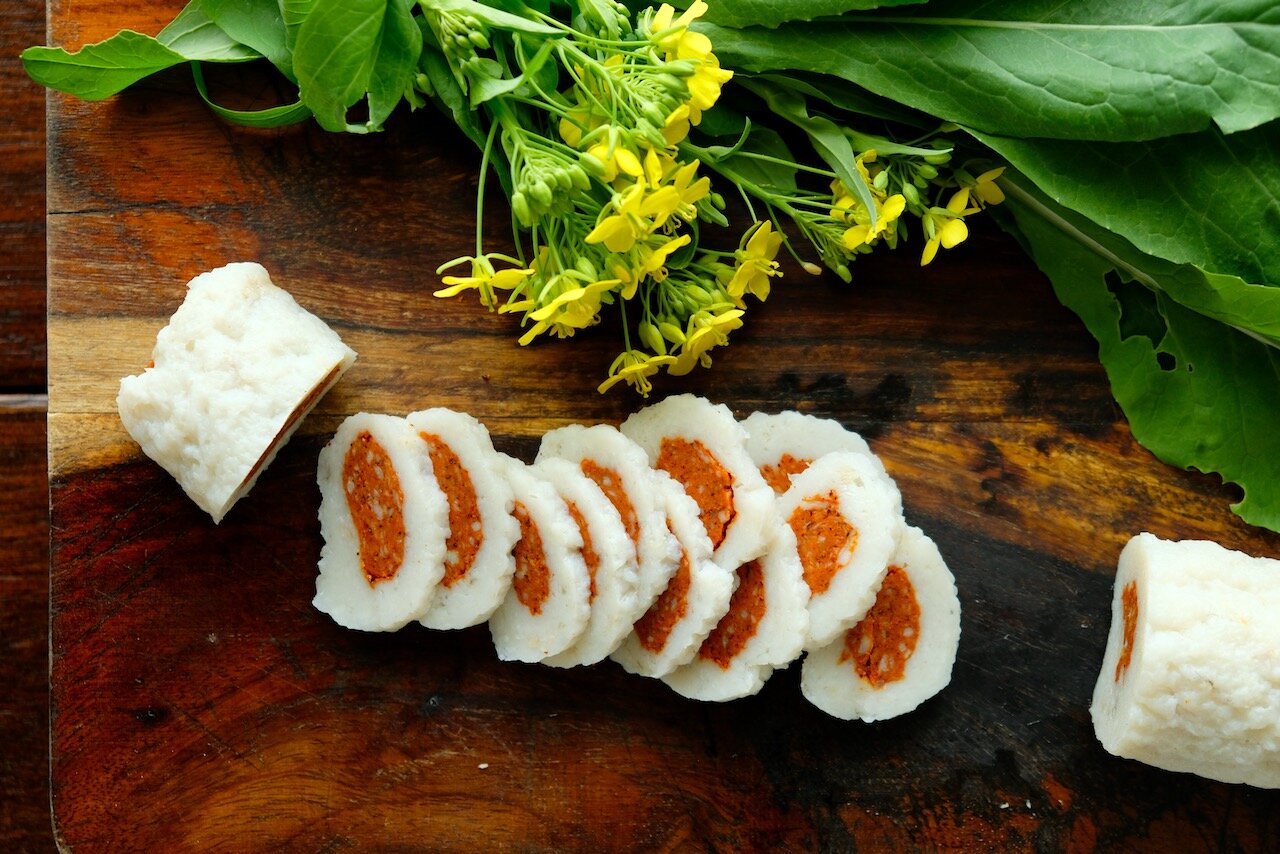
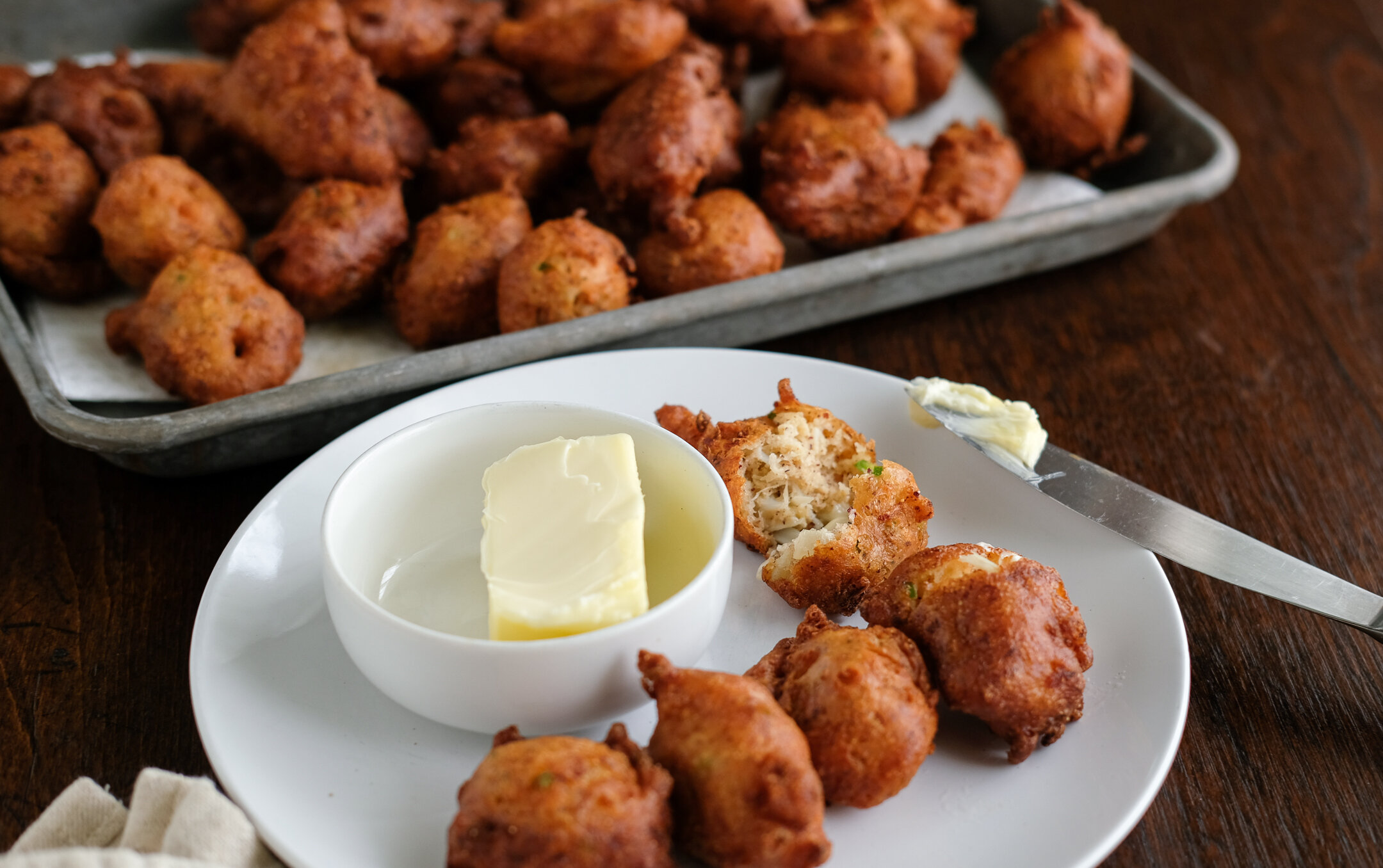
Kamaboko- you might not have heard of it, but I guarantee you’ve tried it. These are as good, if not better, than the kamaboko you can buy in asian grocery stores.
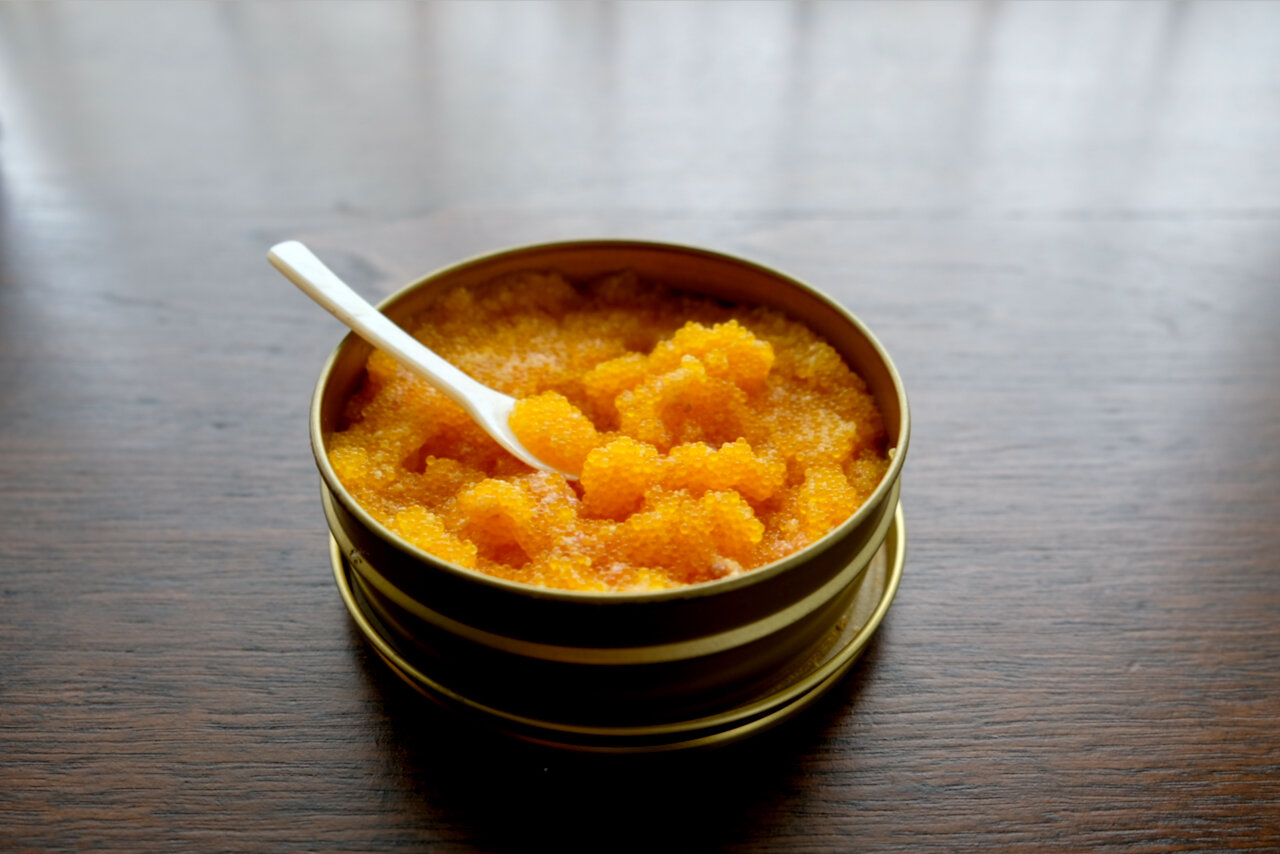
The fine texture, color and richness of snakehead roe is exceptional. Flavor-wise, it is mildly briny and not fishy at all, with an eggy richness that you only find in good fish roe.
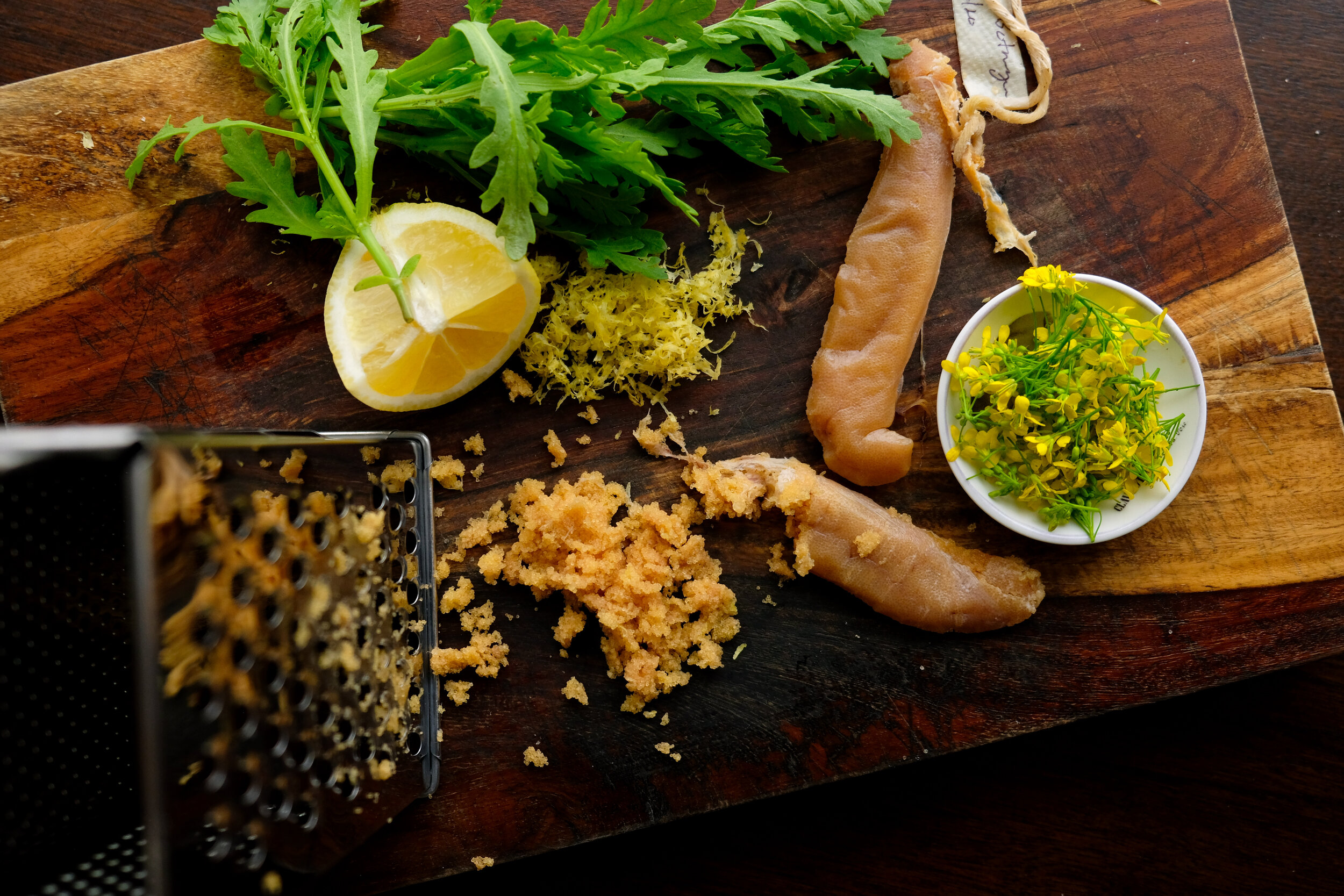
Bottarga, essentially, is a salt cured roe sac. The result is something similar to parmesan cheese, but with an eggy-briny flavor.
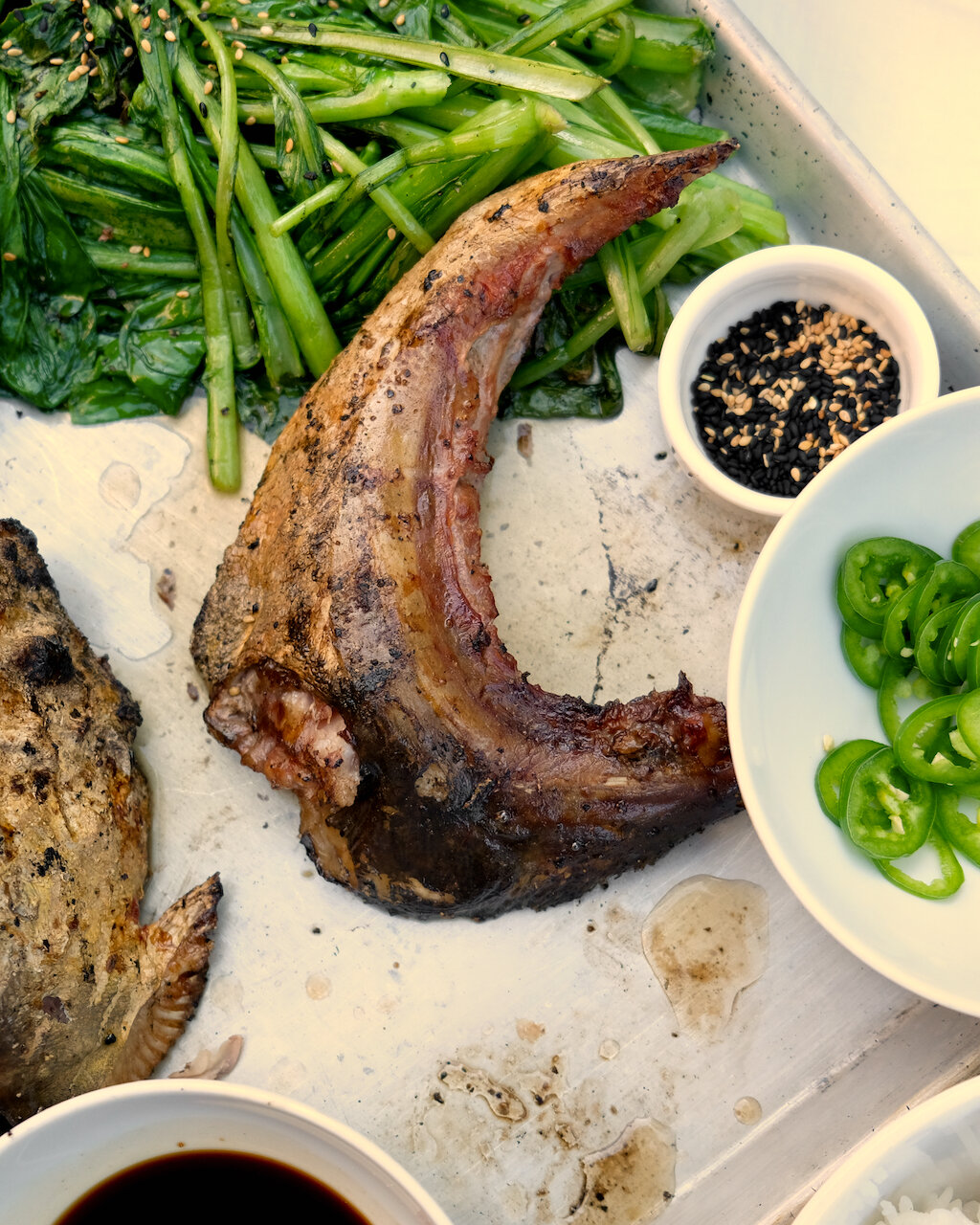
Handling and preparing the tastiest ‘trash fish’ in the bay