
Snakehead Coconut Curry


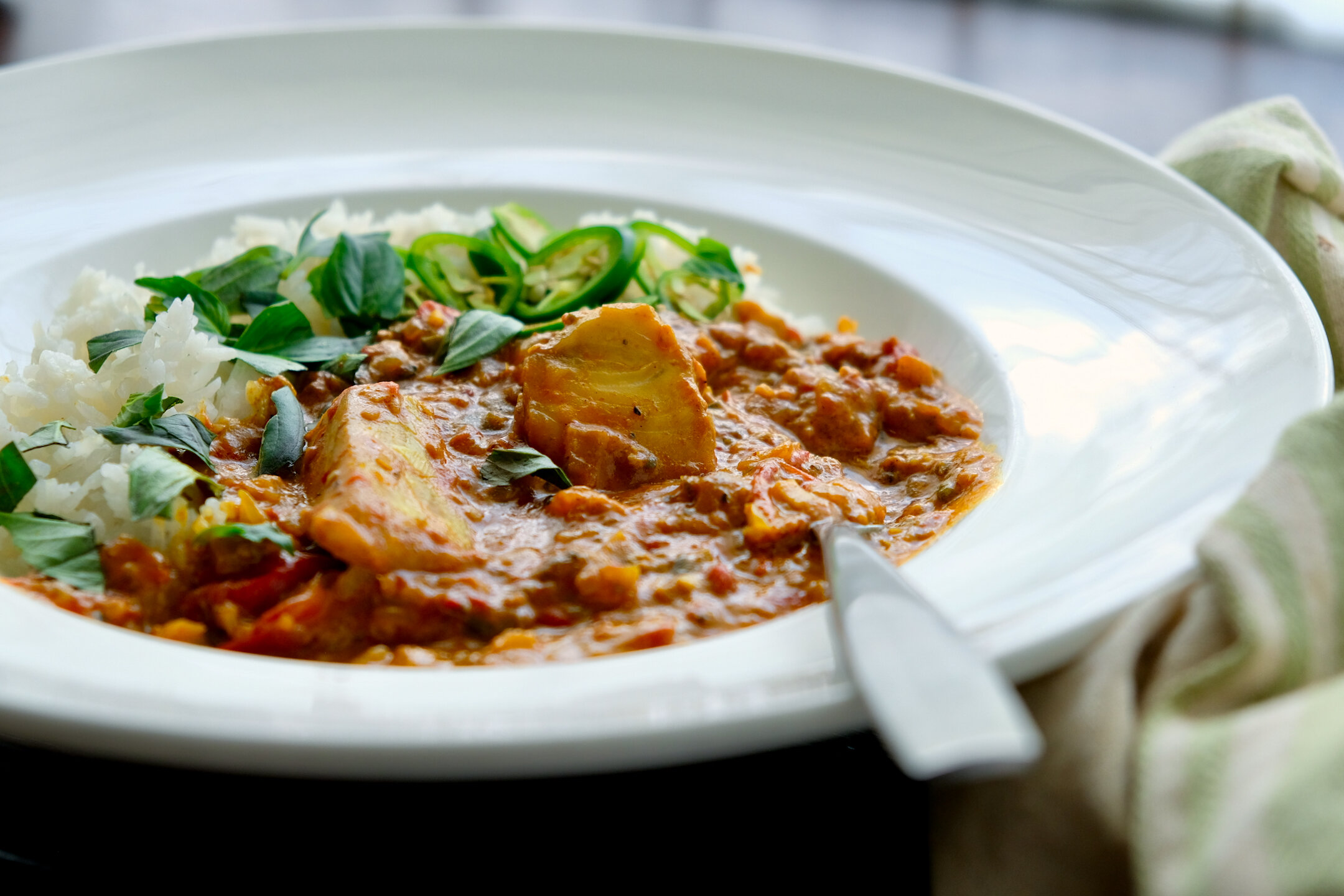
Hearty, spicy, and warming, this is the quick and easy meal for a weeknight. I’m usually kind of wary about breaking out the food processor for a meal- it just seems like such a hassle- but trust me when I say that it is worth it to have a rich and luscious curry sauce without much chopping or cook time. The fish, if you’re pulling it from the freezer, thaws quickly, and by the time you have your rice made, dinner is almost ready.
We use snakehead in this recipe, but any mild, firm to semi-firm fish is suitable. Cod, halibut, mahi mahi, wahoo, monkfish, or king mackerel would be equally at home here. You’ll want to avoid using a delicate fish like flounder, as it will tend to fall apart in this style of preparation. Oyster mushrooms are our most common find while we’re out and about but you can substitute store-bought criminis in a pinch. The shrimp paste is optional but adds a nice depth to the overall preparation. You can substitute fish sauce if you have that on hand instead.
Snakehead Coconut Curry
Prep time: 30 minutes
Serves: 2-4
Ingredients:
Curry Sauce:
1 14 oz can coconut milk
½ bundle cilantro, chopped
2” fresh ginger, peeled & minced
½ medium yellow onion, roughly chopped
4 cloves garlic
2 tbsp fish sauce
1 tbsp chili flake
2 tsp cumin, ground
2 tsp coriander, ground
3 tsp brown sugar
1 tsp turmeric, ground
1 tsp shrimp paste
1 fresh hot pepper, seeded and cored, roughly chopped
1 red bell pepper, seeded and cored, roughly chopped
1 cup water
The Rest:
1-1.5 lb snakehead fillet, skin off (whole or cut into 3-4 oz size pieces)
1 lb fresh oyster mushrooms, woody parts removed, torn or cut into fork size pieces
2 bay leaves
Salt, to taste

Method:
Combine all ingredients for the curry sauce and blend until almost smooth. Set aside.
Season fish fillets with salt and pepper. Heat a high sided saute pan to medium high heat, add neutral oil & sear fillet until light brown crust forms, approximately 2 minutes per side. Turn heat down to medium-low and add in the curry sauce and bay leaf. Bring to a simmer and cook until fish is almost done, around 5-10 minutes depending on thickness. If the fillet is not fully submerged in sauce, flip it over half way through the cook time. Add in mushrooms and cook for additional 2-5 minutes.
Serve over rice and garnish with any combination of chili peppers, scallions, cilantro, thai basil, or culantro.


Crispy wok-fried Chesapeake Bay soft shells coated in a sticky, spicy, gingery sauce are a perfect storm of hyper-regional ingredients and imported techniques. This is what food is all about: blending cultures, time and places.


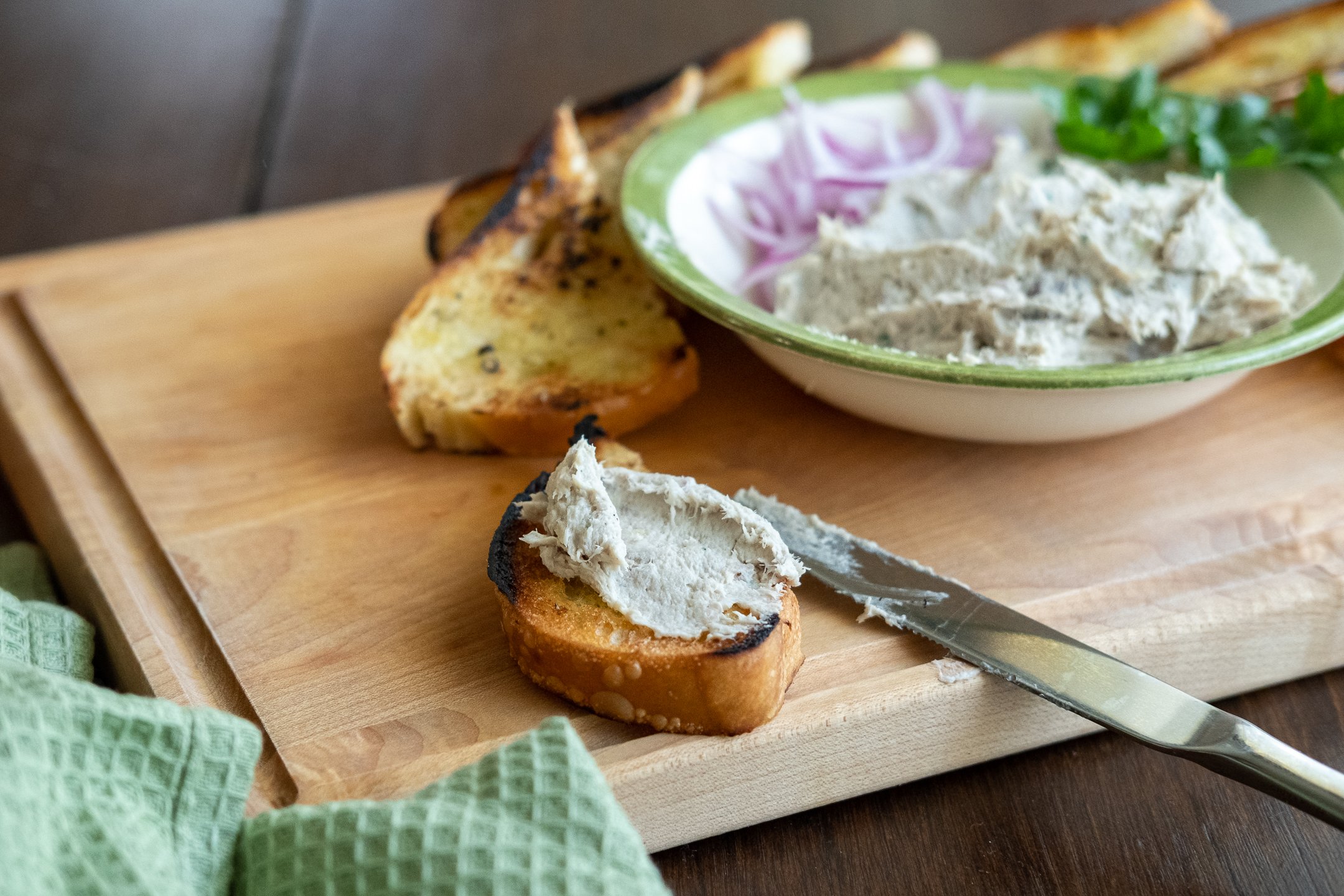
If you’re from the camp that thinks the only good thing to do with bluefish or mackerel is smoking it and making dip, this might change your mind.
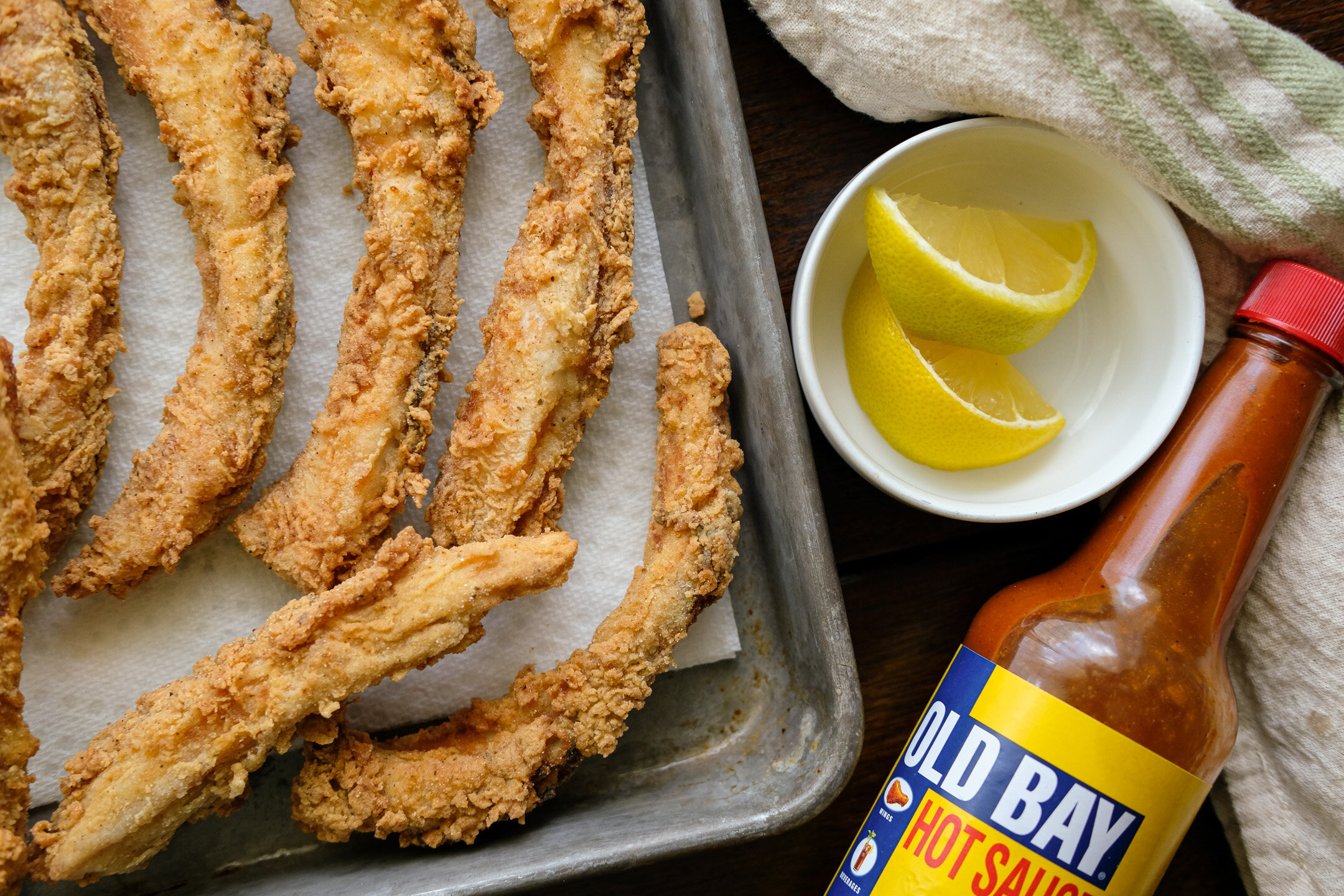
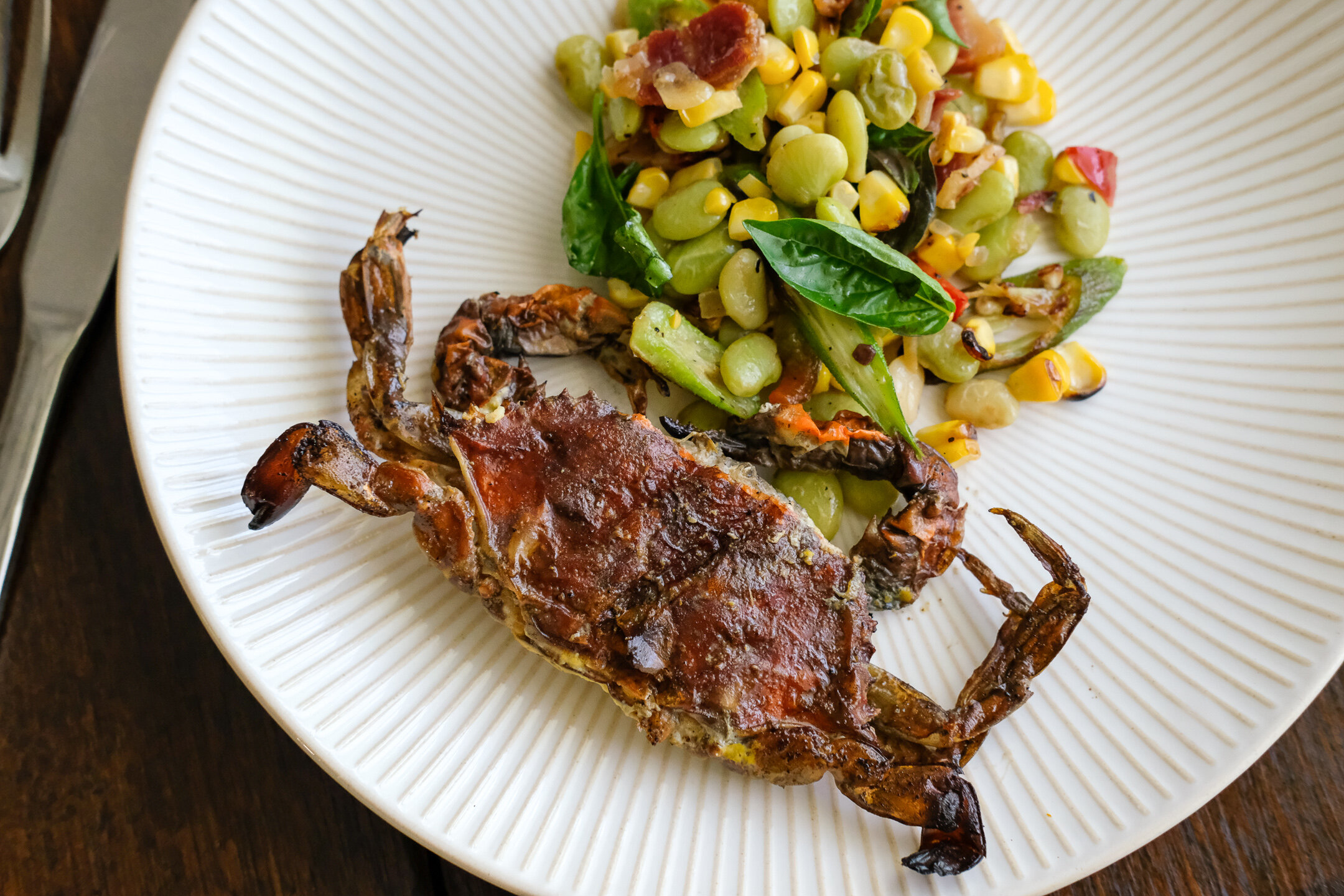
The method for grilling softshell crabs is simple: high heat to get the shells crispy, seasoning & some fat. You can use any fat you want, but the butter added a bit of welcome richness, I highly recommend it. As for seasoning, salt and pepper if you want to keep it minimalist. Old Bay if you know what's up.
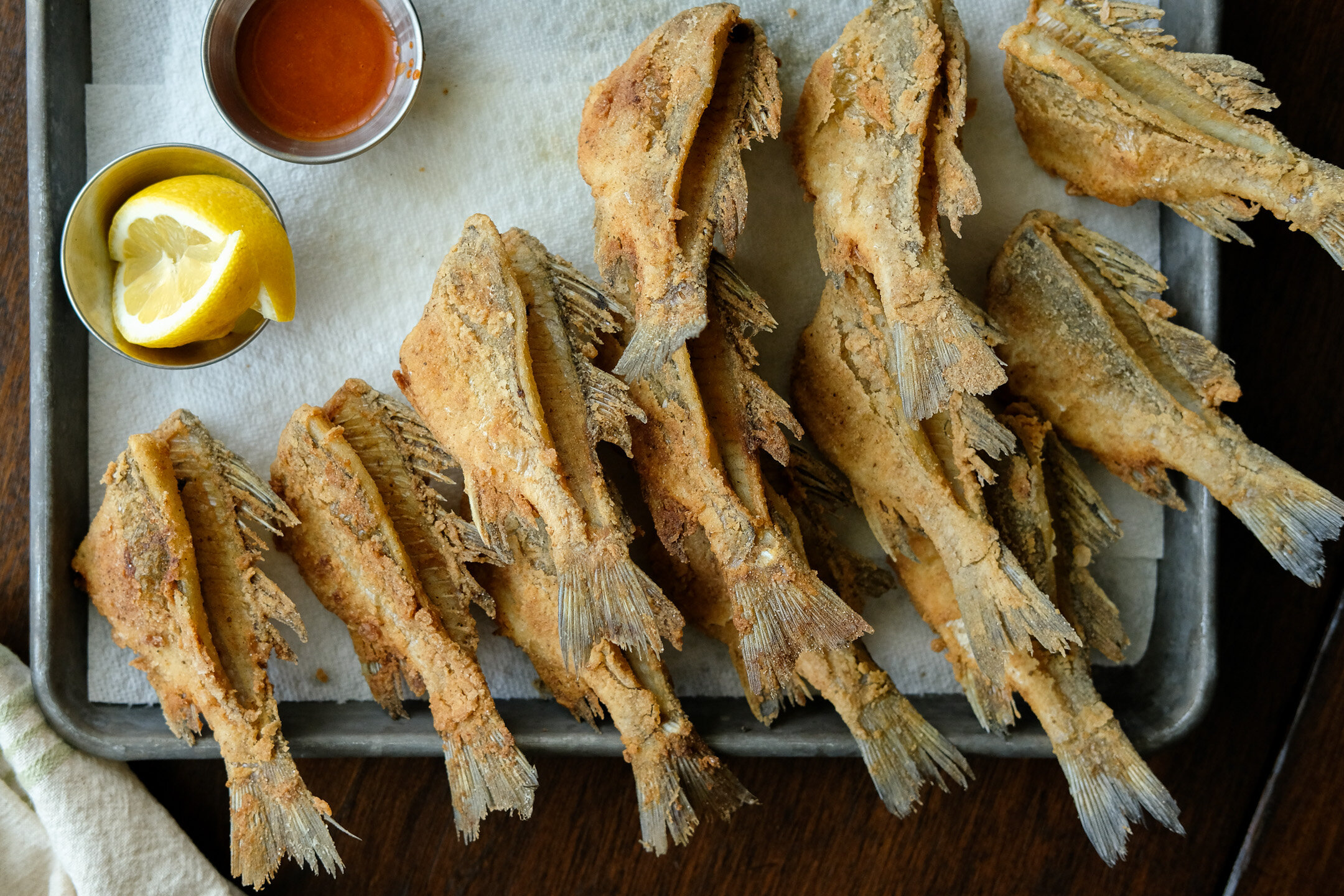
White perch are a lot of fun to fish for and some of the best table fare there is. They're abundant and aggressive, and once you find them, you can pile them up.
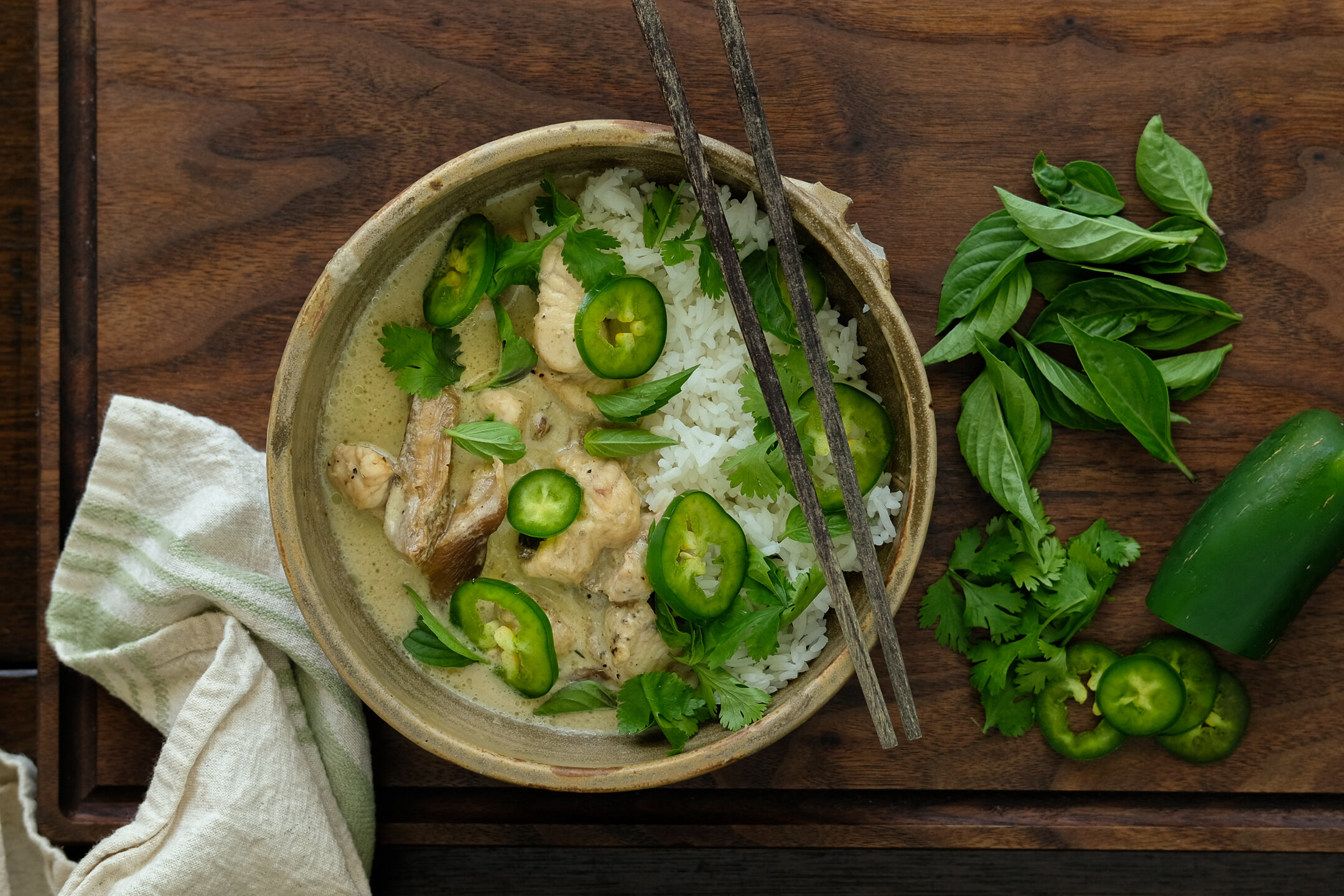
This green curry recipe has become a recurring dish after long and hot days on the water. It’s spicy, creamy without being too heavy, and refreshing yet comforting.

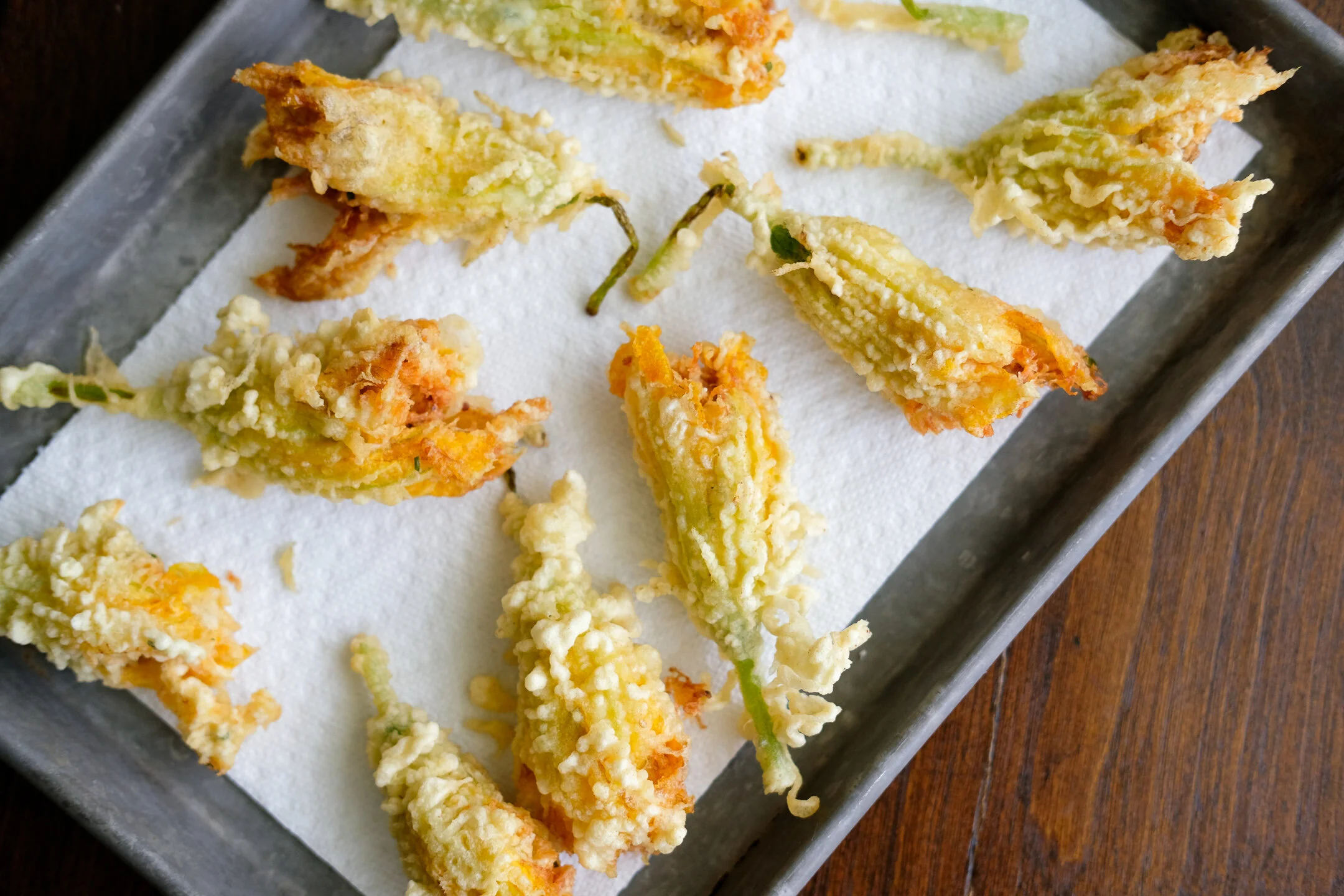
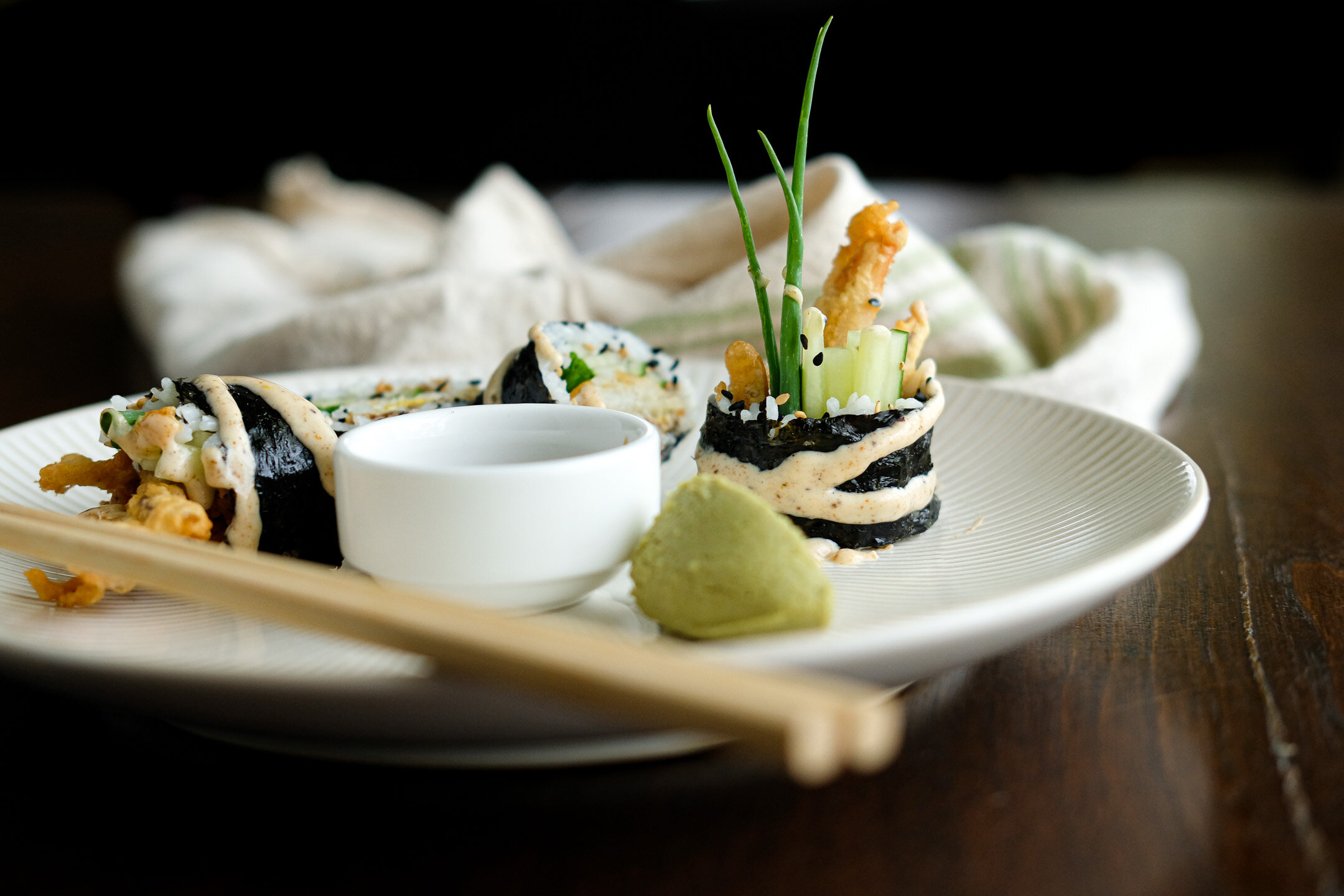
Tempura fried and rolled with cucumber, avocado, and old bay mayo, these soft shell crab rolls were light, with a filling crunch, and the most satisfying thing I’ve eaten this June.

Soft shell crabs might be nature’s most perfect food. Fried up, with a slice of ripe tomato and crispy bacon, it’s the essence of summertime on the Chesapeake.
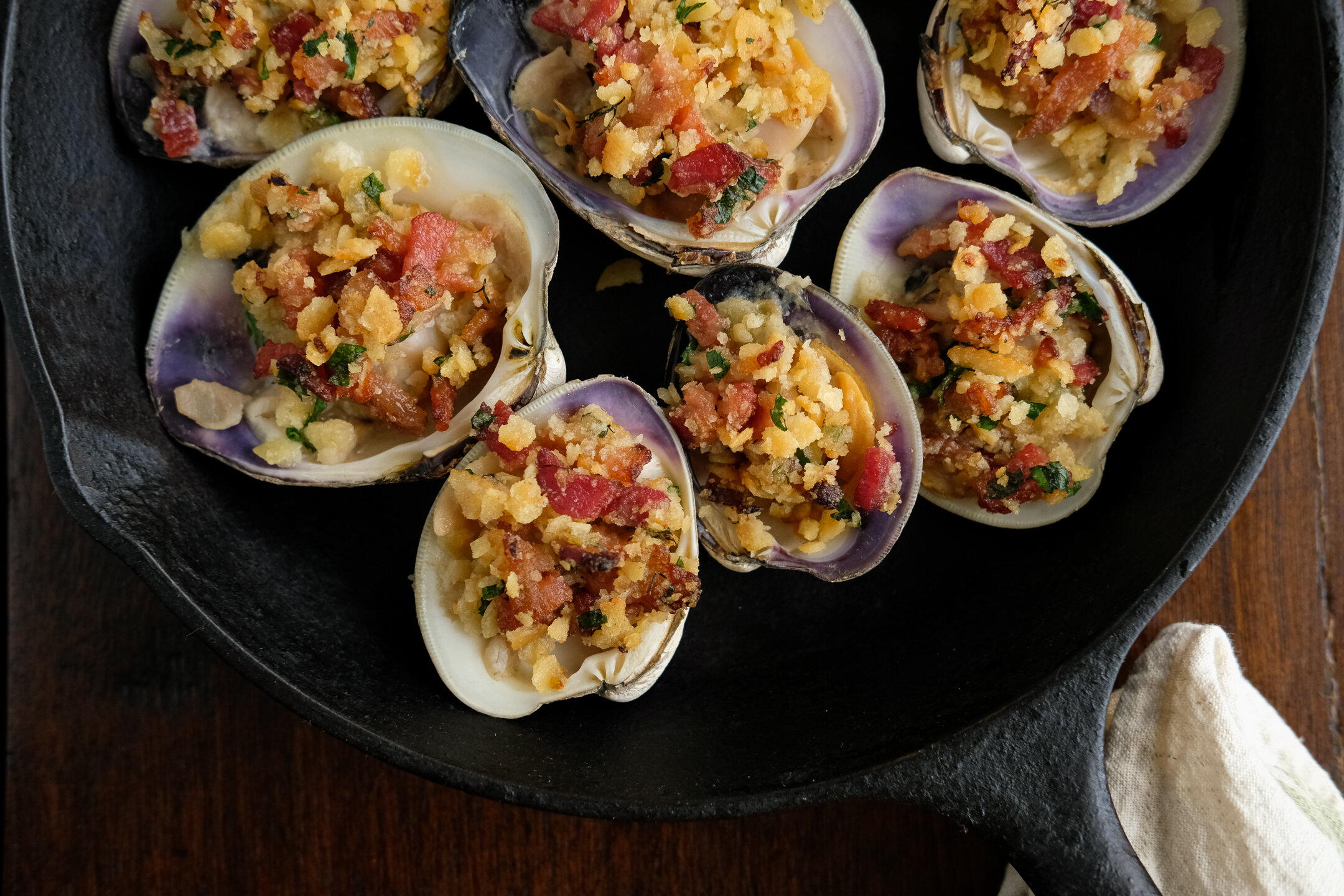

This recipe riffs on the classic clams oreganata, but with the twist of country-style Virginia ham.
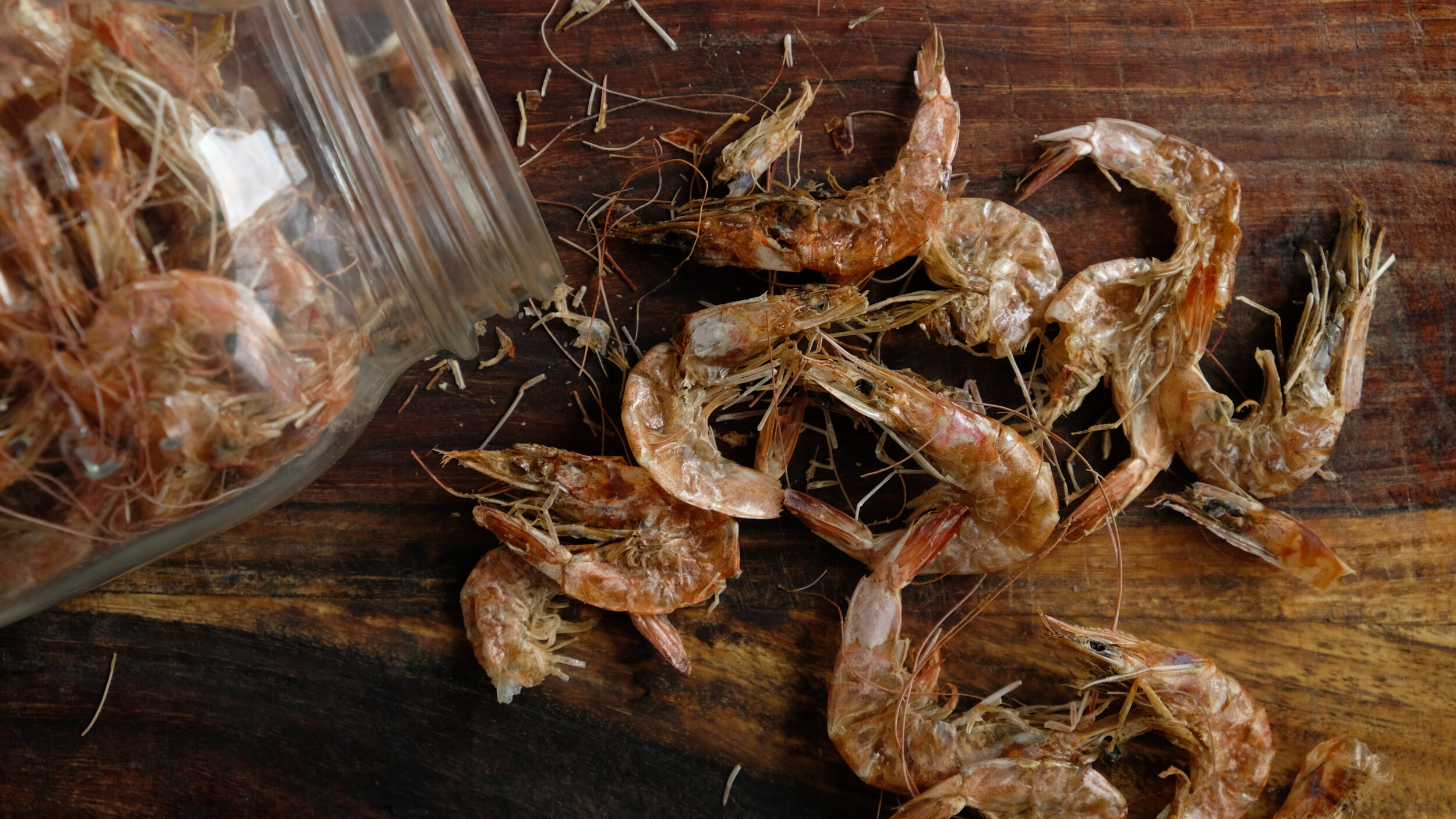
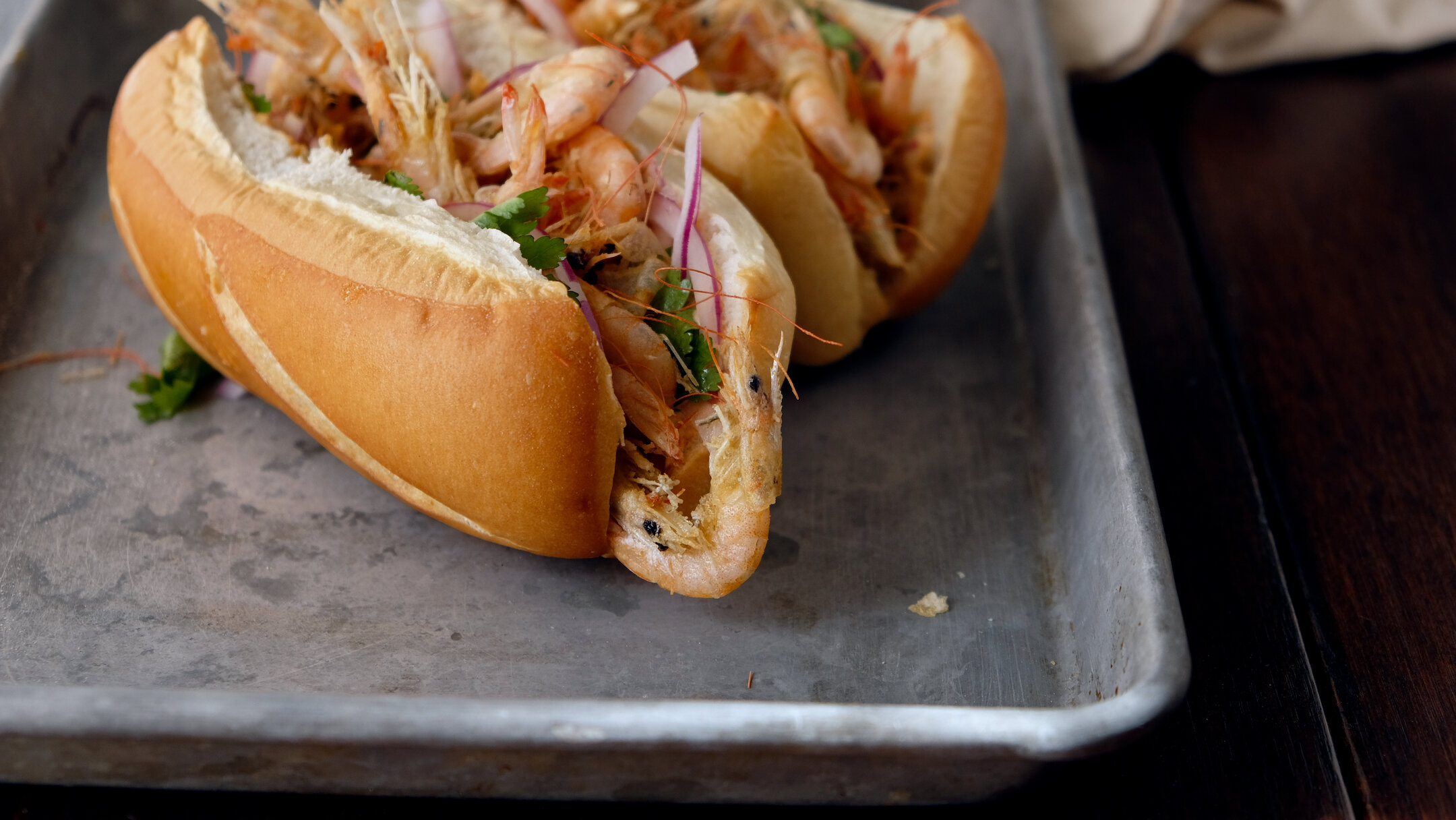
If you’ve never eaten shell-on shrimp, it's kind of like a softshell blue crab. And if you haven't had softshell crab, well, you're missing out.
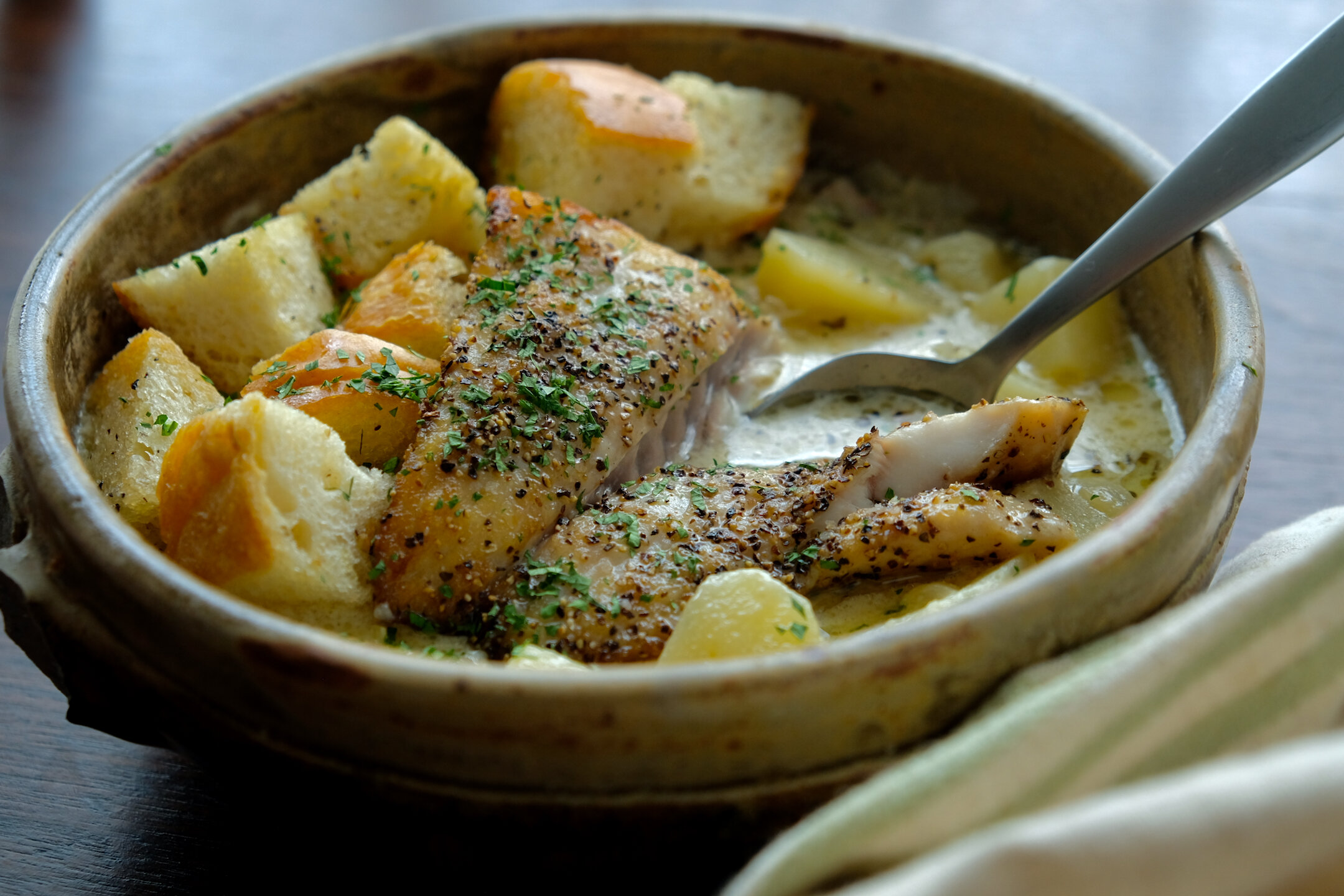
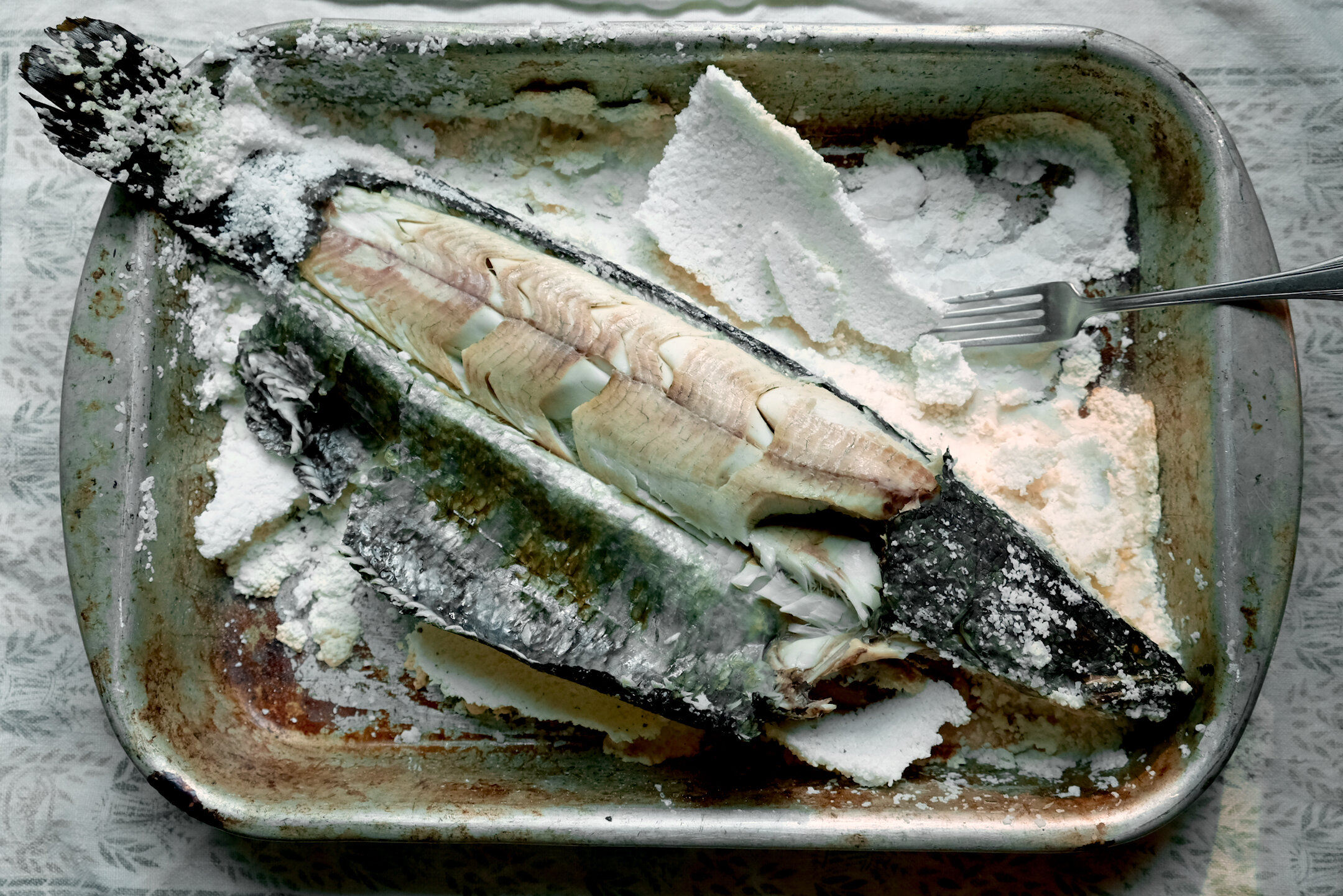
The fact that salt crusted fish comes out more evenly cooked and with better moisture retention is almost second to the drama of the presentation.
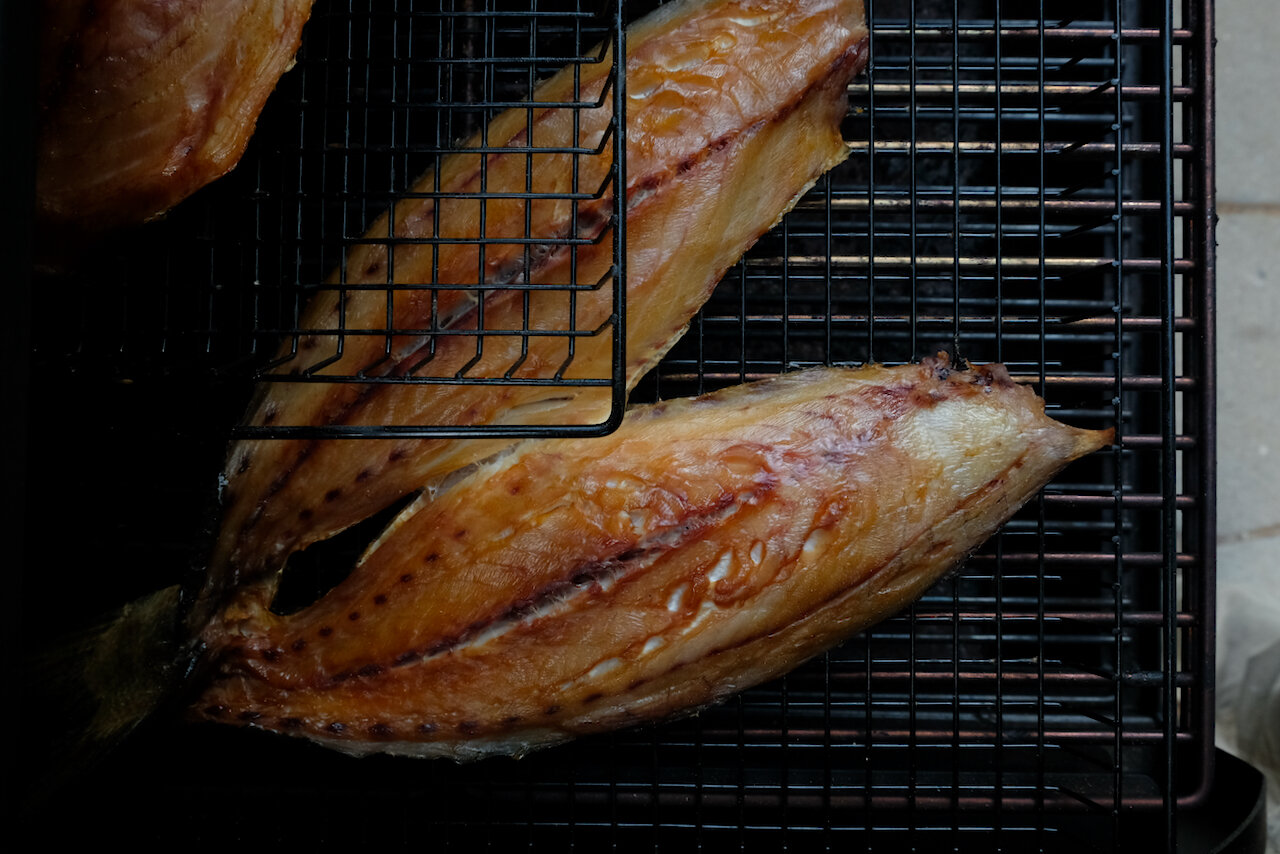
For all the bluefish you can’t eat fresh- a great addition to dips, flaked into hash and omelets, and anywhere else a salty and smoky touch of flavor is needed.
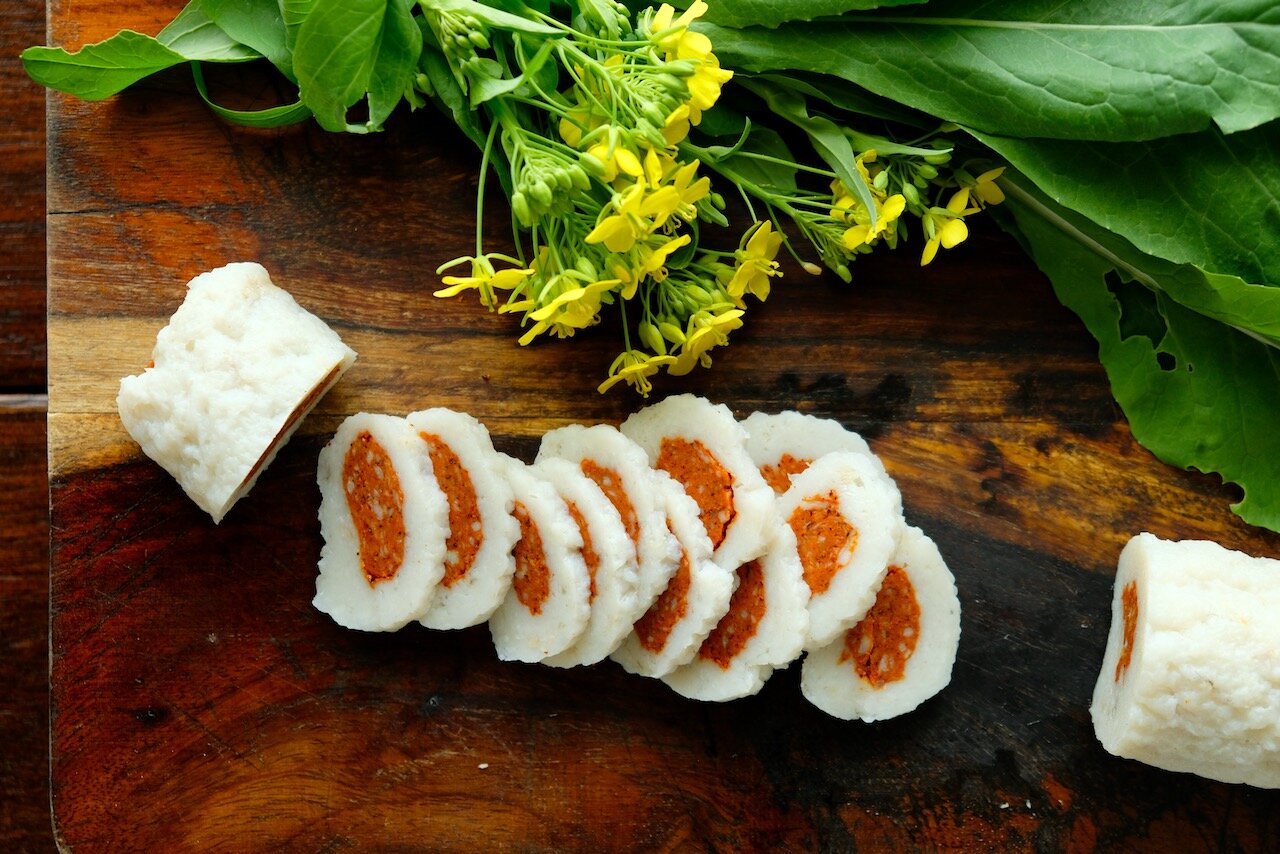
Kamaboko- you might not have heard of it, but I guarantee you’ve tried it. These are as good, if not better, than the kamaboko you can buy in asian grocery stores.
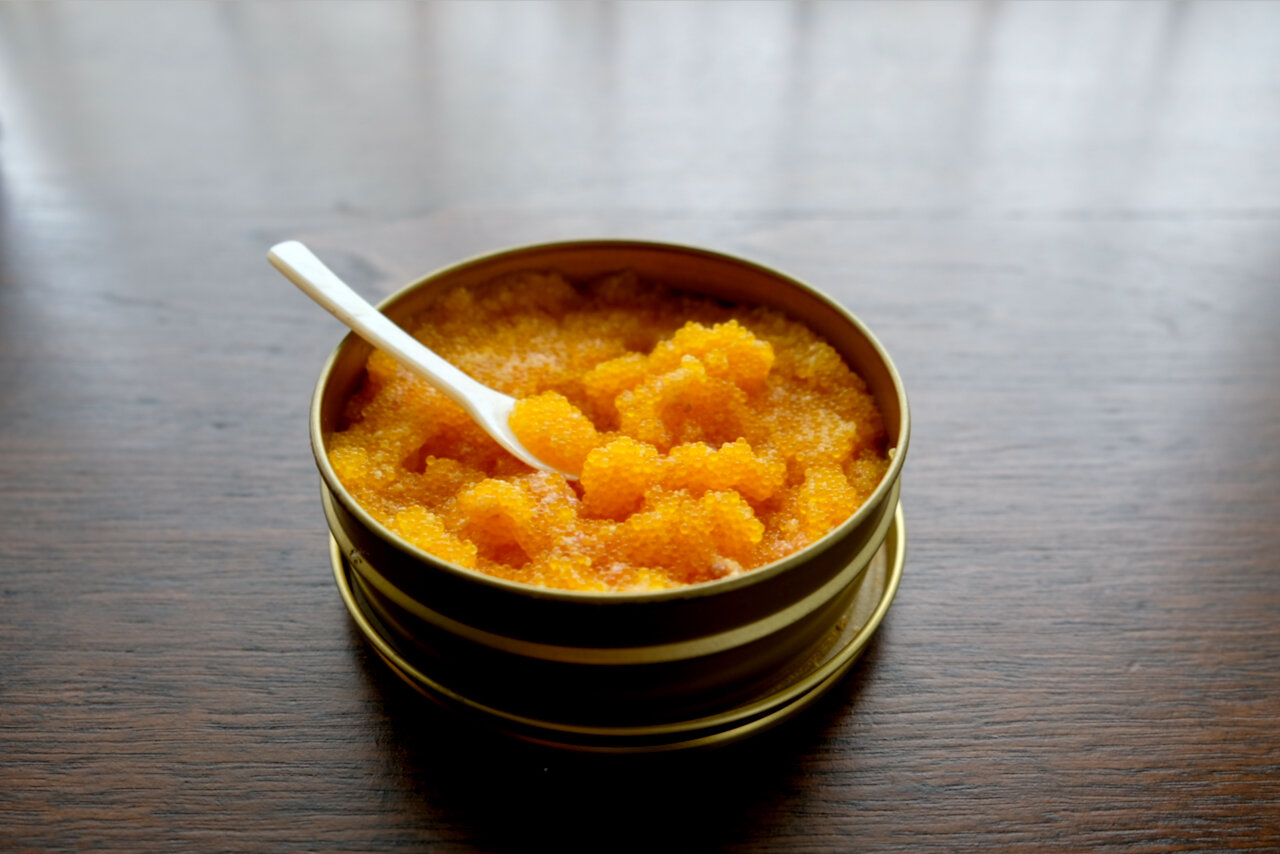
The fine texture, color and richness of snakehead roe is exceptional. Flavor-wise, it is mildly briny and not fishy at all, with an eggy richness that you only find in good fish roe.
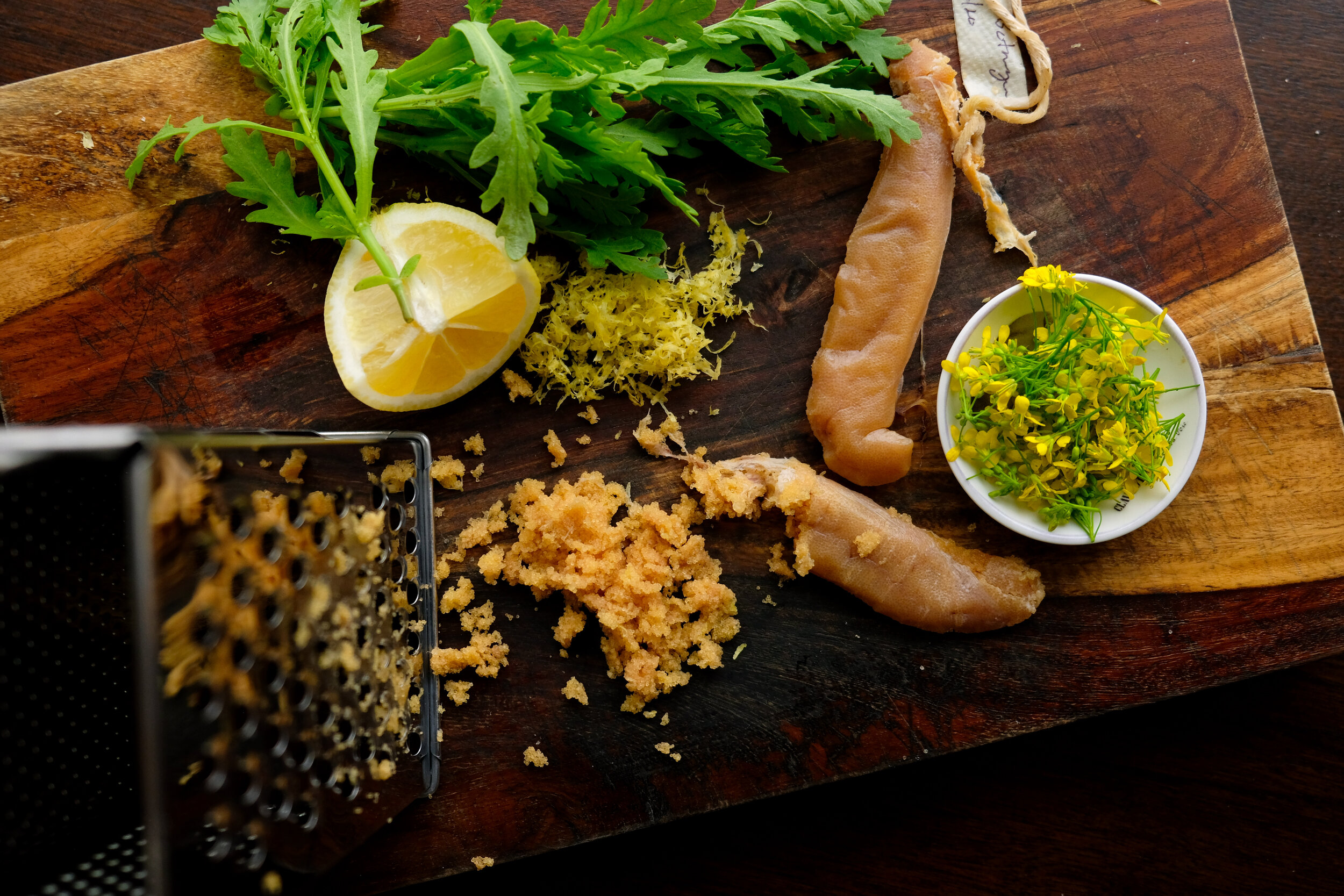
Bottarga, essentially, is a salt cured roe sac. The result is something similar to parmesan cheese, but with an eggy-briny flavor.
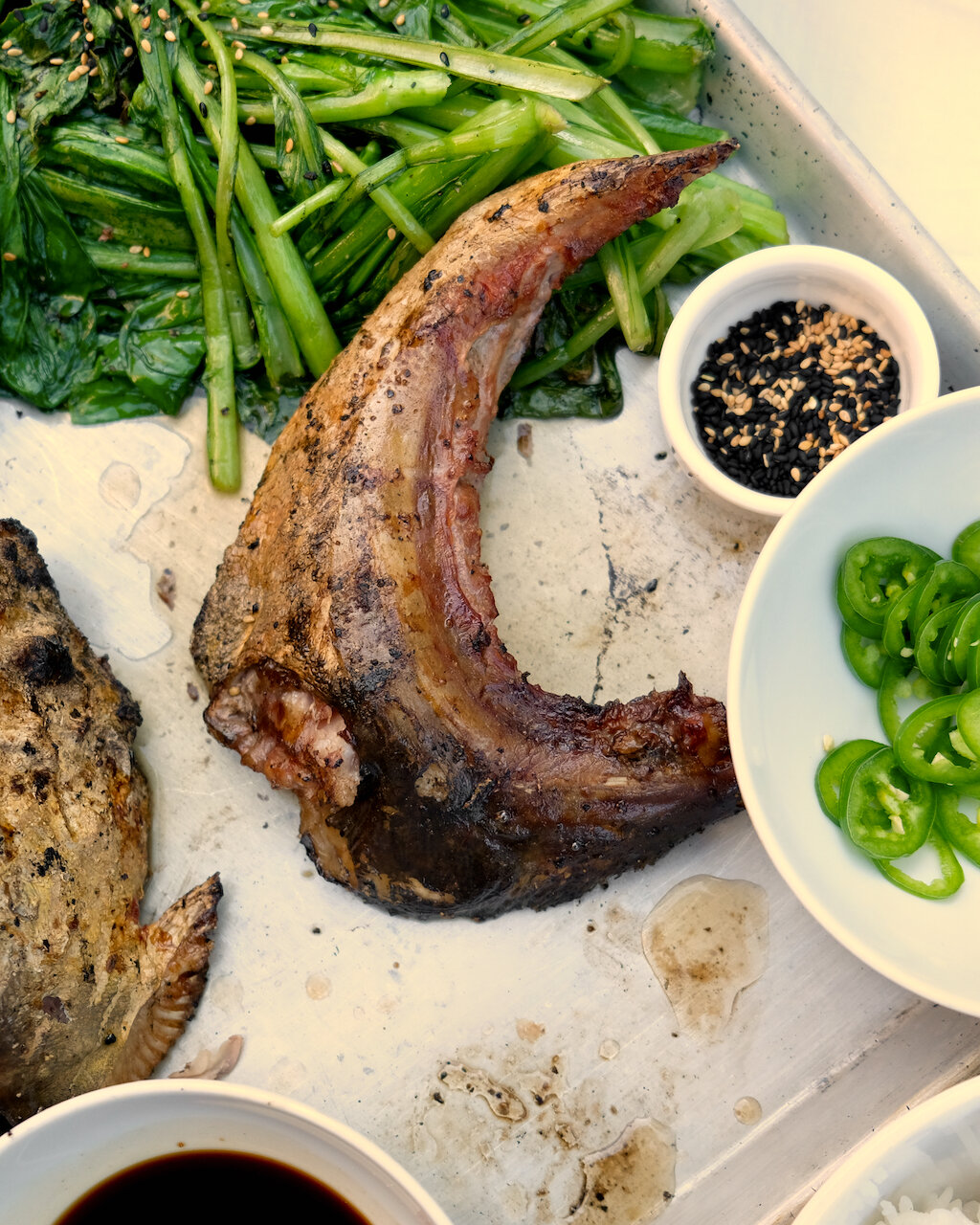
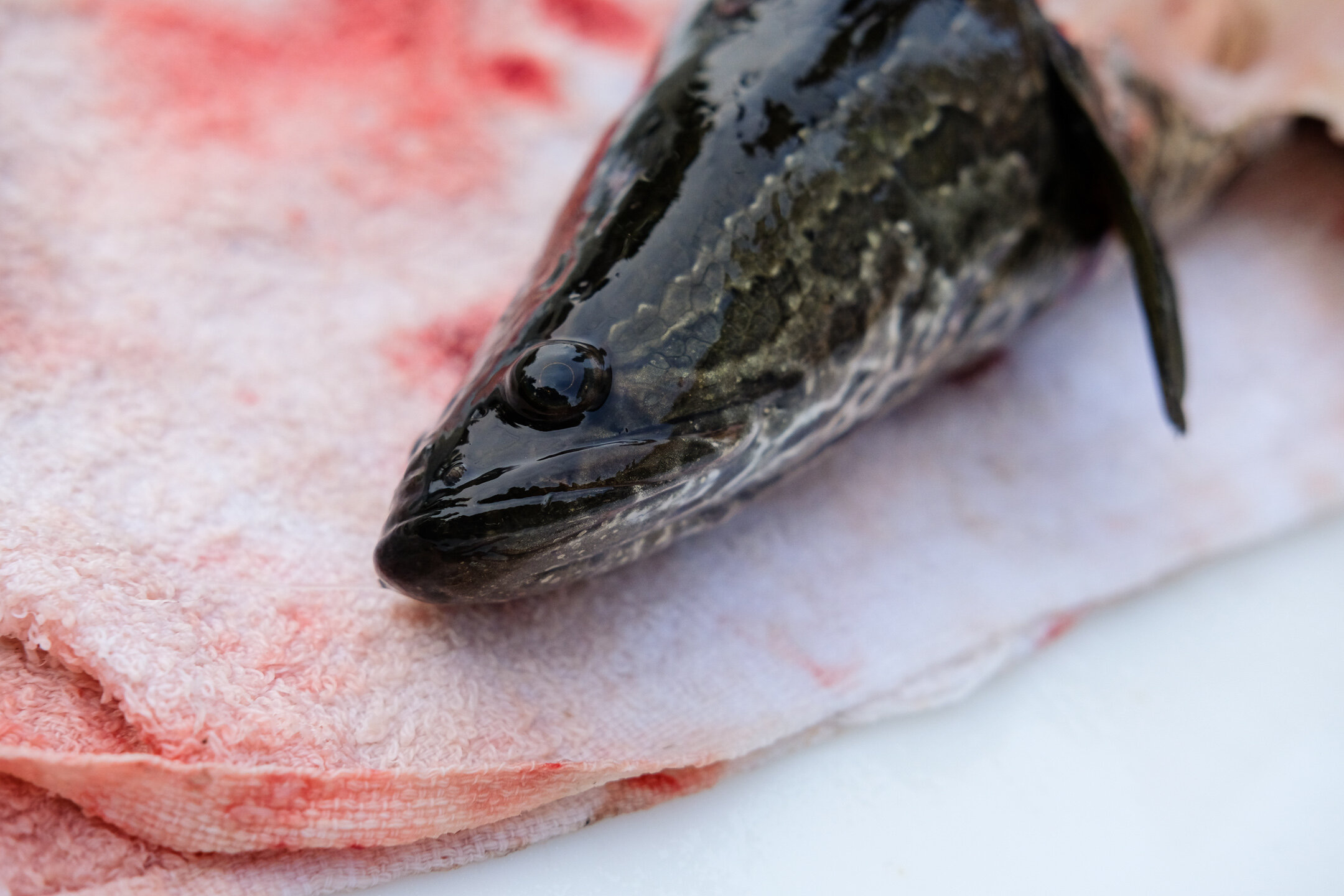
Handling and preparing the tastiest ‘trash fish’ in the bay