
Fried Flounder with Tapenade
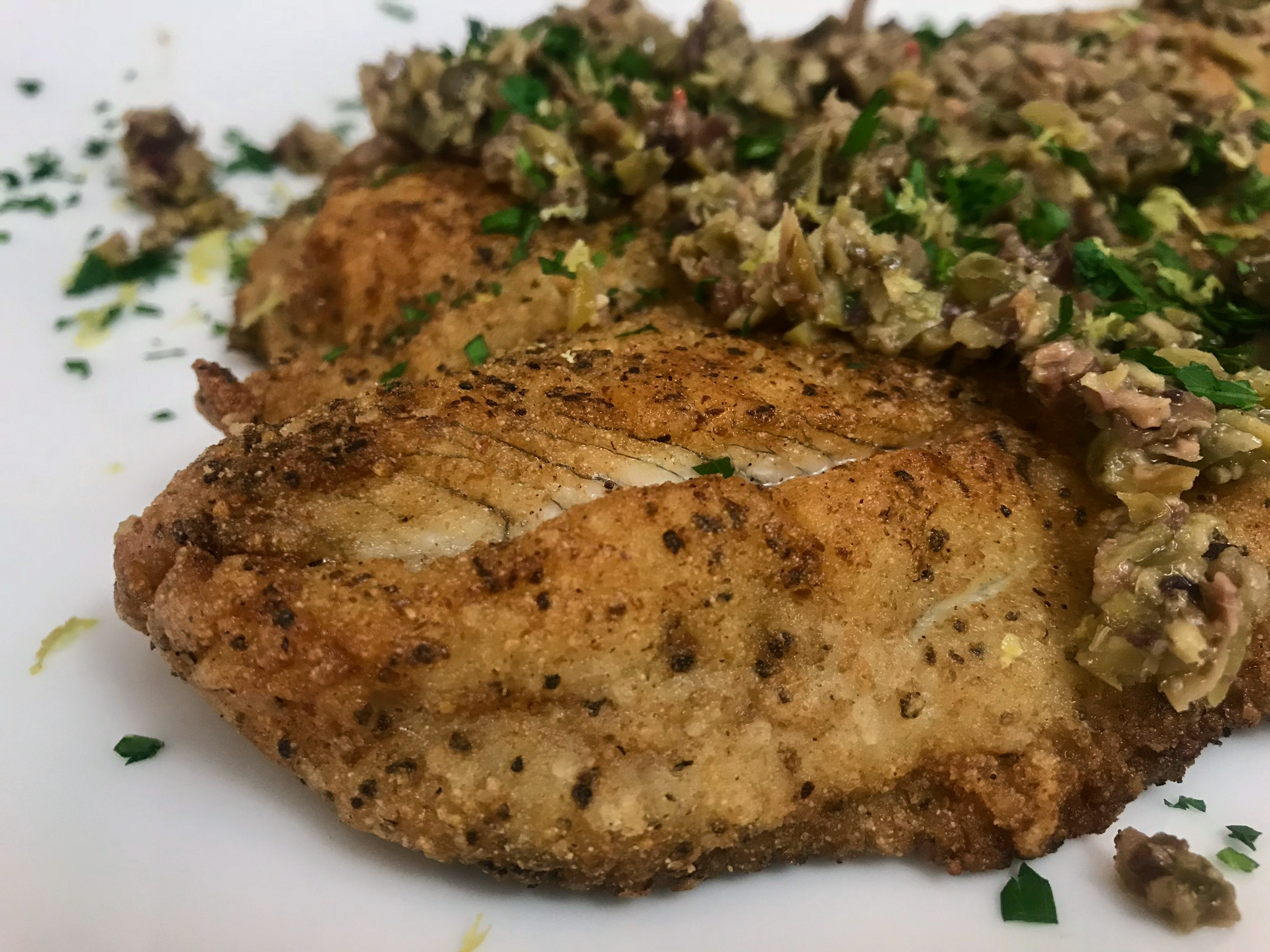


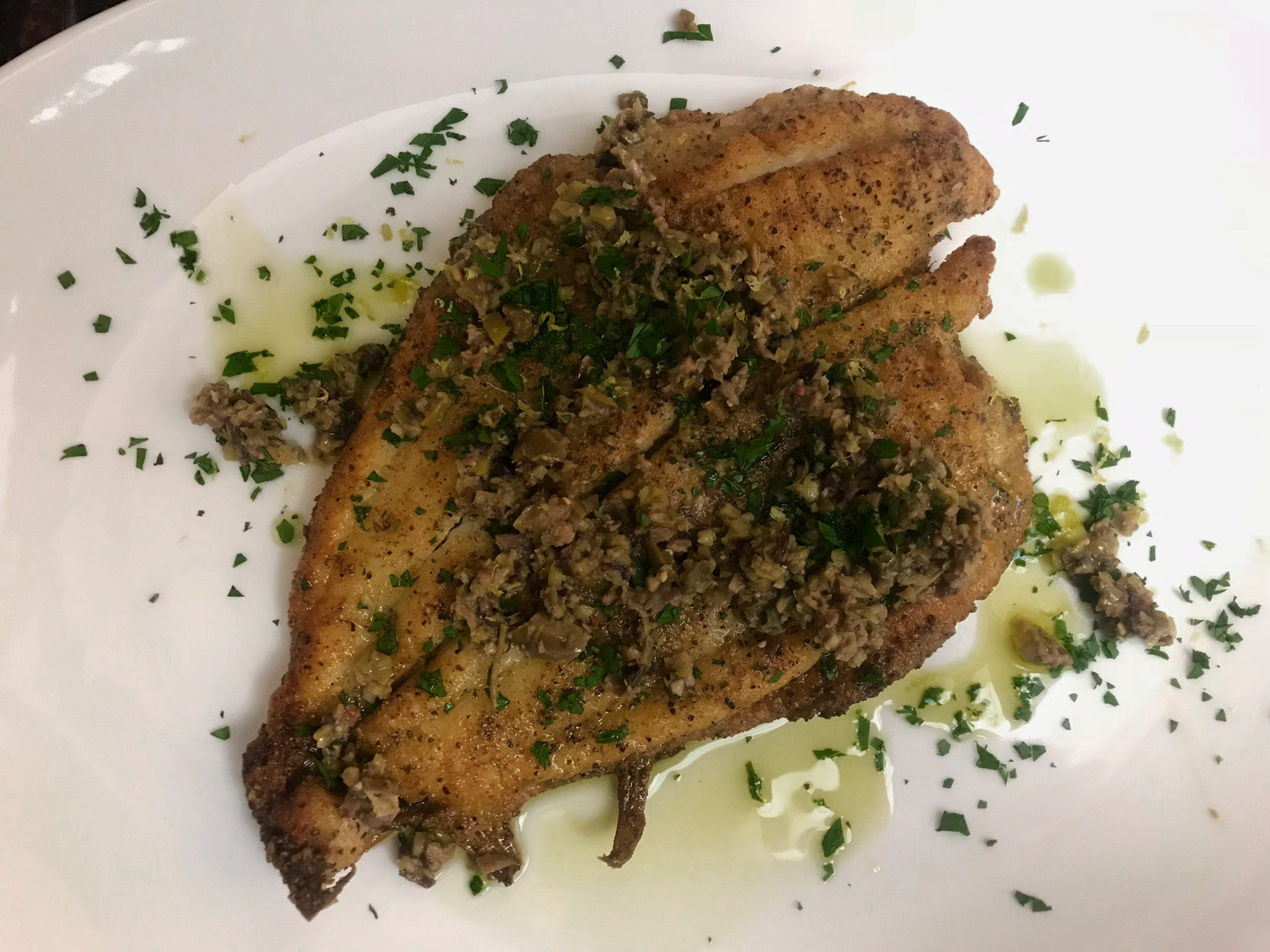
Fried fish, topped with plenty of olives, capers, and extra virgin olive oil, with some crusty bread for dipping reminds us of summer- screaming drags, breaching fish, long days on a tiny boat. It’s a simple dish that we frequent all summer, and during the lull of the post-waterfowl season it’s a reprieve from the bitter cold, a hopeful look ahead to warmer weather.
Any flaky fish will work in this dish, but we particularly like skin-on flounder for the extra crunch. The spelt flour adds a bit of depth and great texture without soaking up too much oil and tasting greasy. We use whatever olives we have around- a mix of colors, flavors and textures from a variety of olives does wonders to elevate the tapenade.
Spelt-Fried Flounder with Tapenade
Prep time: 30 minutes
Serves: 2-4
Ingredients:
1-2 fillets of flaky fish, depending on size
~1 cup spelt flour
Salt & pepper
Oil for frying
Tapenade
2 cups mixed olives, pitted
~¼ cup EVOO
2 tbsp capers
Method:
Combine the olives and capers in a food processor and pulse, adding in a little bit of olive oil at a time. Continue to pulse until you have the desired texture. We prefer a more textured tapenade, but more oil and processing will yield a smoother product.
Preheat a deep sided pan, wide enough for the fillet, with ¼” of canola oil to around 350F. Season fish fillet with salt and pepper, then dredge through the spelt flour, covering both sides. Shake off excess spelt. Fry fillet in oil, about 2 minutes per side, until golden brown. Remove from pan and allow oil to drain off on a paper towel or cooling rack. Serve with tapenade, extra virgin olive oil, plenty of lemon and bread or pasta.


Crispy wok-fried Chesapeake Bay soft shells coated in a sticky, spicy, gingery sauce are a perfect storm of hyper-regional ingredients and imported techniques. This is what food is all about: blending cultures, time and places.


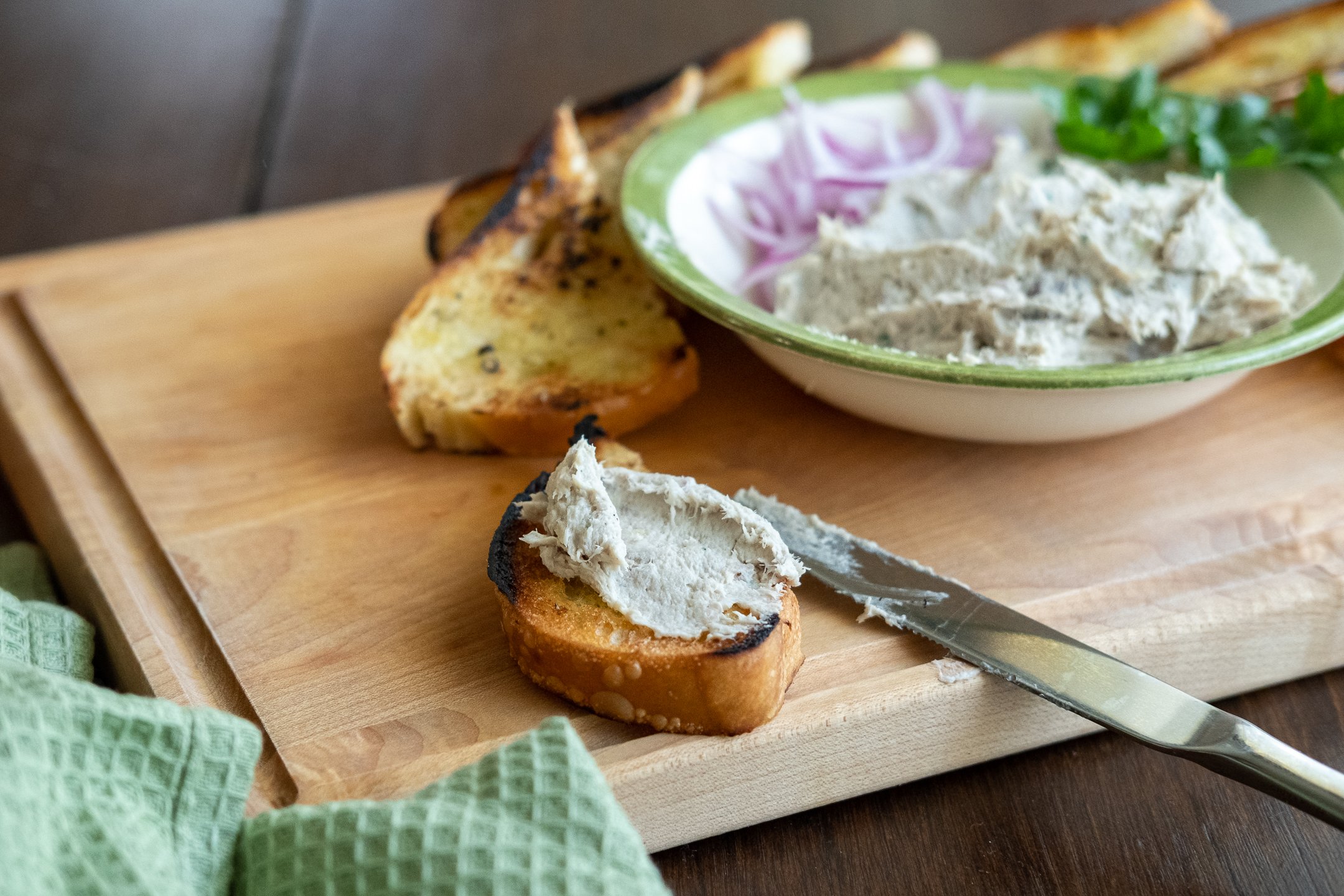
If you’re from the camp that thinks the only good thing to do with bluefish or mackerel is smoking it and making dip, this might change your mind.
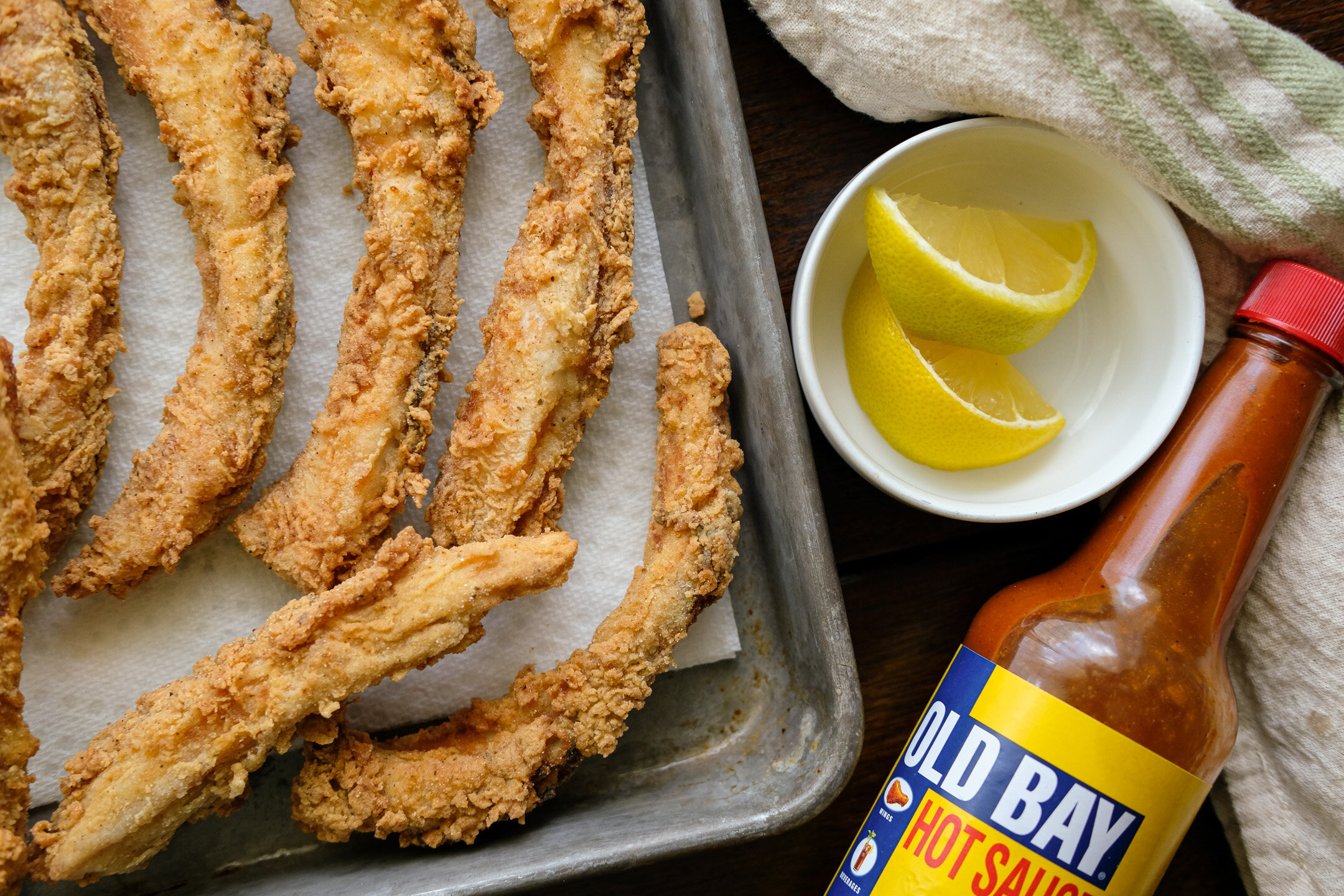
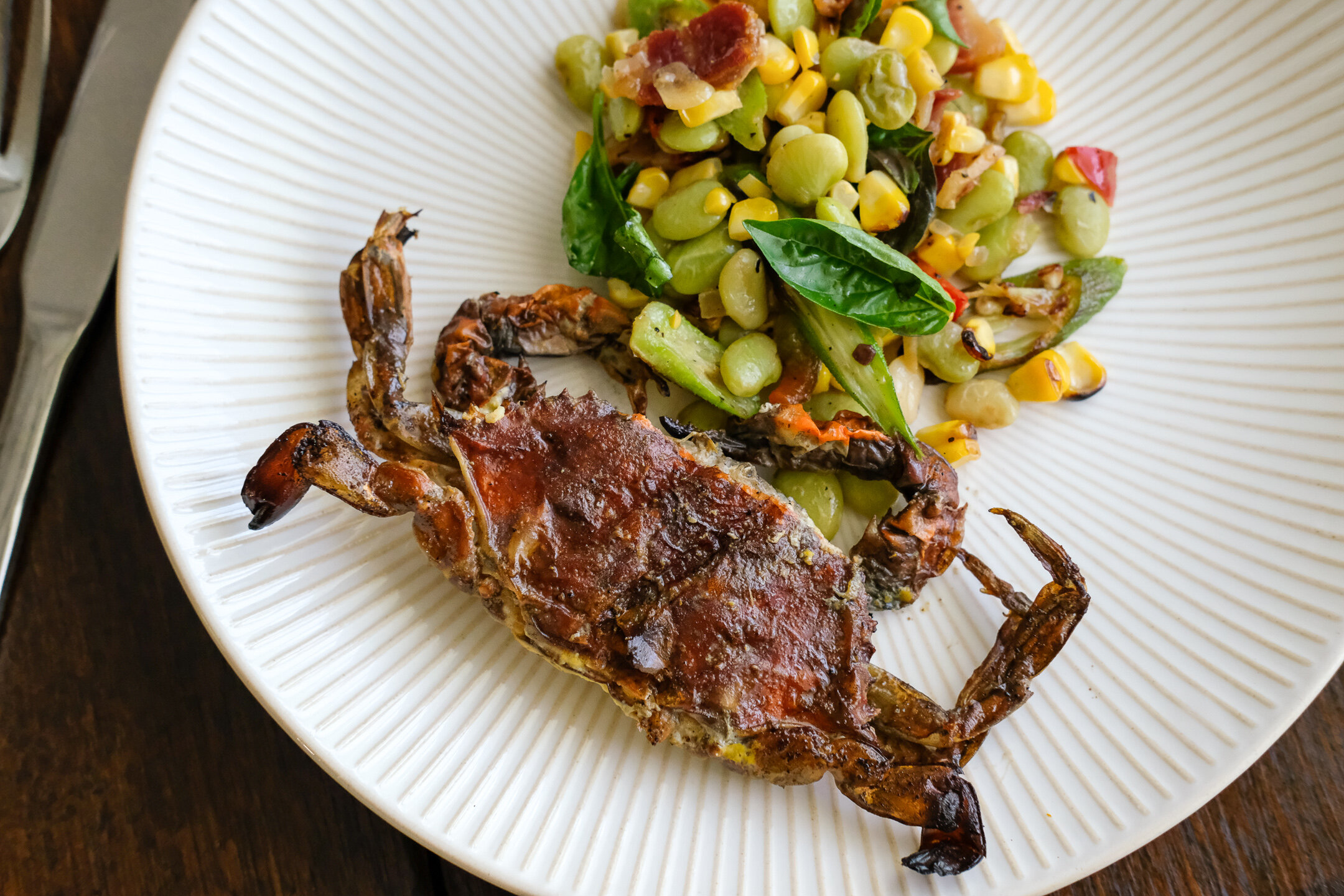
The method for grilling softshell crabs is simple: high heat to get the shells crispy, seasoning & some fat. You can use any fat you want, but the butter added a bit of welcome richness, I highly recommend it. As for seasoning, salt and pepper if you want to keep it minimalist. Old Bay if you know what's up.
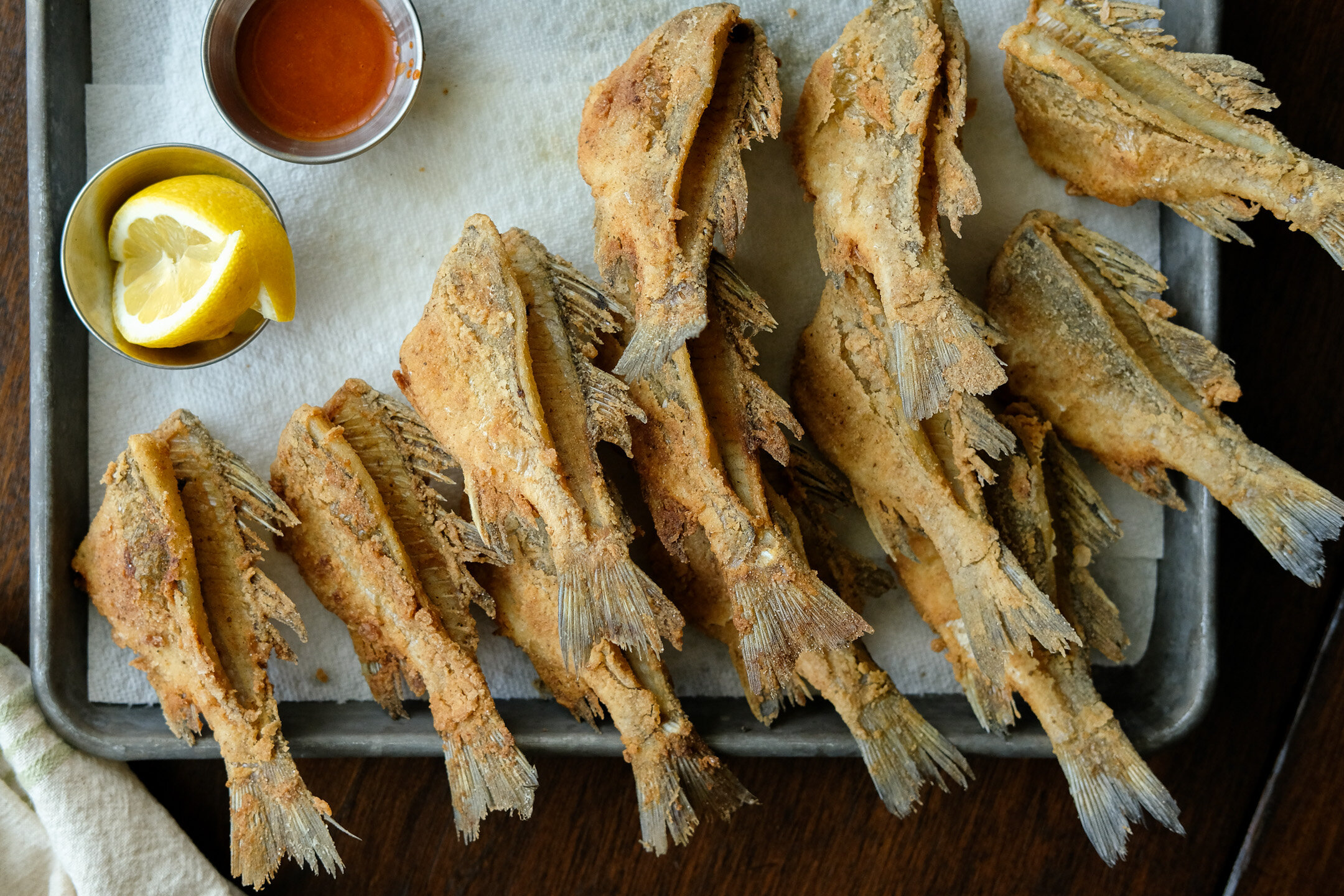
White perch are a lot of fun to fish for and some of the best table fare there is. They're abundant and aggressive, and once you find them, you can pile them up.
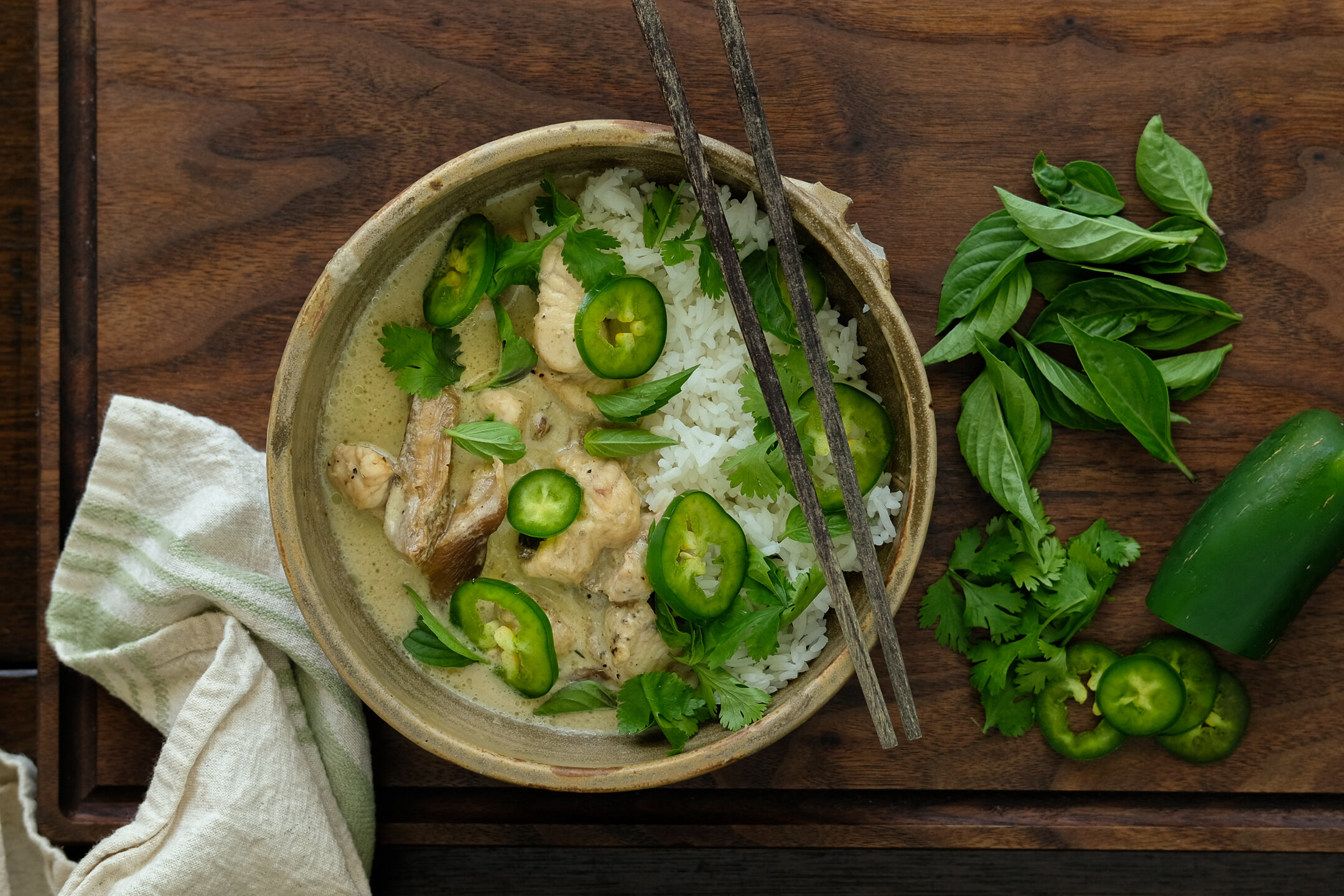
This green curry recipe has become a recurring dish after long and hot days on the water. It’s spicy, creamy without being too heavy, and refreshing yet comforting.

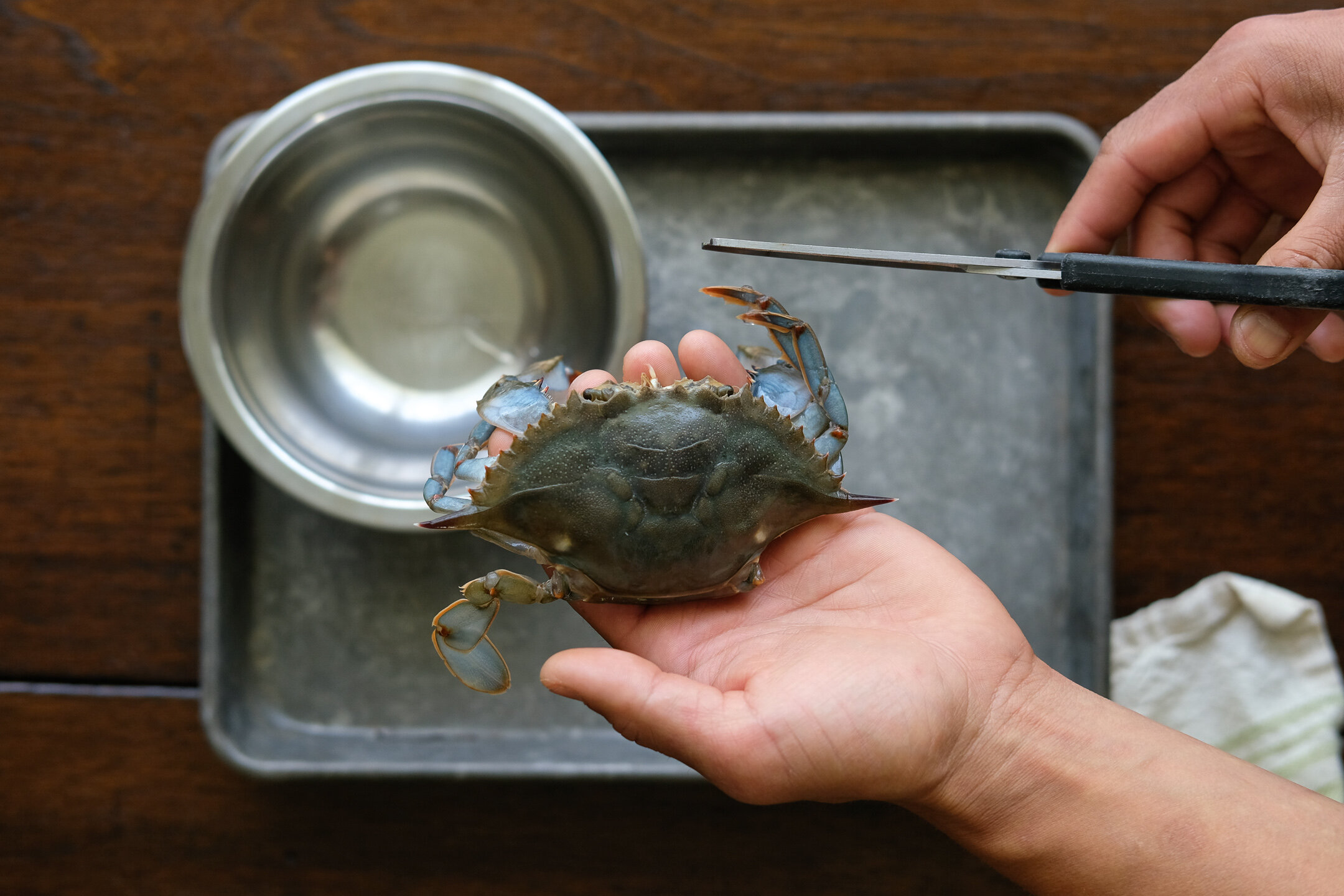
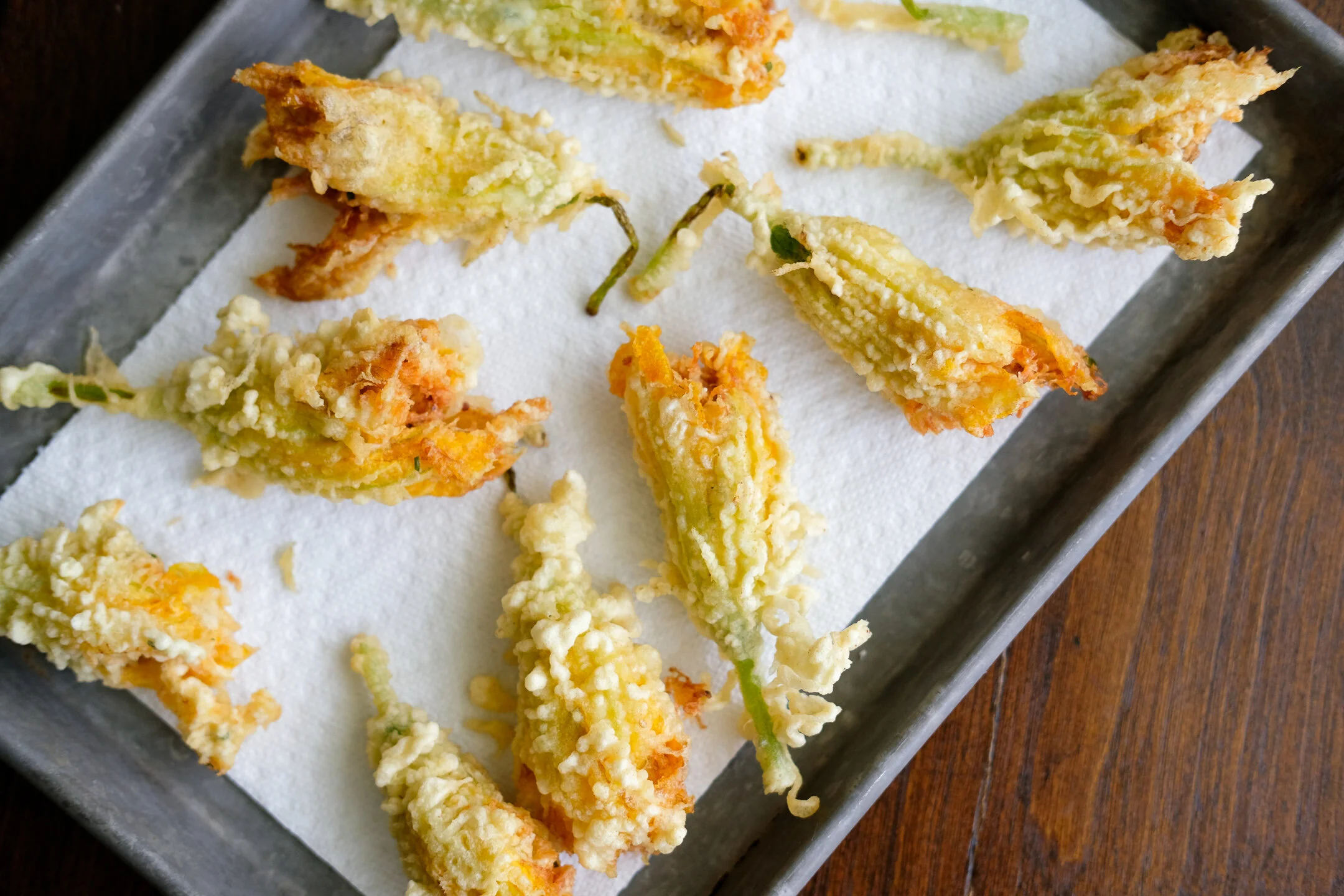
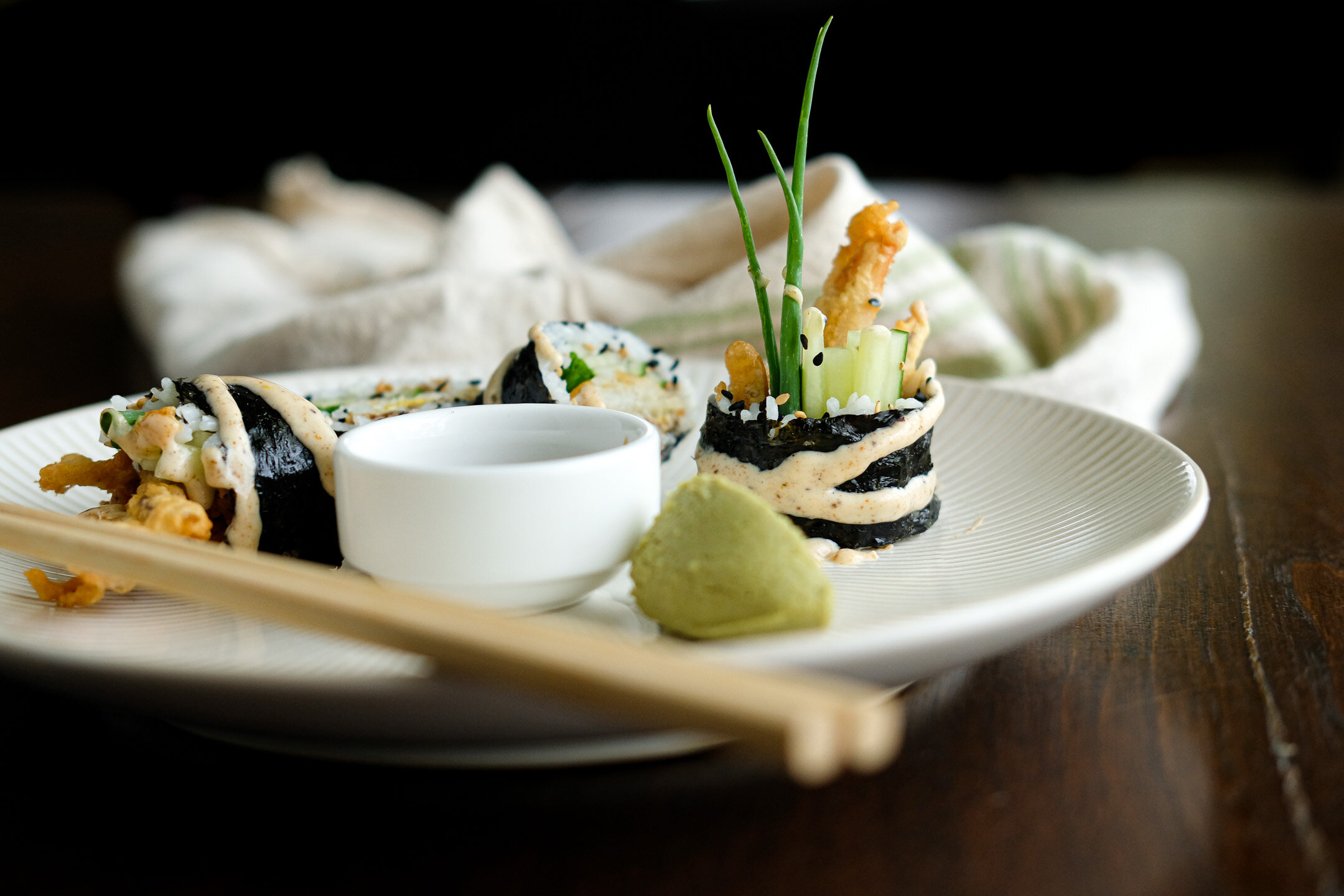
Tempura fried and rolled with cucumber, avocado, and old bay mayo, these soft shell crab rolls were light, with a filling crunch, and the most satisfying thing I’ve eaten this June.

Soft shell crabs might be nature’s most perfect food. Fried up, with a slice of ripe tomato and crispy bacon, it’s the essence of summertime on the Chesapeake.
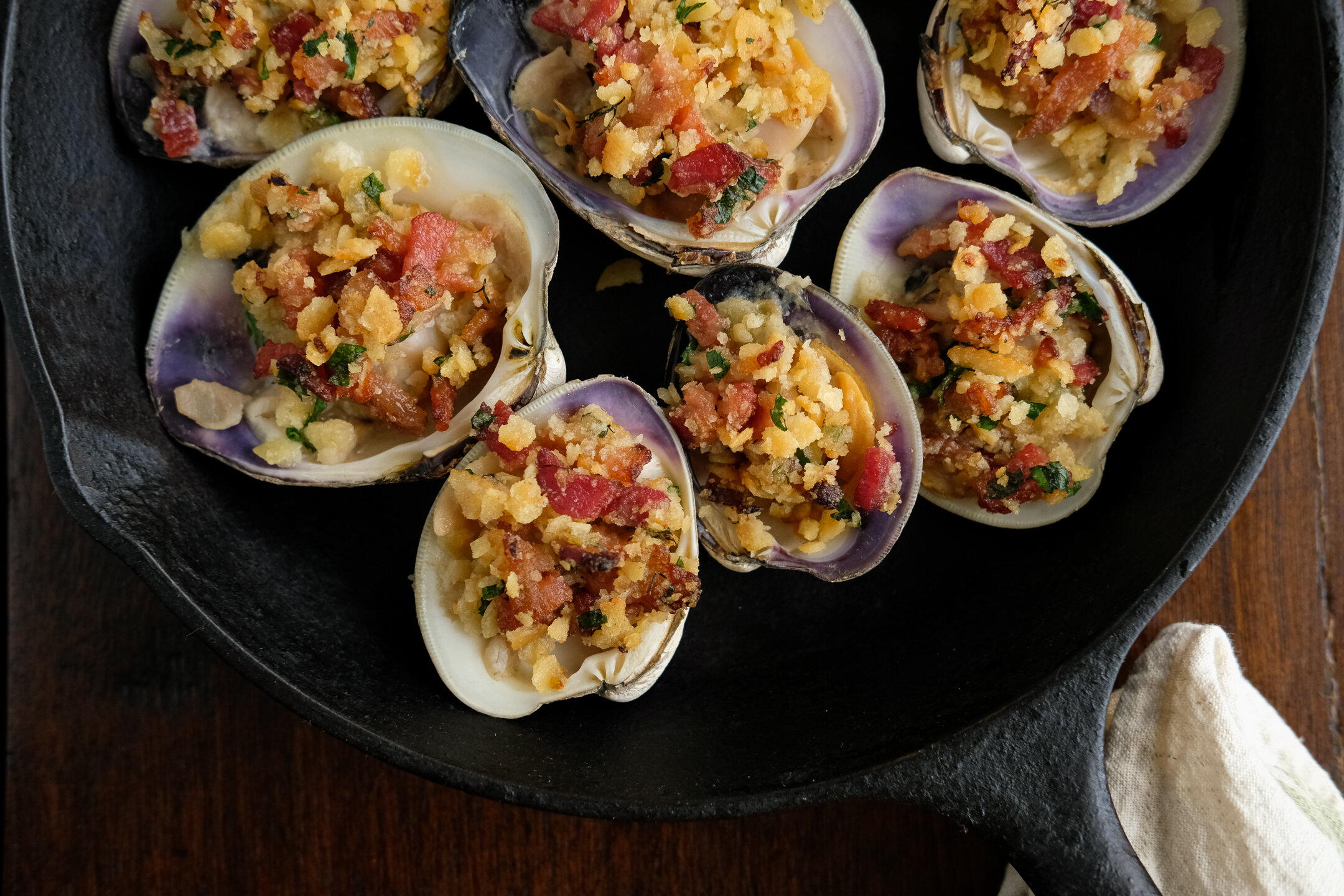

This recipe riffs on the classic clams oreganata, but with the twist of country-style Virginia ham.
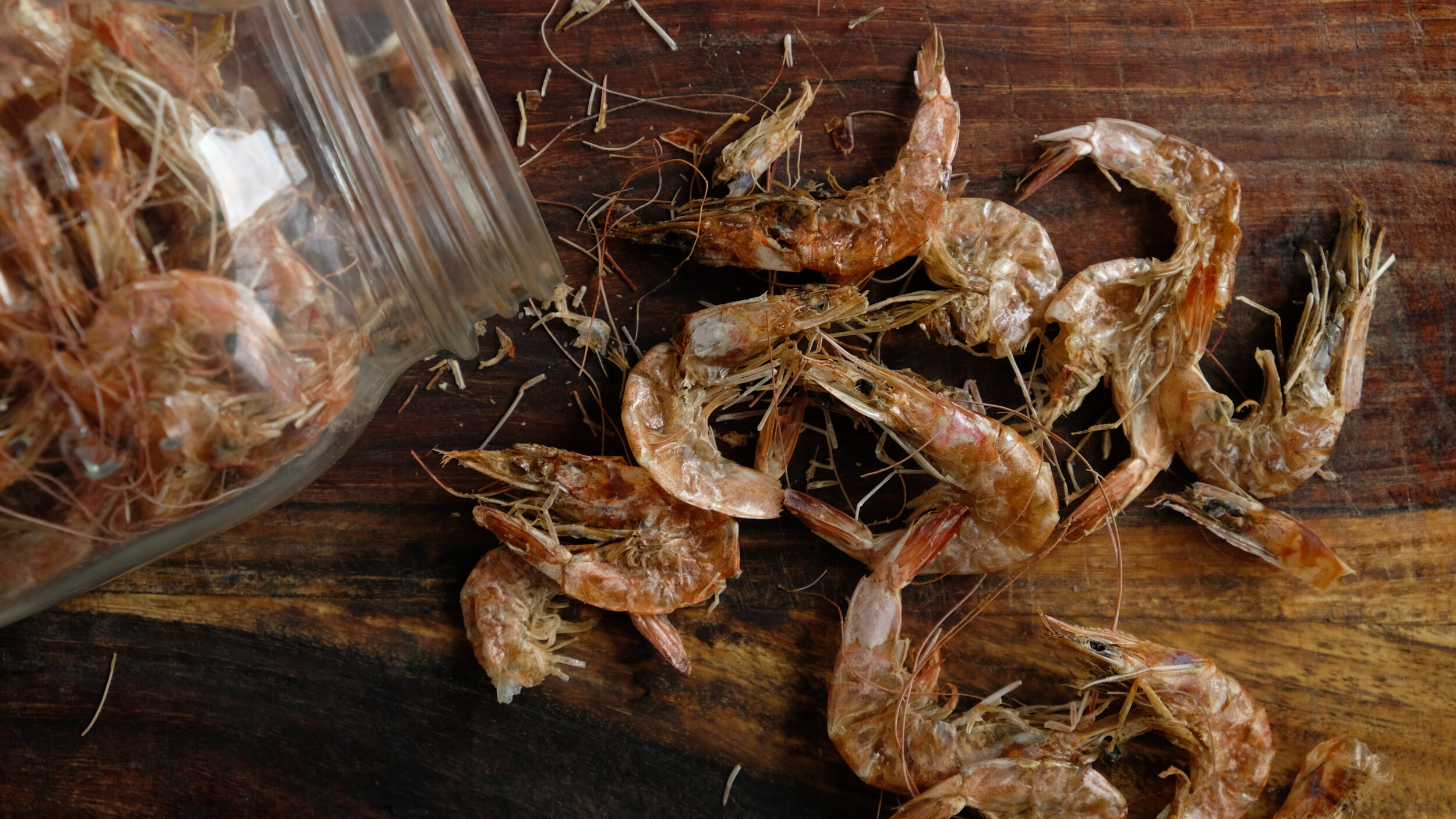
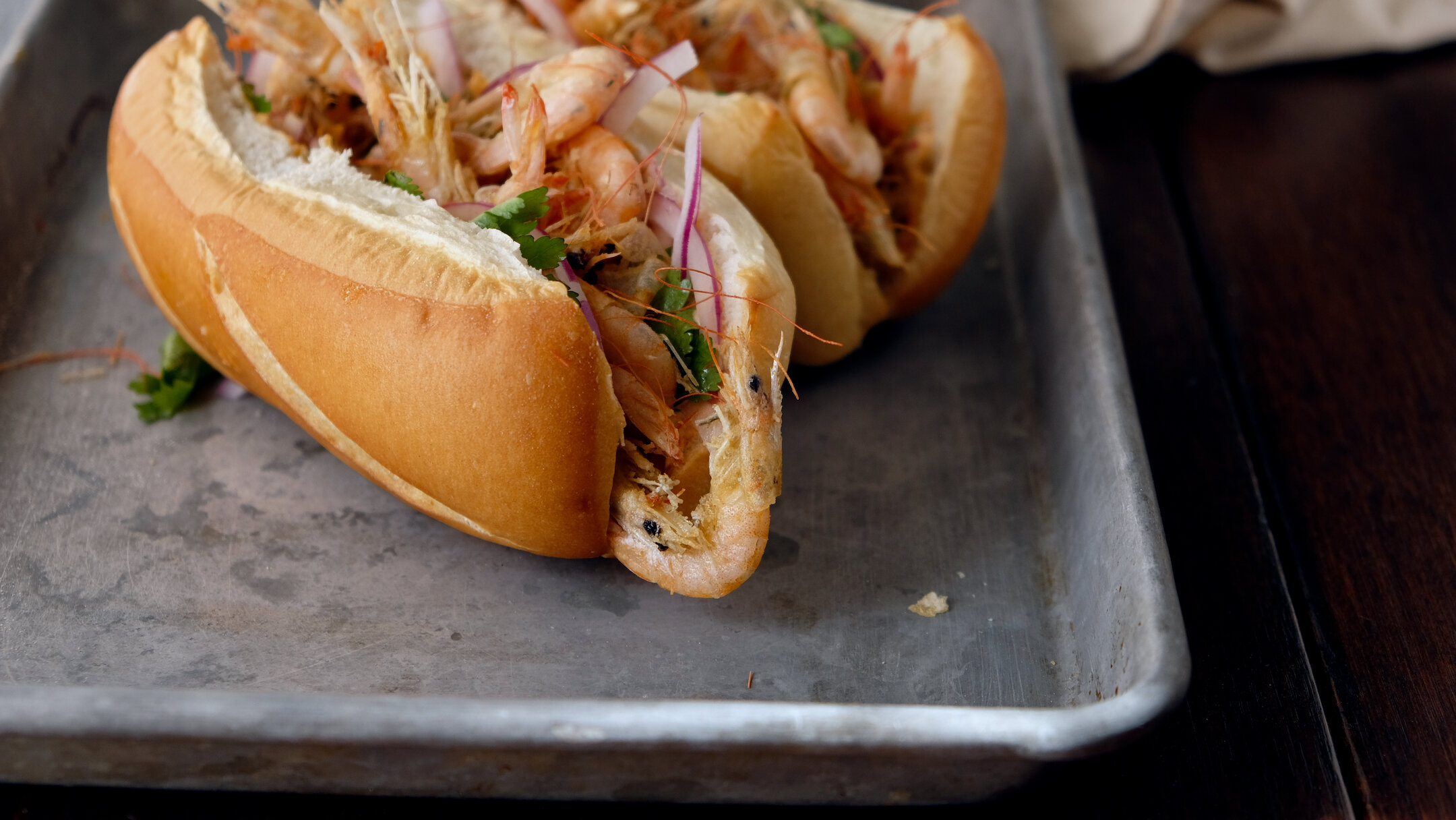
If you’ve never eaten shell-on shrimp, it's kind of like a softshell blue crab. And if you haven't had softshell crab, well, you're missing out.
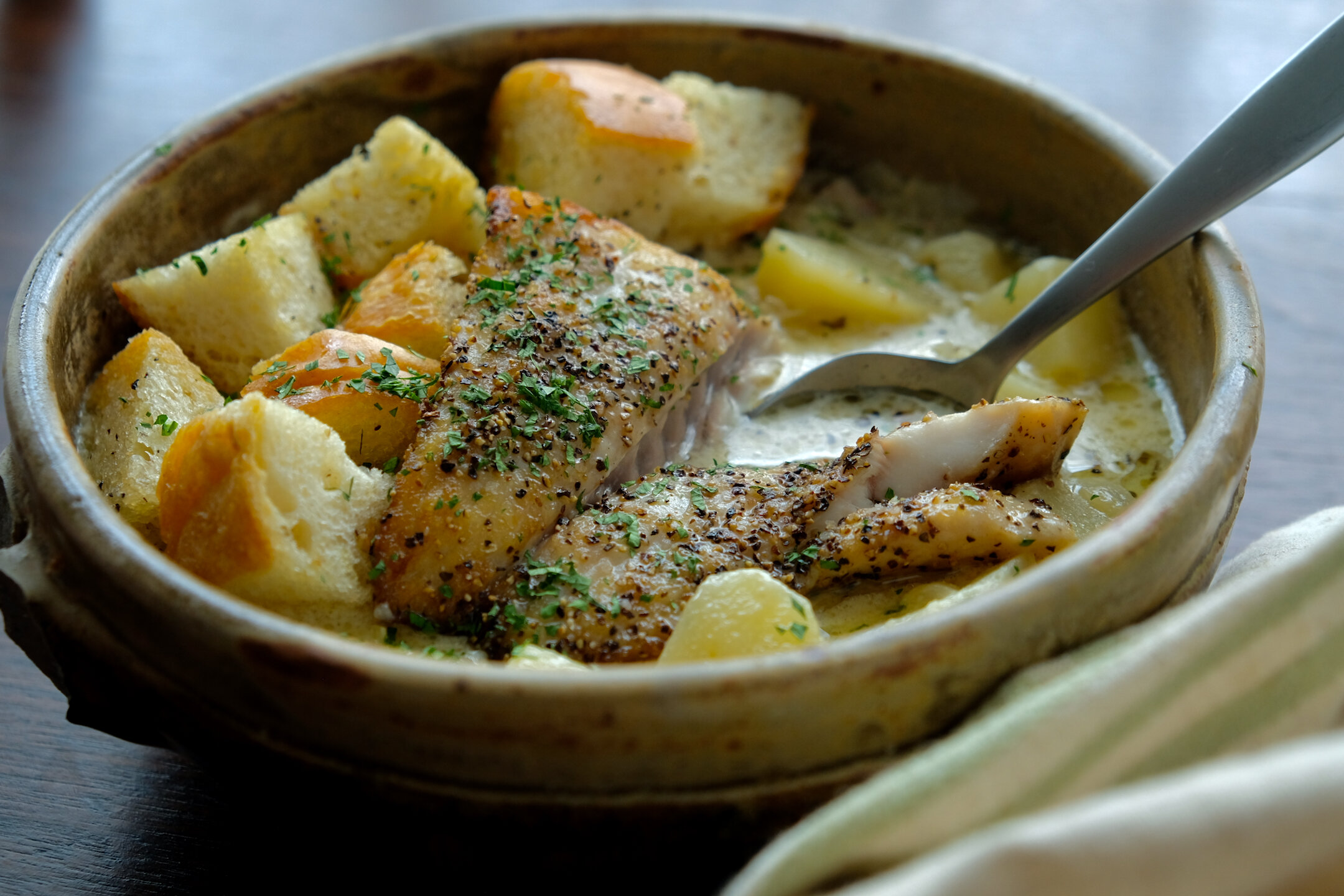
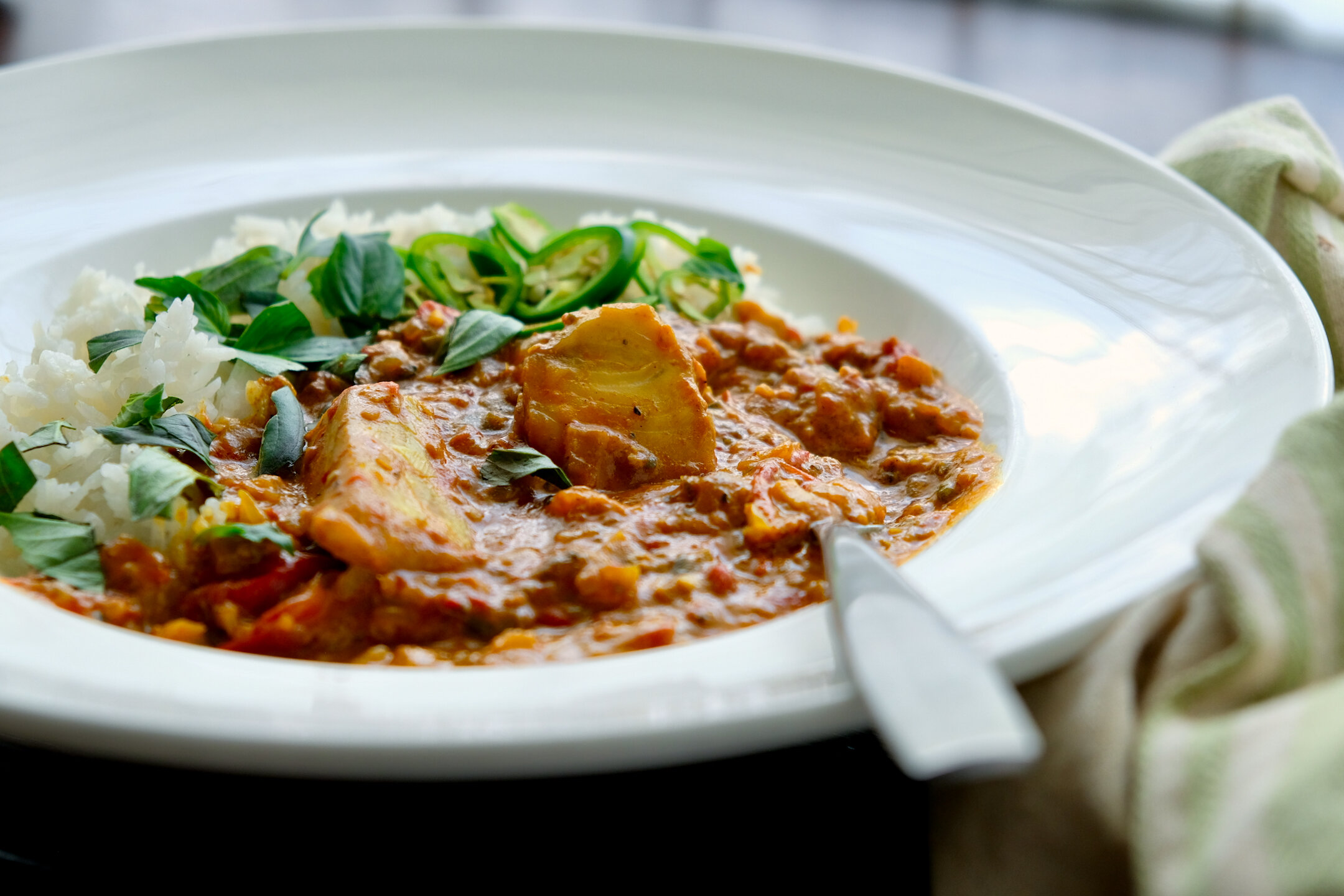
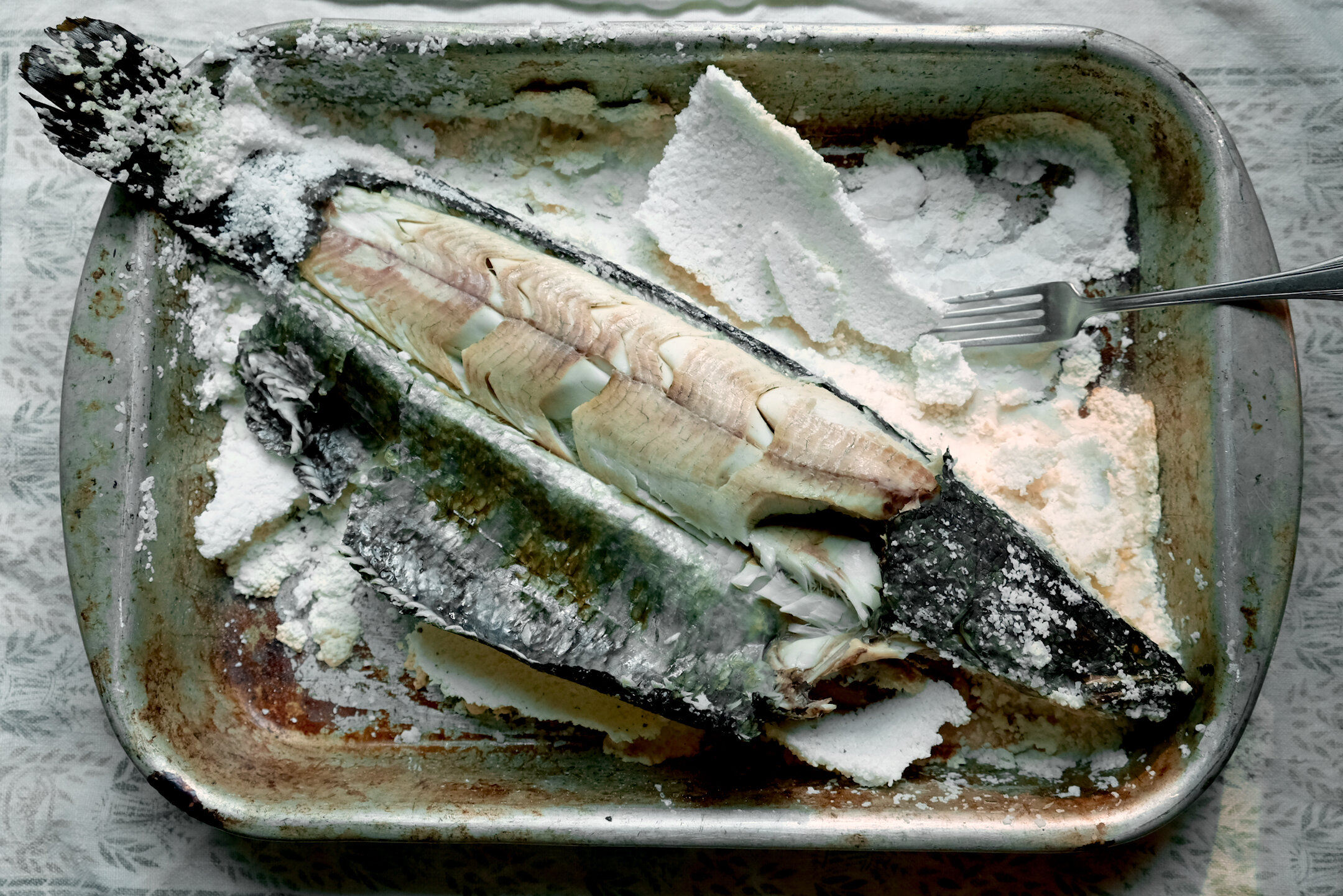
The fact that salt crusted fish comes out more evenly cooked and with better moisture retention is almost second to the drama of the presentation.
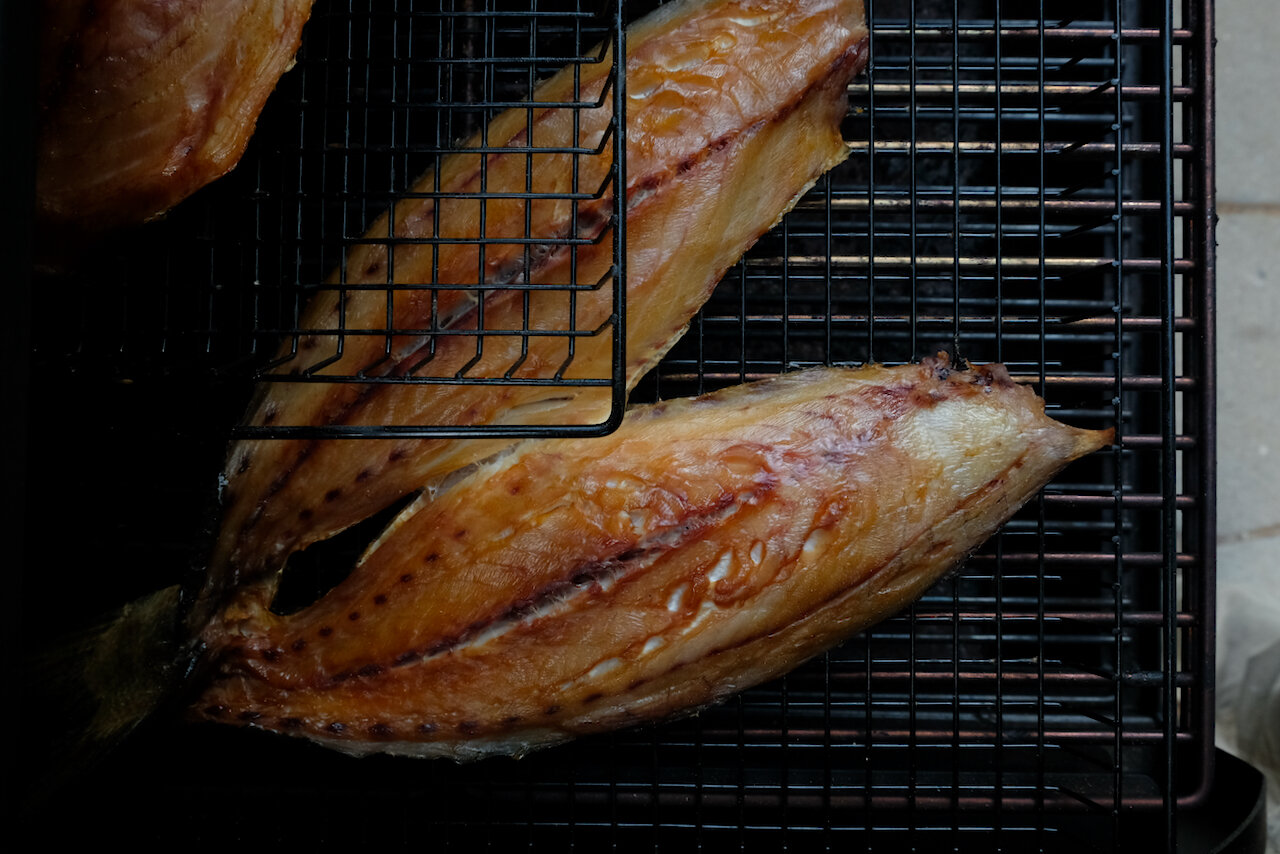
For all the bluefish you can’t eat fresh- a great addition to dips, flaked into hash and omelets, and anywhere else a salty and smoky touch of flavor is needed.
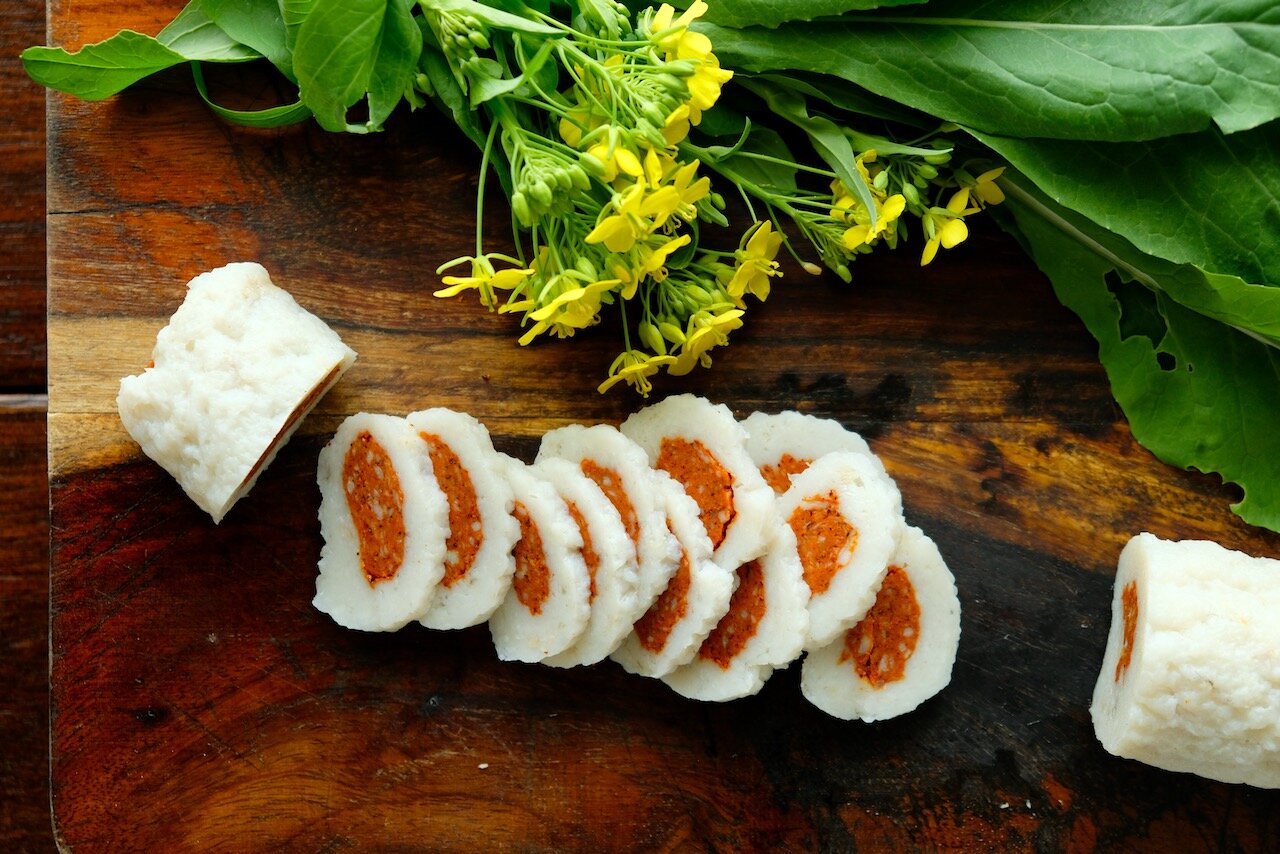
Kamaboko- you might not have heard of it, but I guarantee you’ve tried it. These are as good, if not better, than the kamaboko you can buy in asian grocery stores.
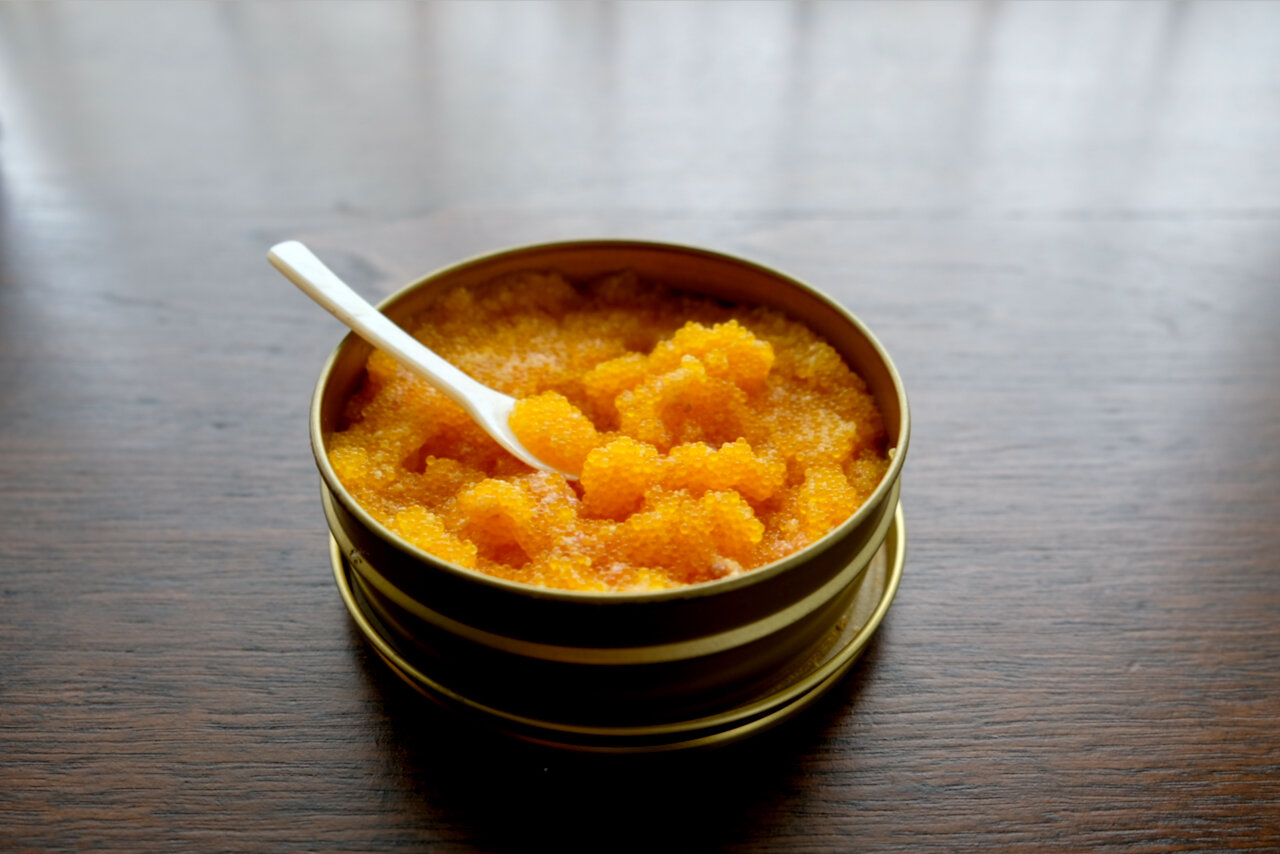
The fine texture, color and richness of snakehead roe is exceptional. Flavor-wise, it is mildly briny and not fishy at all, with an eggy richness that you only find in good fish roe.
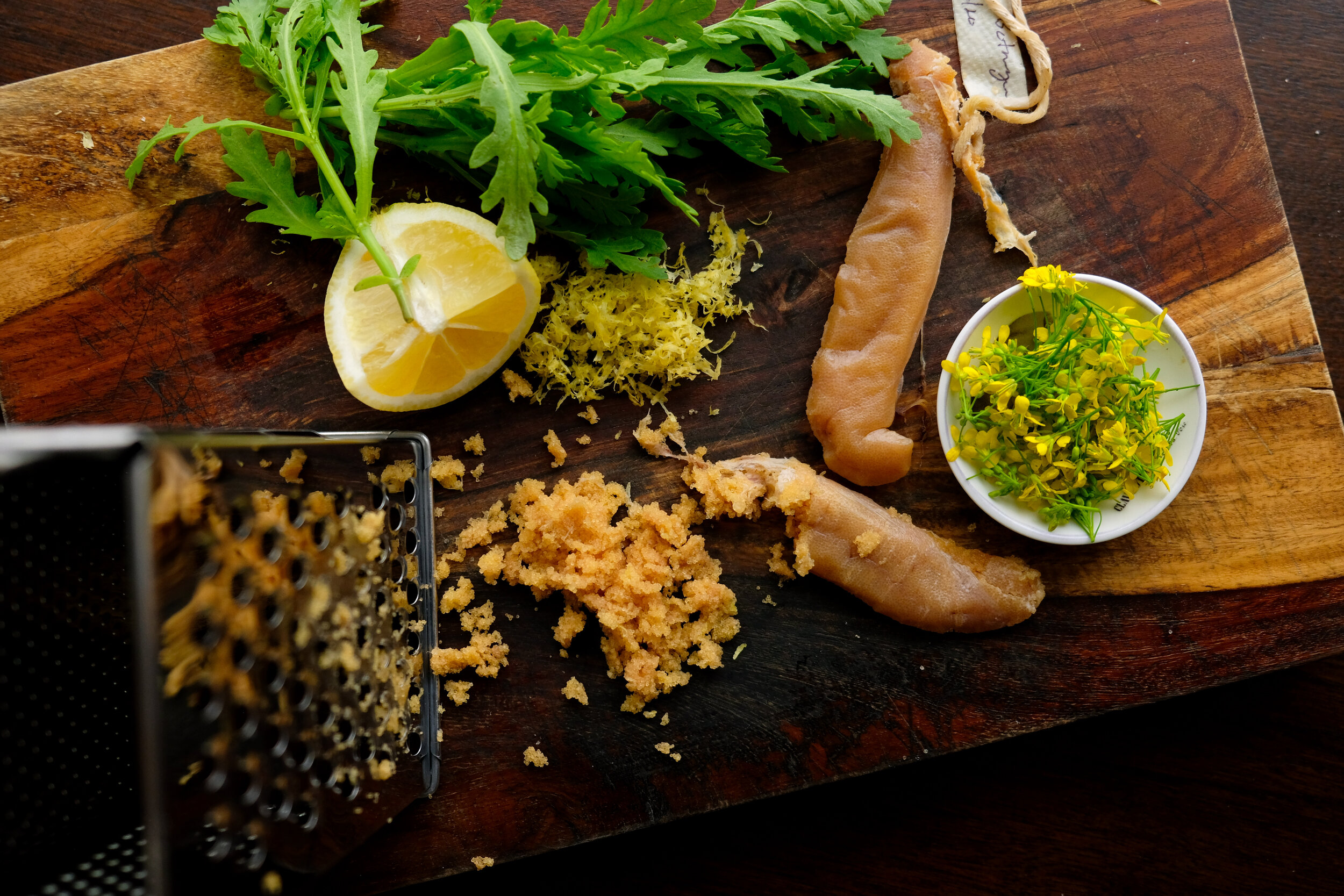
Bottarga, essentially, is a salt cured roe sac. The result is something similar to parmesan cheese, but with an eggy-briny flavor.
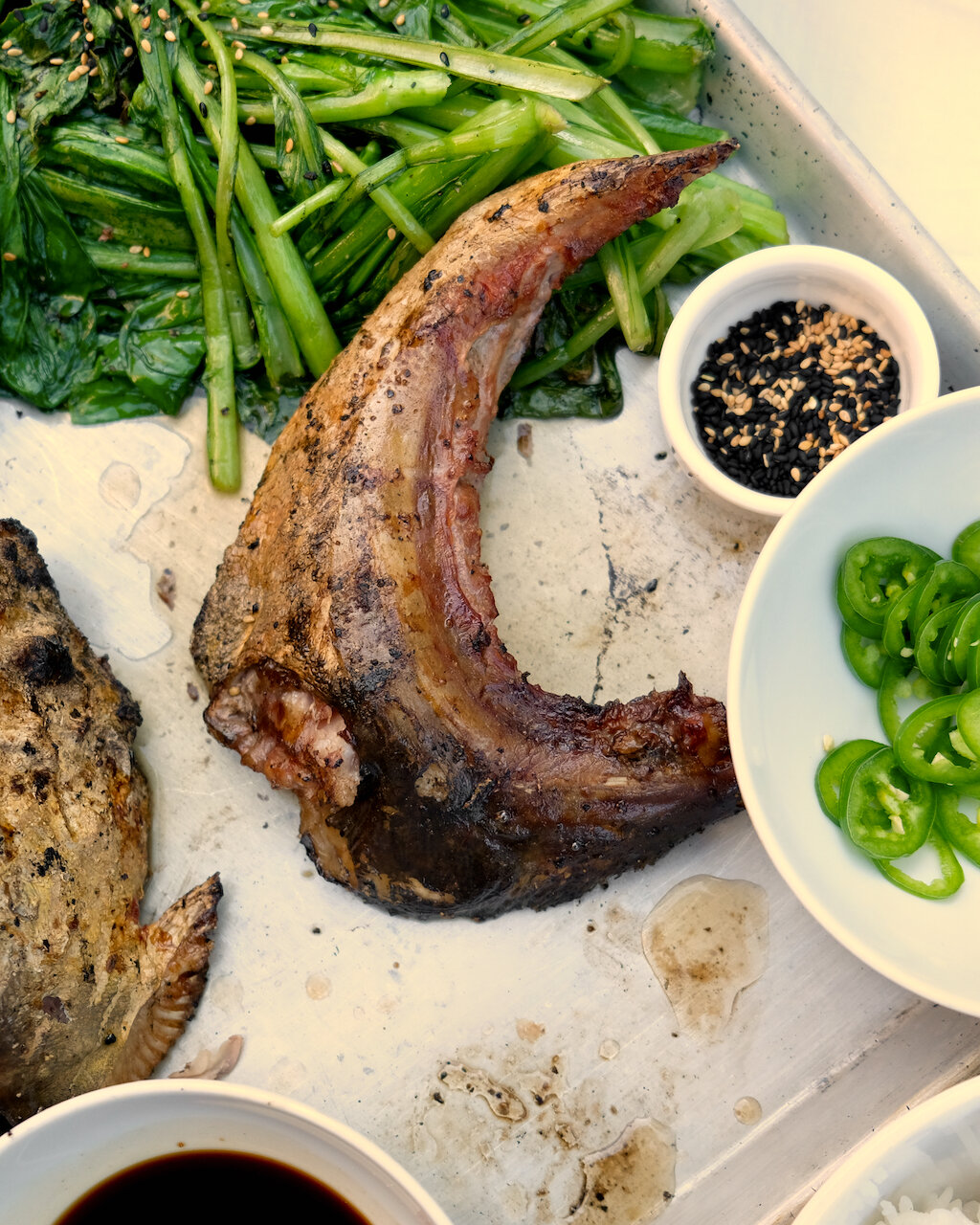
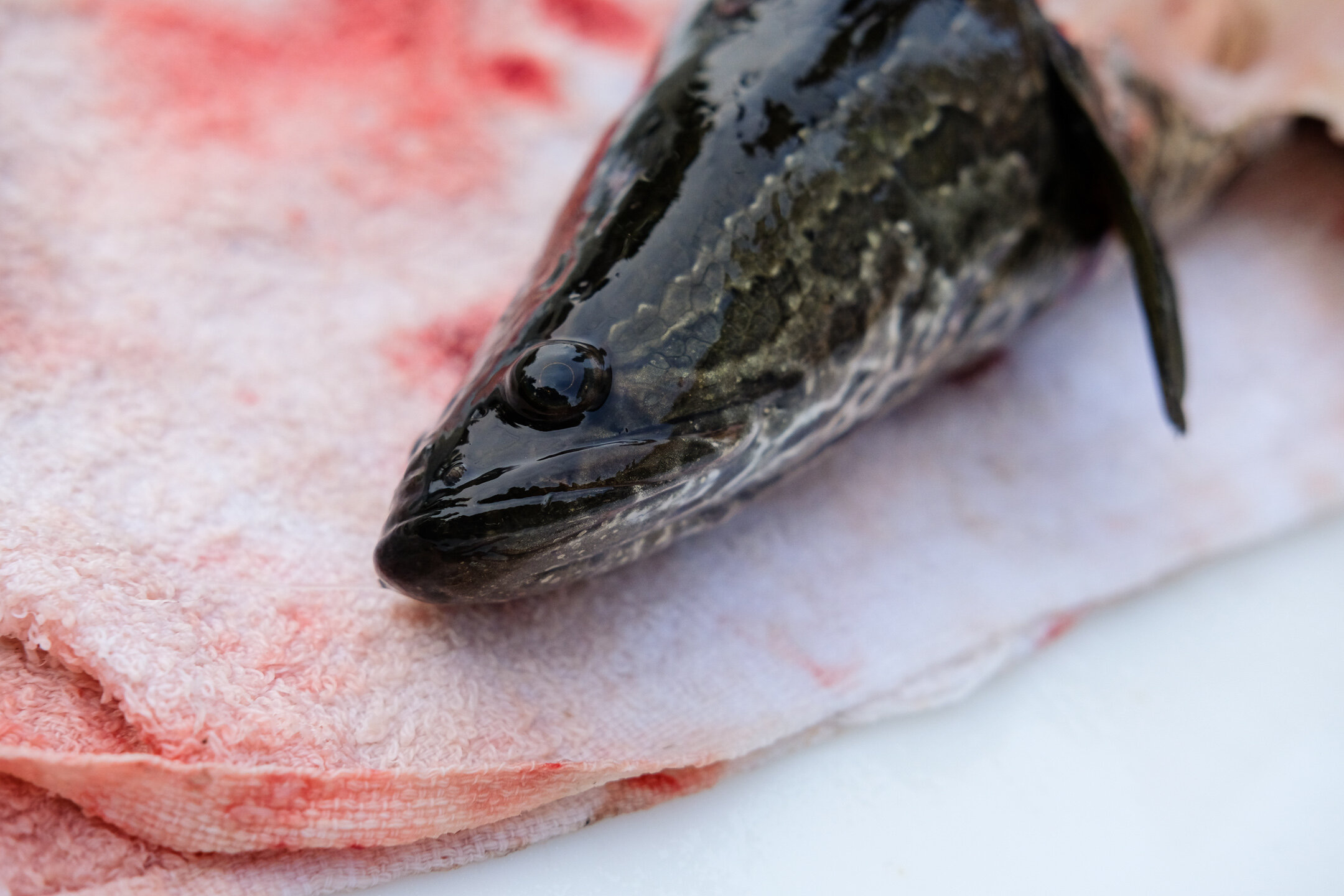
Handling and preparing the tastiest ‘trash fish’ in the bay